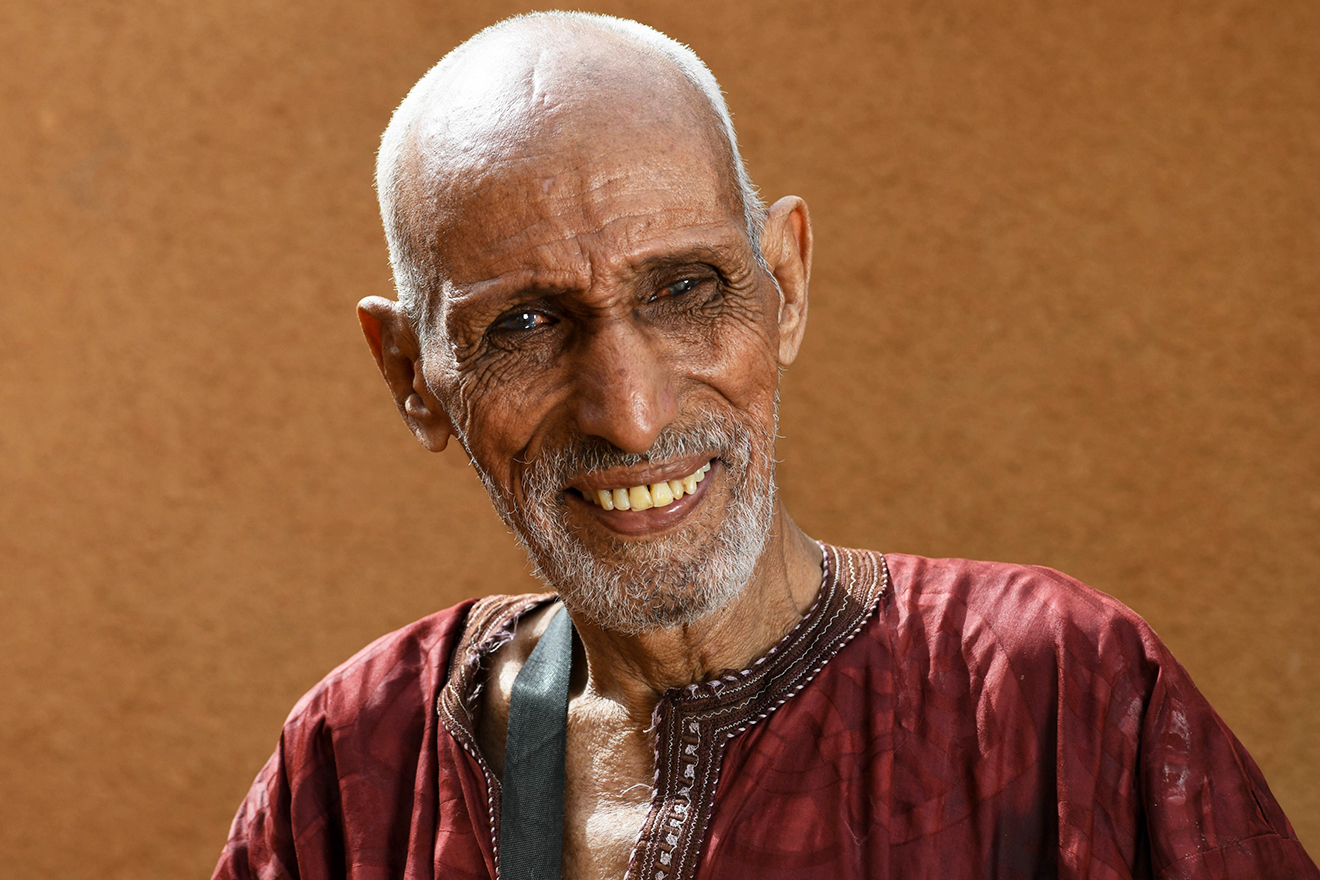
Having once fled civil war, #RealLifeHero and returnee Ritah Alfred is working for FAO to support livelihoods for her fellow citizens. Ritah migrated to Uganda with her family when she was four. But as soon as she graduated from university, she returned to South Sudan to help build her new country. “I wanted to return because I love my country, and I am proud to be South Sudanese. I strongly believed that I have a role to play to bring peace and development,” she says. Working in logistics, a field that has been largely dominated by men, she remains on the front line, ensuring the continuity of FAO operations in South Sudan, since the onset of the COVID-19 pandemic.
Humanitarian Aid
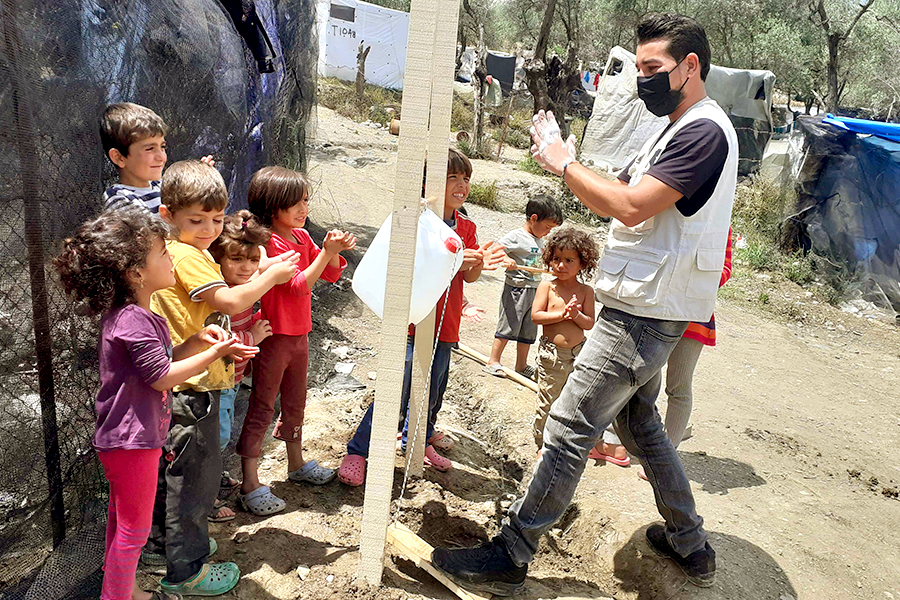
On World Humanitarian Day (WHD) August 19, the world commemorates humanitarian workers killed and injured during their work. We honour all aid and health workers who continue, despite the odds, to provide life-saving support and protection to people most in need. This year, WHD comes as the world continues to fight the COVID-19 pandemic over recent months. Aid workers are overcoming unprecedented access hurdles to assist people in humanitarian crises in 54 countries, as well as in a further nine countries which have been catapulted into humanitarian need by the COVID-19 pandemic.

WFP saves a massive stock of wheat from Yemen’s frontline

In this opening episode for Season 3 of Awake at Night, host Melissa Fleming speaks with David Beasley, Executive Director of the World Foo

How drought destroys lives and what we can do about it

As COVID-19 spreads to countries with poor health systems, the United Nations and its partners are racing against time to ensure that life-saving personal protective equipment and other supplies reach frontline health workers in need. The pandemic has disrupted all normal processes involved in transporting supplies. Disruptions to manufacturing in China fractured global supply chains, creating shortages as demand soared. Commercial flights were grounded, trade restrictions implemented, and market competition increased. These challenges create a whole new level of complexity.

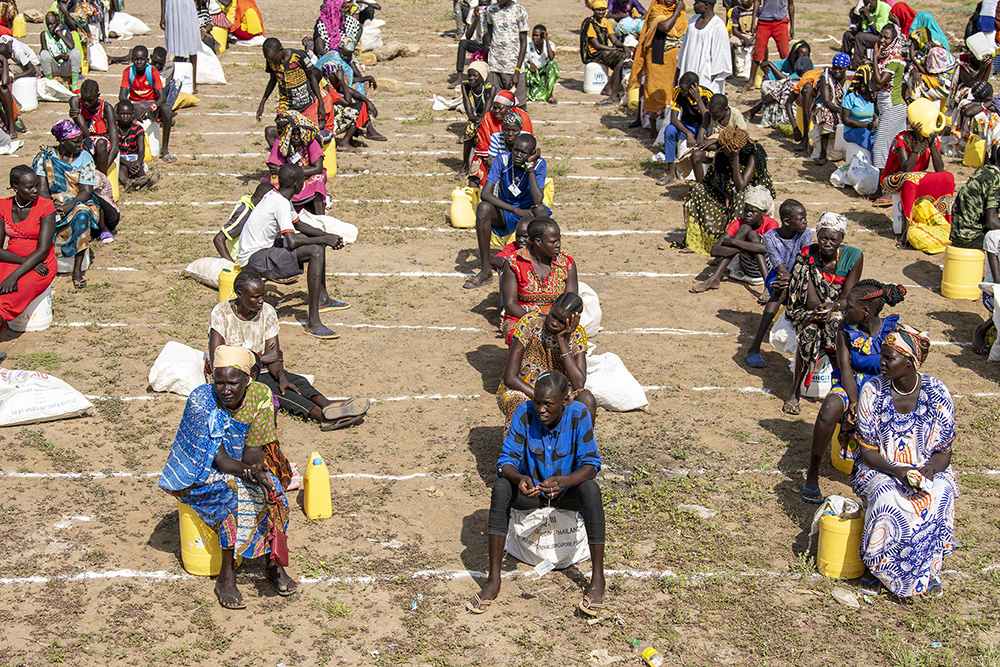
Before And After: How COVID-19 is changing humanitarian operations
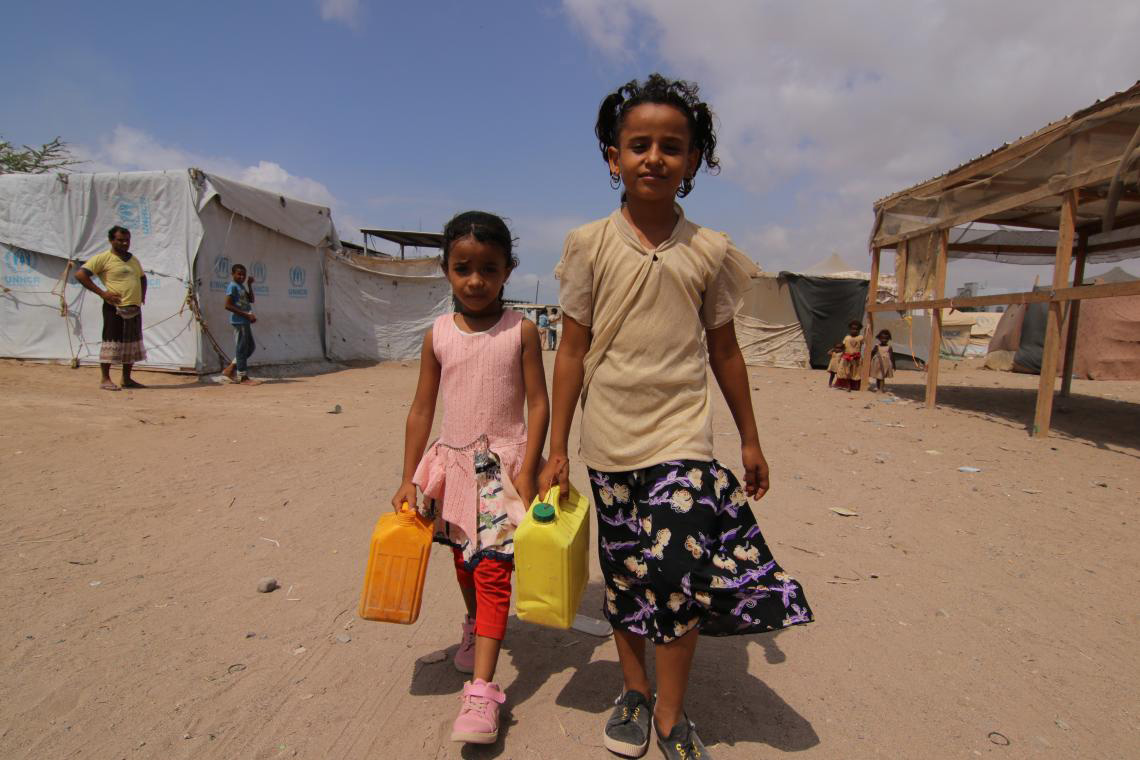
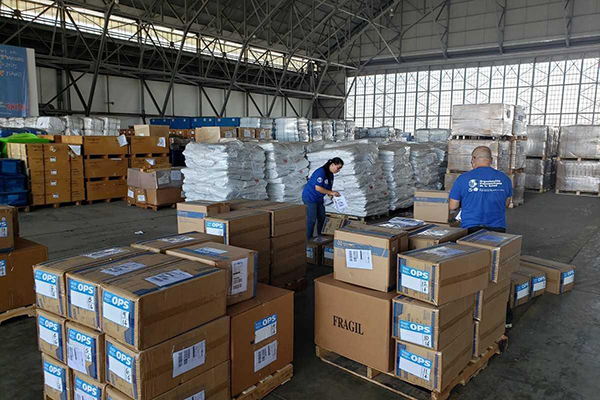
All countries must fight back against the coronavirus, an invisible enemy, but not all begin from the same starting line. The heads of the United Nations’ major agencies have issued a warning of the risk of COVID-19 to the world’s most vulnerable countries. Humanitarian organizations from across the world, therefore, call upon you to urgently support this global emergency supply system with an initial $350 million to enable a rapid scale-up of logistics common services.
Quasai and her family of 9 are doing everything they can to keep the virus away. The UN and partners are working around the clock to mitigate the risks, but more resources are urgently needed.
Want to know why 2019 was worse than expected? Find out here, and see what we did to help save and improve millions of lives with the support of donors, partners and affected communities.
At the time of filming, the bridge at “Stanytsia Luhanska” was still destroyed. Improvements have been made since then, but civilians continue facing challenges while trying to access services, payments or maintain family ties. Much more needs to be done to ease their suffering.