Six international football stars – including the first Syrian refugee to play in the German Bundesliga – are joining forces with the World Food Programme (WFP) and the UN Refugee Agency (UNHCR) to raise funds for people fleeing conflict in Ukraine. The video appeal includes players from across the UK’s Premier League, the Bundesliga and the French Division 1 Féminine, accompanies by music from WFP Goodwill Ambassador The Weeknd. UNHCR and WFP’s global #football4ukraine appeal comes at a time when almost a quarter of Ukraine’s population – more than 10 million people have been forced from their homes. WFP is building a massive operation to provide food for civilians trapped in major cities and assist others impacted by the conflict who have fled to neighbouring countries. This little girl is enjoying mealtime at a school serving as a reception centre for Ukrainian refugees in Moldova.
Humanitarian Aid
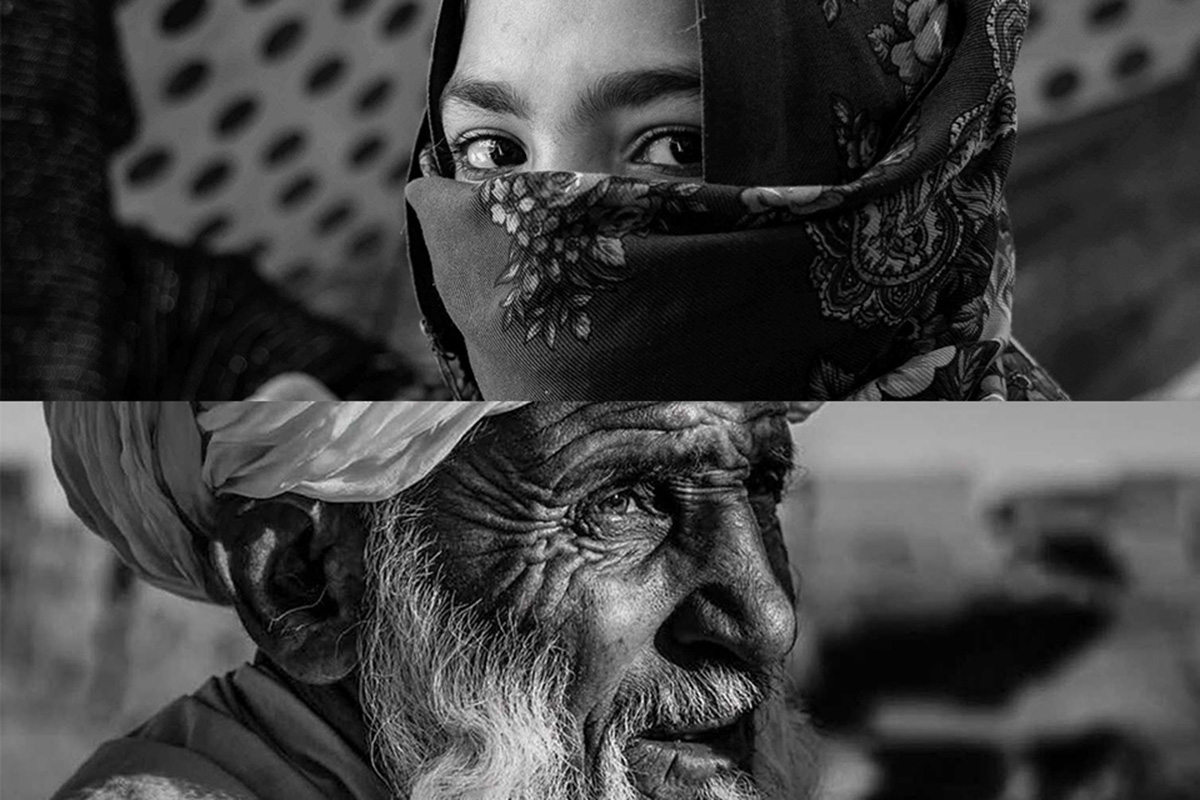
The persistent humanitarian situation in Afghanistan is unparalleled, with more than 24.4 million people requiring humanitarian assistance to survive. As the consequences of inaction will be swift and severe to reverse, frontline international and Afghan partners continue to deliver humanitarian aid under some of the most challenging circumstances. On Thursday, 31 March 2022, a High-level Pledging Event will be convened online at the ministerial level by UN Secretary-General António Guterres, joined by Member State co-hosts including the Governments of Qatar, the United Kingdom and Germany.
11 years after the violent suppression of peaceful, popular demonstrations, Syria is still mired in war. More than 14 million civilians need humanitarian assistance with 12 million displaced, including over 6 million outside the country. The UN reports that at least 350,000 have been killed. Meanwhile, tens of thousands are detained, tortured, missing, or disappeared. Many rounds of peace talks have been attempted, and the UN Special Envoy for Syria is working with a committee to draw up a new constitution leading to free and fair elections supervised by the UN. But progress has been elusive.
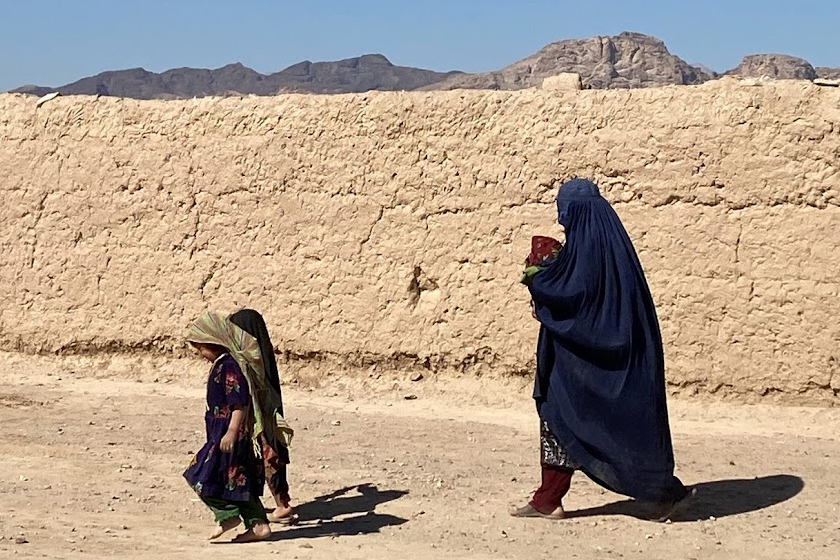
Internally displaced persons rely on mobile health teams deployed by UNFPA to remote areas of Afghanistan, where health services have been severely disrupted. Even before recent upheavals, Afghanistan had one of the highest maternal mortality rates in the Asia and Pacific region at 638 deaths per 100,000 live births. Without additional funding, this number could soar to 963 deaths between now and 2025. In its 2022 appeal, UNFPA seeks to raise $251.9 million to continue and expand services to address the reproductive health needs of 9.3 million Afghans.


Along with $500,000, The Weeknd is also donating $1 to WFP from each ticket sold for his forthcoming After Hours Til Dawn tour, to pull 44 million people back from the brink of famine.

At the Starobilsk Multidisciplinary Hospital in Luhansk, women are giving birth in the basement with artillery shelling nearby. This woman had a baby boy on a day the hospital issued three bomb alerts. There are an estimated 265,000 pregnant women in Ukraine, 80,000 of whom will deliver in the next three months. UNFPA remains on the ground and is preparing to increase operational capacity to deliver life-saving sexual and reproductive health services and supplies.
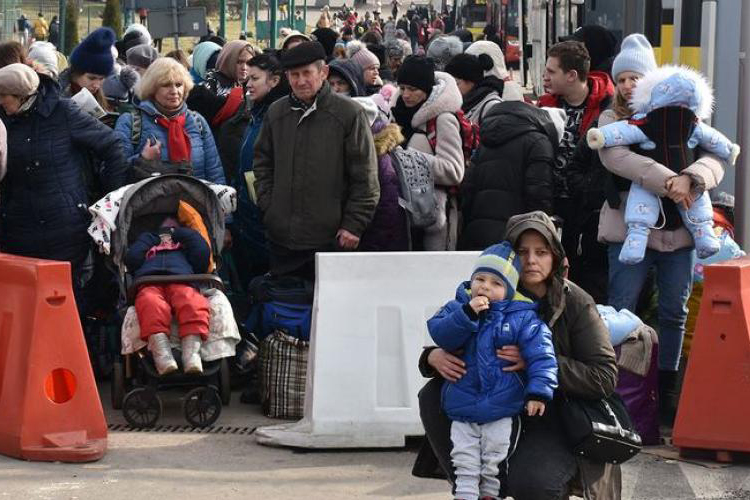
In response to the Russian military offensive in Ukraine which began on 24 February, the United Nations and humanitarian partners are scaling up the delivery of life saving support to people affected by the conflict. Guided by the humanitarian principles of neutrality, impartiality, humanity and independence, UN staff are working on both sides of the contact line, to provide humanitarian relief to people in need, particularly women, children, elderly people and those with disabilities. The United Nations launched coordinated humanitarian appeals. Follow the latest developments in the Security Council and General Assembly.
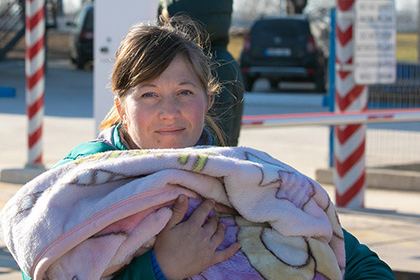
In the days since Russia launched a military offensive in Ukraine, the world has seen the photographs of women giving birth in underground metro stations and newborns hastily being moved to makeshift bomb shelters as health facilities become inaccessible or too damaged to function. An estimated 80,000 women will give birth in the next three months in Ukraine – many of them without access to critical maternal health care. UNFPA remains on the ground and is preparing to increase operational capacity to deliver life-saving sexual and reproductive health services and supplies.

Rockets have been “raining down” on Ukraine’s cities and hundreds of people have been killed or injured since the Russian military offensive began, said the UN Secretary-General, at the launch of a $1.7 billion flash appeal to provide urgently-needed assistance. António Guterres’s comments came as latest UN data indicated that 677,000 people have fled Ukraine since 24 February: “United Nations agencies and our partners are now working 24-7 to assess humanitarian needs and scale up aid, particularly to women, children, older people and those with disabilities.”
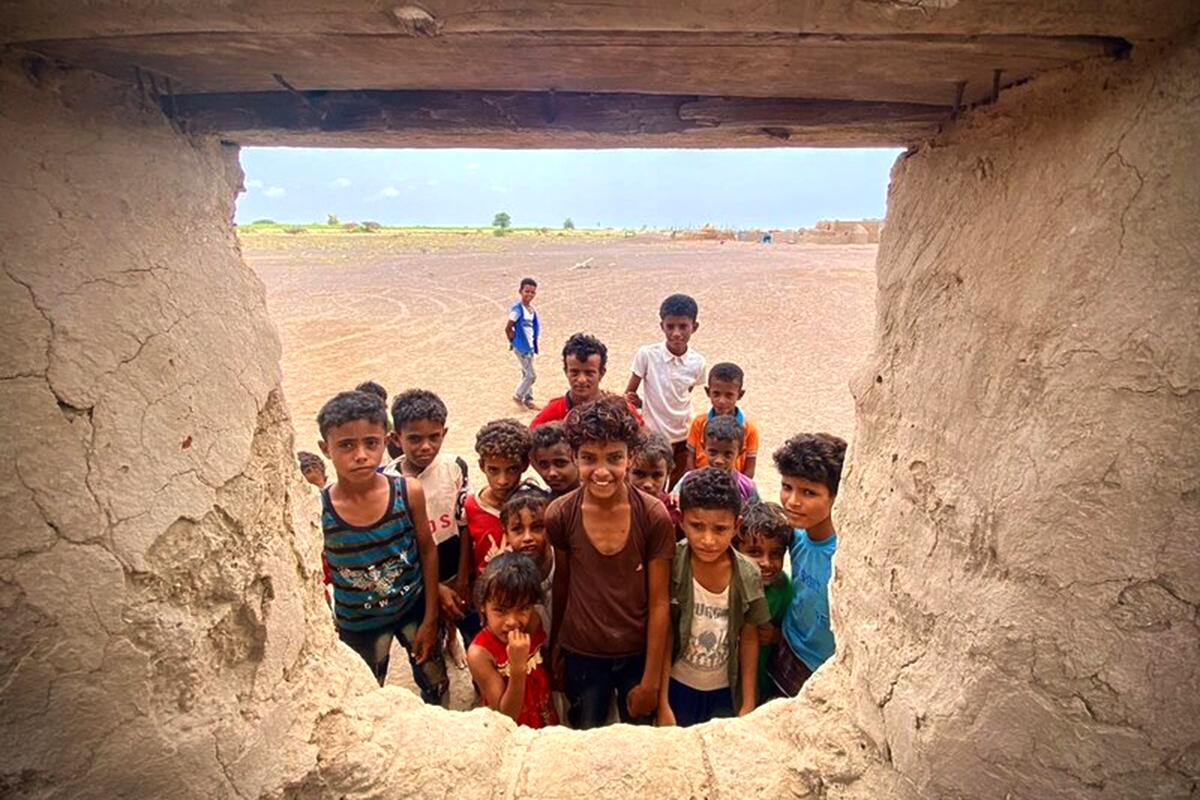
In Yemen, people are living through the world’s largest humanitarian crisis. 20.7 million people are in need of humanitarian assistance or protection. Expectant mothers are particularly vulnerable as they face life threatening shortages for maternal health services.

This week WFP launches its Regional Drought Response Plan for the Horn of Africa, calling for US$327 million to respond to the immediate needs of 4.5 million people and help communities become more resilient to extreme climate shocks. The money is for emergency response, with a proportion to continue to build capacities of communities and individuals to meet their own needs.
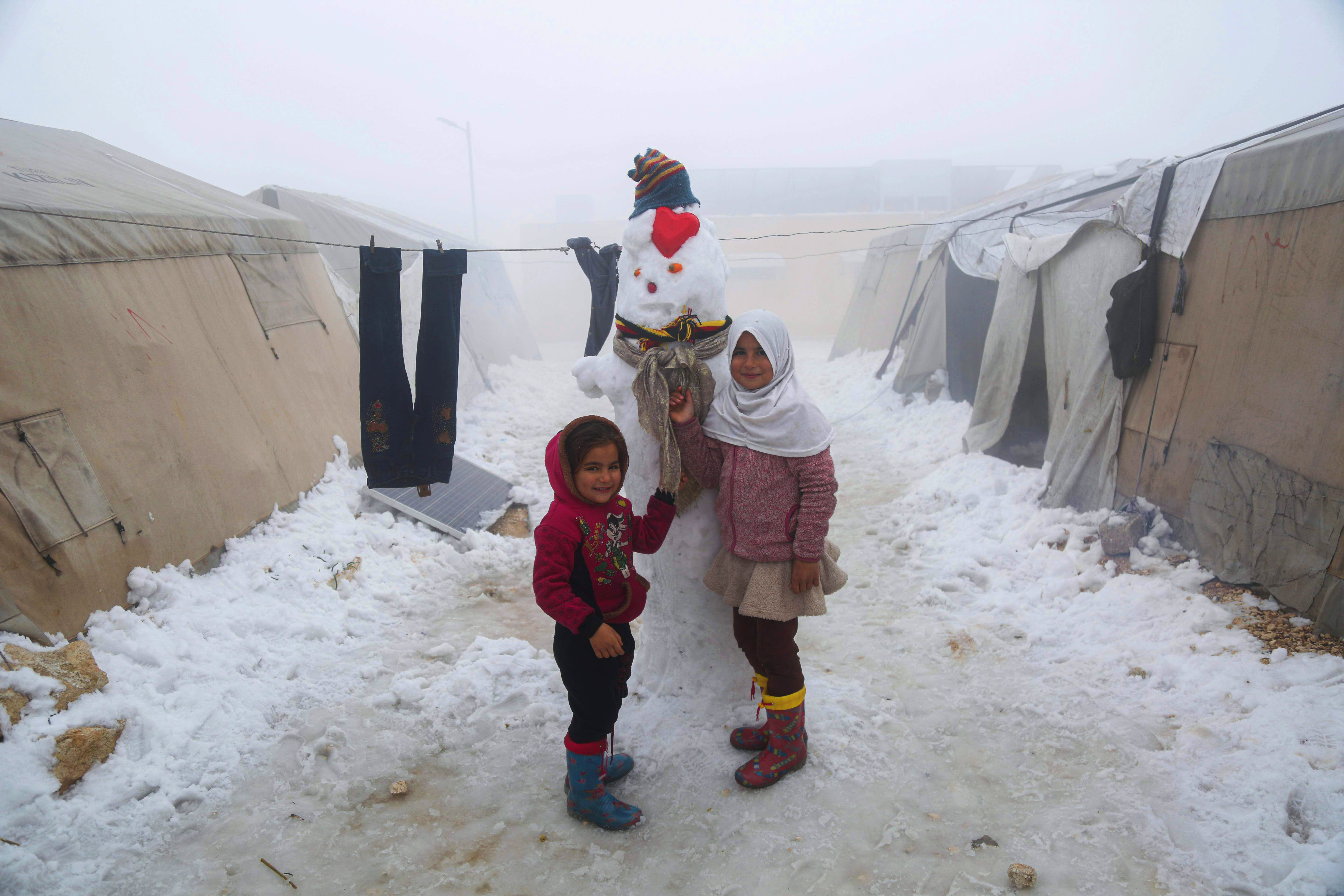
The snow fell thick and heavy in Idleb and Aleppo. Pretty white blobs of cotton. The children tried to get a grip on the slippery, slushy floor of this winter wonderland that destroyed homes in tents, schools in caravans. Yet there were snow fights, and someone made a snowperson with a heart. UNOCHA mobilizes and coordinates humanitarian assistance to people in need worldwide.
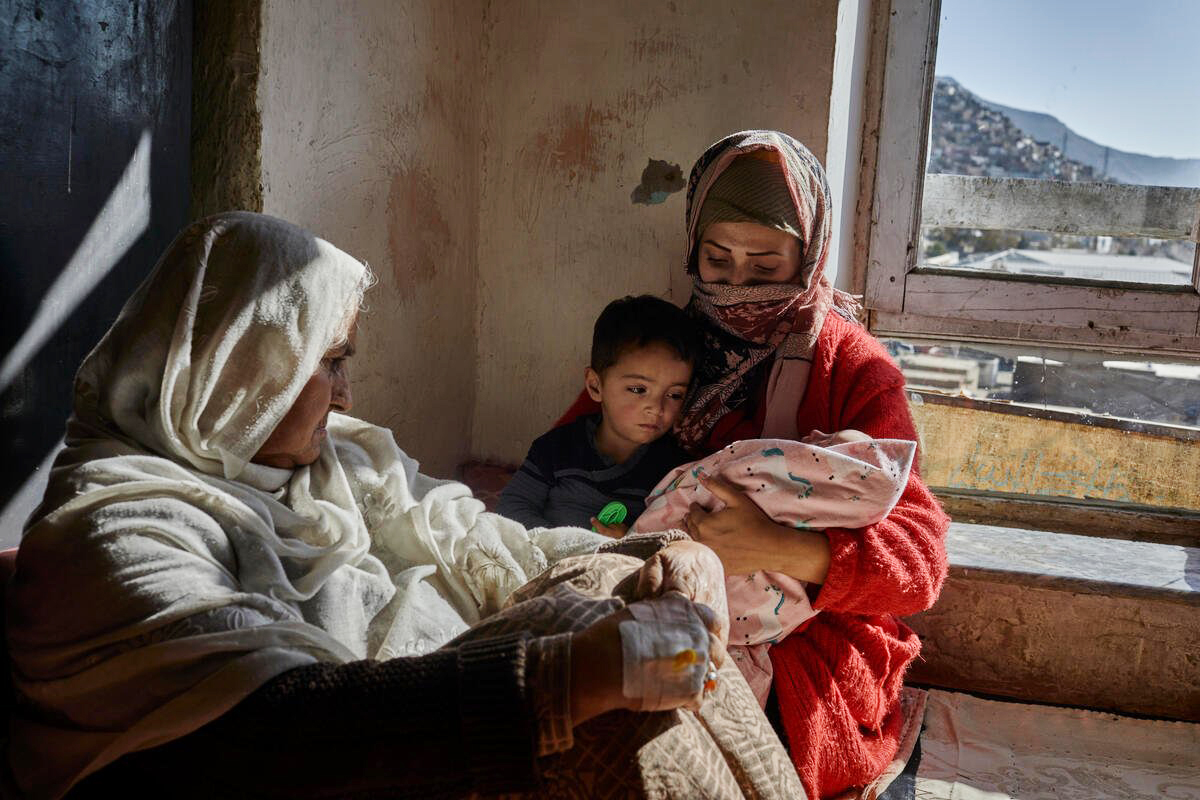
Afghanistan is on the brink of a humanitarian catastrophe. Following the withdrawal of US troops and the international sanctions imposed on the Taliban regime, the onset of the harsh Afghan winter has brought rising prices, and food has become increasingly scarce. Schools, clinics, and hospitals across the country have stopped functioning. The United Nations is launching a joint 2022 Afghanistan Humanitarian Response Plan and Regional Refugee Response Plan on 11 January at 11:30 CET. Watch the launch on UN WebTV.