
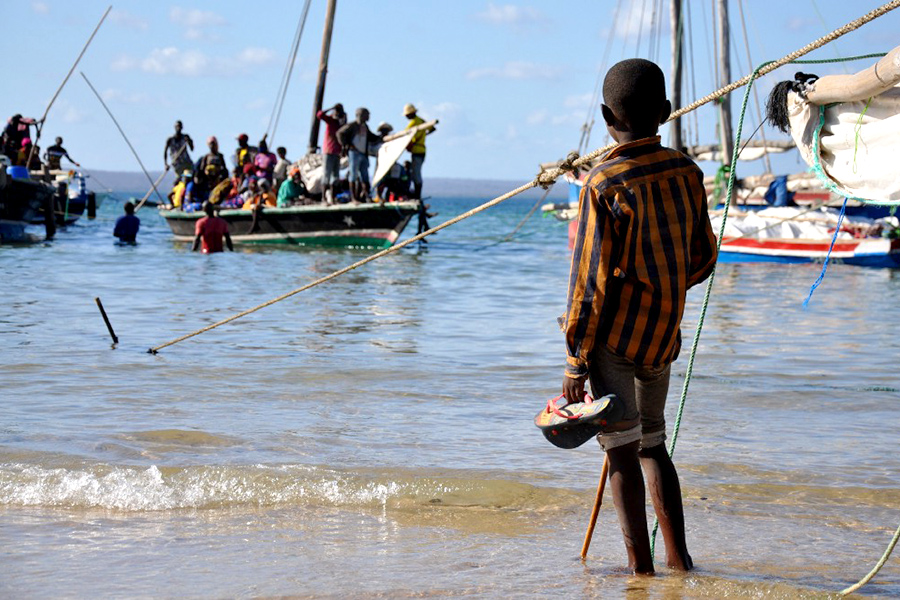
Mozambique: Assistance for families fleeing conflict in Cabo Delgado
Humanitarian Aid
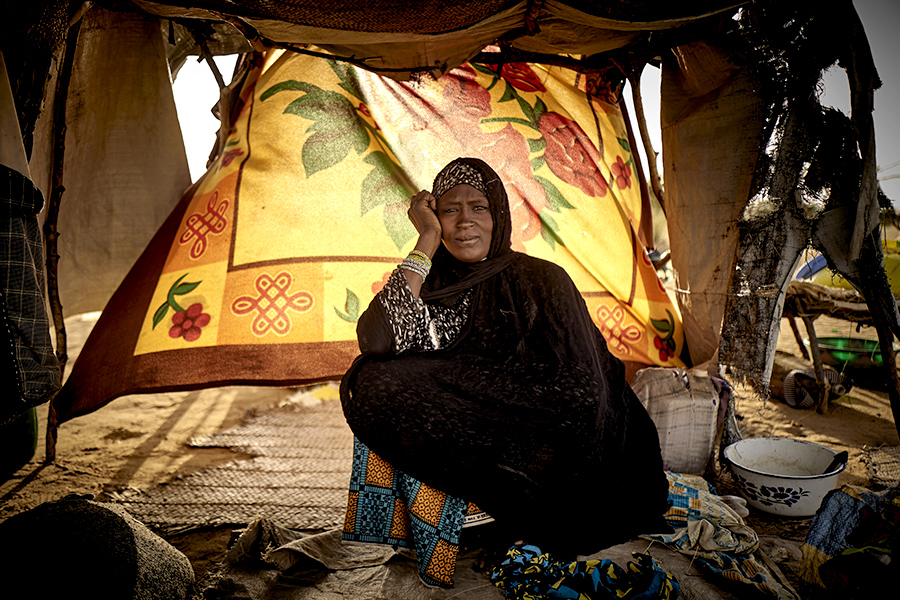
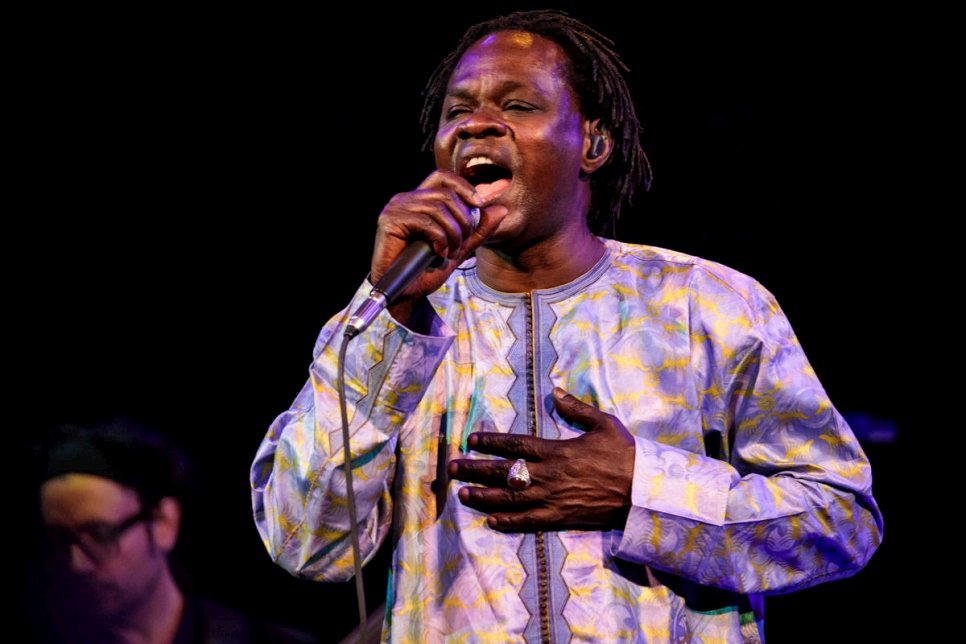
Senegalese musician, singer and UNHCR supporter calls for action to end world’s fastest growing displacement crisis: "My homeland – the Sahel – is on its knees, brought low by conflict, hunger and disease. I am called the ‘Voice of the Sahel’. For years, it has fed my poetry and music. Now I raise that voice to call on the world to stop the misery and suffering ripping this hard, but beautiful land apart." UNHCR says that across the region, over 2.7 million people have been forced to flee their homes. Shelter, water, sanitation, health, and other basic assistance needs are now immense.

As of being recognized by the Nobel Prize committee, WFP shares part of their success. A leading geographic information system is instrumental in supporting operations and access negotiations.


At the announcement of the World Food Programme (WFP) as the winner of this year’s Nobel Peace Prize, we revisit the Awake at Night episode when host Melissa Fleming spoke with David Beasley, Executive Director of WFP, about his own experience being sick with COVID-19 and why people should listen to the science. Mr. Beasley also explained why the pandemic is causing an spiraling epidemic of hunger. In his words, should the world fail to come together and invest in people everywhere, we may face "famines of biblical proportions."
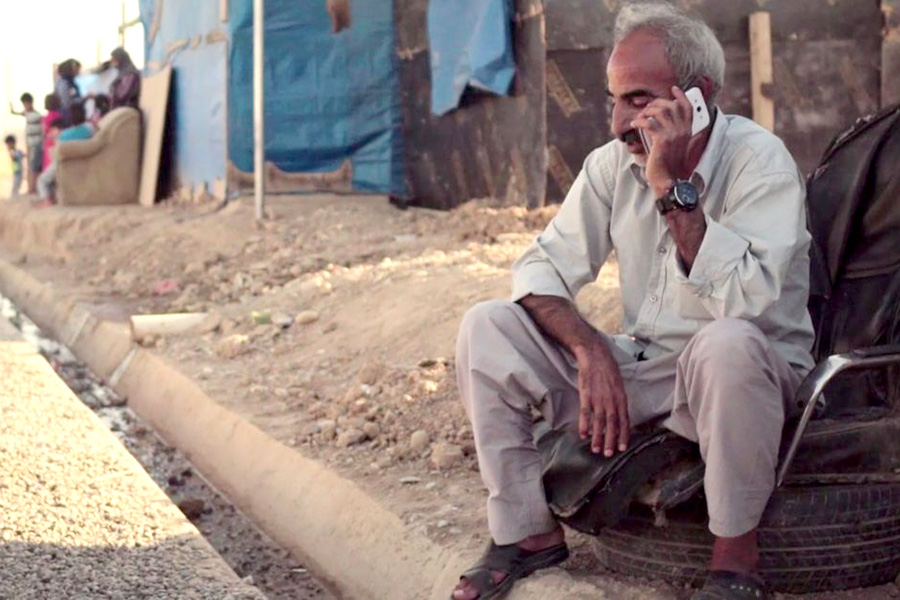
On behalf of local and international partners in Afghanistan and Iraq, UNOPS runs inter-agency information and accountability call centres. Awaaz Afghanistan and the Iraq Information Centre provide life-saving information to those affected by conflict or natural disaster. People can call – free-of-charge – to seek advice on shelter and food, request legal or cash assistance, report misconduct, and seek out mental health and psychological support for trauma or ending abuse.

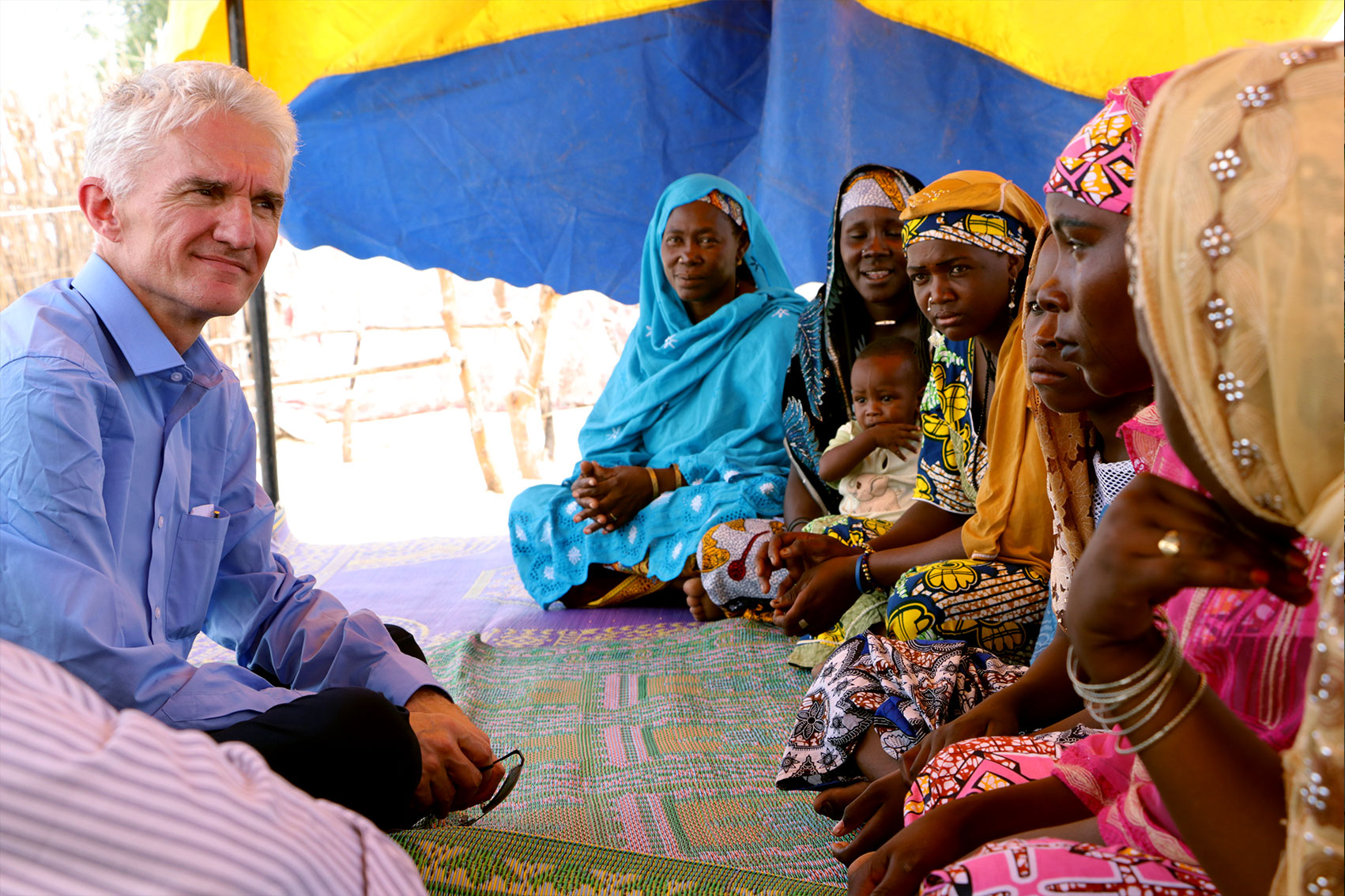
"One of the things I hold on to is most people on the planet have escaped from those problems, as the generations have passed. And when you're confronting the next bleak, horrible event, holding on to the fact that it's possible to escape…is invaluable.”
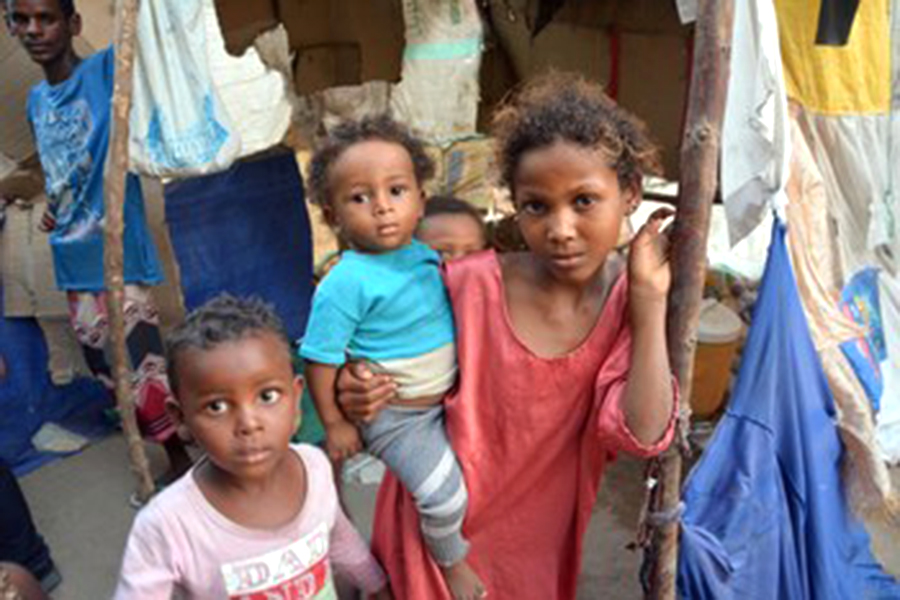
All parties to the conflict in Yemen - and the humanitarian catastrophe that it has created – are responsible for terrible crimes which should be investigated by an international criminal probe.
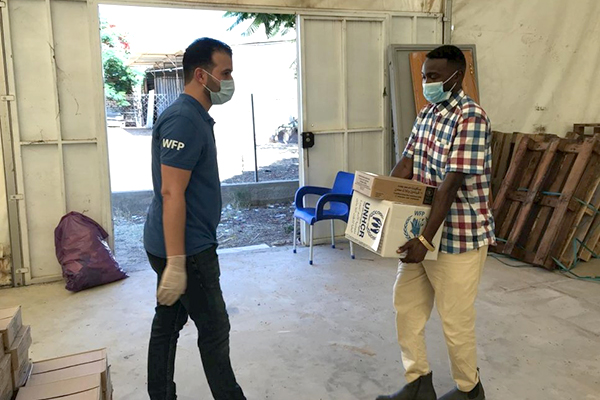
Charity, like the notions of volunteerism and philanthropy, contributes to the creation of inclusive and more resilient societies. Charity can alleviate the worst effects of humanitarian crises and helps spread the message of humanity in conflict situations. The International Day of Charity was established with the objective of sensitizing and mobilizing people, NGOs, and stakeholders all around the world to help others through volunteer and philanthropic activities. The Day is observed on 5 September in honour of Mother Teresa of Calcutta, nun and missionary devoted to helping the destitute.
Although Afghanistan’s COVID-19 crisis is “vast”, what people really want are jobs and security, according to a senior UN relief official.
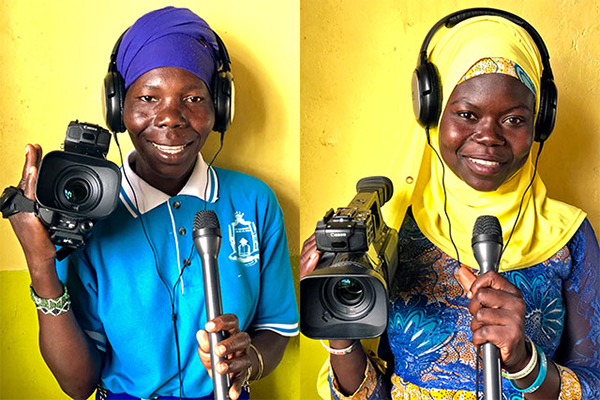
Women play critical roles when humanitarian crisis occurs. UN Women advocates for the urgent need to support women in humanitarian action. Women share their perspectives by video.

World Humanitarian Day is held every year on 19 August to pay tribute to aid workers who risk their lives in humanitarian service, and to rally support for people affected by crises around the world. This year, the already difficult work carried out by humanitarians has been made even more so by the COVID-19 global pandemic. We wish to pay tribute and offer the most heartfelt thanks to these #RealLifeHeroes who put everything on the line to help others, no matter how daunting the odds.