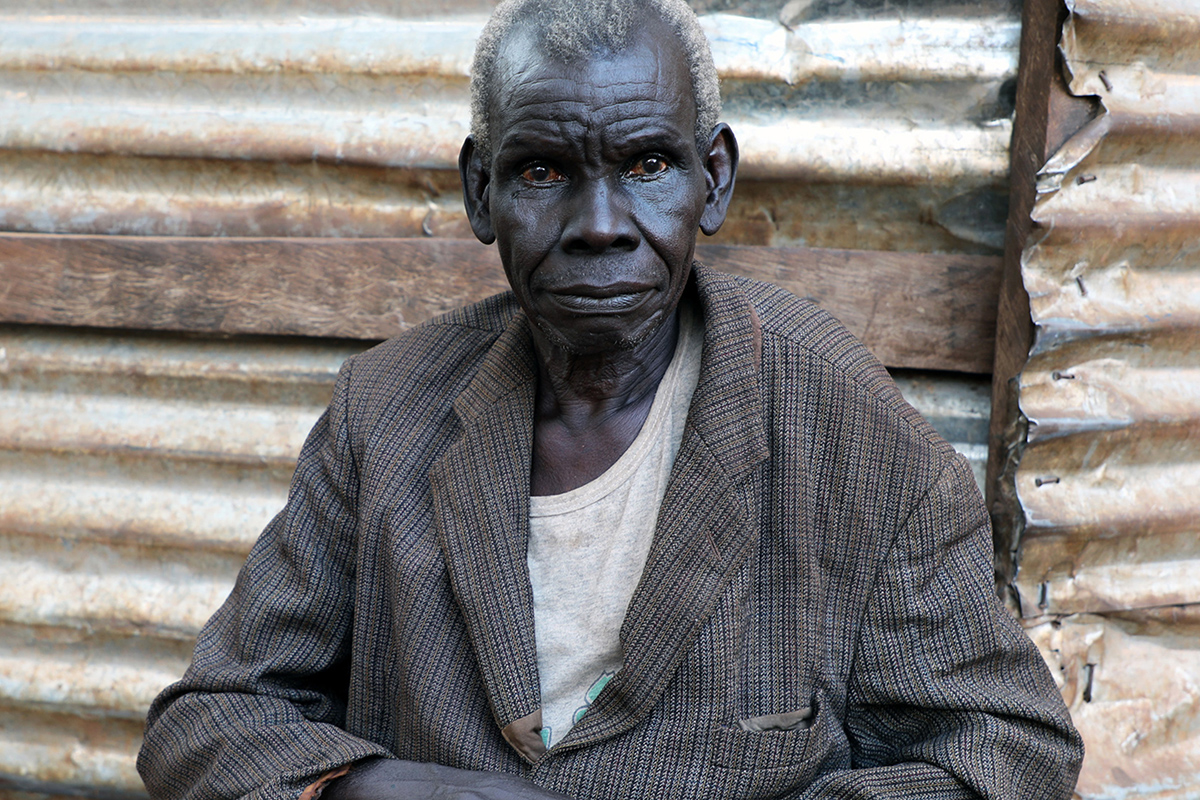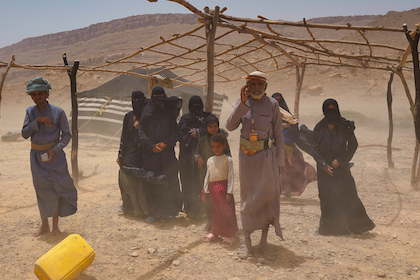
Yemen lays tragic claim to the world’s largest humanitarian crisis and aid operation. Two-thirds of the population, or 20.7 million people, need humanitarian assistance in 2021. Multiple emergencies have pummeled the country: violent conflict, an economic blockade, currency collapse, flooding and the COVID-19 pandemic in a country where only half of health facilities are operational. One woman dies every two hours during childbirth, an almost entirely preventable tragedy. More than a million pregnant and breastfeeding women are already acutely malnourished.
Humanitarian Aid
Legendary Sahelian artists together with UNOCHA have created and launched The Sahel Song.

“I've seen horrible things. I've seen massacres. Human suffering. These are not easy sights to see. The best way I found to deal with that is just to be determined to fix it in some fashion.”
UN Humanitarian Coordinator and Resident Coordinator for Yemen David Gressly has seen some of the worst of man's inhumanity to man during a career of more than 40 years in peacekeeping, humanitarian assistance and development. In this episode, he talks with podcast host Melissa Fleming about what has driven him to devote his life to helping the most vulnerable in some of the most fragile places on earth.
With more than 20 million people in need of assistance and a seven-year ongoing war, Yemen is among the world's worst humanitarian crises. But it’s not just conflict that threatens the Yemeni people. As David explains, every three days someone is injured or even killed by landmines or unexploded ordnance. During this eye-opening conversation, David shares his concerns about the dire situation in Yemen and the likelihood of being able to sustain the humanitarian response in the year ahead.
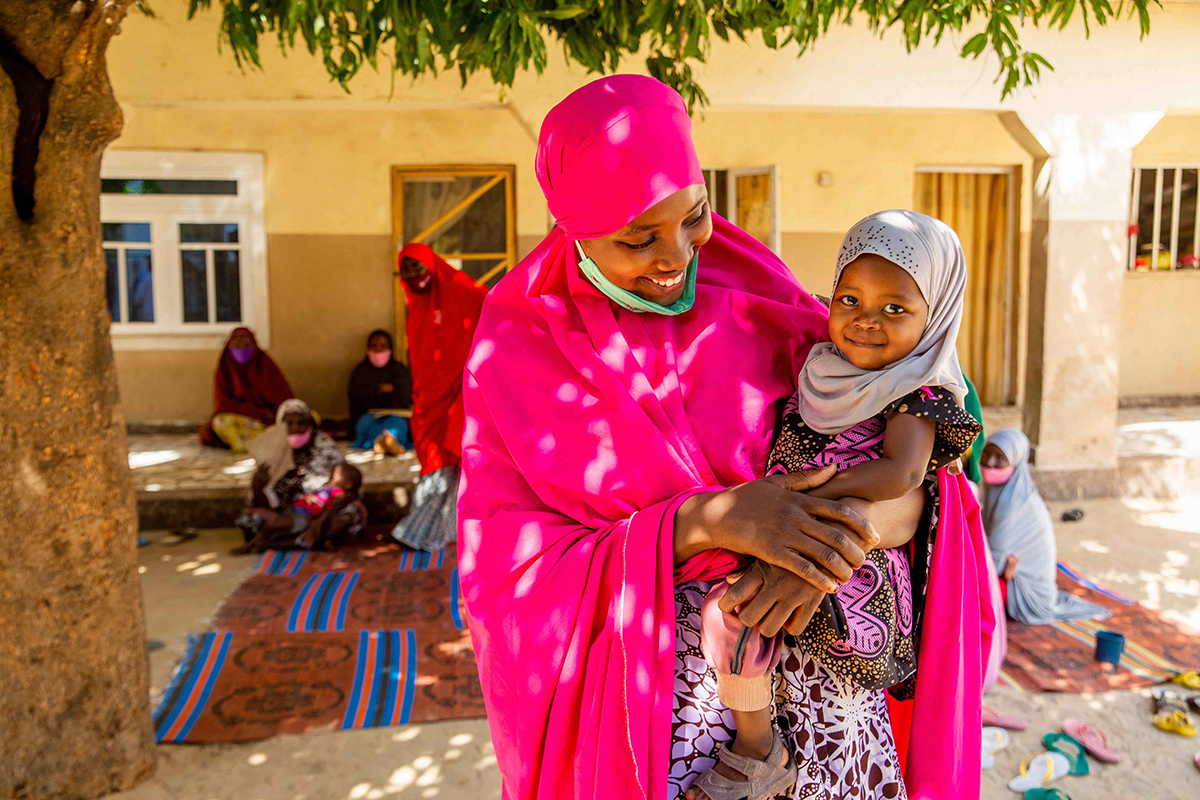
The humanitarian situation in the Sahel is deteriorating quickly and significantly. People’s needs across the region are now at unprecedented levels, and their vulnerabilities are deepening and increasing due to escalating conflict, rising food insecurity, multiplying climate emergencies and the pandemic. People across the Sahel show great resilience, generosity, solidarity and strength. But meaningful action and support are needed to shore up that resilience and help millions of people protect their communities and land. Here are 10 facts you need to know.
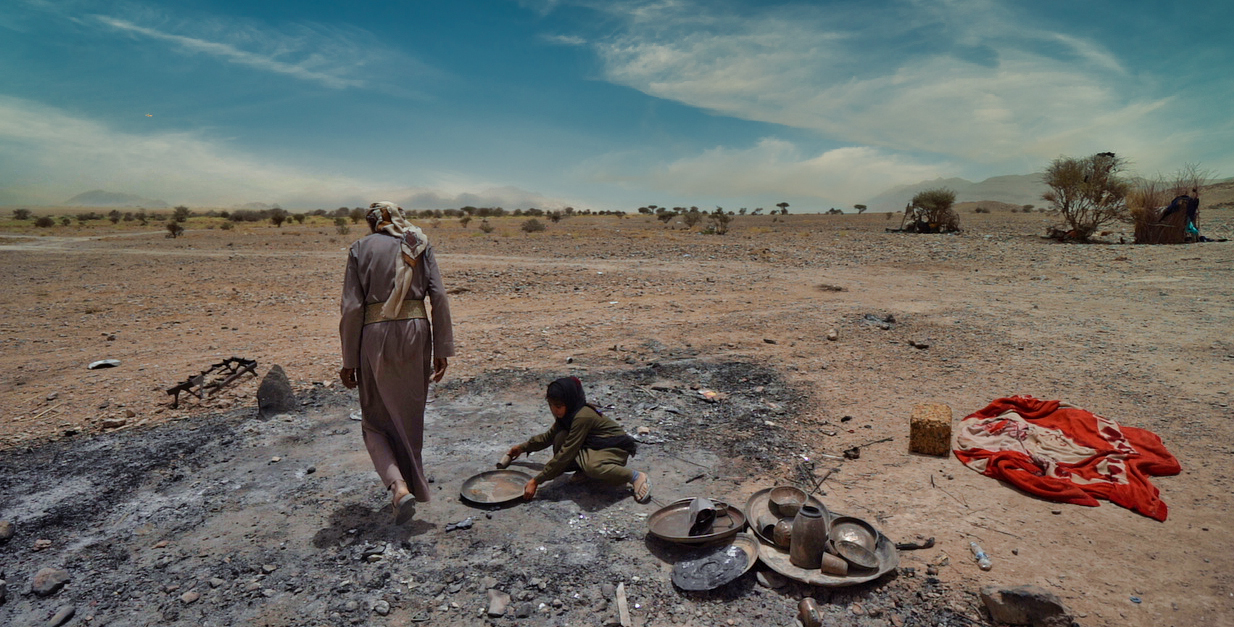
In July 2021, the Al-Ashur family tent burned down in the Om Elhadage internally displaced persons camp in Marib, home to 150 people. The Al-Ashurs – a grandfather, two parents and 7 children – had come to the camp when fighting near their home close to the front lines intensified, forcing them to leave. The family slept in the open air until a UNFPA-led Rapid Response Mechanism (RRM) team, while distributing emergency relief, volunteered to help rebuild the family’s temporary home, completing it in 48 hours.
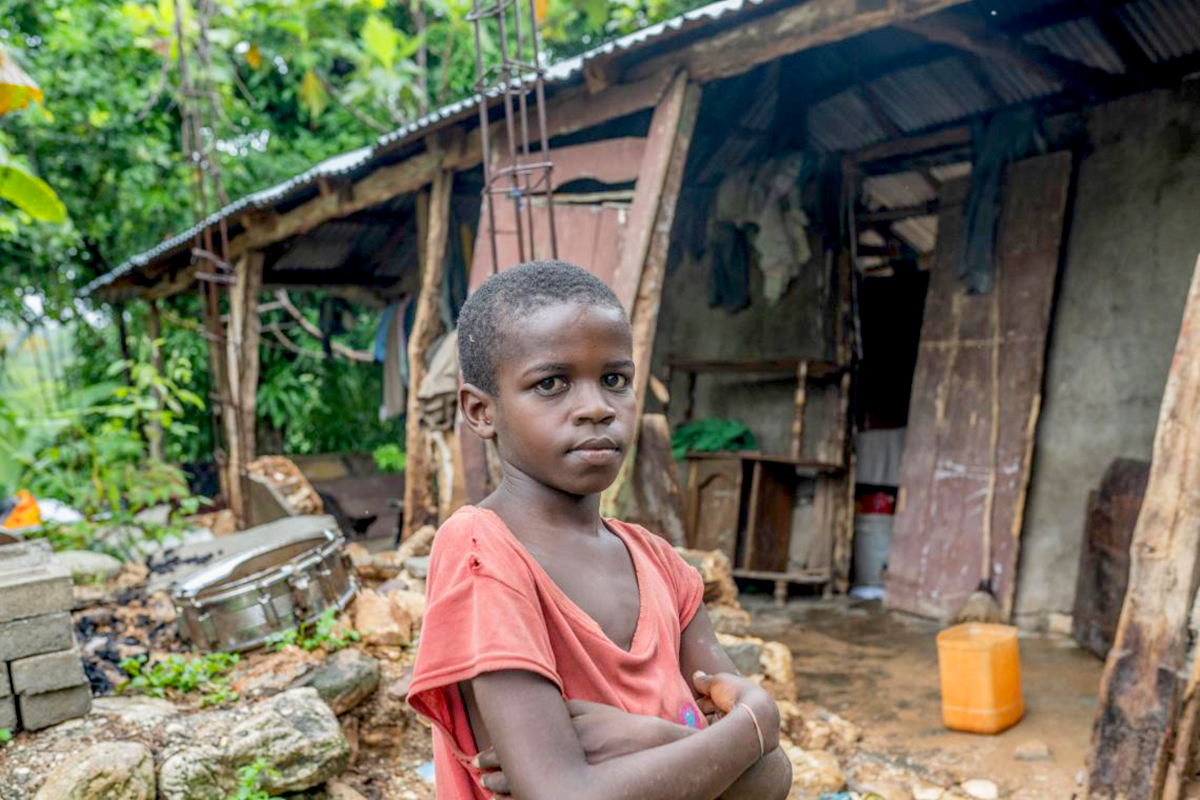
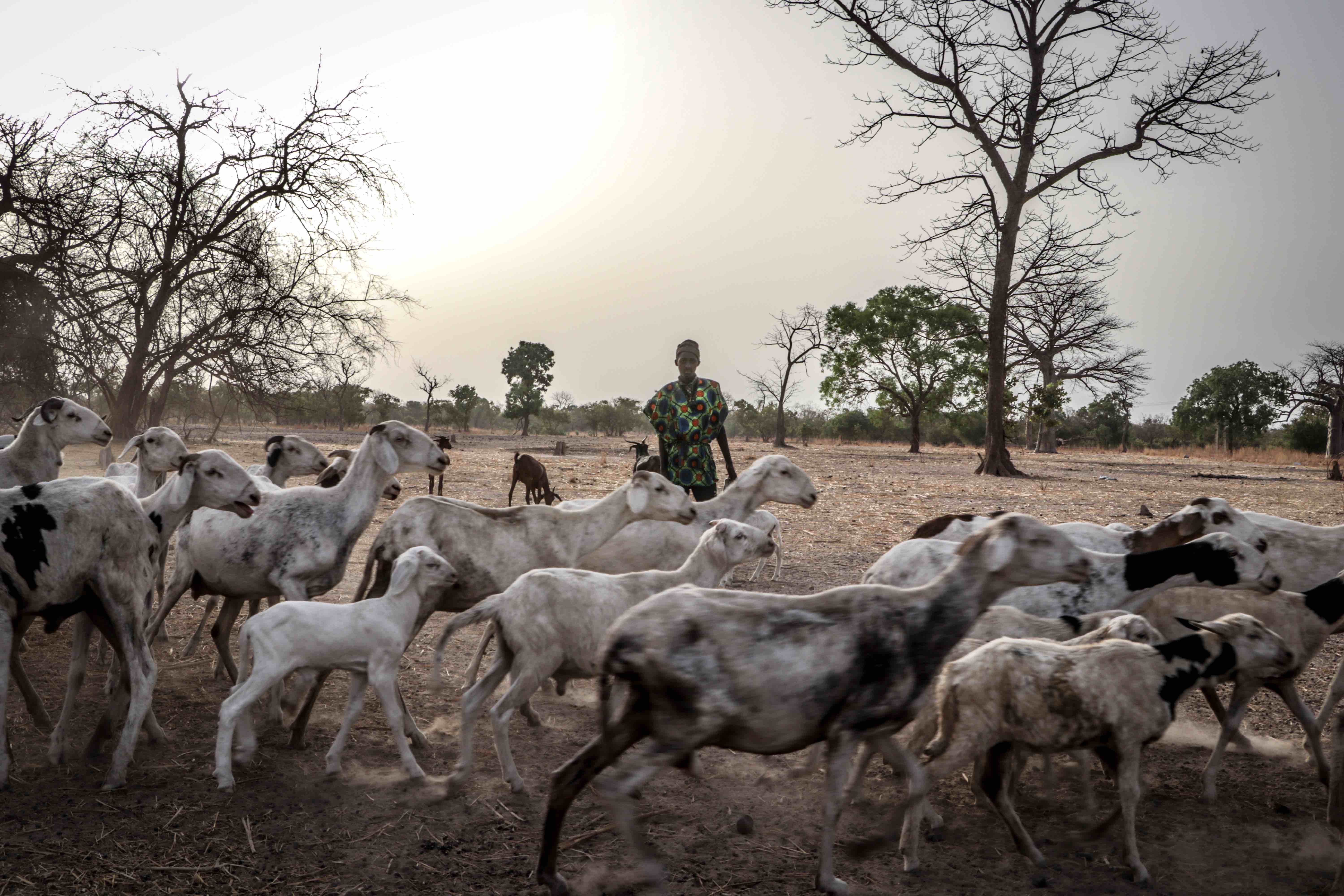
In West and Central Africa, climate change is experienced through rising temperatures, droughts and destructive floods, strongly affecting people’s well-being. The United Nations mobilizes and coordinates humanitarian assistance to people in need worldwide.

Charity, like the notions of volunteerism and philanthropy, provides real social bonding and contributes to the creation of inclusive and more resilient societies. Charity can alleviate the worst effects of humanitarian crises, supplement public services in health care, education, housing, and child protection. In recognition of the role of charity in alleviating humanitarian crises and human suffering, as well as of the efforts of charitable organizations and individuals, including those of Mother Teresa, the United Nations designated 5 September as the International Day of Charity.
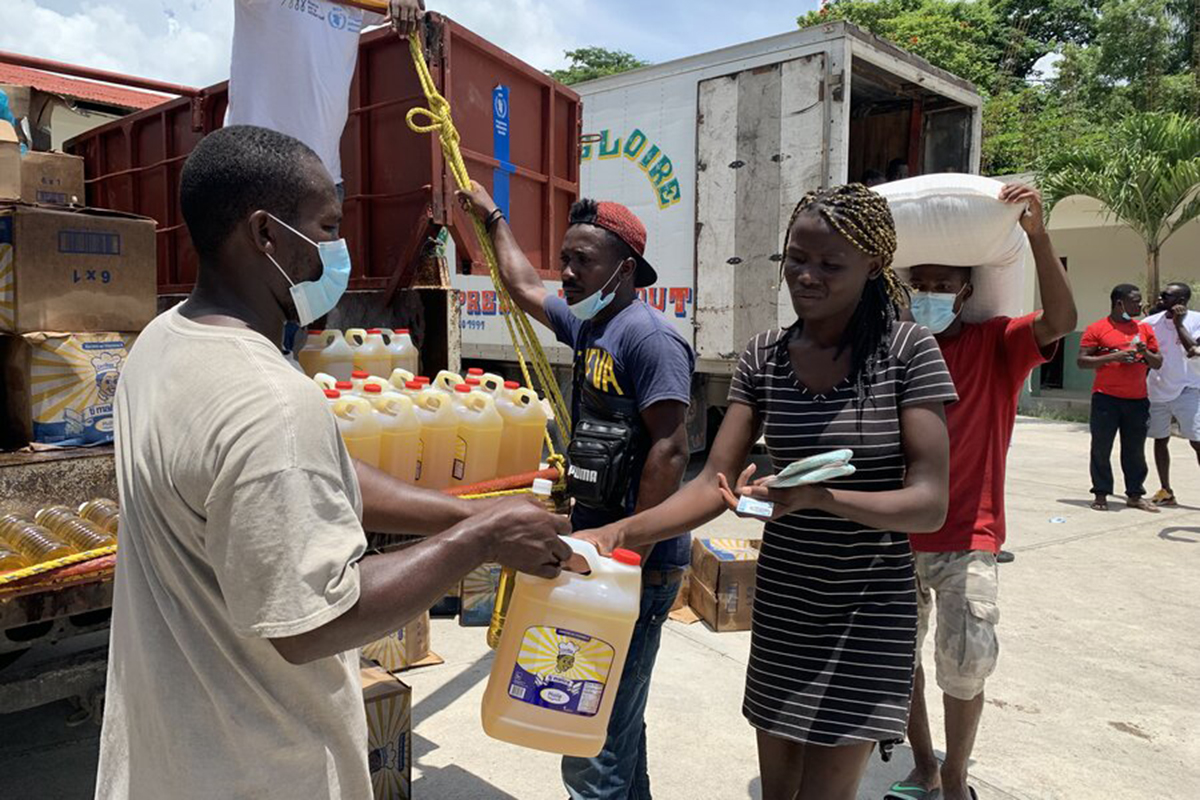
Since the southern departments of Haiti were hit a by a 7.2 magnitude earthquake, WFP has provided 8,000 hot meals to patients, their families and medical staff in hospitals.
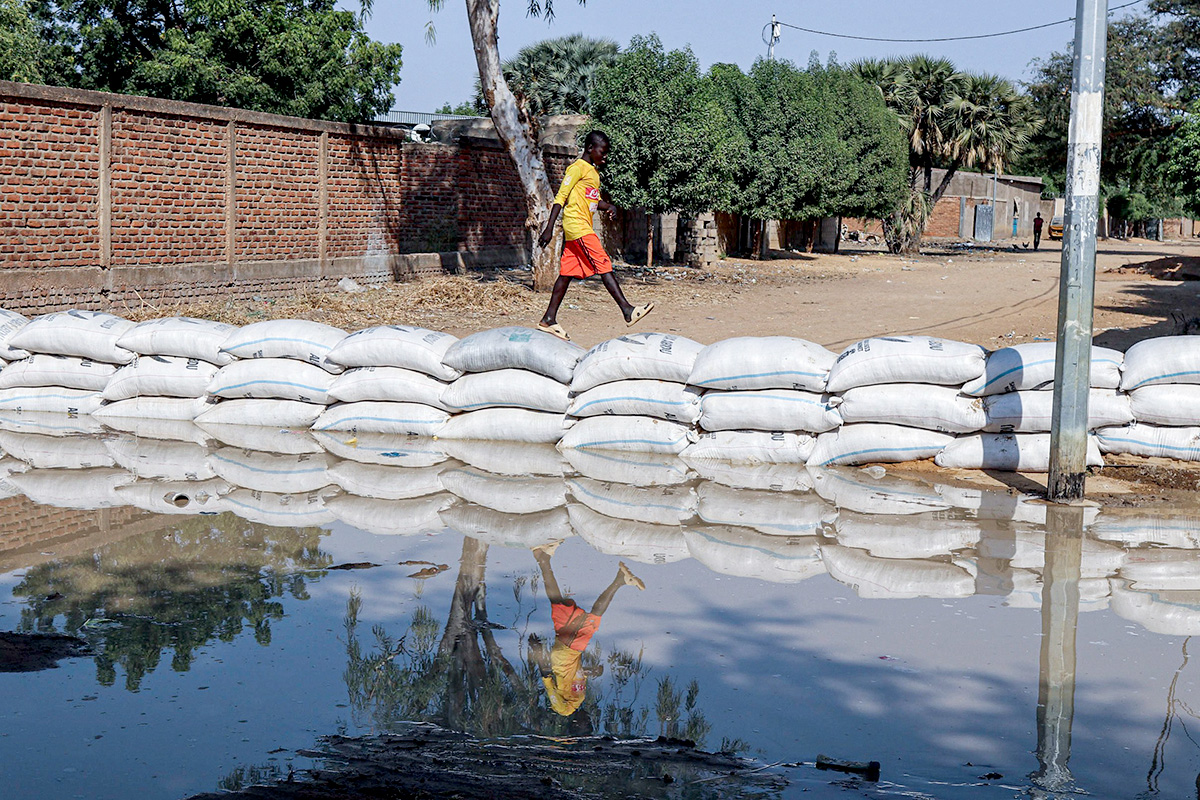
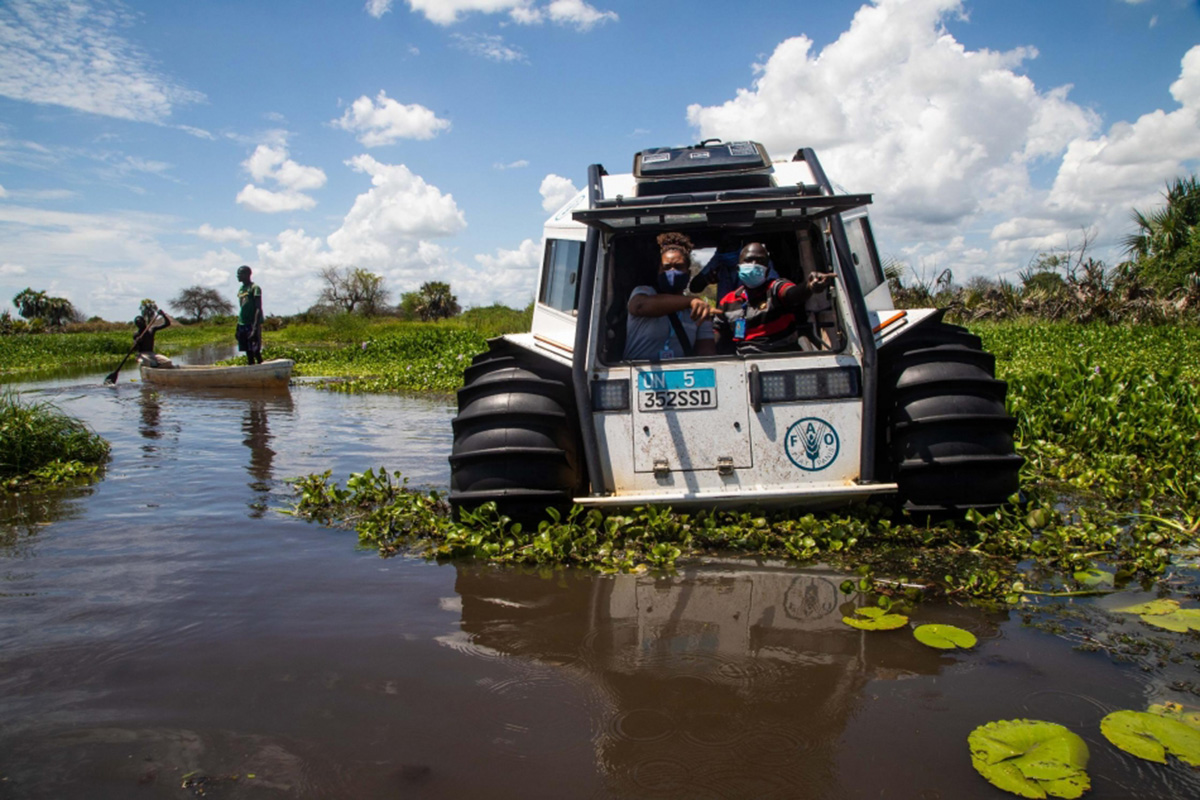
Increasing water levels due to heavy rainfall have isolated communities in South Sudan. FAO uses All-Terrain Vehicles for rapid response missions in hard-to-reach locations.
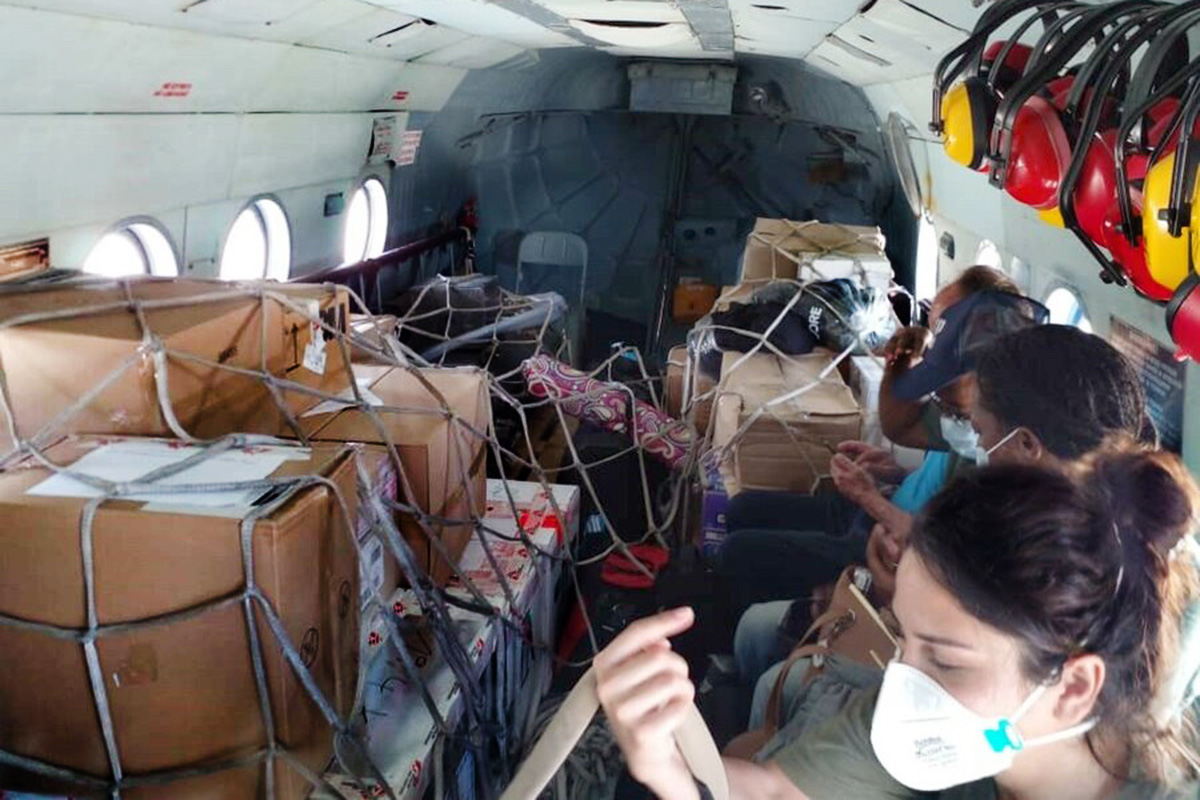
WFP is working around the clock to respond after a 7.2 magnitude earthquake rocked Haiti killing some 1,300 people, leaving up to 5,000 people injured. Numbers are expected to rise as search and rescue operations continue. In a tweet, WFP Haiti said the WFP-managed United Nations Humanitarian Air Service helicopter was on hand, supporting the government and agencies on the ground. Thanks to USAID, WFP has 3,500 metric tons of food pre-positioned across the country to respond swiftly in case of disasters. These existing supplies can support up to 270,000 people for one month.

Seven projects in 2020 helped provide seed funding for income-generating activities to put victims on the path to sustainable economic empowerment and independence.