

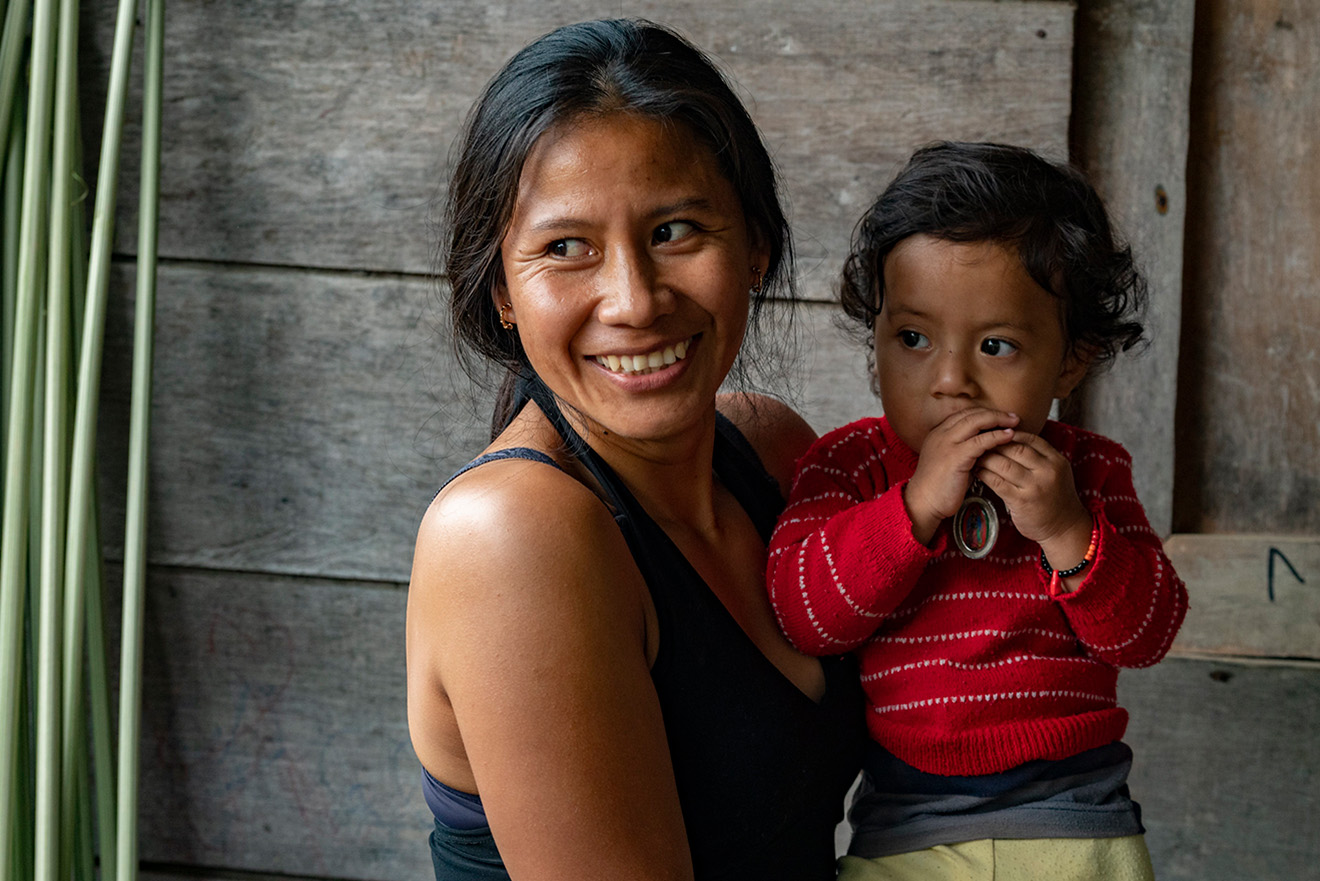
For generations, Indigenous midwives have nurtured life, protected knowledge, and strengthened communities through holistic traditions rooted in culture, spirituality, and a deep connection to their lands. This International Day of the World's Indigenous Peoples (9 August), we honour their invaluable contributions to families, celebrate Indigenous knowledge systems, and explore why protecting Indigenous-led care is essential for the well-being of present and future generations. Join our online event on 10 August at 8:30 a.m. EDT (New York time)!
Indigenous Peoples

In Peru's Oxapampa–Asháninka–Yánesha Biosphere Reserve, Indigenous and rural women are protecting native stingless bees while strengthening biodiversity, food security, and local livelihoods. Through UNESCO and Guerlain's Women for Bees project, participants receive training and resources to practice sustainable meliponiculture, combining traditional knowledge with modern techniques. The initiative empowers women with new skills, income opportunities, and leadership roles while helping conserve vital pollinators threatened by habitat loss, pesticides, and climate change.

In the Solomon Islands, the Kira tribe has secured a landmark victory for Indigenous-led conservation after years of resisting destructive logging and fighting to protect their ancestral rainforest. Led by community leader Andrew Taraha, the tribe combined traditional knowledge, grassroots organizing, and scientific biodiversity research to establish the Kira Forest Biodiversity Conservation Area in 2023 — the first protected tribal land in Malaita province. Supported by the UNDP-backed Global Environment Facility Small Grants Programme, the initiative safeguards nearly 700 hectares of rainforest, endangered species, freshwater sources, and sacred cultural sites while inspiring neighboring communities to pursue their own conservation efforts

For centuries, Indigenous Peoples and local communities in Kenya have relied on herbal medicine to care for their families, drawing on knowledge passed from elders to children. Today, that wisdom is at risk—often ignored or exploited—just as forests and sacred landscapes disappear. Through community-led projects supported by the United Nations Development Programme’s GEF Small Grants Programme, healers like herbalist Roda Saaya and community elder Lekerio Sakui are protecting health and heritage. By documenting remedies, restoring forests, and mentoring youth, communities show that healing people and healing nature are inseparable, and that care, culture, and biodiversity must endure together for future generations.

Join indigenous leaders, UN bodies, NGOs, and global partners at the 25th session of the UN Permanent Forum on Indigenous Issues (20 April - 1 May 2026, New York). This year’s Forum focuses on Indigenous Peoples’ health and provides a platform for them to engage on policies that impact their lives. Alongside the 10-day programme, the Forum hosts multiple events, including an Indigenous-led reporting and media engagement zone. Established in 2000, the Forum advises on key issues like socioeconomic development, culture, environment, health, education, and human rights. Follow the sessions on UN Web TV.
Indigenous Peoples and traditional communities in Acre, Brazil, are pioneering forest conservation — and shaping how climate finance is used to keep their forests standing. Told through their own voices, UNDP's documentary reveals how they navigate daily realities while protecting Acre’s Amazon Forest for future generations.

As dawn breaks over the Ororubá Mountains in Pernambuco, Brazil, Indigenous youth from the Xukuru do Ororubá people work in a nursery, reviving native plant species, especially those with medicinal value. Led by Ângela Neves Pereira (“Bella”), they aim to restore not just the land but their cosmogony, identity, culture and balance. Since 2023, the Xukuru people and the Food and Agriculture Organization (FAO) have collaborated on Indigenous Peoples' biocentric restoration, a method that prioritizes the well-being of all living things within an ecosystem. Supported by Brazil’s government and FAO’s AIM4Forests programme, this initiative enhances Indigenous knowledge and aims to restore at least 30% of degraded ecosystems by 2030.

UNOPS is completing 62 Indigenous and Quilombola schools across Brazil, blending traditional knowledge with modern education to empower youth, preserve cultural identity, and promote sustainable development.

From the Amazon to the Arctic, Joenia Wapichana and Sara Olsvig are demanding that the shift to sustainable energy respect Indigenous rights, knowledge, and self-determination.

The weaving practices of these communities in Cameroon are being revitalized to preserve cultural heritage and promote economic autonomy.

UNESCO brought together two of Africa’s remaining hunter-gatherer communities to test the CyberTracker application that allows users to record animal tracks, signs, and ecological data.

Without a doubt, artificial intelligence is helping Indigenous Peoples in many ways, from revitalizing their culture to empowering youth and strengthening climate resilience. However, without their full participation, AI can deepen bias and exclusion within these communities. This International Day of the World’s Indigenous Peoples (9 August) calls for shaping an AI that is inclusive, ethical, and just. Let’s recognize Indigenous Peoples as rights-holders, co-creators, and decision-makers in the development and governance of AI. Join our online event and spread the word!
The rights of Indigenous Peoples are being discussed at the Human Rights Council in Geneva (14–18 July), with a focus on their rights with regard to data collection and disaggregation and their rights to maintain their traditional economies. The session will also review national efforts aimed at implementing the UN Declaration on the Rights of Indigenous Peoples. This is the 18th session of the Expert Mechanism, which advises the Council and supports Member States in advancing the Declaration’s goals.
Ms. Sara Olsvig, International Chair of the Inuit Circumpolar Council, addresses critical issues facing Inuit communities in the Arctic, including her home country of Greenland. She served on the UN Secretary-General’s Panel on Critical Energy Transition Minerals in 2024 and is a speaker at the 24th Session of the Permanent Forum on Indigenous Issues (21 April – 2 May 2025), focusing on financing Indigenous participation in critical minerals.

Join indigenous leaders, UN bodies, NGOs, and global partners at the 24th UN Permanent Forum on Indigenous Issues (21 April–2 May 2025, New York). This year’s Forum will spotlight successful initiatives and ongoing challenges in advancing the rights of indigenous peoples within UN Member States and the UN System. Established in 2000, the Forum advises on key issues like socioeconomic development, culture, environment, health, education, and human rights. Alongside the 10-day program, the Forum will host side events and an Indigenous Media Zone for Indigenous-led reporting and media engagement.