
Olinda Silvano is an artist and leader in a Shipibo-Conibo indigenous community in Peru’s capital city, Lima. She is determined to overcome the challenges she and her people face, including discrimination, lack of social protection and housing. She believes education is the best inheritance we can give. Explore the full multimedia story on ILO’s Voices.
Indigenous Peoples
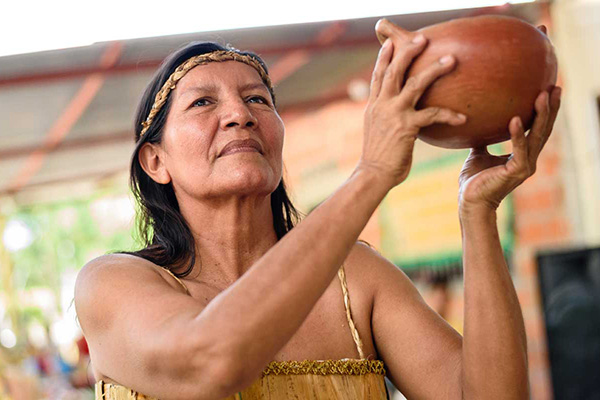
With IFAD’s Indigenous Peoples’ Forum around the corner, IFAD focuses on native communities across the world. First up, we hear from IFAD’s Ilaria Firmian, a Senior Technical Specialist on Indigenous Peoples, then a discussion on gender and land rights, climate change and food with indigenous chefs, activists, and experts. We learn more about free, prior and informed consent and hear from IFAD Goodwill Ambassador Sabrina Dhowre Elba and climate reporter Qasa Alom in Bangladesh.
Photo: © IFAD/Michael Benanav
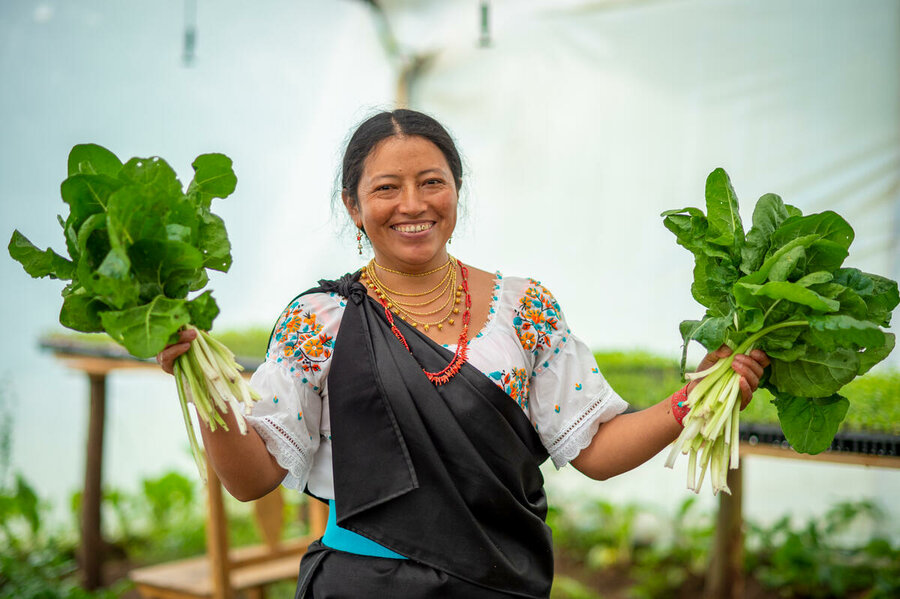
Indigenous women like this Ecuadoran farmer have precious ancestral knowledge about growing and using traditional foods. They are the backbone of their families and communities — and make up roughly one-eighth of Latin America’s rural population. Even more crucially, perhaps, they keep and transmit precious ancestral knowledge on growing and using traditional foods, whose importance is only now being recognized. Yet the vital role the region’s Indigenous rural women play in their communities and society is very seldom acknowledged, much less celebrated. WFP helps to support Indigenous rural women to overcome historic barriers, fully harness the ancestral wisdom they carry, and contribute on an equal footing to the life of their communities.
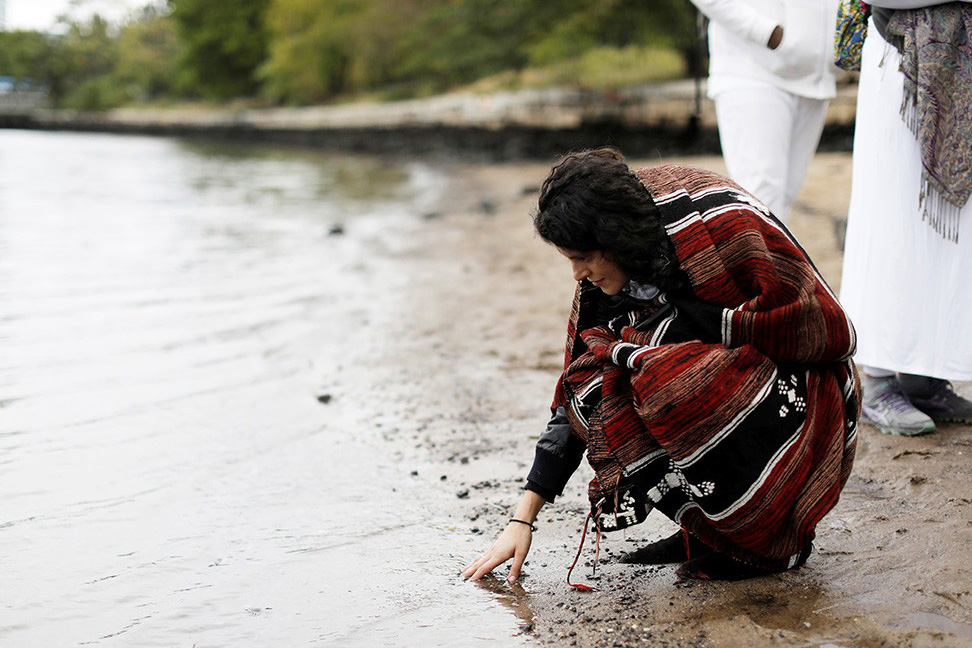
Indigenous peoples offer us valuable ways to address the global water crisis through their traditional practices, both in terms of the sustainable management of aquatic ecosystems and the democratic governance of safe drinking water and sanitation. In the worldviews of indigenous peoples, water belongs to everyone and should remain available to all, as a common good. Voicing their concerns, indigenous peoples pointed out numerous challenges on water rights they face that have undermined their access to clean water and proper sanitation, according to a new OHCHR report.
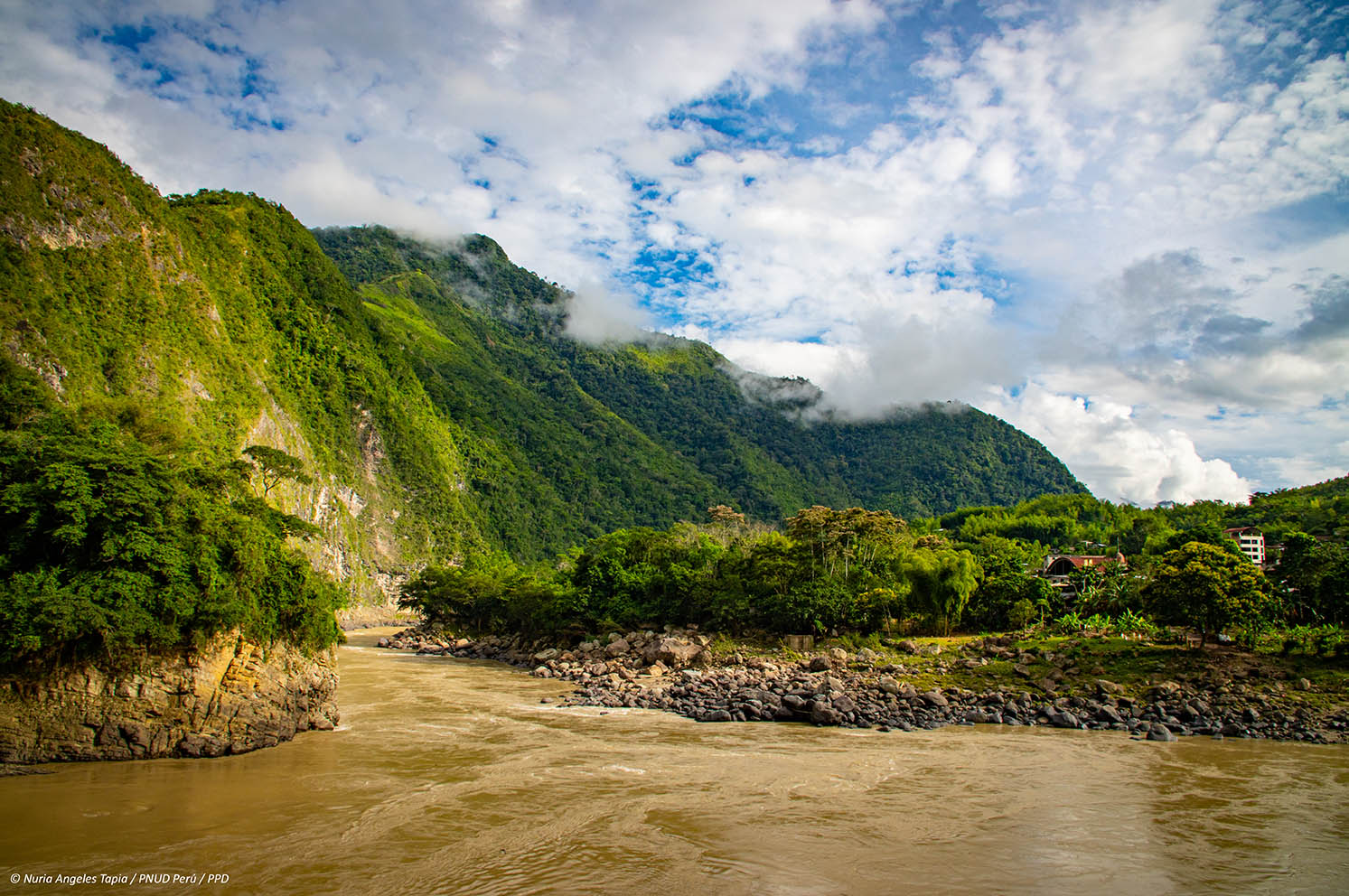
The Wampís Nation protects the largest tropical forest in the world, and today, after decades of intense fighting to defend the land, they are leading a powerful effort to confront the water crisis by protecting the “flying rivers”. The Wampís Nation’s forests cover more than 1.3 million hectares within Peru, but through the flying rivers, they supply water for three countries. Flying rivers are caused by the sheer scale of evaporation and transpiration in the forests. The forests preserved by the Wampís Nation ensure water security for regions at risk of drought.
After successfully reclaiming her people’s territory in Quebrada de Humahuaca, Northern Argentina, Celestina Ábalos turned to tourism to share and promote her indigenous culture. ILO entrepreneurship training during the COVID-19 pandemic helped her business to grow. See the full story on ILO Voices.
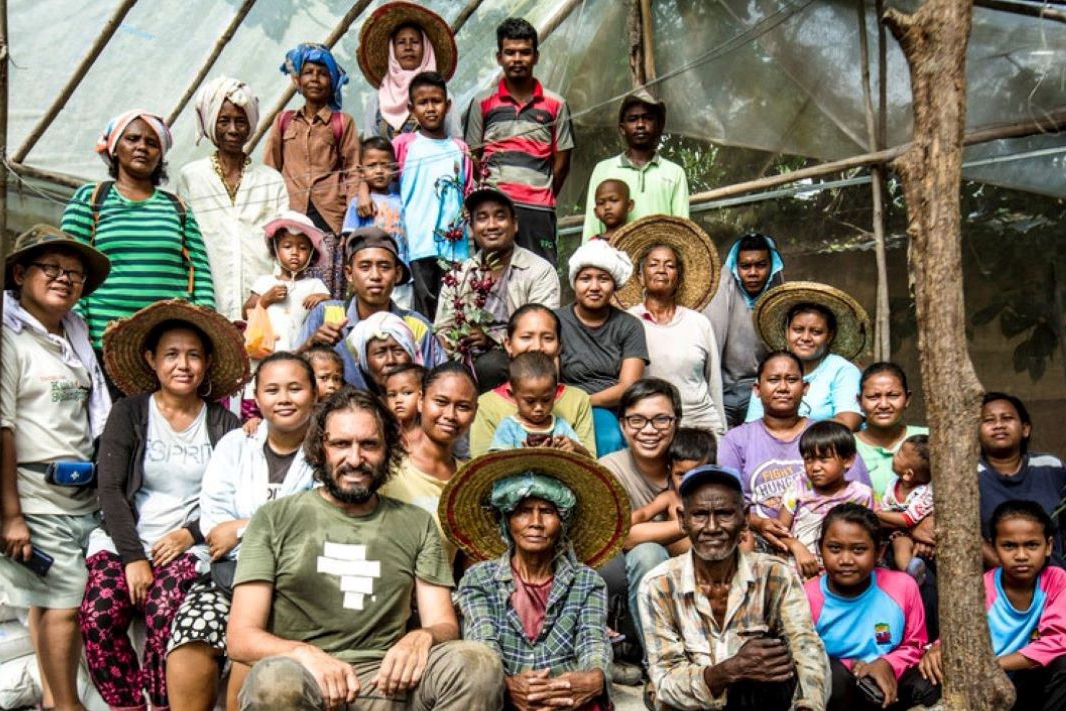
Indigenous peoples use language in a powerful way to describe Mother Nature. IFAD presents five unique words indigenous peoples use to describe the natural environment.

In the Yunnan Province, the Bai and Naxi women reached an agreement in favor of the sustainable collection of morille mushrooms. The mushrooms can only be picked when they are more than 5cm in size and are open and dispersed to allow the mushrooms to fully release their spores. Furthermore, the women patrol and supervise possible theft of wood and herbs. China’s ethnic minority women play a vital role in protecting traditional knowledge and cultural heritage. Since 2010, more than 41,800 people belonging to China’s ethnic minorities have been supported by the GEF/SGP implemented by UNDP.
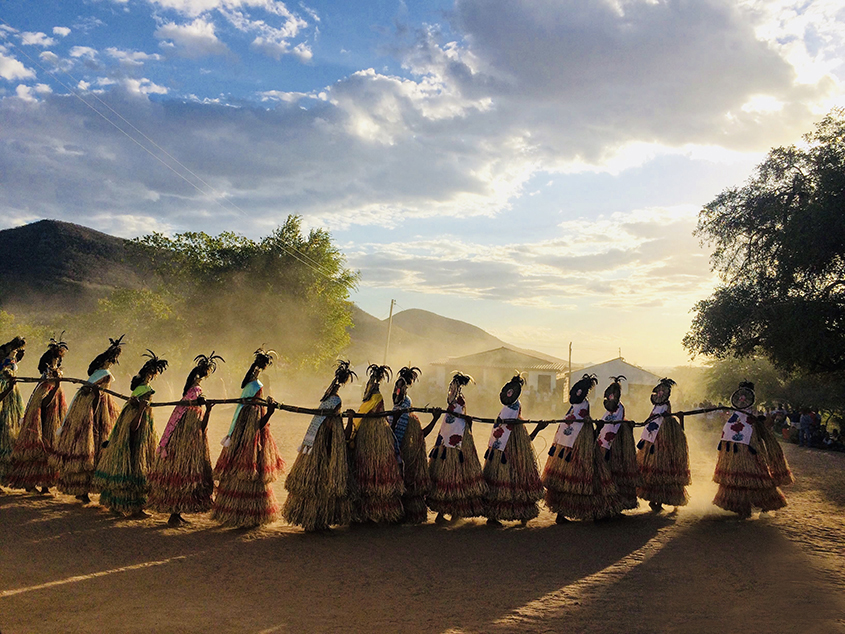
The WIPO Photography Prize encourages Indigenous and local community youth to express themselves on climate change and climate action – while raising their awareness on how copyright can be used to protect their creativity expressed in the photographs. Among the hundreds of applications received, Joanderson Gomes de Almeida, 30, an indigenous Pankararu from Brazil was chosen as the first place winner of the competition. His photograph shows a tradition called the Pulling of the Vine, which helps to predict whether the coming year will be one of good harvests, abundance and good rains.
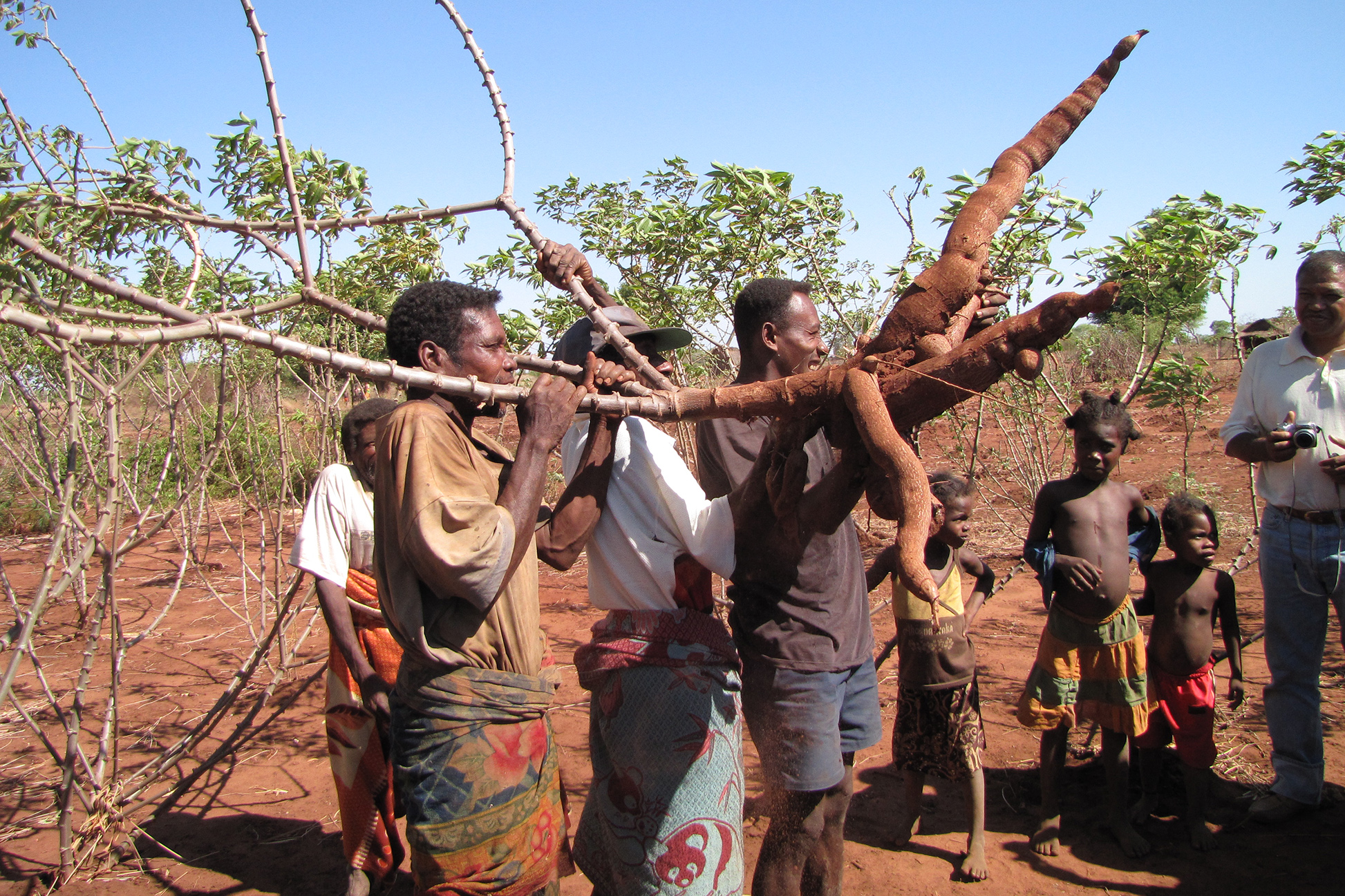
Tafo Mihaavo is the national network of local communities in Madagascar practicing customary natural resource management. Established in 2012, Tafo Mihaavo has more than 600 members who work in ecosystem safeguarding and restoration across 22 regions. Tafo Mihaavo has developed strategies on community natural resource management to enhance the legal recognition of local community rights. Indigenous peoples and local communities are environmental stewards of many of the world’s biodiversity and cultural hotspots. With the territories and areas conserved by indigenous peoples and local communities accounting for approximately 32 per cent of ecologically intact global land, studies show that global biodiversity goals cannot be met without them.

From 2022 to 2032, the United Nations marks the International Decade of Indigenous Languages. Its goal is to draw global attention to the critical situation of many indigenous languages and to mobilize stakeholders and resources for their preservation, revitalization and promotion. UNESCO, the leading agency for the decade, will offer an online platform to build a global community for indigenous languages, facilitate information-sharing on activities and events, promote relevant resources, report progress made, and create new opportunities for dialogue. Stay tuned!
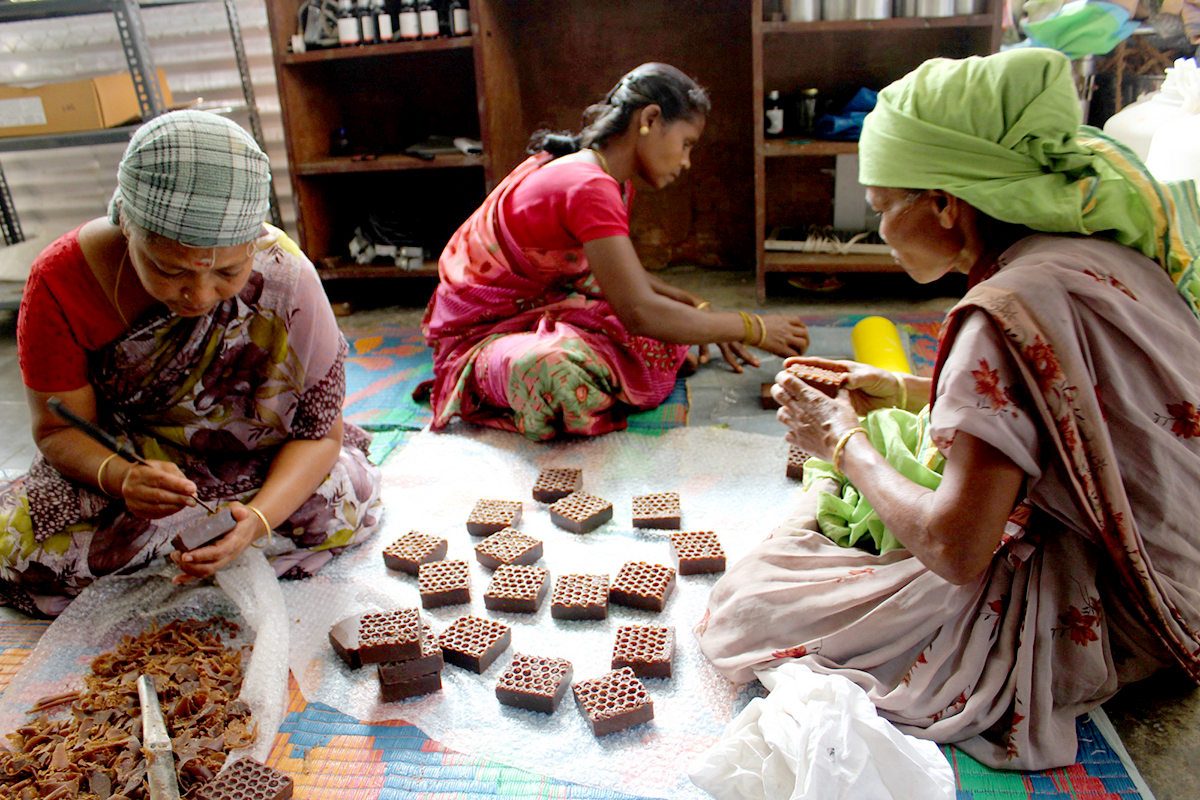
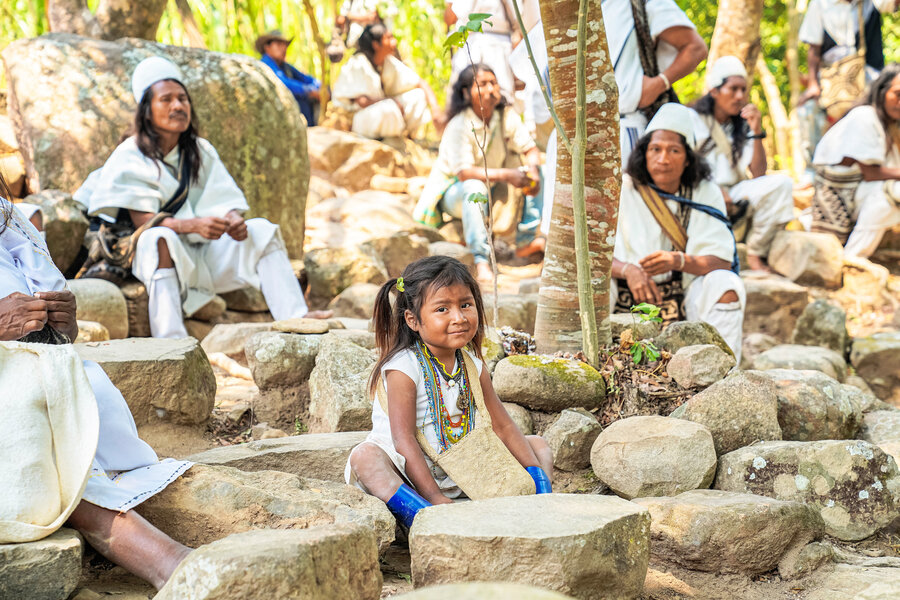
The social, economic and health impacts of COVID-19 add to the ongoing challenges faced by the Arhuaco indigenous people in the north of Colombia, including severe drought and shortage of water for agricultural production, due to climate change. WFP’s support has brought welcome relief to hundreds of indigenous families. Each family was given a toolbox for setting up a garden, with WFP’s technical assistance.

This International Day of Indigenous Peoples (9 August), let’s demand indigenous peoples’ inclusion, participation, and approval in a system with social and economic benefits for all. Leaving no one behind: Indigenous peoples and the call for a new social contract means combating the legacy of exclusion through meaningful and effective participation and the obtainment of free, prior, and informed consent for indigenous peoples. The 2021 commemoration will be an interactive discussion on how to build and redesign this new and possible reality following the Agenda 2030. Join us!
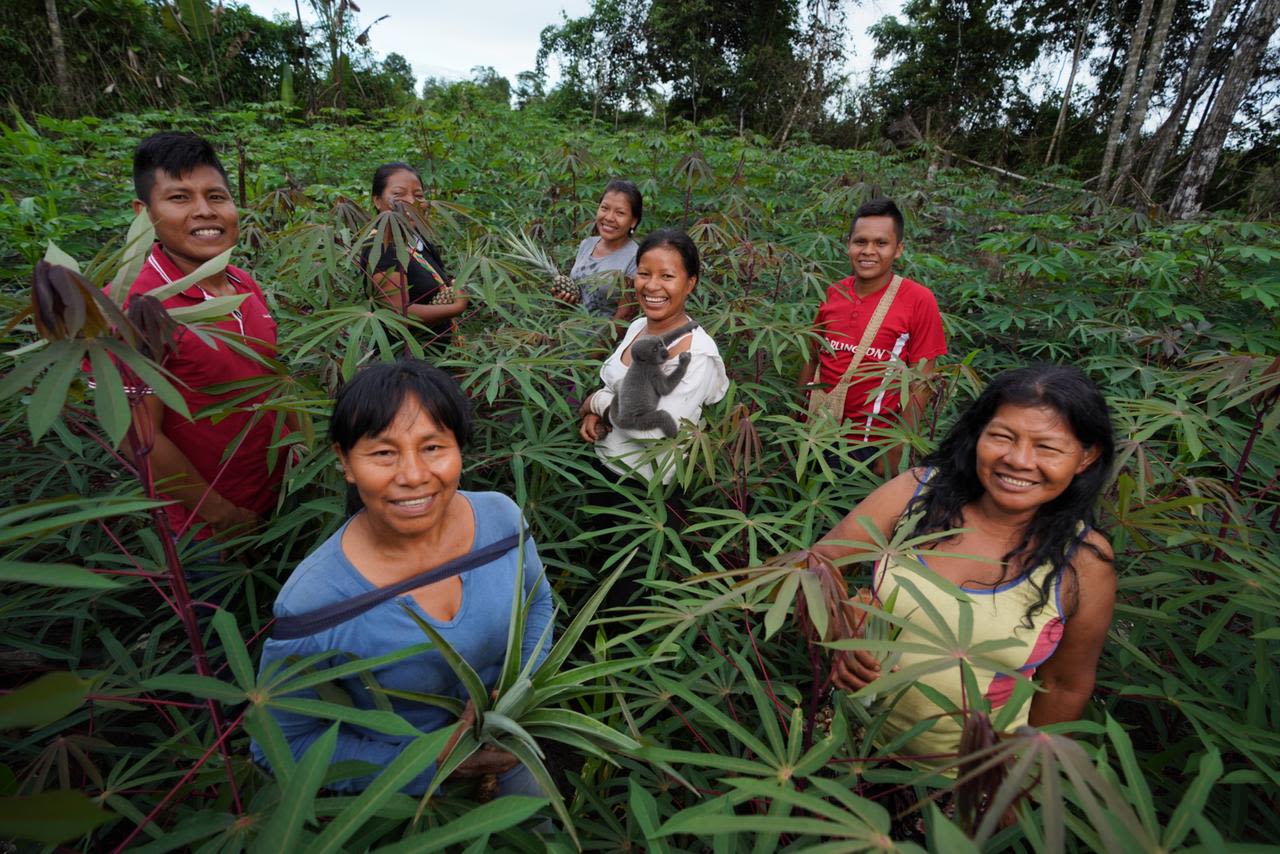
Guardians of the Amazon: Empowering Indigenous Women to Conserve the Forests of the Colombian Amazon
The Colombian Amazon faces a high rate of forest loss. Historically, indigenous women in the Amazon have been profoundly connected to the production of food and the cultivation of medicinal plants. However, men are frequently still the decision makers on land use and management. Guardians of the Amazon is an alliance that involves roughly 2,500 indigenous women in southeast Colombia. Its work is an important step towards strengthening and giving visibility to the role of indigenous women as crucial custodians of the forests in the Colombian Amazon.