
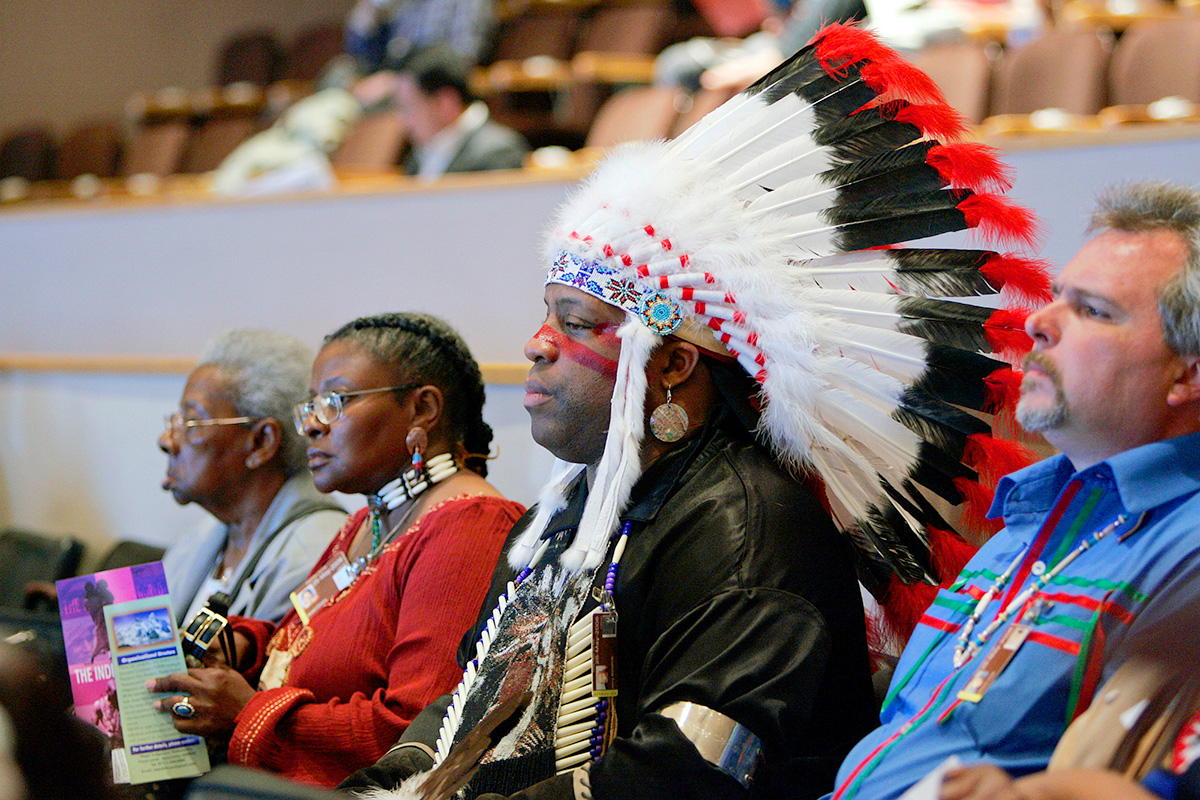
The annual session of the United Nations Permanent Forum on Indigenous Issues takes place on 19-30 April under the title “Peace, justice and strong institutions: the role of indigenous peoples in implementing Sustainable Development Goal 16”. SDG # 16 forms the basis for the attainment of many of the rights enshrined in the United Nations Declaration on the Rights of Indigenous Peoples, such as access to non-discriminatory and inclusive justice, recognition of indigenous institutions, the principle of free, prior and informed consent and the right to lands, territories and resources.
Indigenous Peoples

Indigenous Peoples have suffered disproportionately from the economic impacts of COVID-19, yet they hold essential knowledge for rebuilding a more sustainable and resilient post-pandemic world, free of poverty and hunger, said IFAD President, at the Fifth global meeting of the Indigenous Peoples’ Forum. This biennial meeting held virtually this year, focuses on the value of indigenous food system resilience in the context of the COVID-19 pandemic. Hosted by IFAD, it brings together 154 indigenous leaders from 57 countries, as well as development organizations and governments.
212 environmental defenders were killed in 2019, according to Global Witness. More than two thirds of total killings took place in Latin America, a region where defenders from indigenous communities are at a disproportionate risk of reprisal.
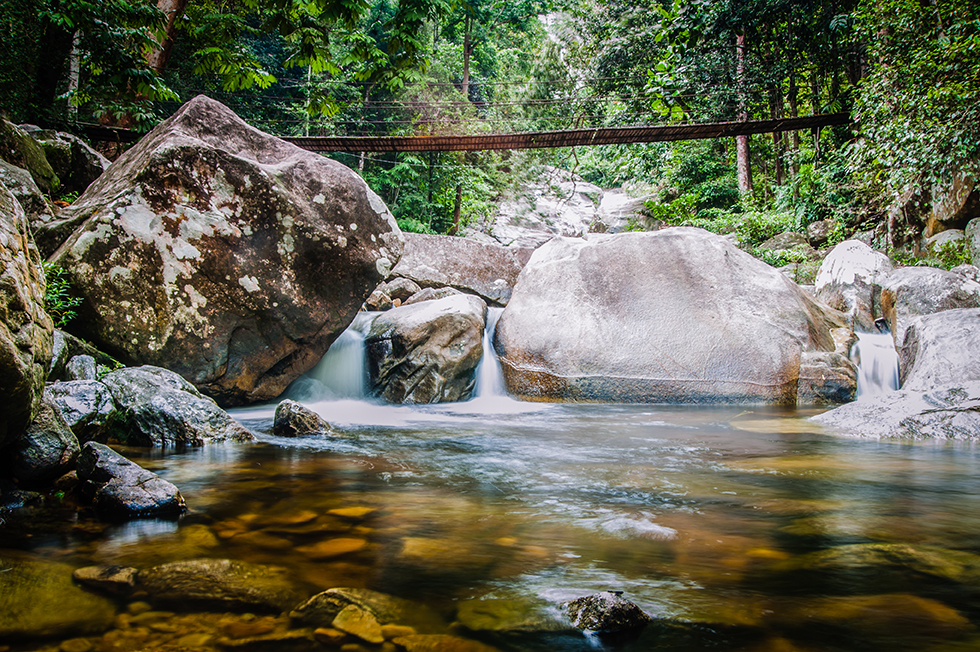
Partnerships with indigenous communities enhance the management of Protected Areas in Malaysia

COVID-19 presents a new threat to over 476 million indigenous peoples living in 90 countries. In the Americas alone, more than 70,000 cases and 2,000 deaths have been reported among indigenous peoples. Since the outbreak, they have been seeking their own solutions and implementing preventive and protective measures. The International Day of the World’s Indigenous Peoples promotes these good practices throughout the world. The webinar on 10 August, 11am EDT, will present the impact of the pandemic on indigenous peoples and the innovative practices that can be leveraged to build back stronger.
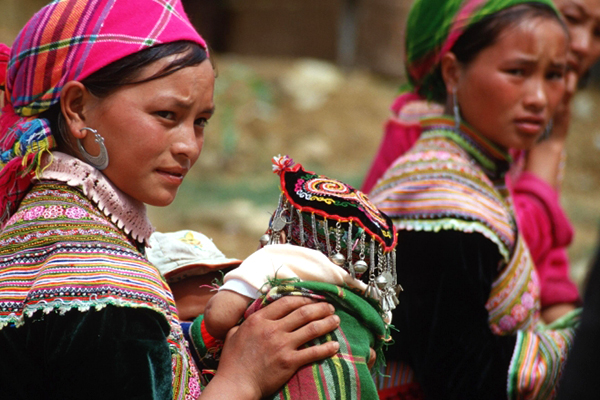
Everyone Equal: Making Inclusive Growth a Priority for Ethnic Minorities
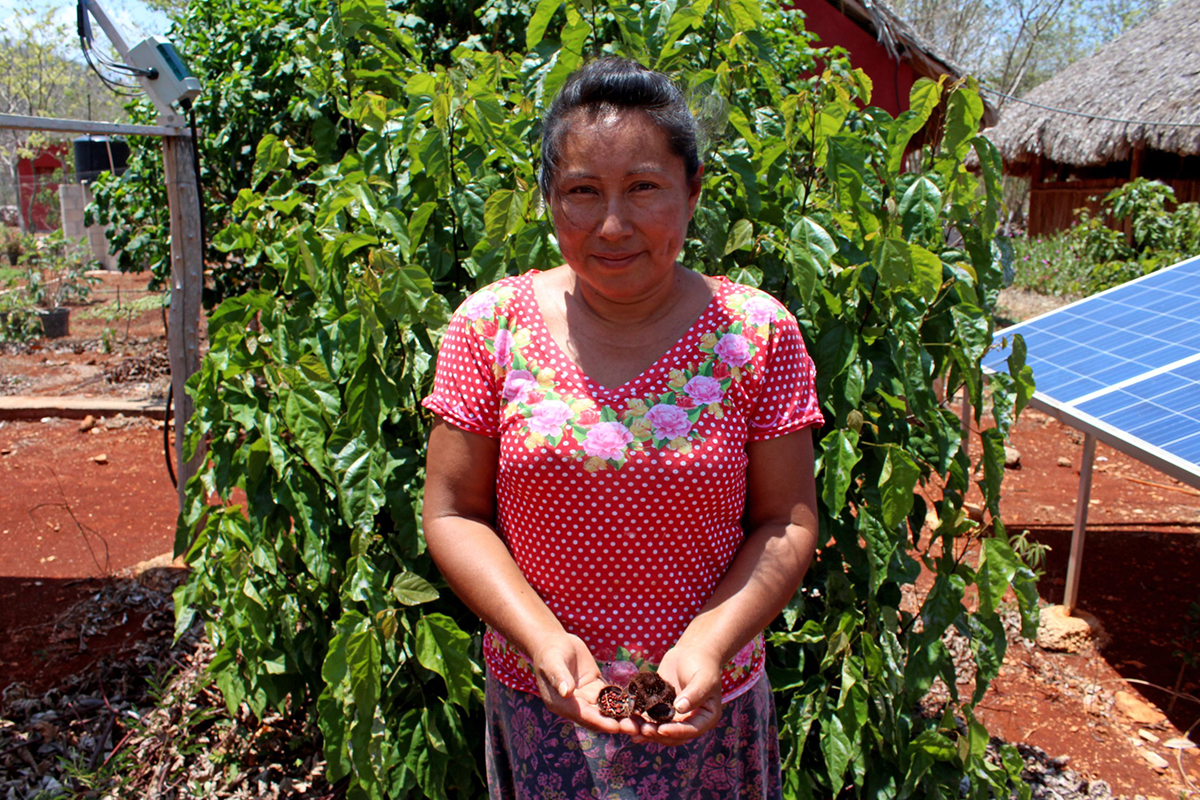
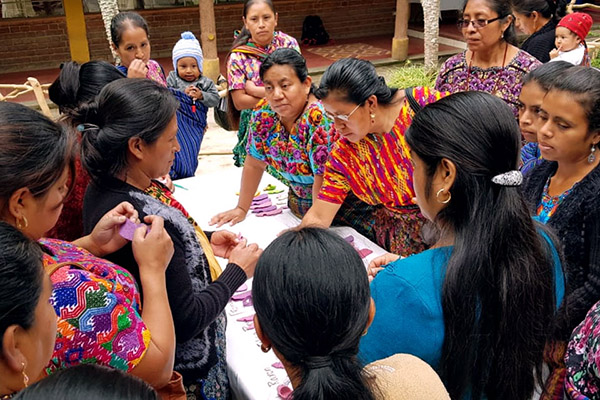
Since March 2020, Guatemala has recorded more than 600 COVID-19 deaths and over 11,000 infections. Amidst this crisis, indigenous women have continued to use their voices, knowledge and capacities to assist their communities and adapt their livelihoods. To build back better, their needs and concerns, but also their leadership must be placed at the centre of COVID-19 recovery plans. Boosting indigenous women’s entrepreneurial abilities can be transformative for them and their communities, and by extension, the entire country.
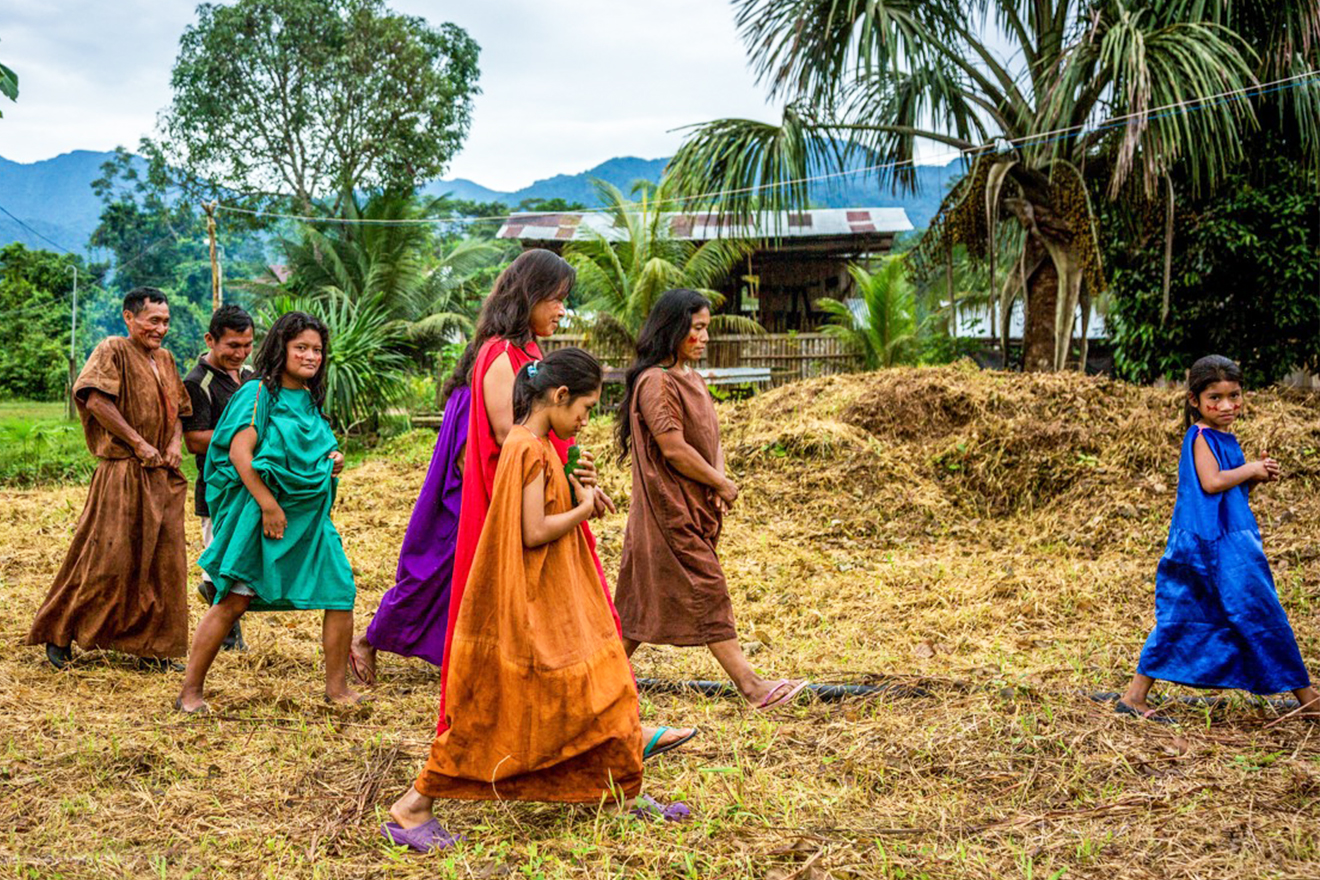
Peru embarks on a comprehensive approach to COVID-19


Building on the legacy of the International Year of Indigenous Languages (2019), UNESCO and the Government of Mexico, and other partners, are organizing a High-level event “Making a decade of action for indigenous languages” on the margins of the International Congress on Endangered Languages at Risk from 25 to 26 February 2020 in Mexico City. The main objective of the Congress is to establish a constructive dialogue to address the problem of threatened languages, based on experiences in favour of linguistic diversity and linguistic rights.
Thirty years after the adoption of the only international Convention on the rights of indigenous peoples, a new ILO report finds they are sti

2019 marked the International Year of Indigenous Languages with 900 events hosted by 77 countries. The message is clear: we must leave no one behind. Our unique experiences create our unique stories. These new steps are crucial for peacebuilding and sustainable development. Our commitment to them will be vital in protecting our cultural and natural heritage worldwide. We invite you to discover the UNESCO Courier issue dedicated to indigenous languages and other stakes of the communities that speak them.
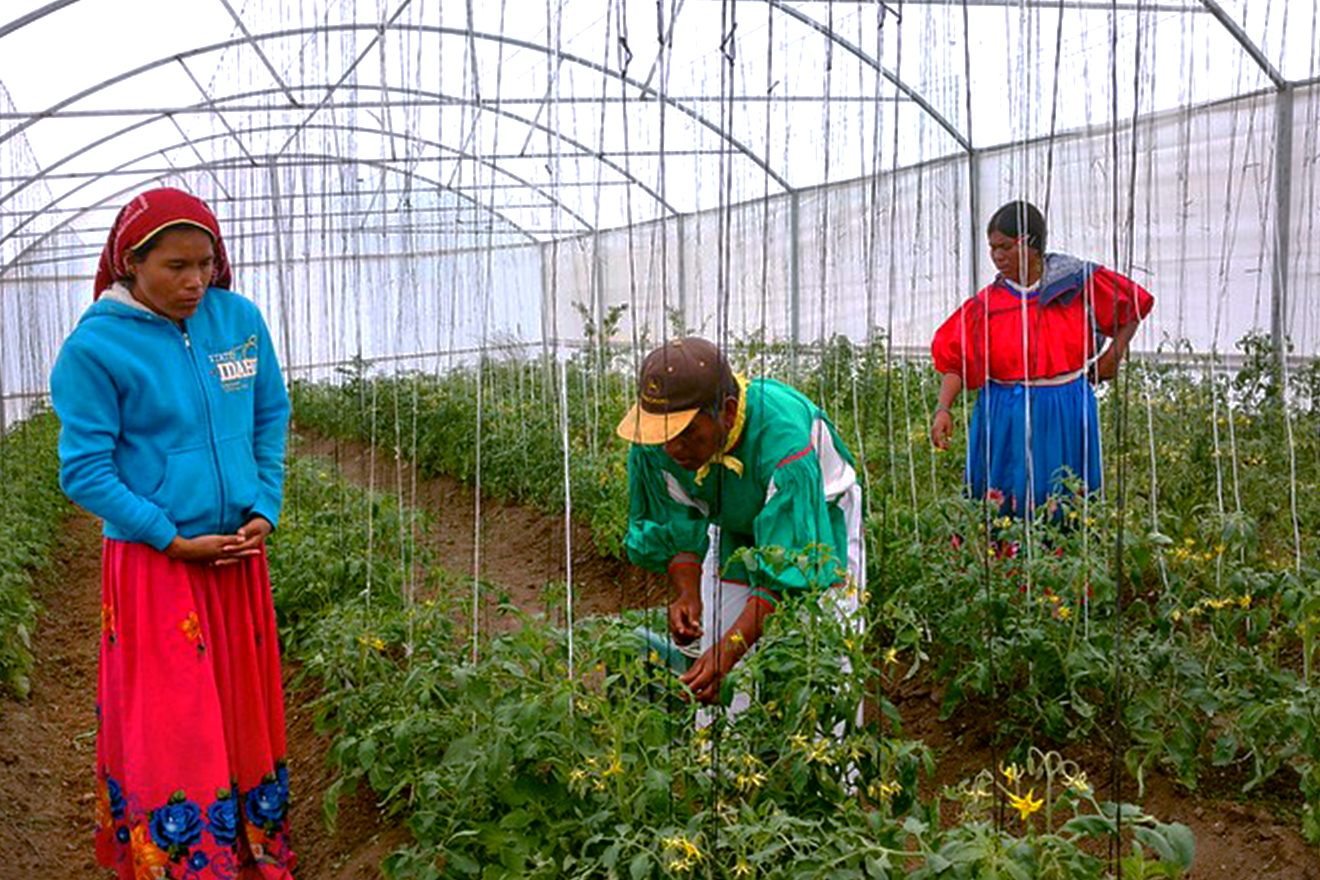
For as long as he could remember, Benito González, from the indigenous Wixáritari community in western Mexico, had struggled to make ends meet and lived on the margins of society - as many indigenous peoples anywhere do. Since jobs were hard to find, and since his community lacked access to basic services and amenities (including health, education, drinking water, and decent housing), Benito, like many others, was forced to rely on social programmes and seek temporary work far from home. But life began to change when, with the help of FAO, it became possible for them to grow their own food.
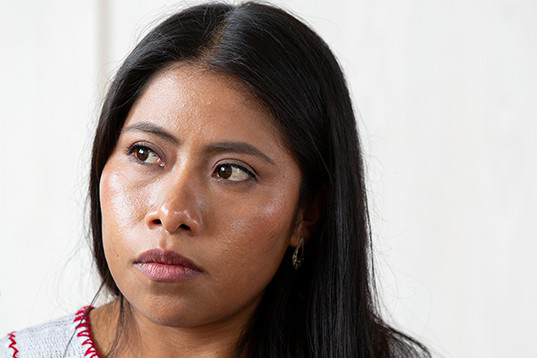
Mexican actress Yalitza Aparicio has been named a UNESCO Goodwill Ambassador for Indigenous Peoples. Her performance in Alfonso Cuarón’s film Roma, for which she had to learn the Mixtec language of her father’s family, won her an Oscar nomination for best actress, the first indigenous Mexican woman to be so recognized by the US Academy Awards. Ms. Aparicio will contribute to UNESCO’s work to ensure the integration of indigenous peoples everywhere and the realization of their rights.