

Developing productive capacities in least developed countries (LDCs) is necessary for boosting their response to and recover from crises such as COVID-19, according to a recent UNCTAD report.
Economic Development
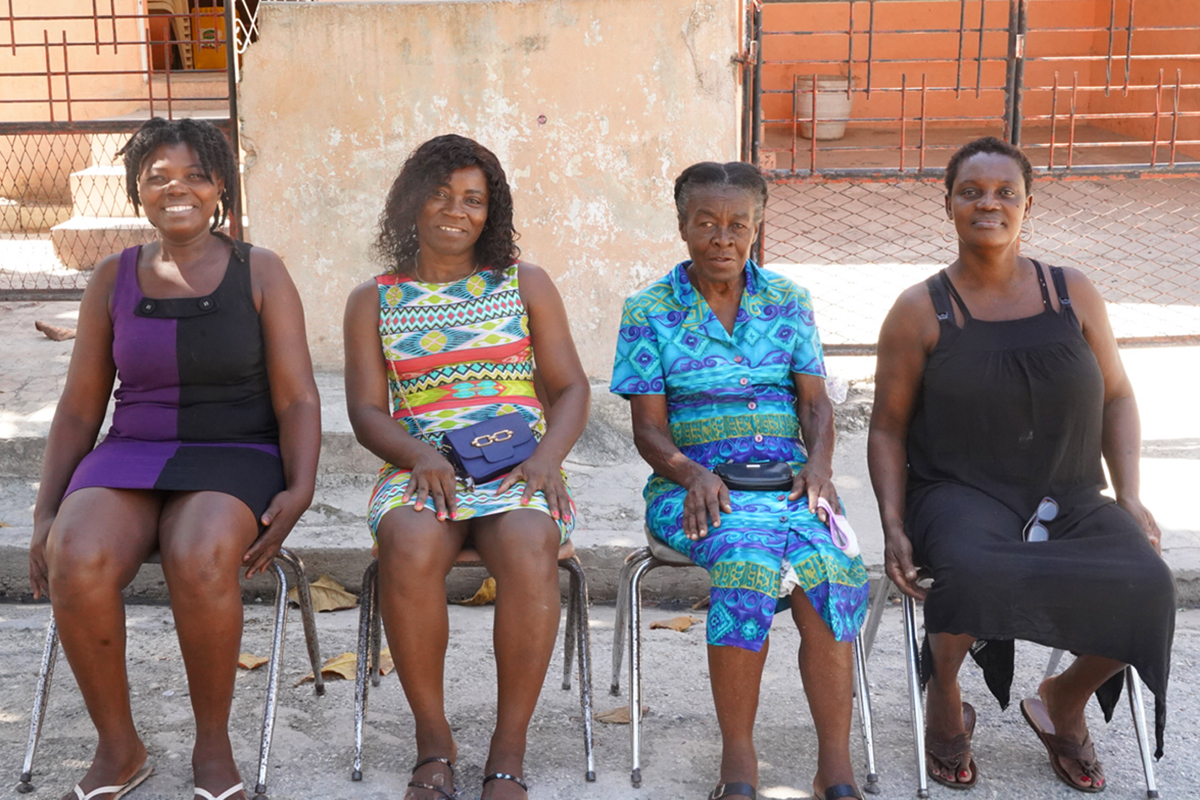
Women Entrepreneurs was launched to support businesswomen in the aftermath of the earthquake that struck Haiti on January 2010 and it was then relaunched in 2018 to support women living in the most vulnerable neighbourhoods of the capital, Port-au-Prince. The initiative has been funded by the Korean International Cooperation Agency and implemented by UNDP in collaboration with the community platforms. As such, Women Entrepreneurs has been providing training and enhancing women’s business skills, thereby boosting their autonomy and resilience.

Commodity prices across the board have increased significantly in recent months in the Latin America and the Caribbean (LAC) region. A new UNCTAD study reviews the price increases and their potential. The report underlines that structural differences across the region will likely result in heterogenous impacts of commodity price increases on trade and GDP growth. Most importantly, the high level of uncertainty on commodity markets and the high degrees of commodity dependence across the region underscore the need to boost the resilience of LAC economies to future shocks.

Without resolute measures to address this growing divide, COVID‑19 will continue to claim lives and destroy jobs, inflicting lasting damage to investment, productivity, and growth in the most vulnerable countries. The pandemic will further disrupt the lives of the most vulnerable with rising extreme poverty and malnutrition, shattering all hope of attaining the SDGs. The IMF suggests narrowing the pandemic divide through collective action to boost access to vaccines, secure critical financing, and accelerate the transition to a greener, digital, and more inclusive world.
Nobody has a crystal ball. How we can prepare for an increasingly uncertain future when we don't know what it is? Hello Future is a UNDP video series exploring the trends shaping our world. From digitalization to inequality, to the climate emergency, to crisis response, we examine the critical issues facing humans and the place we call home, and what we must do if we're to get out of this century alive.
The global economic recovery continues, but with a widening gap between advanced economies and many emerging market and developing economies, IMF reports. Growth prospects for advanced economies this year have improved by 0.5 percentage point, but this is offset exactly by a downward revision for emerging market and developing economies driven by a significant downgrade for emerging Asia. Faster-than-expected vaccination rates and return to normalcy lead to upgrades, while lack of access to vaccines and renewed waves of COVID-19 cases in some countries, notably India, lead to downgrades.

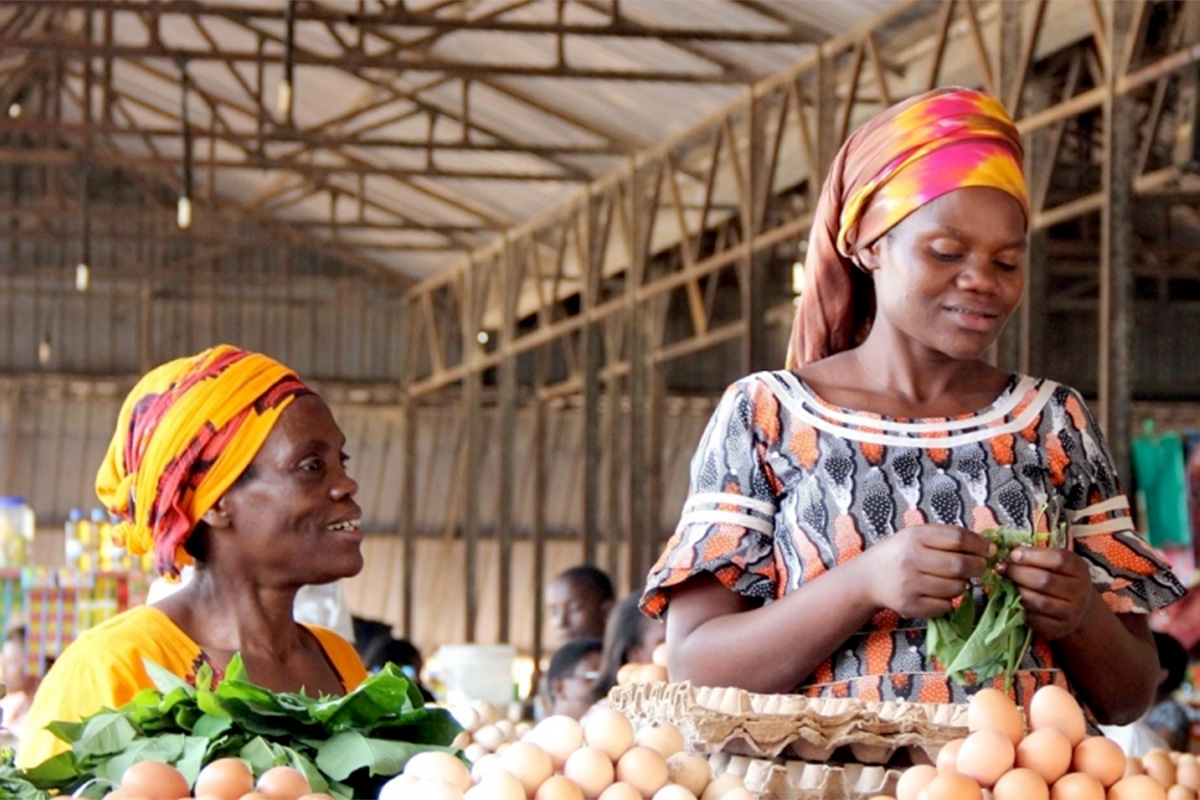
Global growth is surging again, only a year after COVID-19 triggered the deepest recession since World War II. According to the World Bank, this year is likely to mark the strongest post-recession rebound in 80 years: global GDP is expected to expand 5.6 percent. Almost all advanced economies will go back to their pre-pandemic per-capita income levels in 2022. In some parts of the world, the pandemic’s damage is being repaired quickly. For the world’s 74 poorest countries, accounting for roughly half of all people living on less than $1.90 a day, the global “recovery” is nowhere to be seen.

Developing countries whose economies depend on commodities must enhance their technological capacities to escape the trap that leaves most of their populations poor and vulnerable, says UNCTAD’s Commodities and Development Report 2021. About two thirds of developing countries were commodity dependent in 2019, meaning at least 60% of their merchandise export revenues came from primary goods, such as cacao, coffee, copper, cotton, lithium and oil. The report recommends identifying new sectors and designing targeted policies to promote innovation.

Today, more and more people are turning their ideas and imaginations into livelihoods. The creative economy is one of the world’s most rapidly growing sectors, contributing 3% of the global GDP. Creativity is also a renewable, sustainable, limitless resource that we can find anywhere around the world. As we face climate crisis and the pandemic, its potential to drive a human-centric, inclusive development has never been more relevant. From 6 to 16 July 2021, UNESCO will highlight the infinite possibilities of digital technologies in an immersive virtual reality exhibition, Korea: Cubically Imagined.

The question is formulated at the High-level Political Forum on Sustainable Development (HLPF), the core UN platform for follow-up and review of the Sustainable Development Goals (SGDs). This next meeting of the HLPF (6-15 July) focuses on a sustainable and resilient recovery from COVID-19. The HLPF will review 9 of the 17 SDGs, where ministers and other participants will explore policies and international cooperation to control the pandemic and its impacts. To reach a better and more sustainable future for all by 2030, the world needs to be back on track in less than a decade.
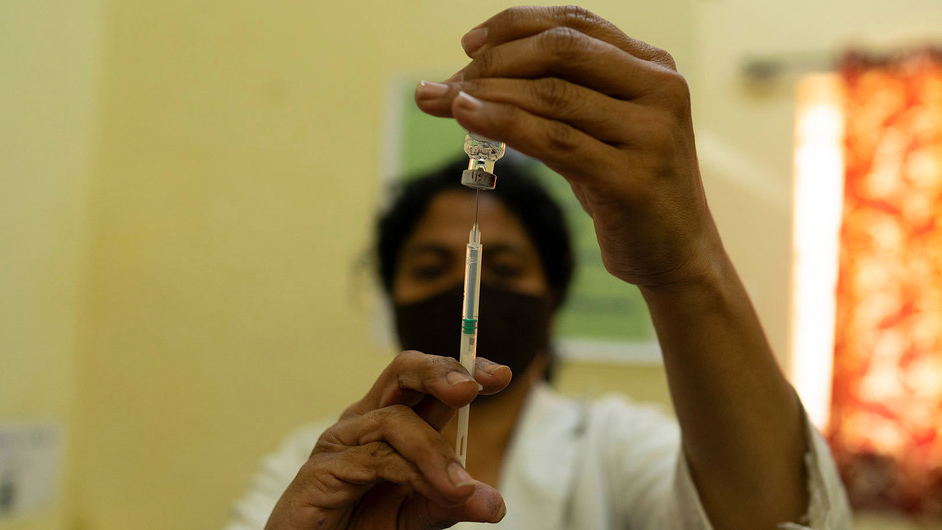
In an op-ed ahead of the G7 Summit, leaders of the IMF, the World Bank, WHO and WTO state that there will be no broad-based recovery without an end to the health crisis and that access to vaccination is key to both. Despite impressive progress on the vaccination front, increasingly, a two-track pandemic is developing, with richer countries having access and poorer ones being left behind. They call for a stepped-up coordinated strategy, backed by new financing at an estimated $50 billion, to vaccinate the world.

Sub-Saharan Africa faces the task of trying to boost its economy while simultaneously dealing with repeated COVID-19 outbreaks. The IMF explains the three challenges finance ministers in sub-Saharan Africa are facing today: Firstly, to meet increased spending needs; secondly, to contain a pronounced increase in public debt, and finally, to mobilize more tax revenues. How policymakers navigate this trilemma will have a huge bearing on economic and social outcomes in the coming years.
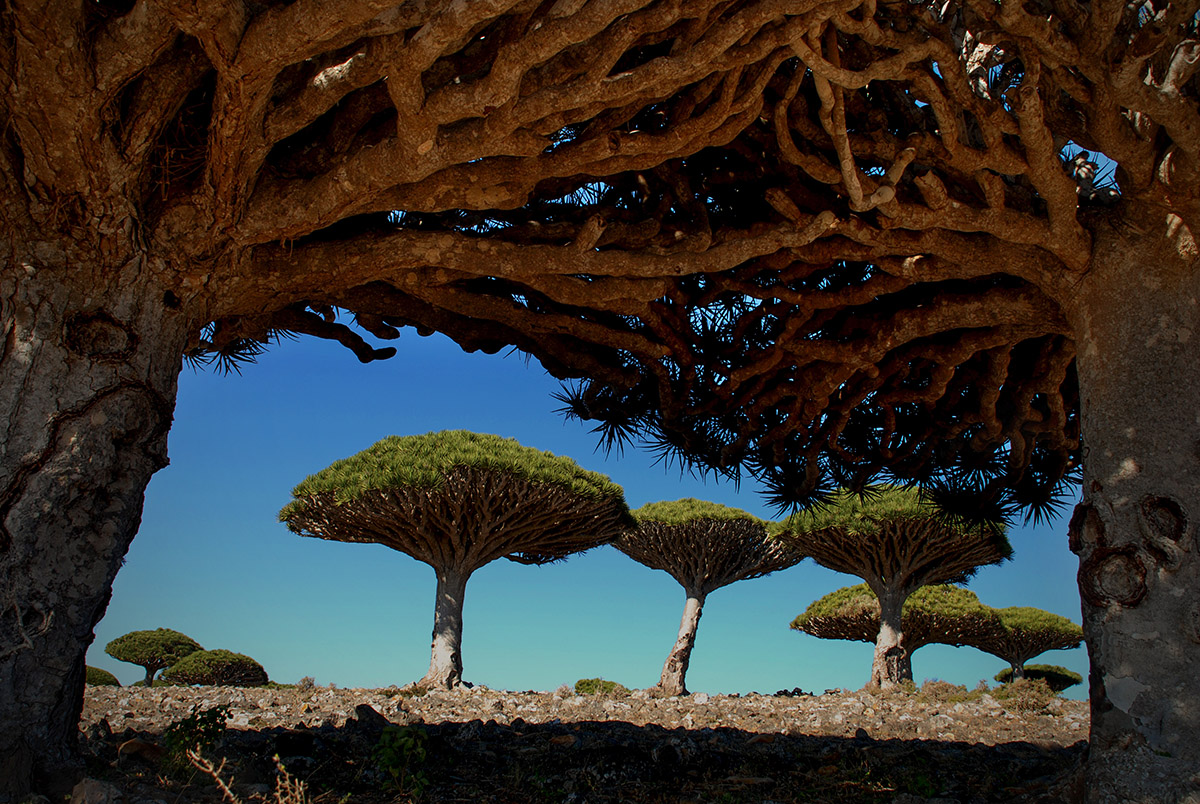
The Dragon’s Blood tree, seen here, endemic to Socotra, is a tourist attraction. Socotra, south of the Arabian Peninsula, means “island abode of bliss” in Sanskrit. It is a hub for international holiday makers enjoying the breathtaking landscape and fascinating fauna, and diving, snorkeling, and trekking. When Yemen’s war broke out in March 2015, the island’s economy was devastated. Mother Nature has also recently been unkind, with severe water scarcity particularly in rural areas, and devastating cyclones. In partnership with the World Bank, UNDP, the Social Fund for Development (SFD) and our partners in Socotra’s communities, continue to work toward a brighter future for this isolated paradise.
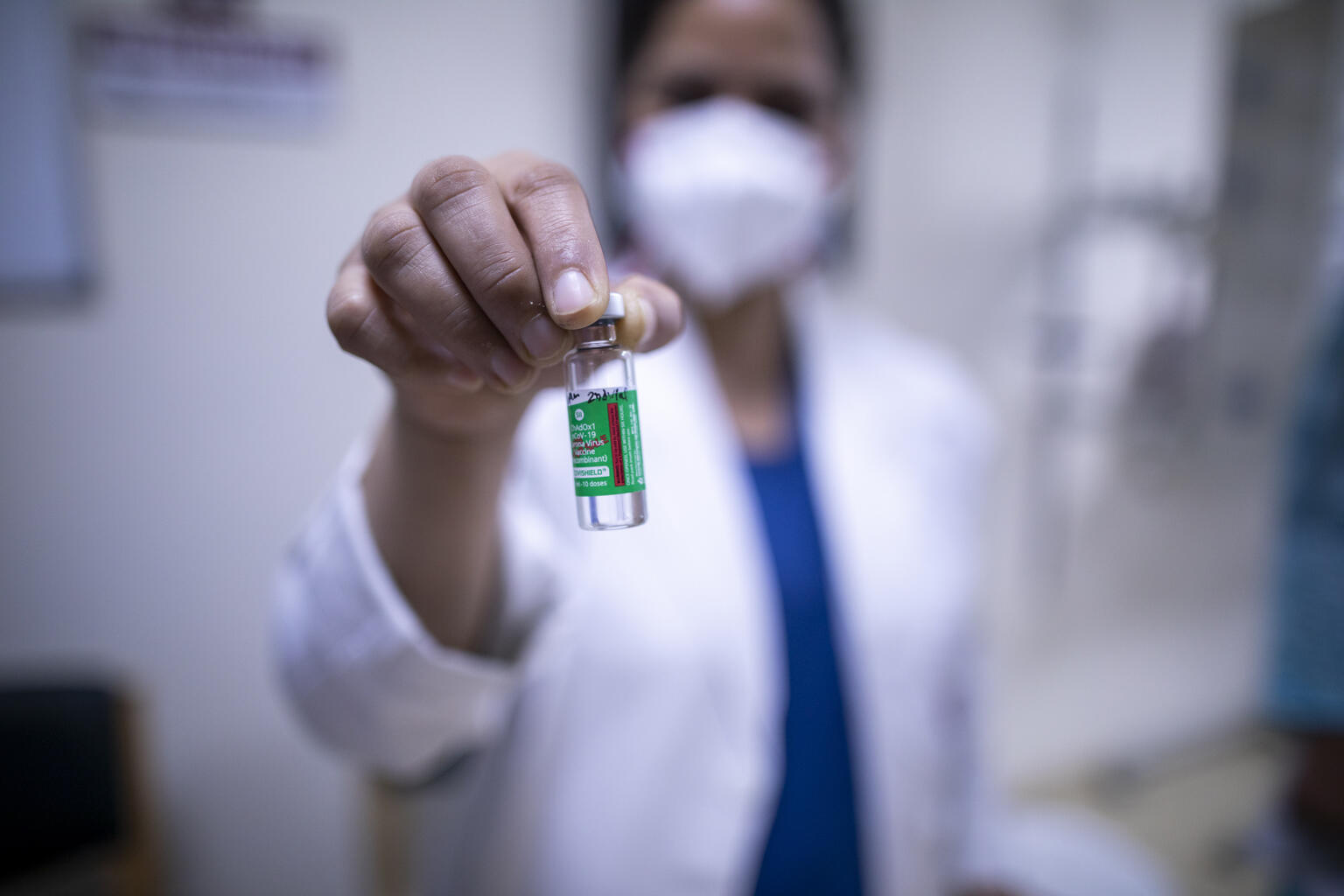
The United Nations Commission on Science and Technology for Development convenes from 17 to 21 May, bringing together UN leaders, led by Deputy Secretary-General Amina Mohammed, scientists, including a Nobel laureate, and other experts to explore how new technologies can contribute to a sustainable and resilient COVID-19 recovery for all.