

Europe, like the rest of the world, faces an extended crisis. An element of social distancing—mandatory or voluntary—will be with us for as long as this pandemic persists. This, coupled with continued supply chain disruptions and other problems, is prolonging an already difficult situation. IMF overarching policy goals include saving lives now and ensuring Europe emerges with a greener and safer economy for the long run, one where future generations can thrive equitably.
Economic Development

The coronavirus crisis is pushing critical economic, social and environmental development targets beyond reach, warned UNCTAD through its 2020 SDG Pulse.
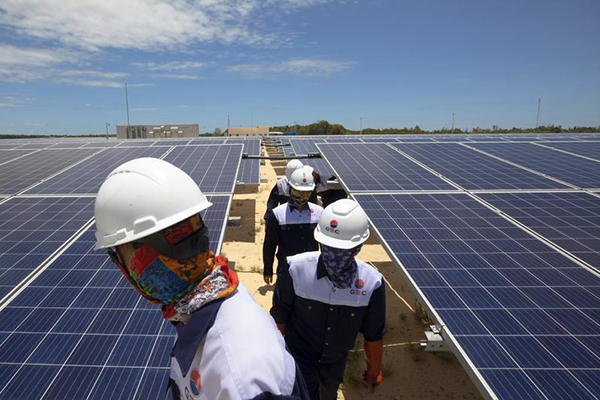
As profits plummet and operations shutter due to the pandemic, the United Nations’ corporate partners build a safer, greener fairer and more resilient global economy. The UN Global Compact, the world’s largest corporate sustainability initiative, recently made a special appeal for private sector leaders to work together to control the coronavirus outbreak. Joint action is critical to spur recovery. Collective efforts are also vital to reduce entrenched inequalities and advance the Sustainable Development Goals, the UN’s shared blueprint for achieving peace and prosperity across the planet.
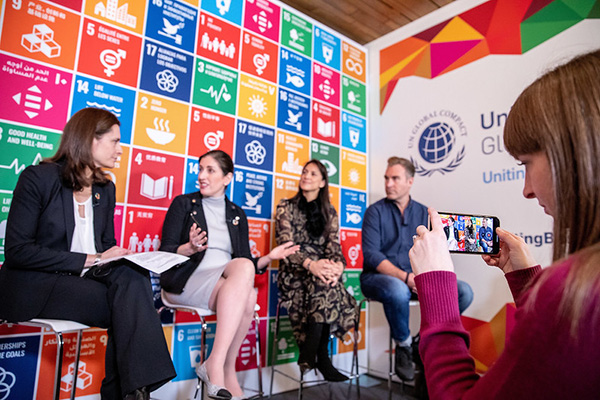
The first-ever virtual SDG Media Zone is being held on the sidelines of this year’s High-level Political Forum. As we come together to take stock of the Sustainable Development Goals (SDGs), the SDG Media Zone encourages the sharing of ideas for a sustainable recovery from COVID-19. Focusing on the power of science and solidarity, expert voices can help usher a healthier, more equitable and greener world. Since 2016, the SDG Media Zone brings together UN Member States, content creators, influencers, activists and media partners to highlight actions and solutions in support of the SDGs.
For the first time in living memory, Asia’s growth is expected to contract by 1.6 percent—a downgrade to the April projection of zero growth. While Asia’s economic growth in the first quarter of 2020 was better than projected in the April World Economic Outlook—partly owing to early stabilization of the virus in some—projections for 2020 have been revised down for most of the countries in the region due to weaker global conditions and more protracted containment measures in several emerging economies.
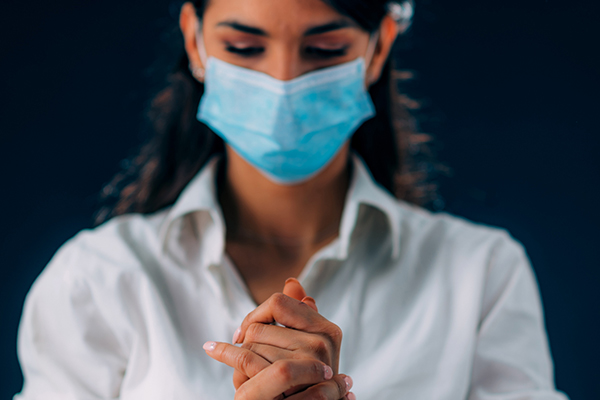
As Latin America becomes the global epicentre of the pandemic, UNIDO figures show manufacturing in the region as one of the sectors most affected by the shutdown of economic activity.
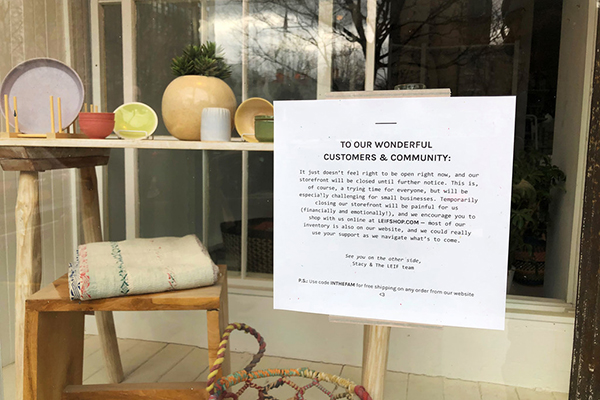
The Great Lockdown is expected to play out in three phases, first as countries enter the lockdown, then as they exit, and finally as they escape the lockdown when there is a medical solution to the pandemic. Many countries are now in the second phase, as they reopen, with early signs of recovery, but with risks of second waves of infections and re-imposition of lockdowns. This pandemic has already claimed hundreds of thousands of lives worldwide. The resulting economic crisis is unlike anything the world has seen before.

Micro-, small and medium businesses are being hit hardest by the economic fall-out of the pandemic. Let’s not forget these enterprises make up over 90% of all firms and account for, on average, 70% of total employment and 50% of the GDP. The Micro-, Small and Medium-sized Enterprises Day, celebrated every June 27, raises public awareness of their contribution to the global economy. The International Trade Center’s flagship "SME Competitiveness Report COVID-19: The Great Lockdown and its Impact on Small Business", measures the impact of COVID-19 on small business.
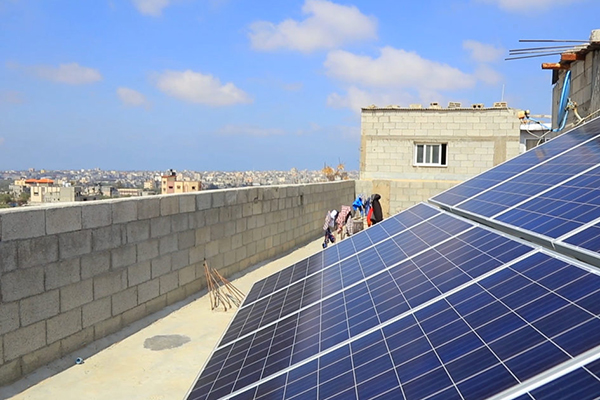
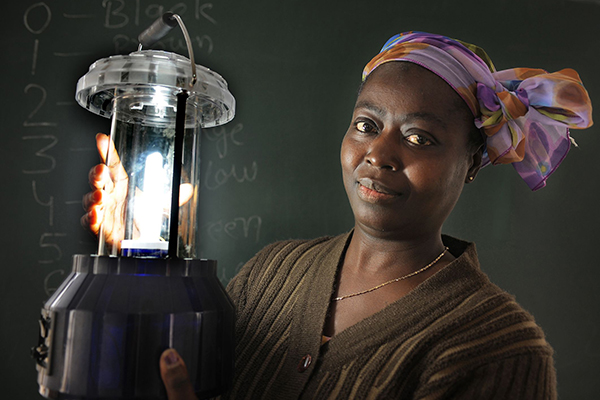
Since 2006, Gaza has suffered from chronic electricity shortages. This further exacerbates already difficult living conditions for the majority of its nearly two million residents, who live on just a few hours of electricity per day. In response to the ongoing crisis, UNOPS works with partners to provide renewable energy solutions for households across Gaza. To achieve 10 per cent of domestic electricity generation from renewable energy by 2020 – UNOPS installed hybrid solar systems on the rooftops of households.

This year, the International Day of Family Remittances will be observed under unprecedented conditions due to COVID-19. Millions of migrant workers are losing their jobs, and many remittance families are suddenly pushed below the poverty line. The UN Secretary-General called for global solidarity in responding to the coronavirus crisis stating “remittances are a lifeline in the developing world – especially now”. On 16 June, the United Nations recognizes the contribution of over 200 million migrants to improve the lives of their 800 million family members back home.

Since the COVID-19 outbreak was first reported in Wuhan, China in late December 2019, the disease has spread to more than 200 countries and territories. In the absence of a vaccine or effective treatment, governments worldwide have responded by implementing unprecedented containment and mitigation measures—the Great Lockdown. This in turn has resulted in large short-term economic losses, and a decline in global economic activity not seen since the Great Depression. Did it work? IMF analysis, based on a global sample, suggests that containment measures, by reducing mobility, have been very effective in flattening the “pandemic curve.”
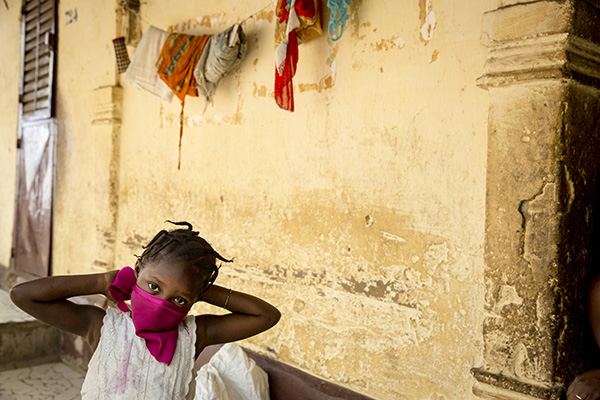
In the face of the COVID-19 crisis, the IMF urges policymakers to use the opportunity to make fundamental changes to protect the most vulnerable when future shocks inevitably occur.
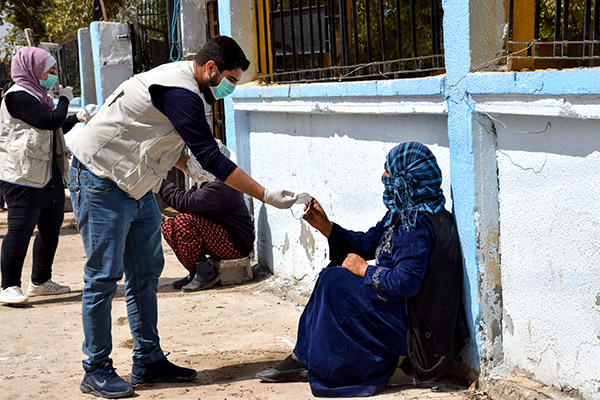
UNDP’s focus on inequality and poverty makes them uniquely positioned to help countries to prepare, respond, and fully recover from the pandemic. UNDP conducts quick assessments of the social and economic blowback from COVID-19, so governments can ensure urgent recovery measures and longer-term social protection, especially for the disadvantaged and marginalized. The US$30 million Rapid Response Facility provides funds within 72 hours, and more than 83 countries have benefitted.
