
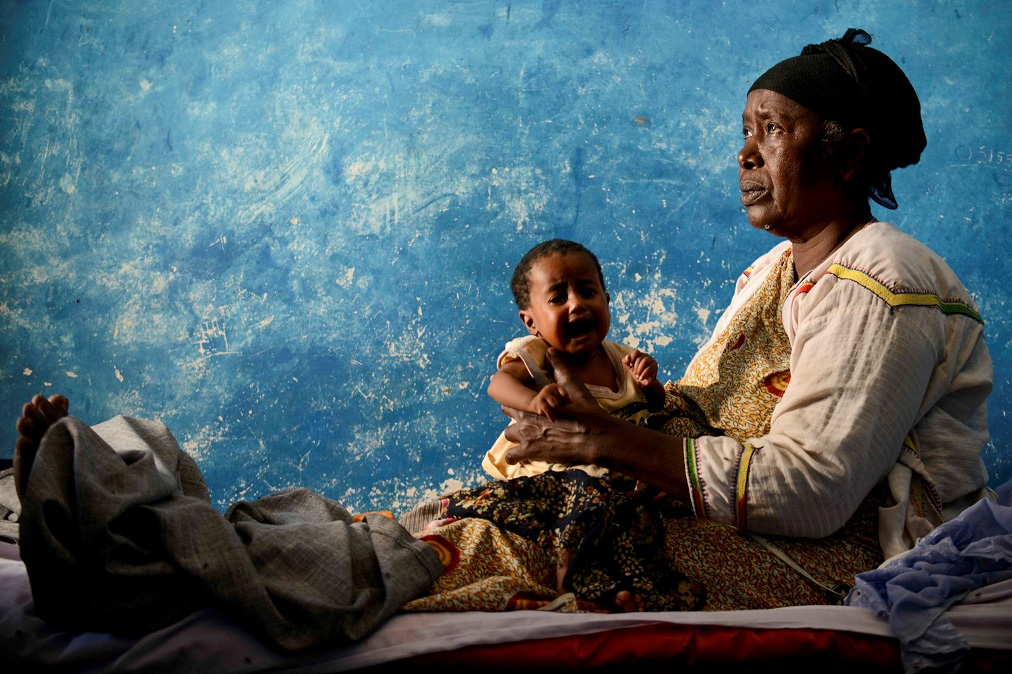
UNCTAD reports global public debt has reached colossal levels, standing at $92 trillion in 2022. This five-fold surge in public debt levels since 2000 demands immediate action to tackle the escalating crisis affecting developing countries. On average, African countries pay four times more for borrowing than the United States and eight times more than the wealthiest European economies. A total of 52 countries – almost 40 percent of the developing world – are in serious debt trouble with half of all developing nations spend a minimum of 7.4% of their export revenues on servicing external public debt.
Economic Development
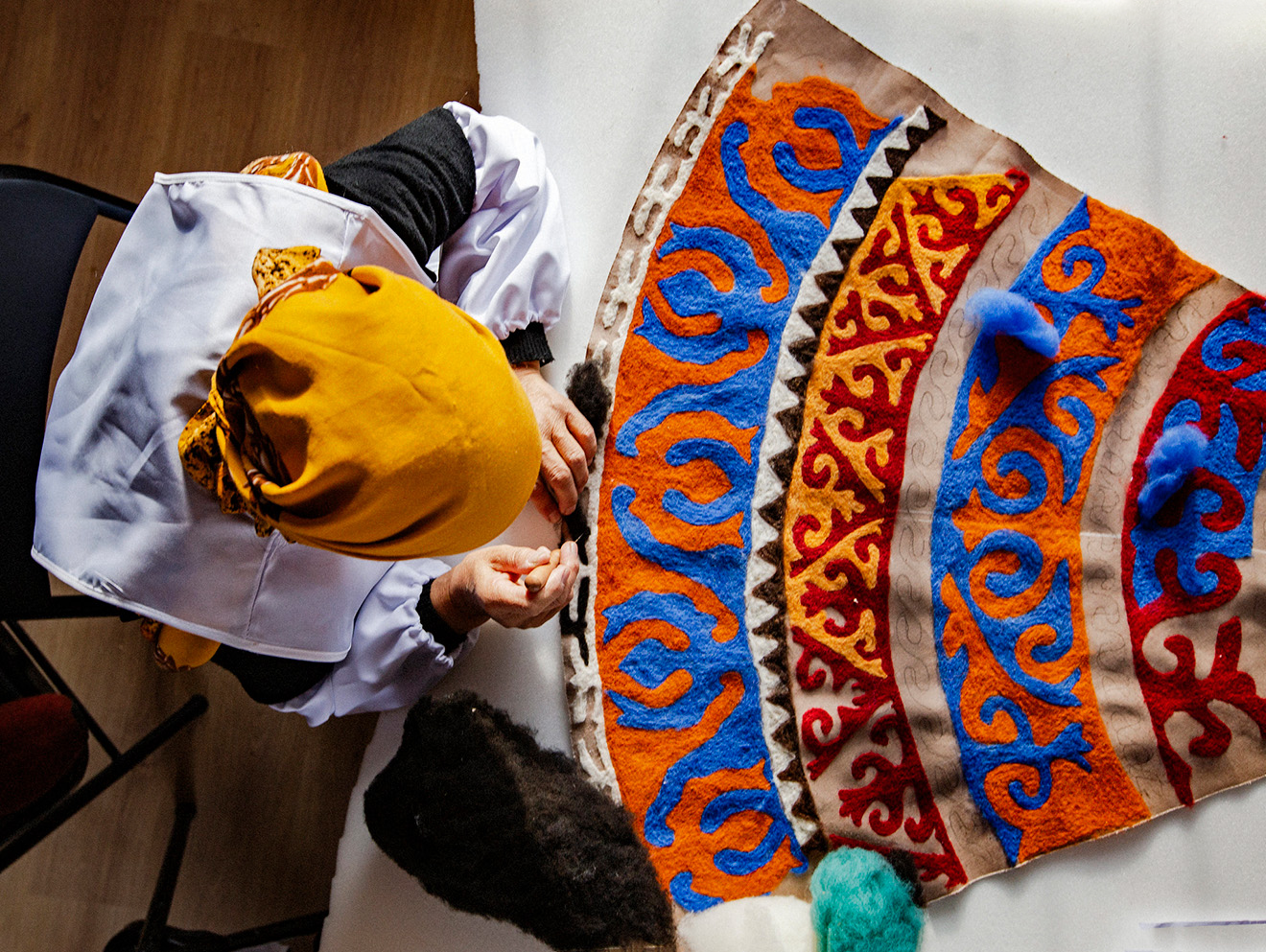
Fashion has one of the most powerful marketing engines that influences the identities, values, and actions of billions of people. This, in turn, impacts consumption patterns, a central factor in reducing the sector's climate impact. UNEP and UN Climate Change launched the Sustainable Fashion Communication Playbook, a guide with an interactive version, on how to align consumer-facing communication in the fashion industry with sustainable targets in accordance to the Paris Agreement. Its purpose is to reduce the carbon print and overconsumption, demand action, and inspire sustainable lifestyles.

Syrians are laying down roots in their places of refuge and have valuable skills and knowledge that they can use in their host communities. IFAD grants are helping refugees fulfil their potential.
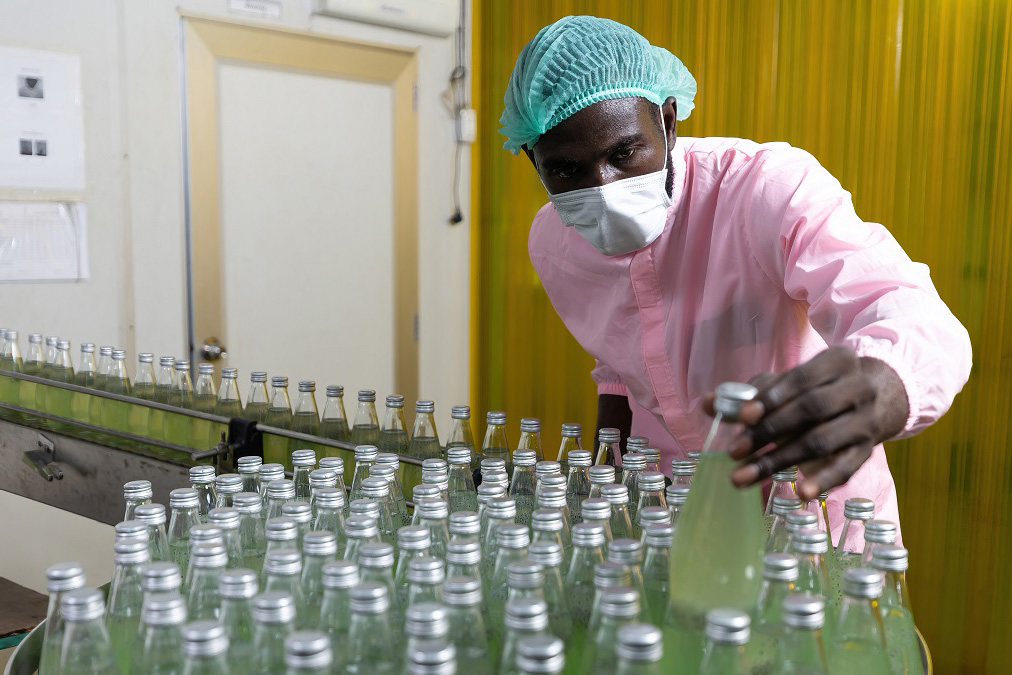
The recently launched Productive Capacities Index will help countries make more accurate diagnostics and measurements of their economic performance. By measuring the economy from an input perspective across eight core components of productive capacities, the PCI more fully captures economic potential and highlights key areas for development policy focus. Stronger productive capacities help countries move towards long-term national development goals and achieve the Sustainable Development Goals. With UNCTAD’s support, more countries are adopting the PCI to establish data-driven and evidence-based policies.
Small-scale farmers in developing countries are only one flood, one drought or one failed harvest away from ruin. IFAD asks "Tomorrow is a new day. What will it look like?"
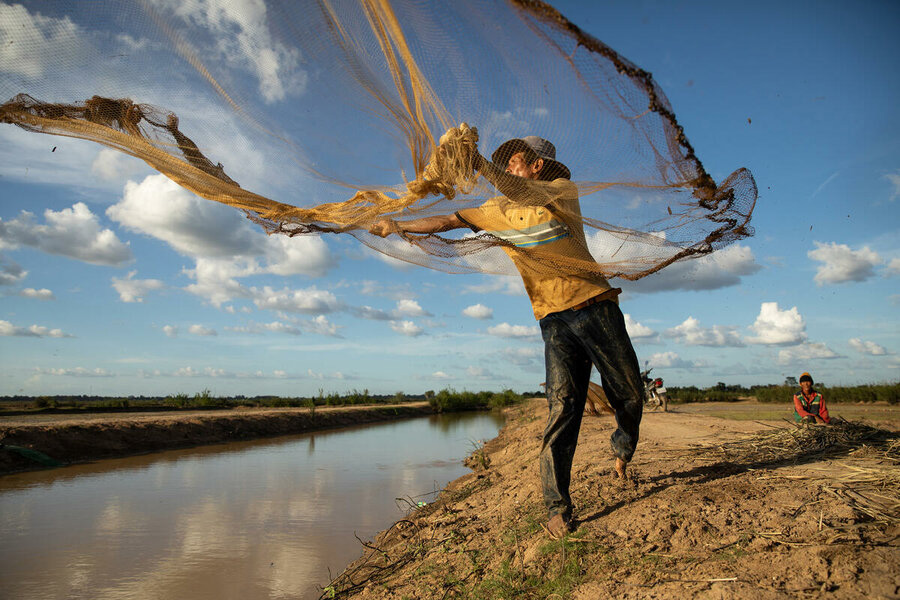
In the words of rice farmer Deur Sok, the difference the 2.3km canal built in 2022 as part of a World Food Programme-backed project is making in Sambour, a commune in central Cambodia’s Kampong Thom province is tremendous. Changing weather patterns in the past few years have caused an unpredictable succession of drought and flooding, which spelled disaster for farmers relying on so-called wet season – or rainfed – rice cultivation. Farmers in the region had seen their plants wilt when there was not enough water – or washed away when there was too much. The canal has broken their dependence on erratic weather events and as a result, their yields have more than doubled.
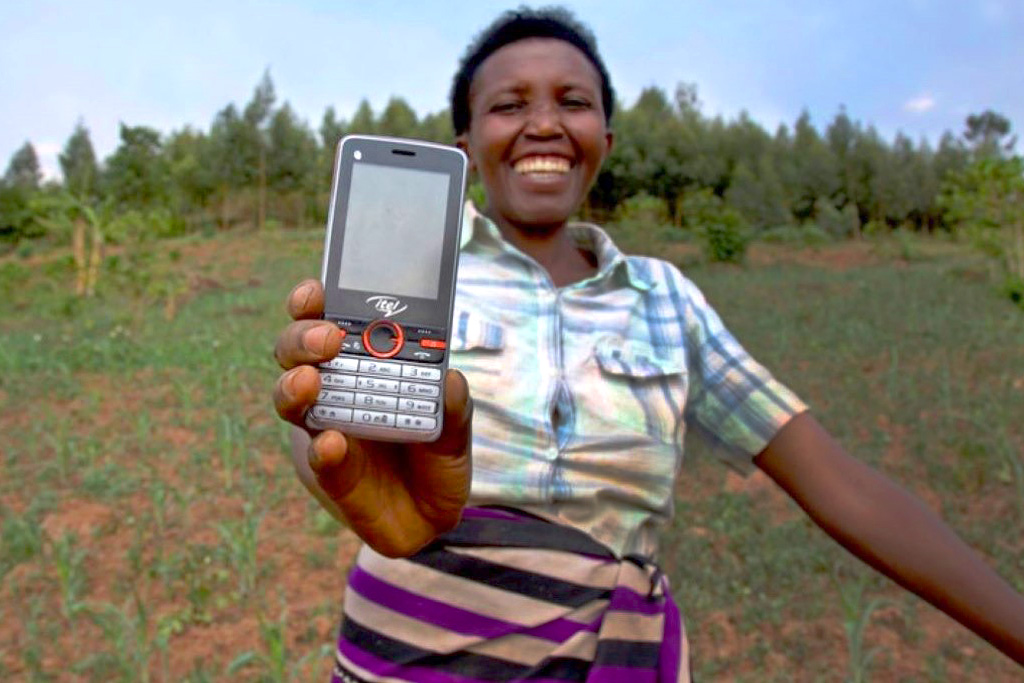
Over 50 per cent of remittances are sent to households in rural areas, where 75 per cent of the world's poor and food-insecure live. Rural households rely on these flows for improving their livelihoods. Globally, the accumulated flows to rural areas over the next five years will reach US$1.5 trillion. This International Day of Family Remittances (16 June) focuses on promoting digital technologies to enhance financial inclusion in low- and middle-income countries (LMICs). The Day also aims at achieving the cost reduction target of 3% as mentioned in the Sustainable Development Goal 10.c.
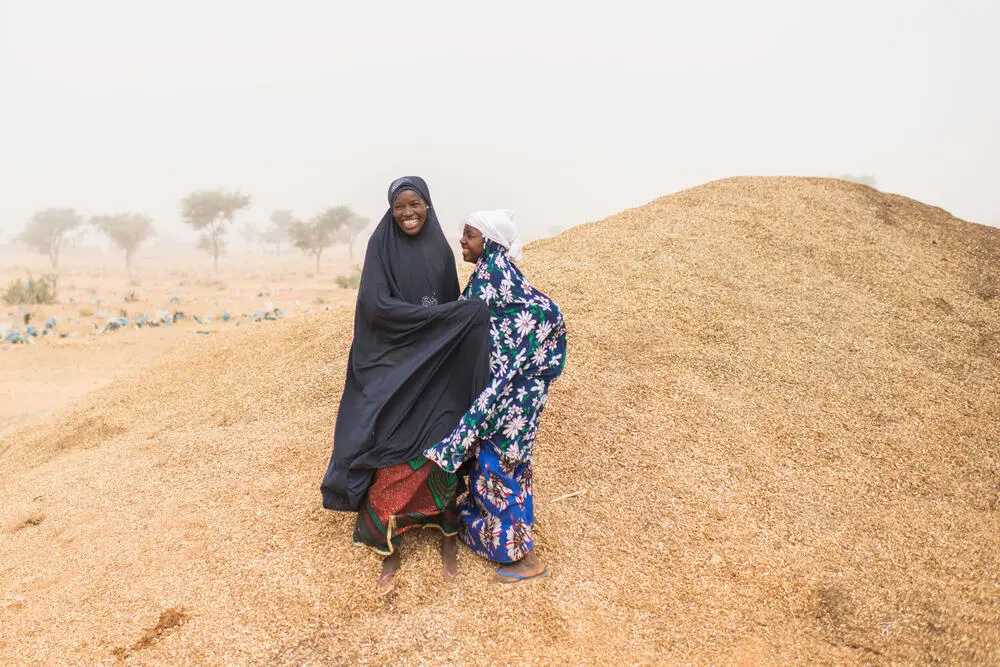
Garin Kaka is one of three "opportunity villages" that form part of an initiative by UNHCR, together with the Niger government and local leaders, to provide refugees with a more sustainable alternative to living in camps. After being relocated to Garin Kaka, Jamilla met Hamsou after joining the peanut oil cooperative, one of several income-generating projects in the village which UNHCR partner, Action pour le Bien Etre, helped to start up. Jamilla is the president of the cooperative of 20 refugees and local women who work together to produce peanut oil.
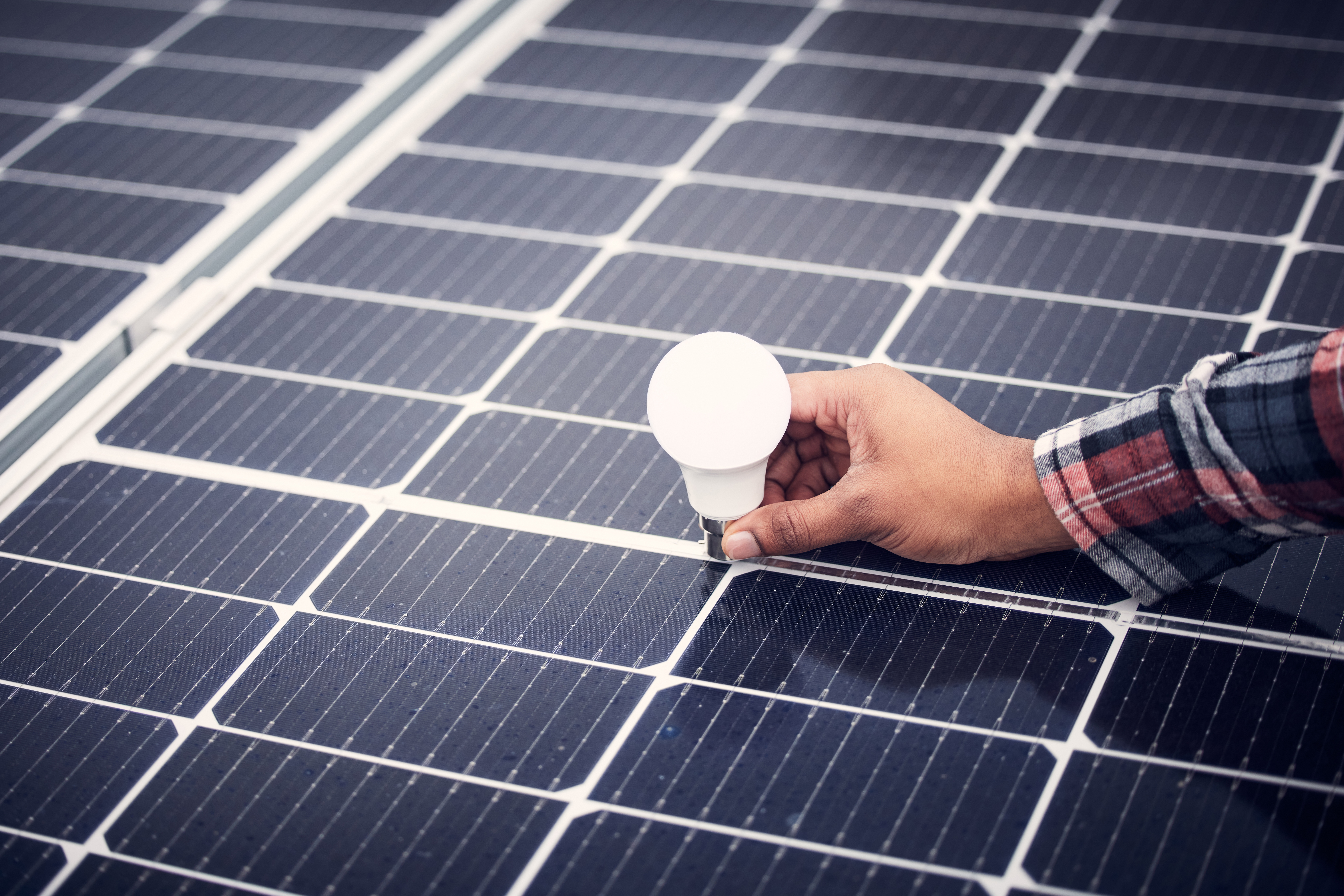
Renewable energy is touted as a solution for rural electricity access in Africa. UNOPS-implemented projects in Sierra Leone run solar-powered mini-grid systems in rural areas of the country.
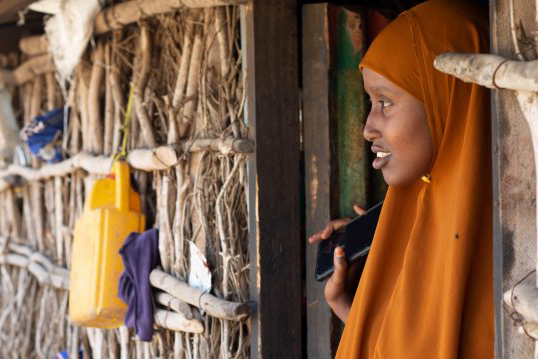
A short yet perilous road connects the towns of Buufow and Shalanbood in southern Somalia. The two communities have had to cope with increasing scarcity of natural resources from which to derive their livelihoods. This combined with a lack of basic services increases the likelihood of conflicts. In an original approach to conflict resolution, youth met for a “Game Day” - an innovative peacebuilding project implemented by FAO and IOM - where they use a smartphone game application to identify priorities for investments in critical infrastructure that would promote peace and productivity.
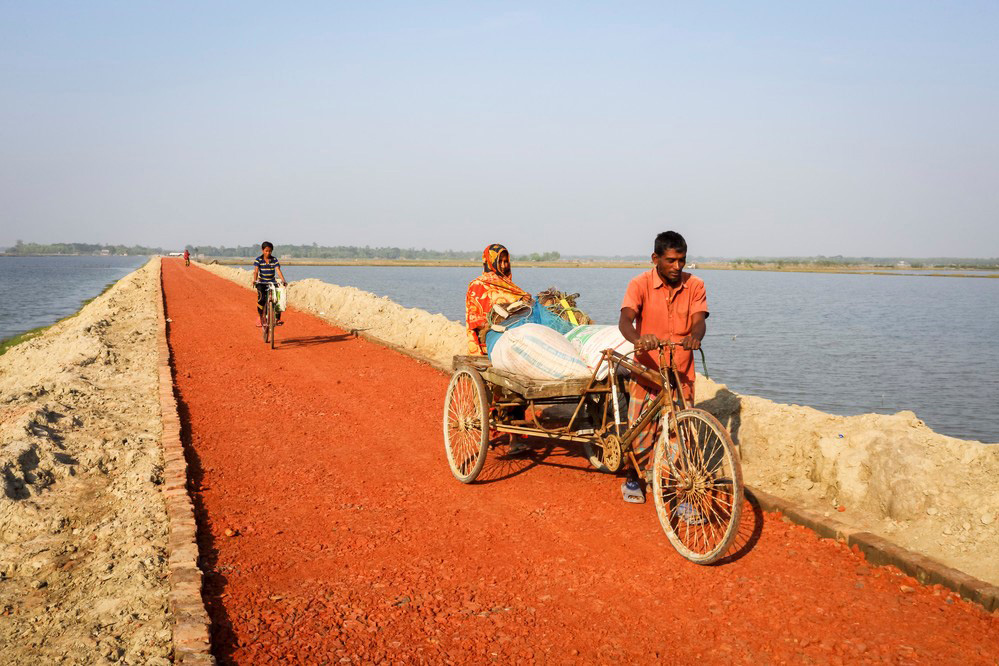
For over 40 years, IFAD has been working with rural people, helping them eradicate poverty, conserve their environments and build flourishing societies—all the while feeding the world.
Between 2022 and 2030 average GDP growth is expected to decline as nearly all the economic forces that powered progress and prosperity since the early 1990s have weakened.
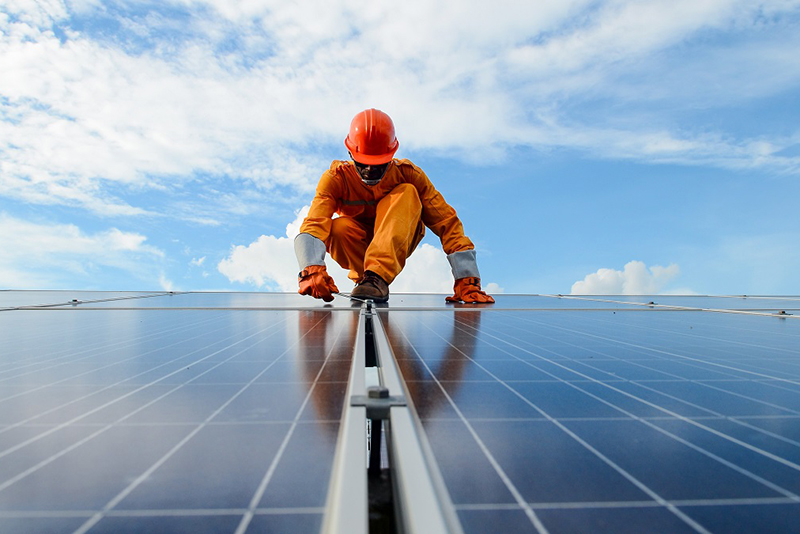
Technologies used to produce goods and services with smaller carbon footprints are providing increasing economic opportunities, but many developing countries could miss them, unless governments and the international community take decisive action.
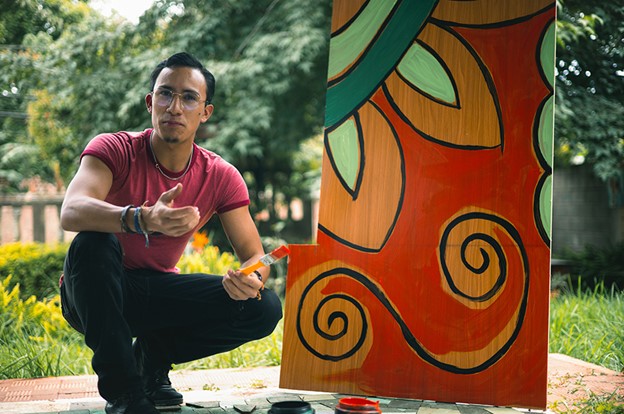
Diego Rafael Osorto’s, clean even brush strokes of paint across a wood sculpture, helped transform his passion for art into a socially responsible business. At a time when unemployment is high, corruption is endemic, and there is plenty of violence, especially gang violence punctuated by extorsion and murder, his decision to stay in Hondoras transformed his life and his community. Through a workshop by ParticiPaz, a joint project by UN Human Rights and UNDP, and funded by UN Peacebuilding Fund, he created a space for community workshops. In this space, they work to fight discrimination against indigenous people, defend their land against encroachment by big business, and fight the delinquency that was slowly poisoning his country’s youth – all the while encouraging young indigenous people to stay in the country.
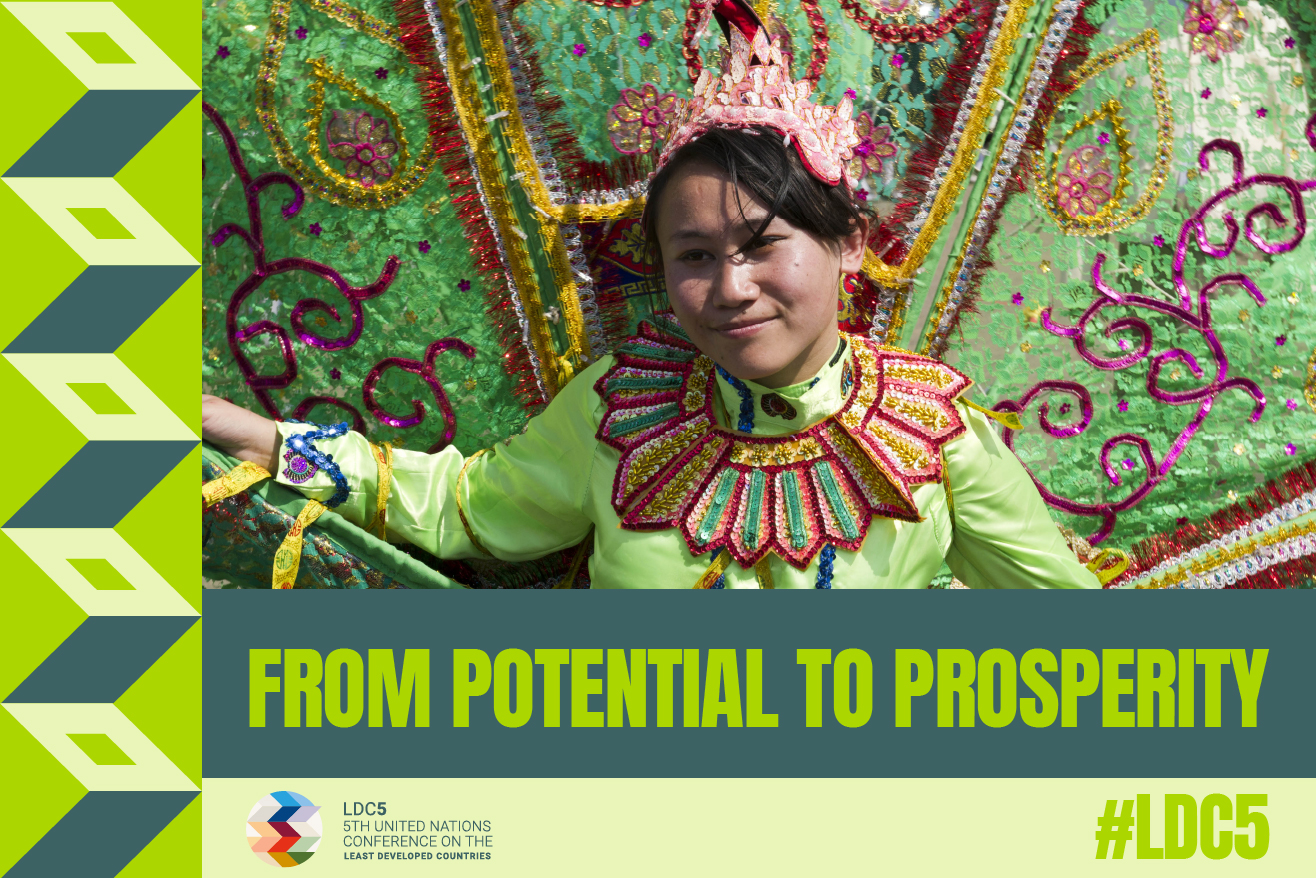
The Fifth United Nations Conference on the Least Developed Countries (LDC5) is a once-in-a-decade opportunity to accelerate sustainable development in the places, where international assistance is needed the most. It is where the full potential of the Least Developed Countries can be harnessed, helping them make progress on the road to prosperity. In Doha, Qatar, from March 5-9, world leaders, along with the private sector, civil society, parliamentarians, and young people will raise new pledges, drive commitments and innovative solutions to deliver on the promise of the Doha Programme of Action.