Economic Development

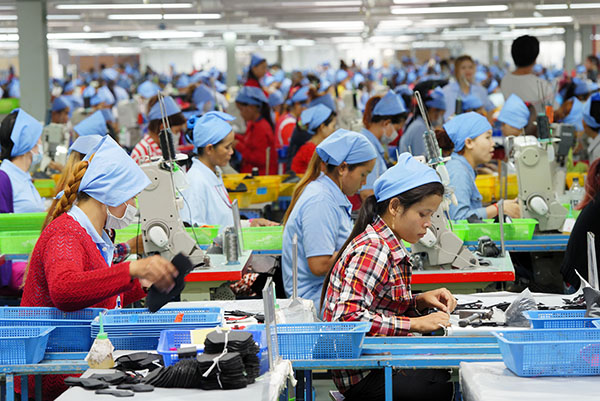
Women at a s sewing factory


Productivity is slowing in advanced economies and the trend has spread to emerging economies. The ILO’s World Employment and Social Outlook – Trends 2023 report, described productivity as “key to addressing today’s multiple crises” and “a linchpin of a just transition”. How can productivity be improved and how can those gains be channelled to build the foundations of a just transition to a more sustainable and equitable future? 

In this latest edition of the Future of Work podcast, ILO's Sophy Fisher finds out with José Manuel Salazar-Xirinachs, Executive Secretary of ECLAC and Daniel Samaan, ILO's Senior Macro-economist. 
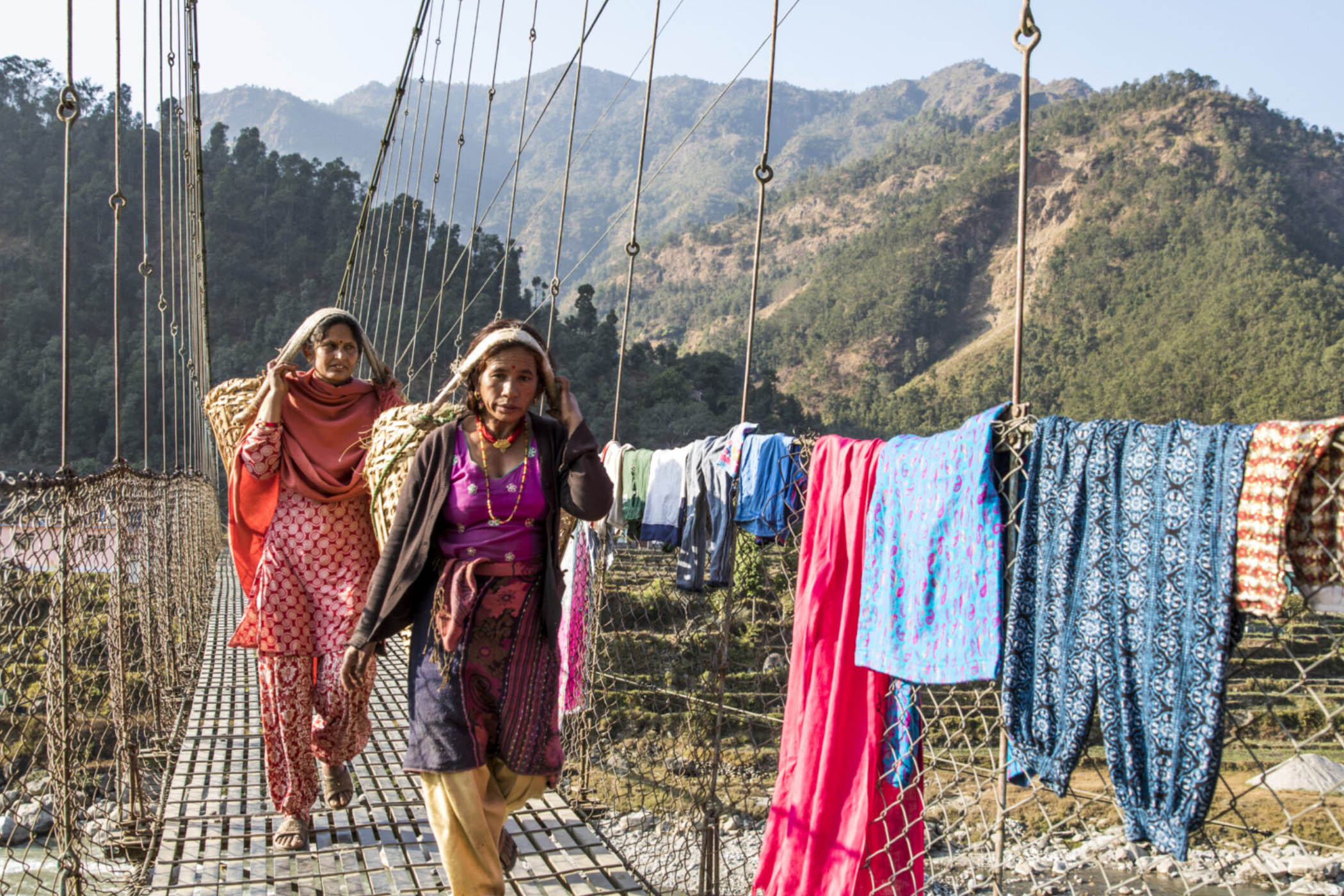
 

women walking on rope bridge

Least developed countries (LDCs) represent around 880 million people. That is 13 per cent of the world’s population. LDCs confront the biggest barriers to sustainable development. They face energy poverty, limited access to markets, lack of productive capacity and climate vulnerability. Together with partners, UNOPS implements a broad range of sustainable development projects in LDCs – supporting vulnerable communities and advancing opportunities and equality. The projects increase access to sustainable energy, build critical public infrastructure, strengthen resilience and expand health capacity.

After a difficult migratory journey to follow in the footsteps of his friends, he chose to return to his native region and set up a sewing workshop with the help of IOM, as part of his socio-economical reintegration. Kafoumba is originally from the N'Zérékoré region of Guinea, but it was in Côte d'Ivoire that he acquired his unique style of tailoring.

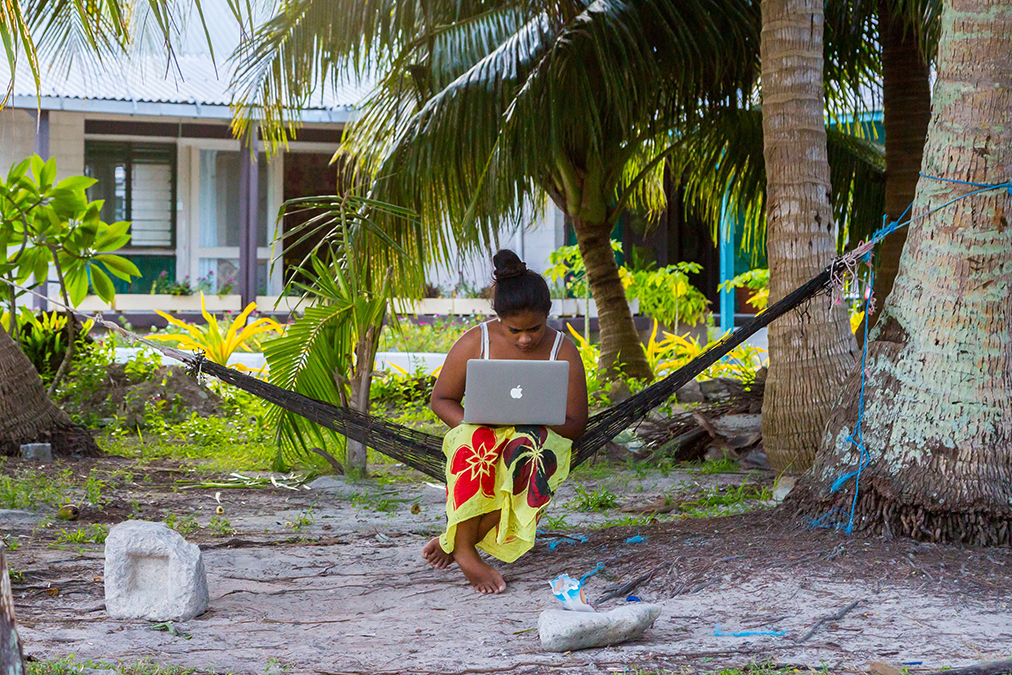
Young Polynesian woman in a hammock with a notebook working outdoors under palm trees.

Digital technologies and e-commerce have the potential to transform livelihoods in the Pacific by enhancing trade across sectors and industries, finds UNCTAD in a new report.


As Sri Lanka experiences its worst economic crisis, the most vulnerable groups are forced to grapple with further exacerbated challenges. Especially for those engaged in the agriculture and fisheries sector, their livelihoods have been severely disrupted on all fronts. In the present situation, ILO Sri Lanka’s LEED+ project is supporting vulnerable members of the farming community in the Northern Province through short-term employment in infrastructure developments. 

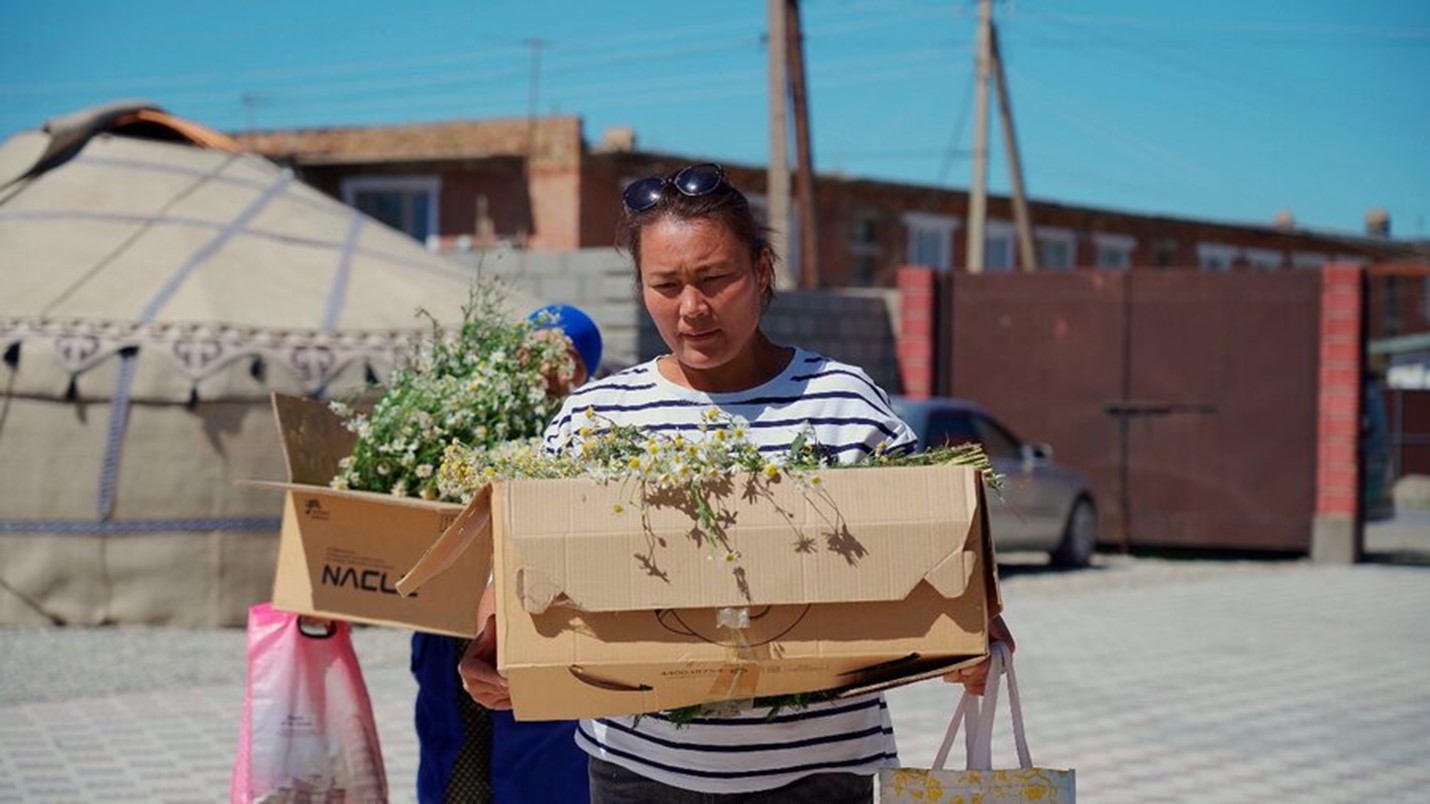
Kyrgyzstan’s northern At-Bashy district

A herbal industry opens horizons for mountain farmers

An herbal industry opens horizons for mountain farmers

The unforgiving climate and mountainous terrain in Kyrgyzstan’s northern At-Bashy district make agriculture risky and employment opportunities rare. Rich in natural resources, landlocked Kyrgyzstan is nonetheless highly dependent on remittances and foreign assistance, making the country vulnerable to external shocks. WFP-led collaboration is giving women like Baktygul new income-earning opportunities by capitalizing on At-Bashy’s clean water and fresh air to grow herbs for essential oils. Batygul counted among some 1,000 smallholder farmers trained by WFP on herb-planting agro-technologies, together produce and supply upto 3000kg of the raw materials that are processed into essential oils and dried products for use in industries.  

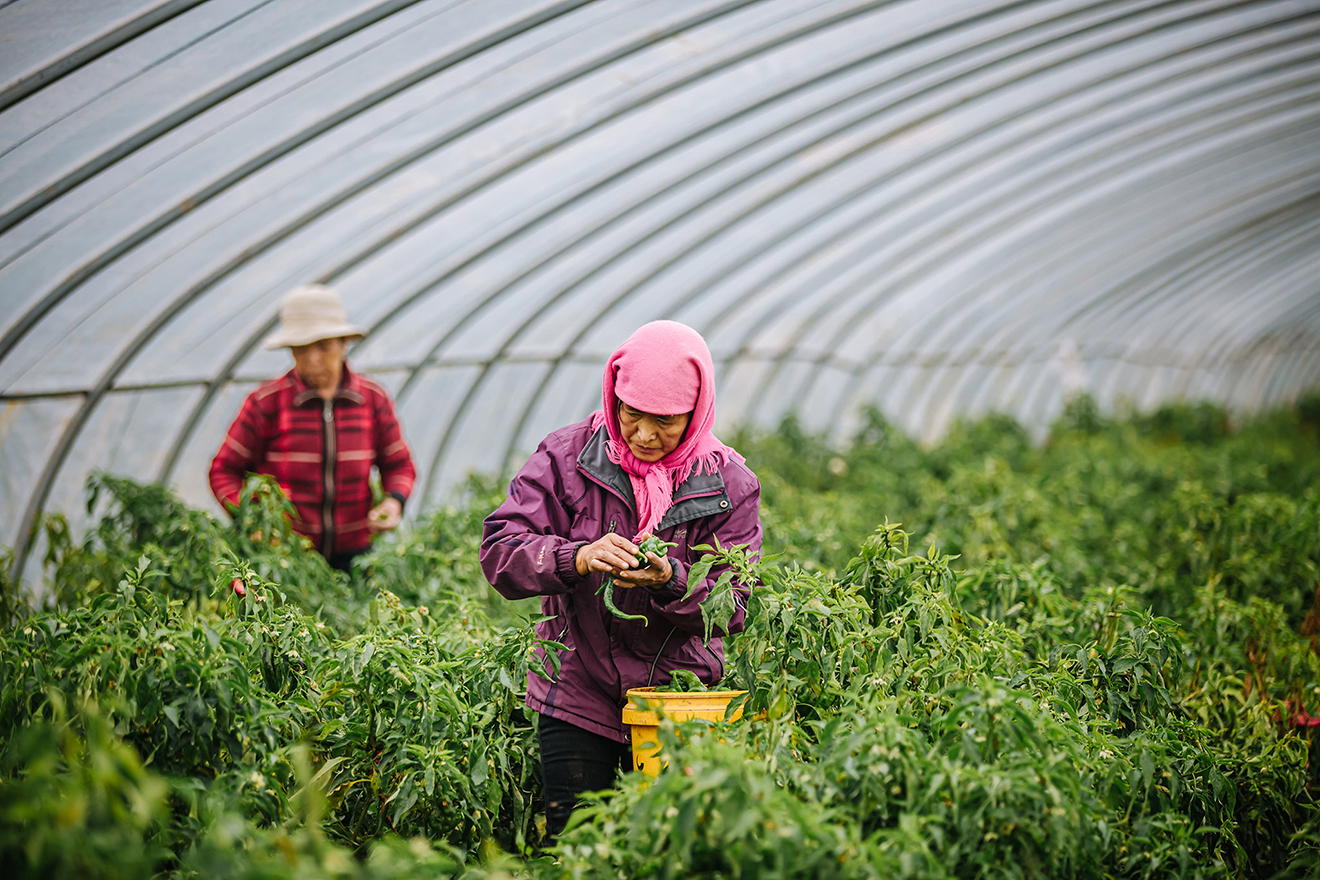
Woman working in an orchard

COVID-19, the war in Ukraine and resulting food and energy crises, surging inflation, debt tightening, and the climate emergency battered the world economy in 2022. World output growth is projected to decelerate from 3% in 2022 to 1.9% in 2023, one of the lowest growth rates in recent decades, according to the UN World Economic Situation and Prospects 2023. The flagship report of DESA presents an uncertain economic outlook. Global growth is forecast to moderately pick up to 2.7% in 2024 as some of the headwinds will begin to subside, but stronger international cooperation is imperative.

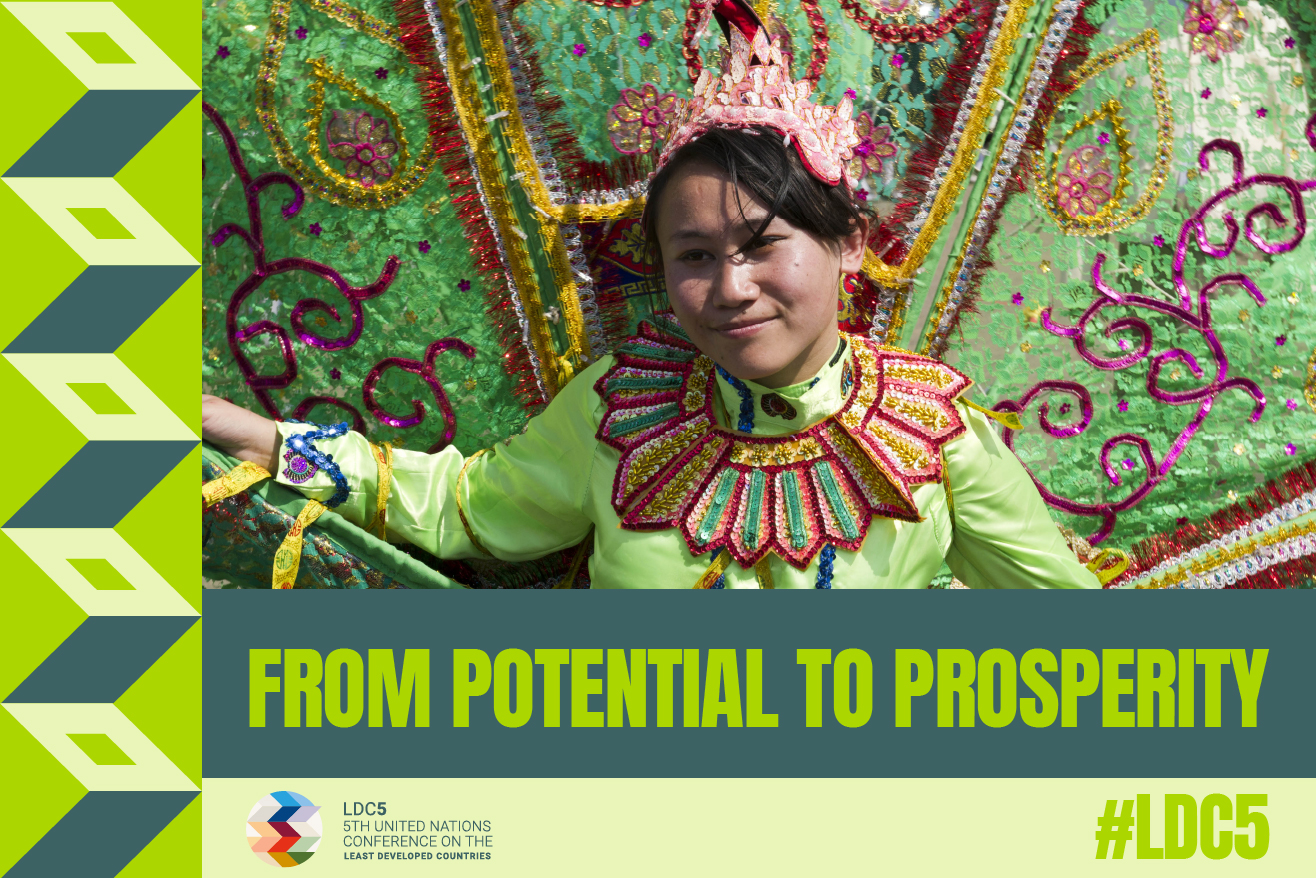
woman in ethnic dress

The world’s least developed countries (LDCs) are in a race to deliver crucial global development goals by 2030. The 5th United Nations Conference on Least Developed Countries, held in Doha, Qatar on 5-9 March 2023, will identify actions and partnerships to deliver on this agenda.

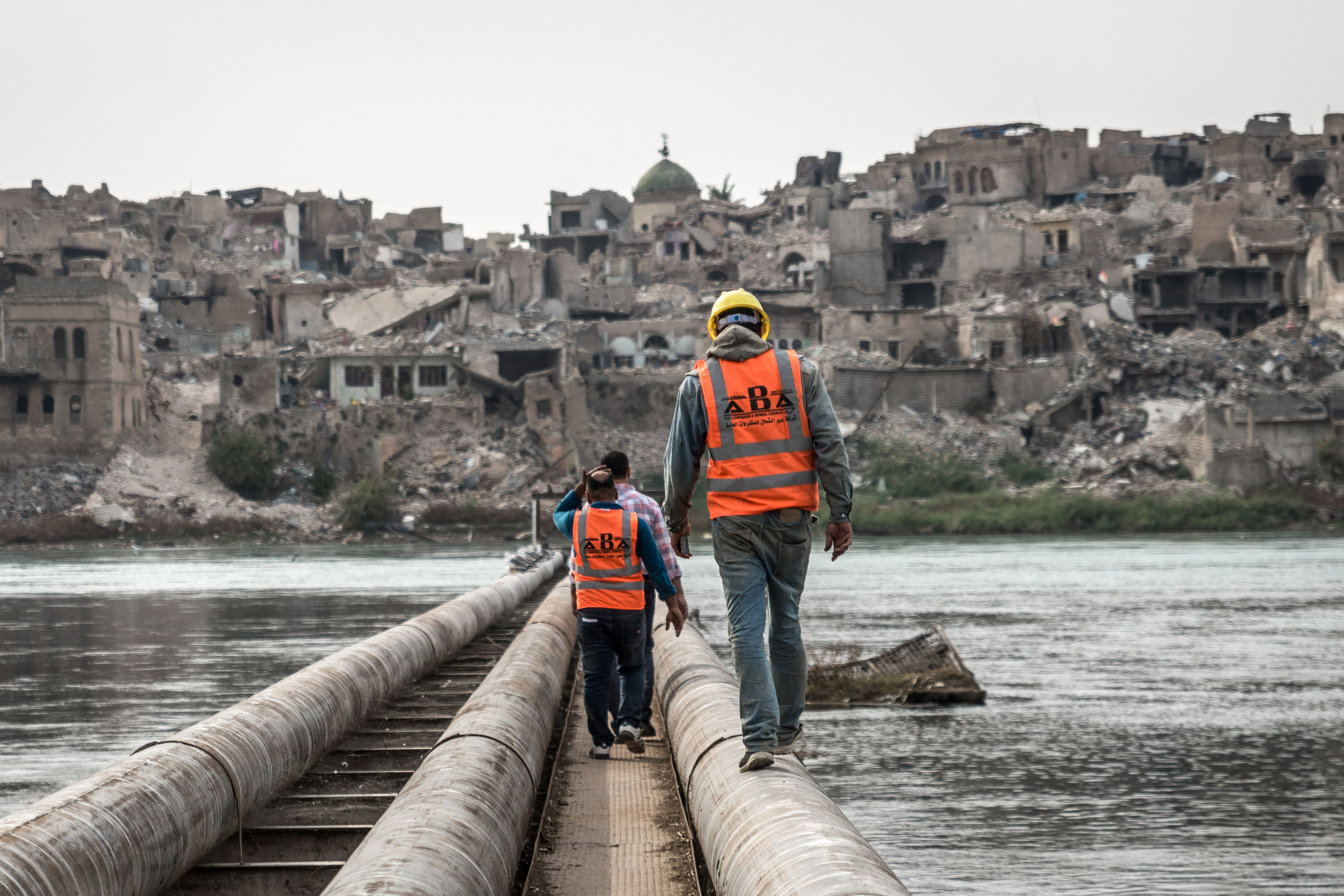
Three men walking on pipes across a river towards a town in ruins

We are witnessing an ongoing collision of crises for which traditional response and recovery are not enough. Our future is at stake, as wars, epidemics, the climate emergency and economic upheaval leave almost no country untouched. Emerging from crisis depends on development. Development must be invested in, systematically and comprehensively. Multilateralism and development cooperation have never been more important. The complexity of the path ahead makes it imperative to act together, in partnership. UNDP is always building on its partnerships and decades of experience in countries.

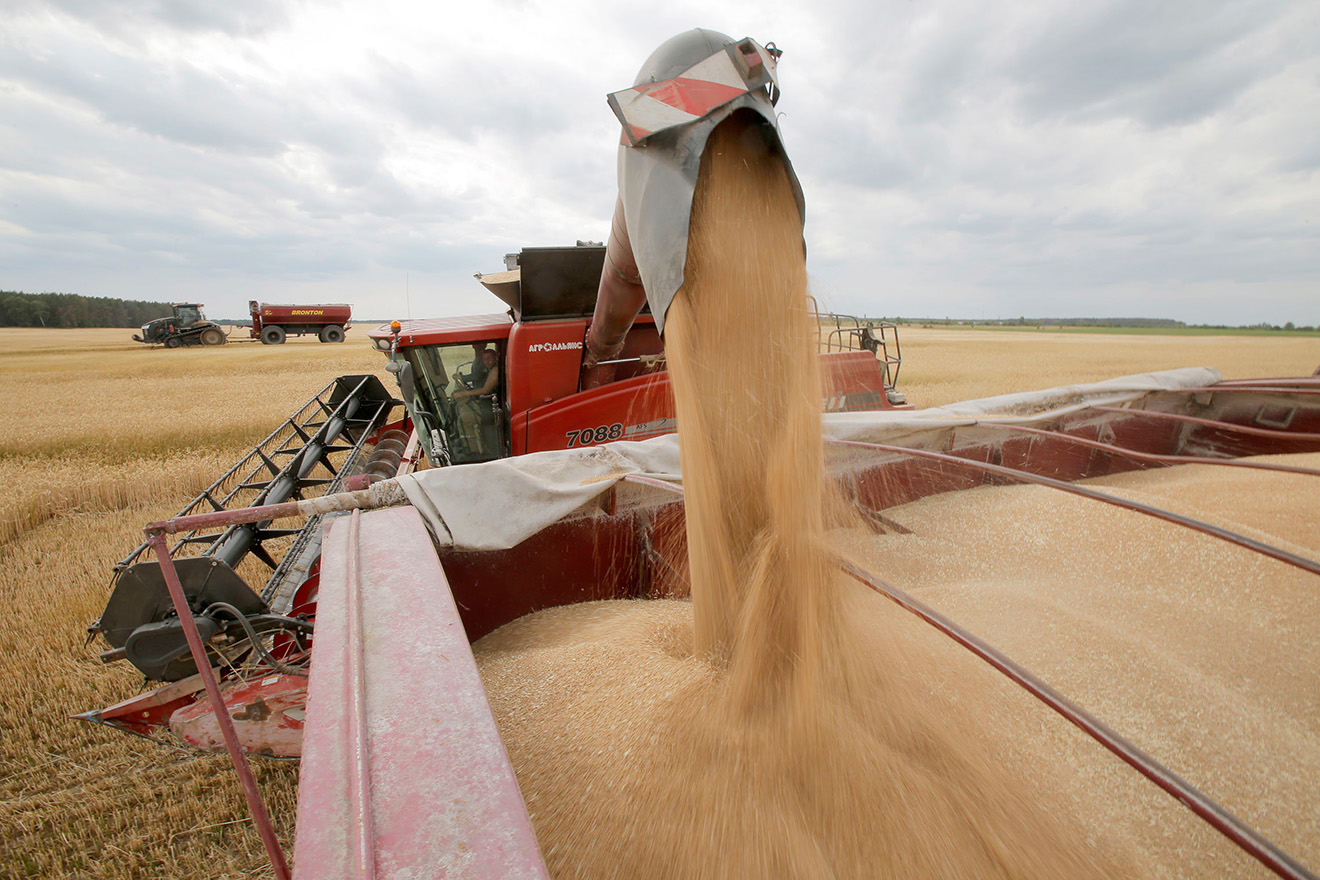
Farmers reloading wheat into a bunker

Global growth is slowing down sharply in the face of elevated inflation, higher interest rates, reduced investment, and disruptions caused by Russia’s invasion of Ukraine, says the World Bank's latest Global Economic Prospects report. The report provides global, regional, and country economic forecasts for the next two years. It offers the first comprehensive assessment of the medium-term outlook for investment growth in emerging market and developing economies and sheds light on the dilemma of 37 small states, with a population of 1.5 million or fewer.

a man wearing a suit and a worker’s helmet leans forward forehead to hand as in a pensive pose

As an unstable and uneven economic recovery took form during 2022, global development faced a crisis. A global vaccination effort helped countries begin emerging from the pandemic. Food inflation and food insecurity rose significantly throughout the year, exacerbated by climate change and Russia’s invasion of Ukraine - contributing to higher food, fuel, and fertilizer prices. To combat these multiple crises and help contribute to a more stable and equitable recovery, the World Bank worked to support countries to meet their greatest needs. Below is a snapshot of this work in nine charts.

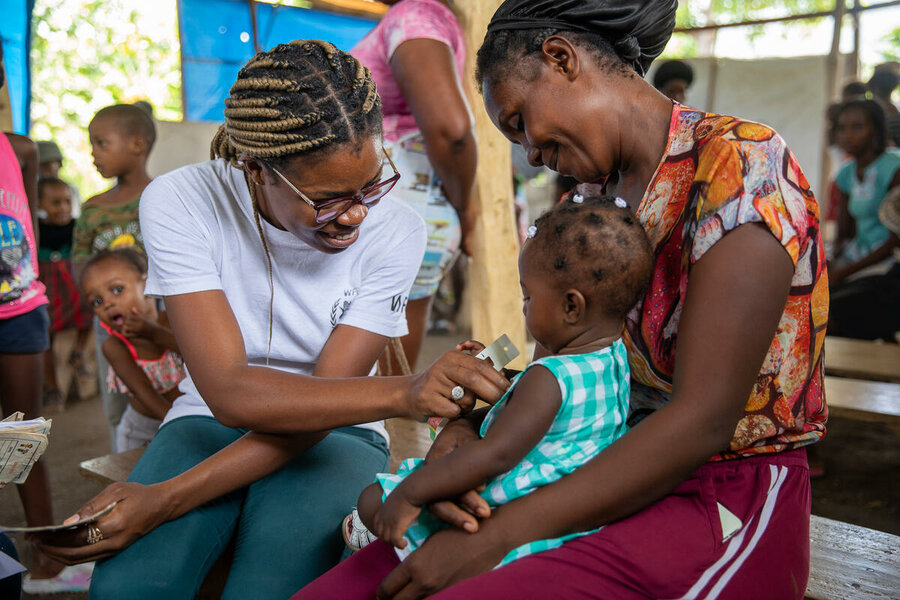
humanitarian worker with mother and baby

Following a decline in the global Human Development Index for two years in a row, human development has fallen back to 2016 levels, reversing much of the world’s progress towards the Sustainable Development Goals. International Human Solidarity Day provides an opportunity for us to come together in solidarity for our global future. It is an occasion to celebrate our unity in diversity and to encourage new initiatives to lift people out of poverty, hunger and disease. Human solidarity is at the core of the work of the United Nations. You can help us to help more.

Collage of images of currency representing banks and cog icons representing development.

The global economy is facing heightened risks and financial volatility, with global growth likely to have peaked. Geopolitical factors, trade disputes, financial market volatility and non-economic factors risk further impeding growth, stability and development and worsening poverty, inequality and vulnerabilities. Given the complex and ambitious set of transformations needed, coherence across policy areas is critical, and well-run national development banks can help countries develop financing options for Sustainable Development Goal-related investments. 

online newspaper projected in the horizon with a woman holding a laptop in the forefront

An essential part of the work on development and the SDGs consists of ensuring public access to information and the protection of fundamental freedoms. The role of the United Nations has been to assist the various national information media, by supplying accurate information from which these media may draw both substance and inspiration for their work. World Development Information Day (24 October) aims to draw the attention of the world to development problems and the need to strengthen international cooperation to solve them.

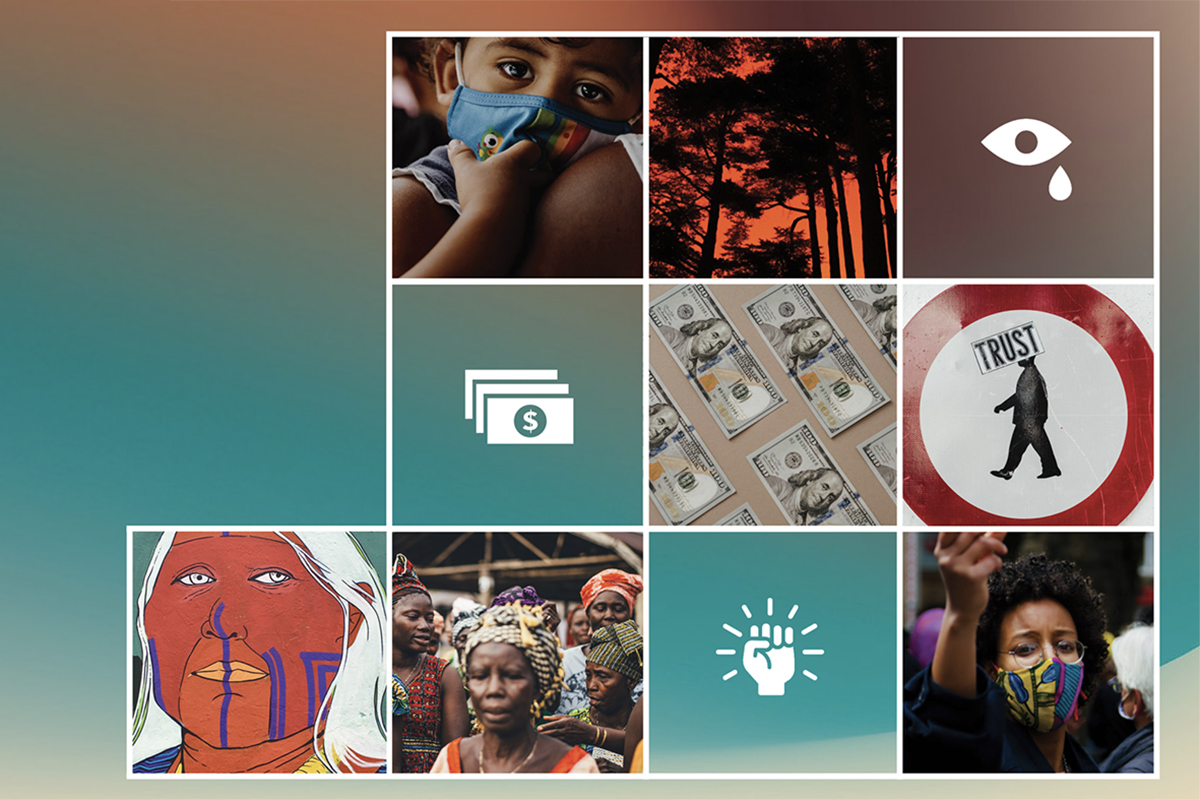
Collage of images from the report launch flyer representing inequality.

The global health crisis doubled the wealth of the 10 richest men in the world while sending upwards of 120 million people into extreme poverty. This year’s UNRISD Flagship Report shows how inequalities and crises reinforce and compound each other, leading to extreme disparity, vulnerability and unsustainability. It argues that this is not the result of a broken system but one in which inequality and injustice are built in by design. The social contract has broken down to the great detriment of people and planet. Join us for the launch of the Report on 21 October in Geneva.