

Well-informed policy decisions are needed in shaping AI's impact on productivity growth, the labor market, and industrial concentration.
Economic Development
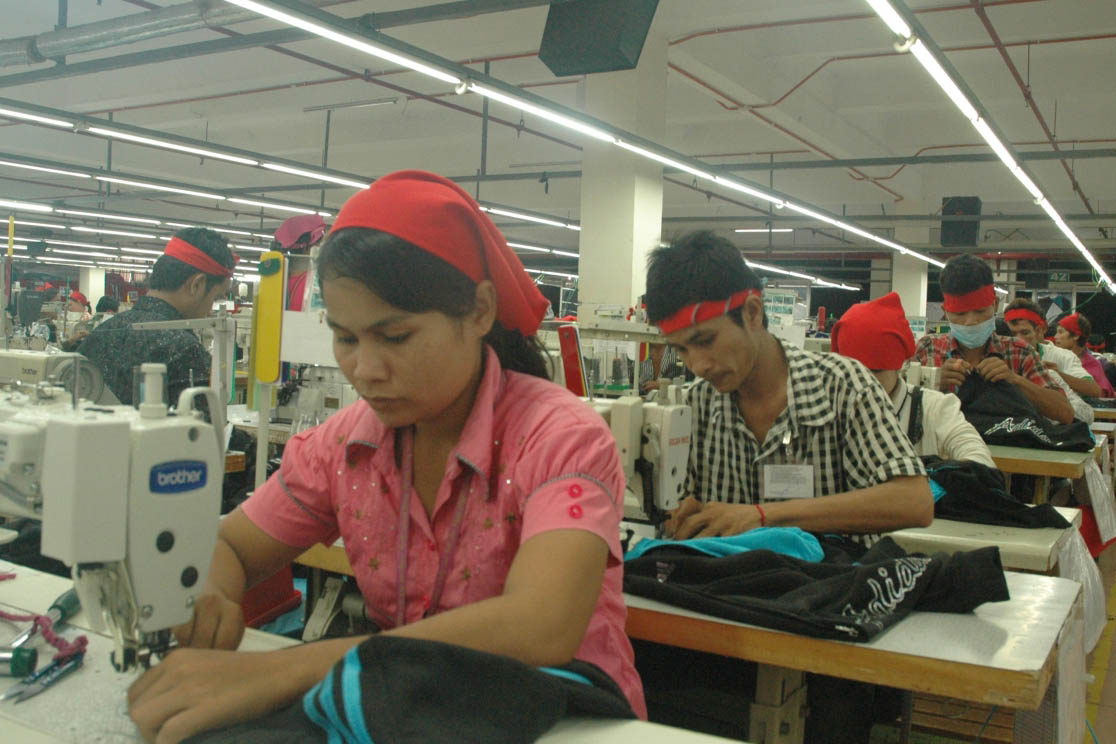
The UNIDO project has effectively reduced greenhouse gas emissions and promoted green technologies in 55 factories and SMEs, leading to a boost in productivity.
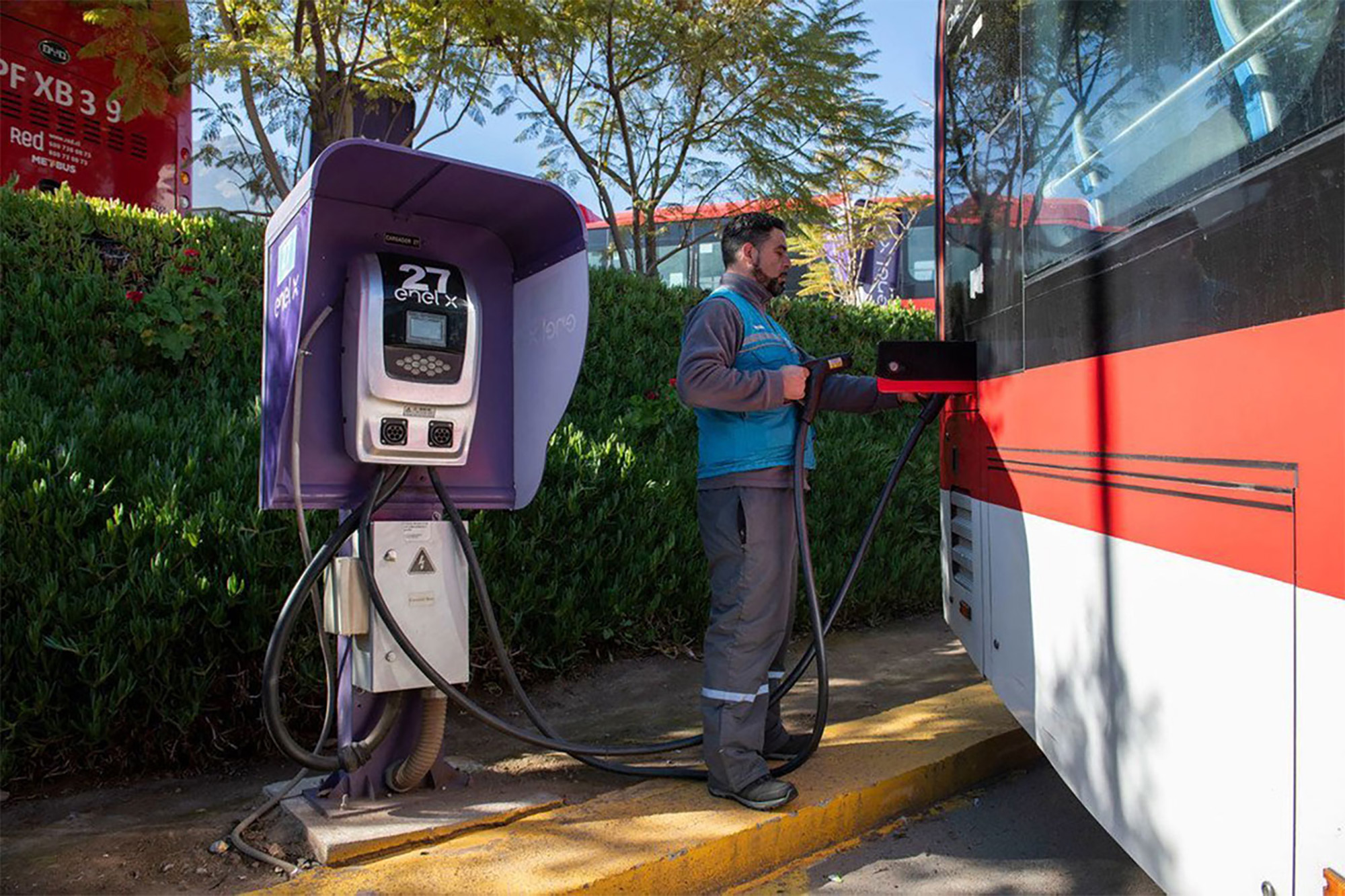
Global regulators will ignite discussions on the future of vehicle safety and emissions at the upcoming session of the Working Party on Pollution and Energy in Geneva (9-12 January). The Working Party on Pollution and Energy is one of the subsidiary bodies of the UNECE's World Forum for Harmonization of Vehicle Regulations, which is responsible for setting global automotive standards for vehicle safety and emissions. Follow the UNECE's website for updates on the Working Party's progress and to learn more about its work in shaping the future of environmentally friendly transportation.
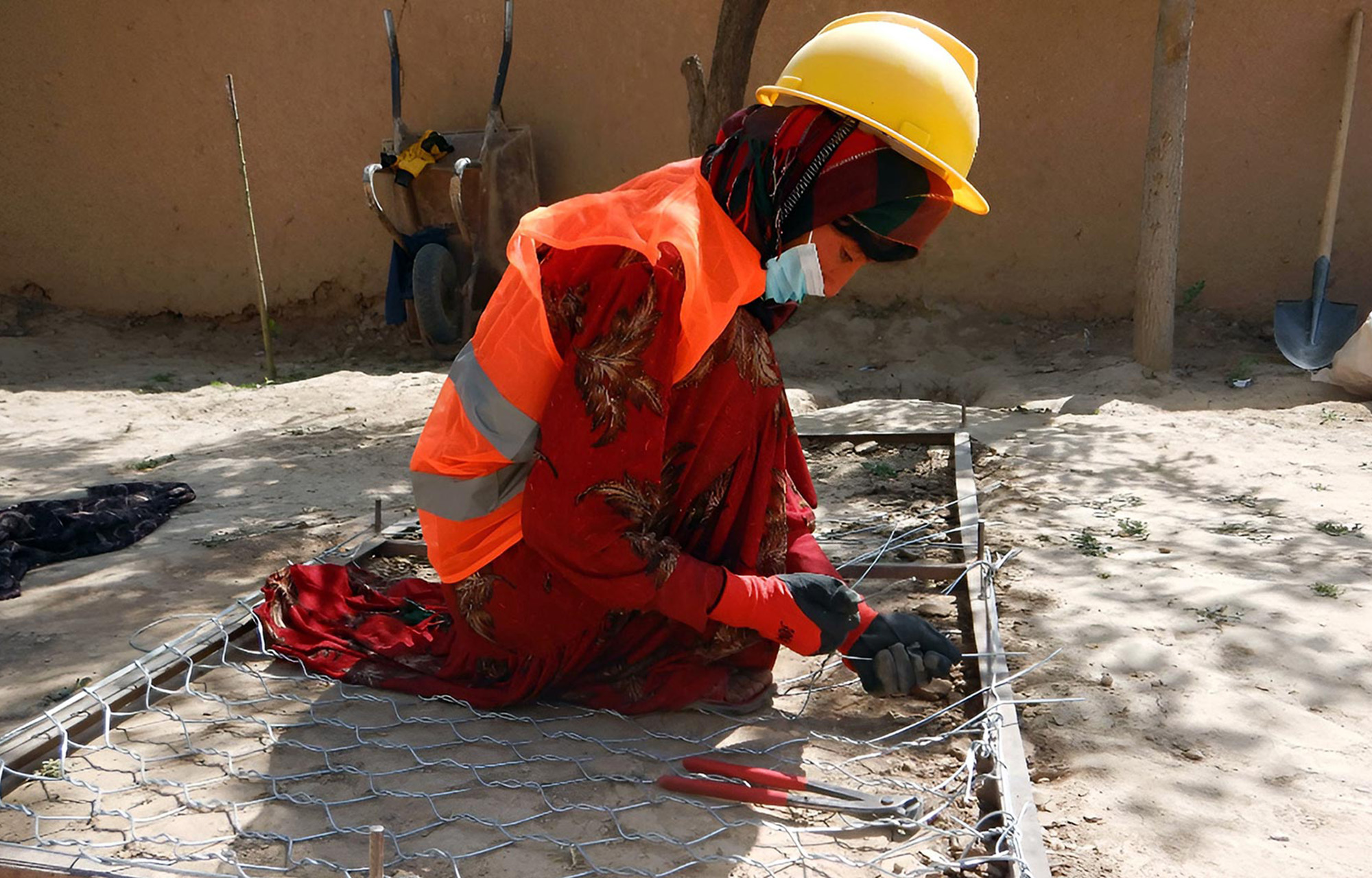
Cheshma Shirin is a village in Afghanistan where Fatema and her three children live. She weaves wire mesh for gabions to protect the village from flooding and erosion. It is a necessary skill in an area that has suffered from increasingly extreme weather, with floods and droughts affecting the villages. Fatema learned this skill through an Emergency Food Security project funded by the World Bank and the Food and Agriculture Organization (FAO), which provides essential livelihood support, health services, and food assistance to the people of Afghanistan. The project complements other FAO programmes aimed at long-term recovery and resilience-building.
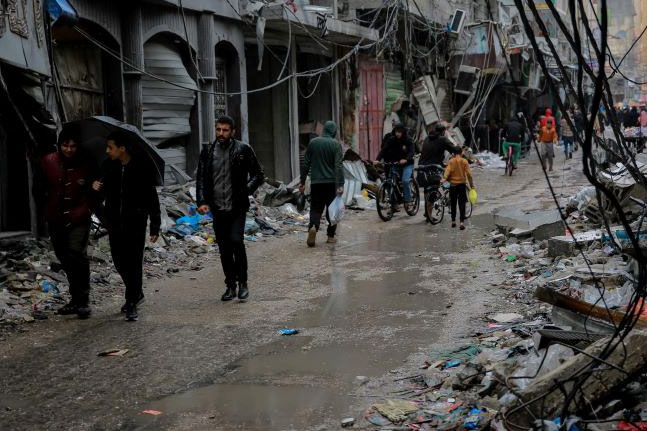
The escalation of hostilities in Gaza is continuing to have grave repercussions on lives and livelihoods, with cascading implications for the labour market.
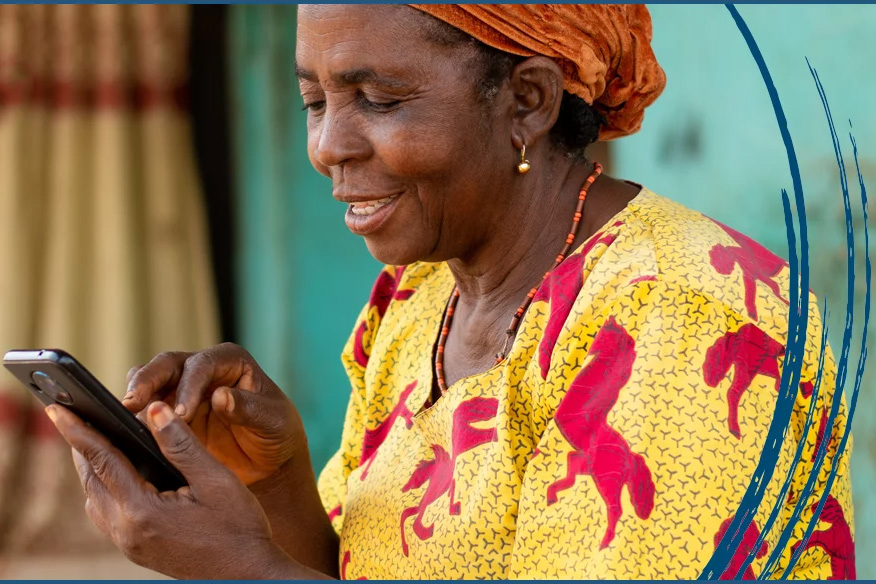
2023 is the year of inequality and it’s been made tougher by the compounding threats of climate change, fragility, conflict and violence, and food insecurity.
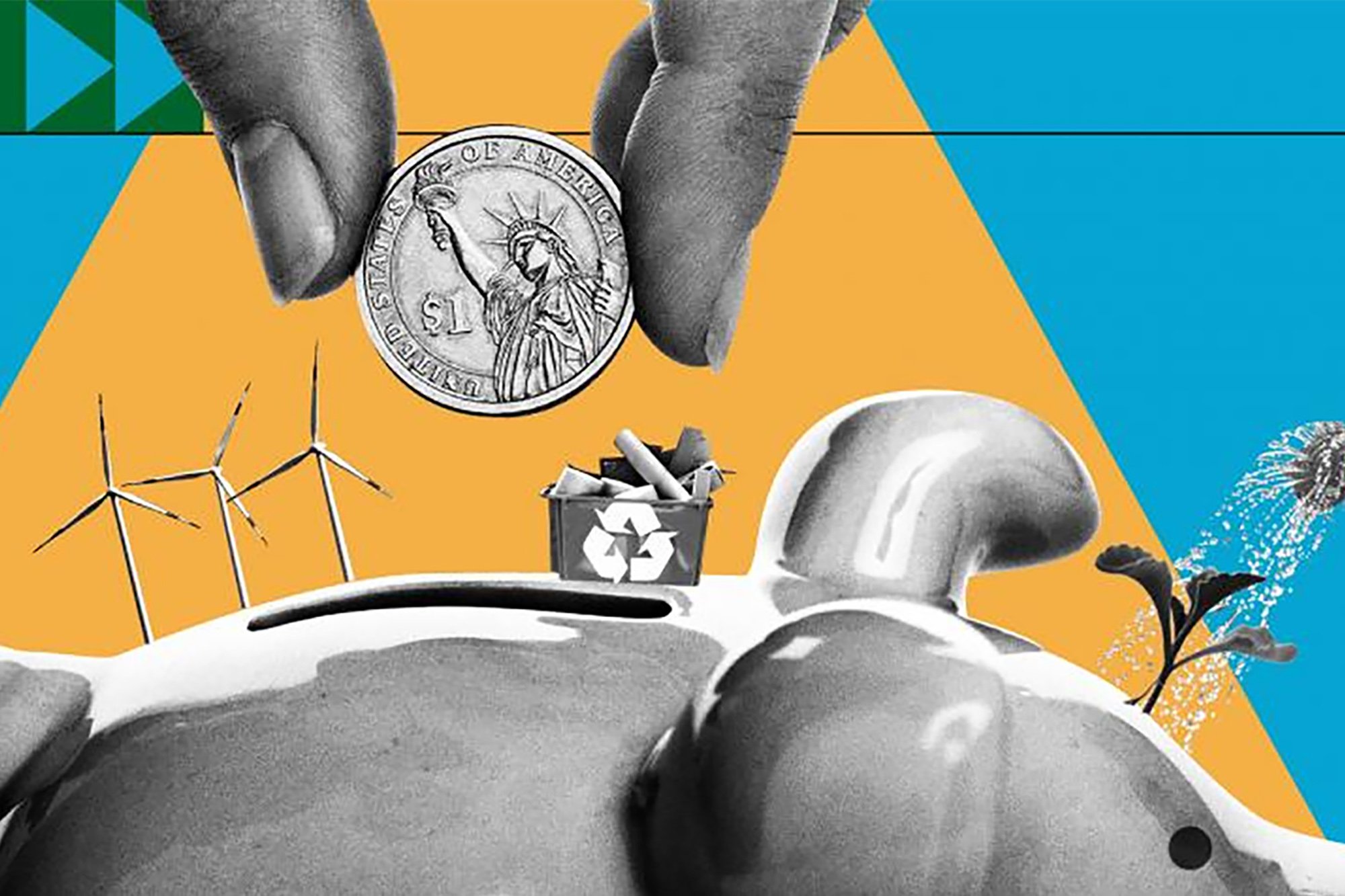
Reaching our climate goals requires huge investments, and every part of the finance sector plays a significant role in achieving them. This is why the UN Environment Programme has launched a new net-zero finance alliance, the first of its kind, involving public finance institutions via export credit agencies. The alliance is committed to supporting initiatives that promote a net-zero greenhouse gas emission by 2050, in line with a 1.5°C world. The announcement coincides with a thematic Finance Day at COP28, which promotes a sustainable future with diverse public and private finance solutions.
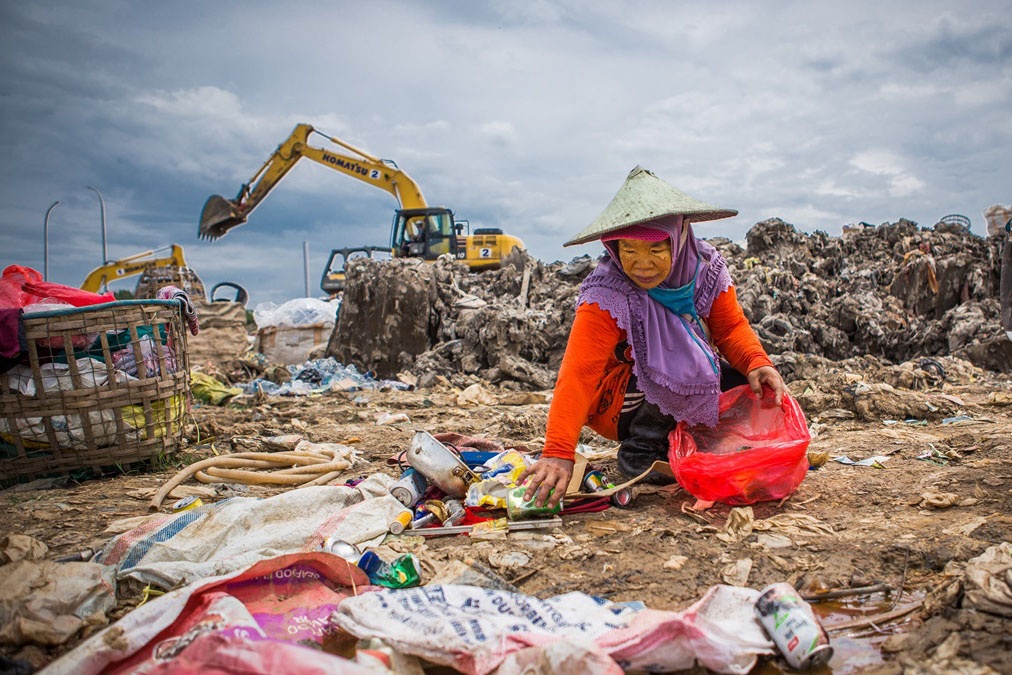
New data released by UNCTAD highlights the limitations of Gross Domestic Product (GDP) as an all-encompassing metric for progress, underscoring that higher economic output doesn’t equate to more inclusive and sustainable growth.
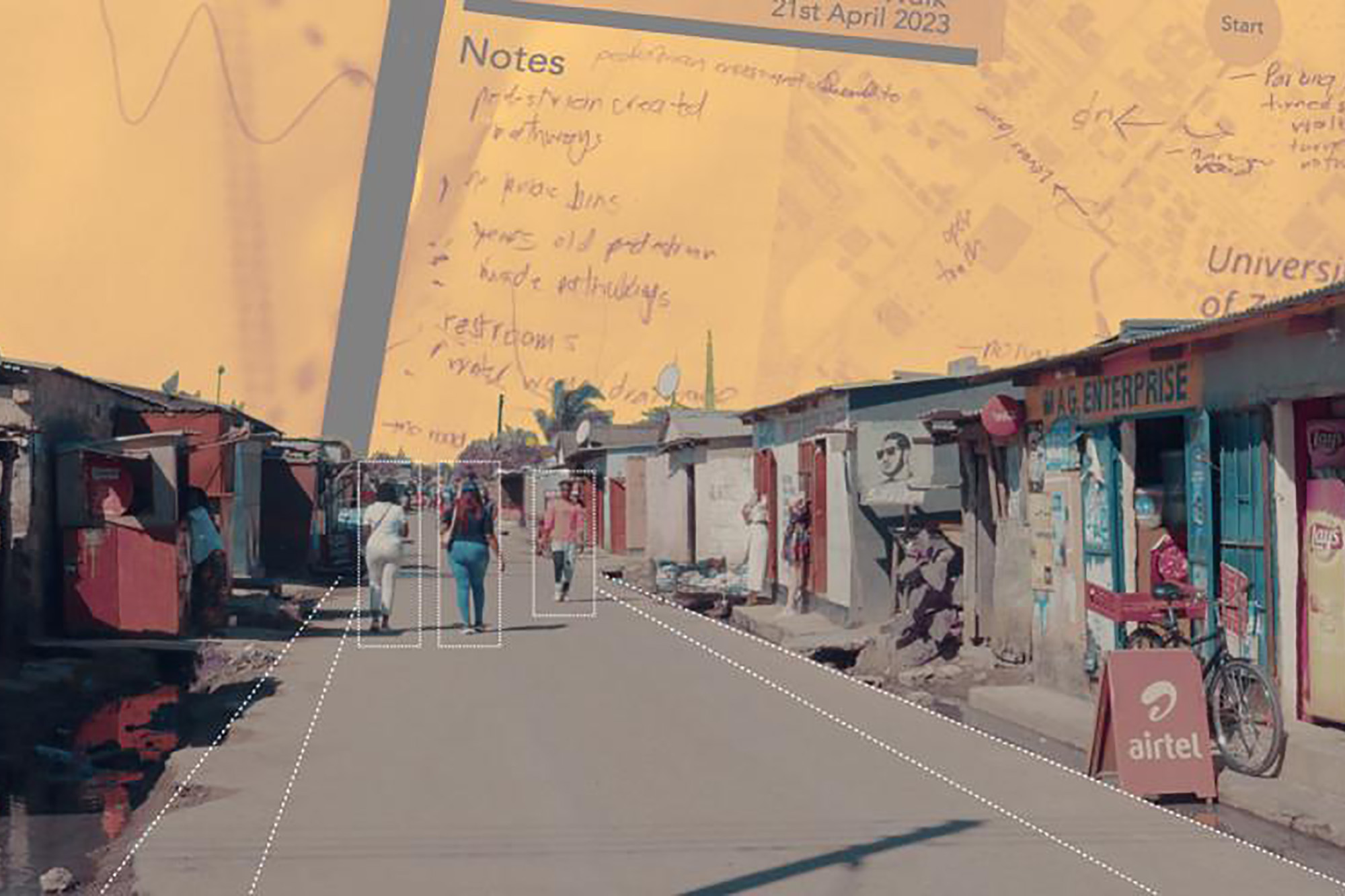
Cities, towns and surrounding areas act as powerful magnets for innovation, culture and opportunities, alluring talent and investment. Urban living has already been embraced by more than half of the world's population, and projections indicate that nearly 70 percent of us will live in cities by 2050. Urban areas can also be an inequality trap, with overcrowding, pollution, poor infrastructure and social injustice. While there isn't a one-size-fits-all formula for attaining sustainable urban development, the UN’s New Urban Agenda offers guidance and strategy. When the urban landscape is well planned and managed, it can be a transformative force to accelerate the SDGs.
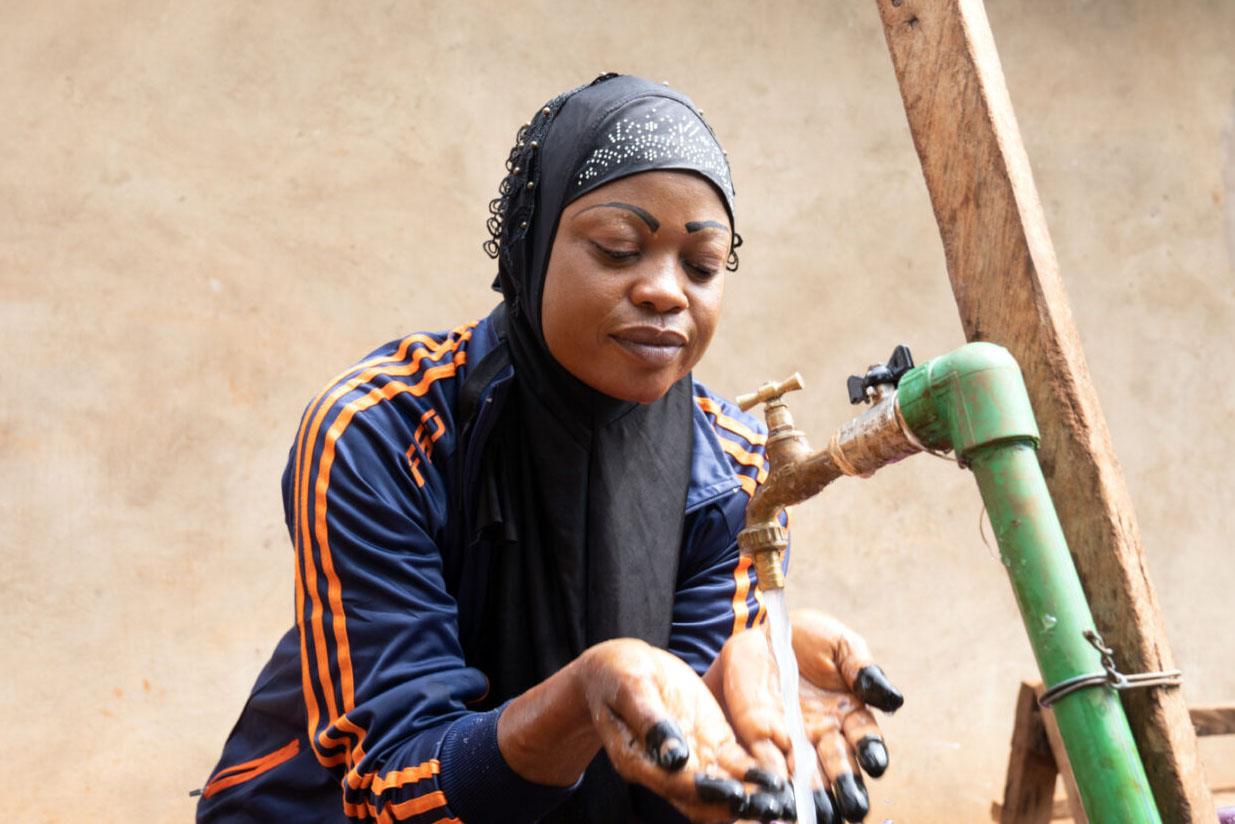
UNOPS is increasing access to educational and training opportunities, income-generating activities, gender-sensitive health services and safe drinking water for women living in rural areas across Africa.

Agriculture, energy and mining dependence can leave an economy vulnerable and people poor, especially in developing countries.
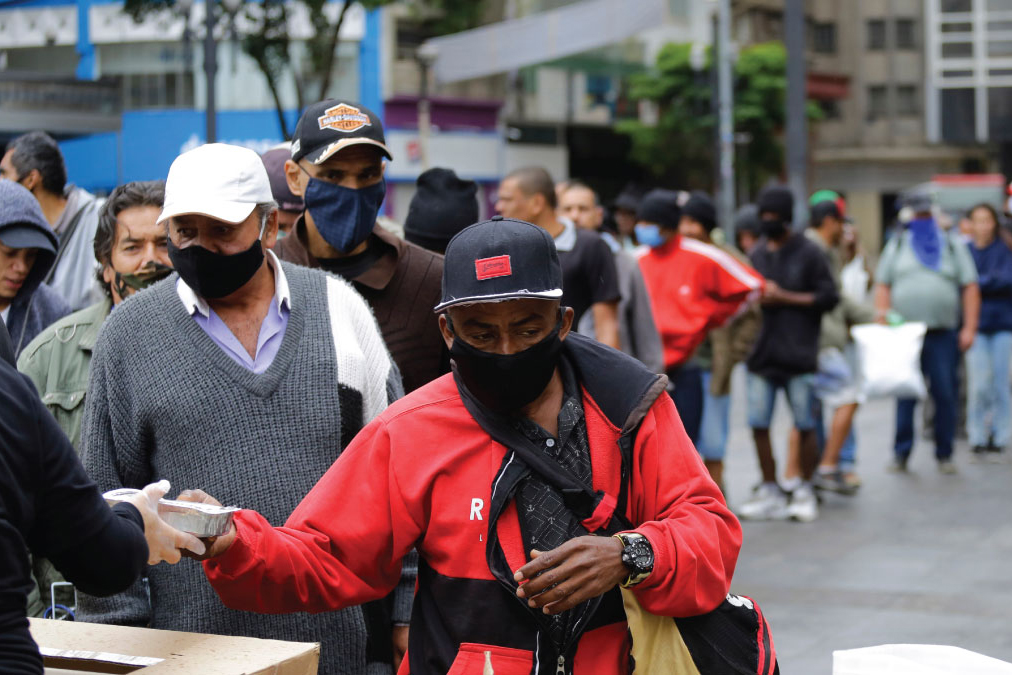
The global economy is at a crossroads, where divergent growth paths, widening inequalities, growing market concentration, and mounting debt burdens cast shadows on its future.
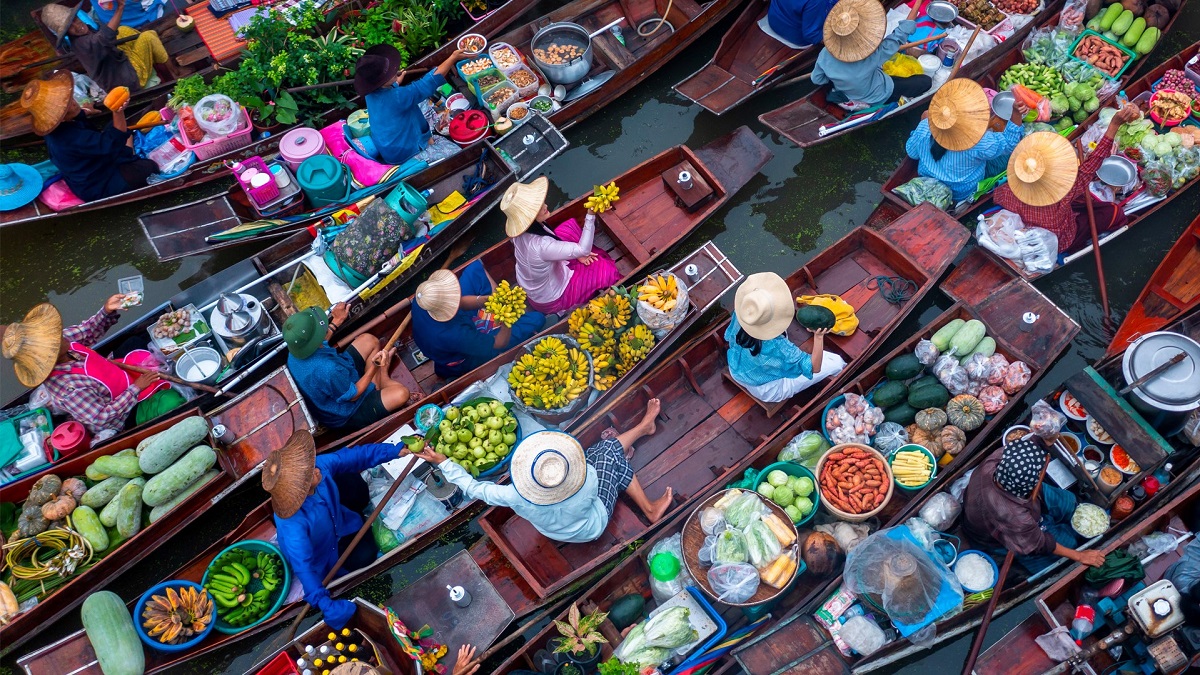
Over the last six months, UNCTAD has crunched the numbers on nearly 50 SDG indicators across 90 countries. The timely data underscores the pressing need for swift and targeted action.
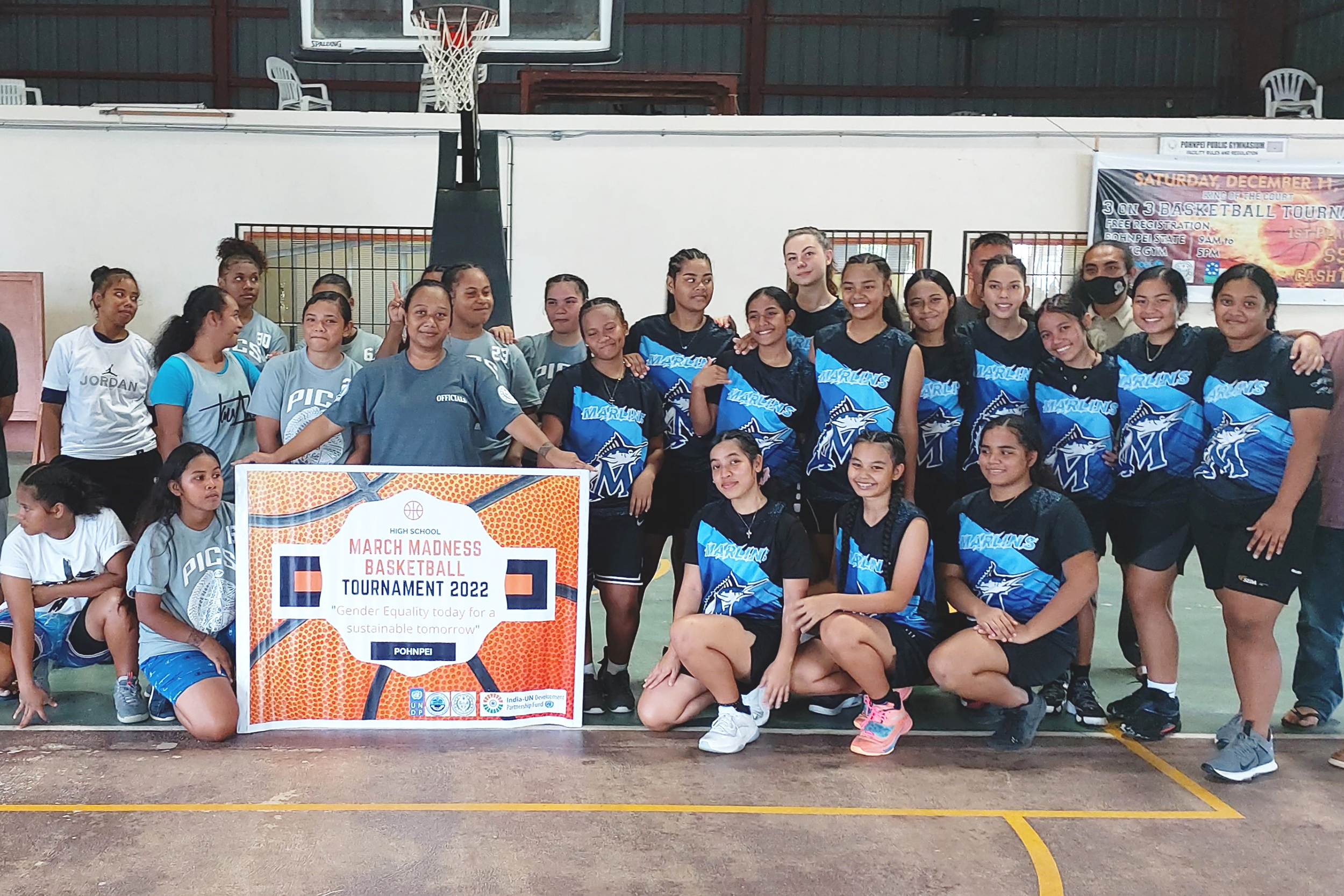
The 2023 International Day for South-South Cooperation (12 September) takes place a week ahead of the UN SDG Summit and is an opportunity to raise awareness of the practical actions to accelerate progress on the Sustainable Development Goals at the halfway mark to the 2030 target. South-South cooperation is a manifestation of solidarity among peoples and countries of the South that contributes to their national well-being, their national and collective self-reliance and the attainment of internationally agreed development goals, including the 2030 Agenda for Sustainable Development.
Apply today to participate in She Wins Africa, an International Finance Corporation initiative that offers training, support, pitching and networking opportunities to help women entrepreneurs access financing and succeed. The program provides investment readiness training, business skills training, pitching and matchmaking opportunities, all critical to helping women-led startups scale up their businesses. She Wins Africa is open to women-led startups operating in sub-Saharan Africa in any sector. Applications close on September 15th, 2023.