
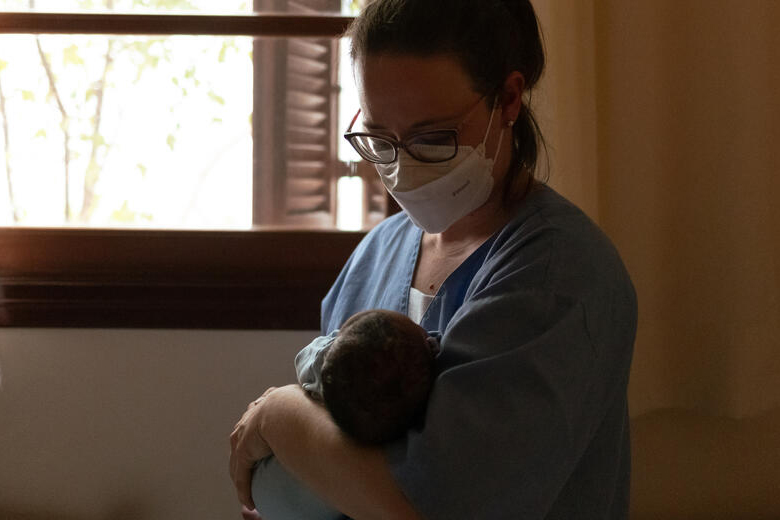
The single most important factor in stopping preventable maternal and newborn deaths: access to midwives. And yet the world is short of 900,000 of these essential service providers. Addressing this deficit could prevent two-thirds of maternal and newborn deaths, saving more than 4.3 million lives a year by 2035. What’s necessary now is the political will to expand the ranks and reach of midwives around the world. With that in mind, the UNFPA theme for the International Day of the Midwife this year is “Actioning Evidence: Leading the Way to Enhance Quality Midwifery Care Globally.”
Health
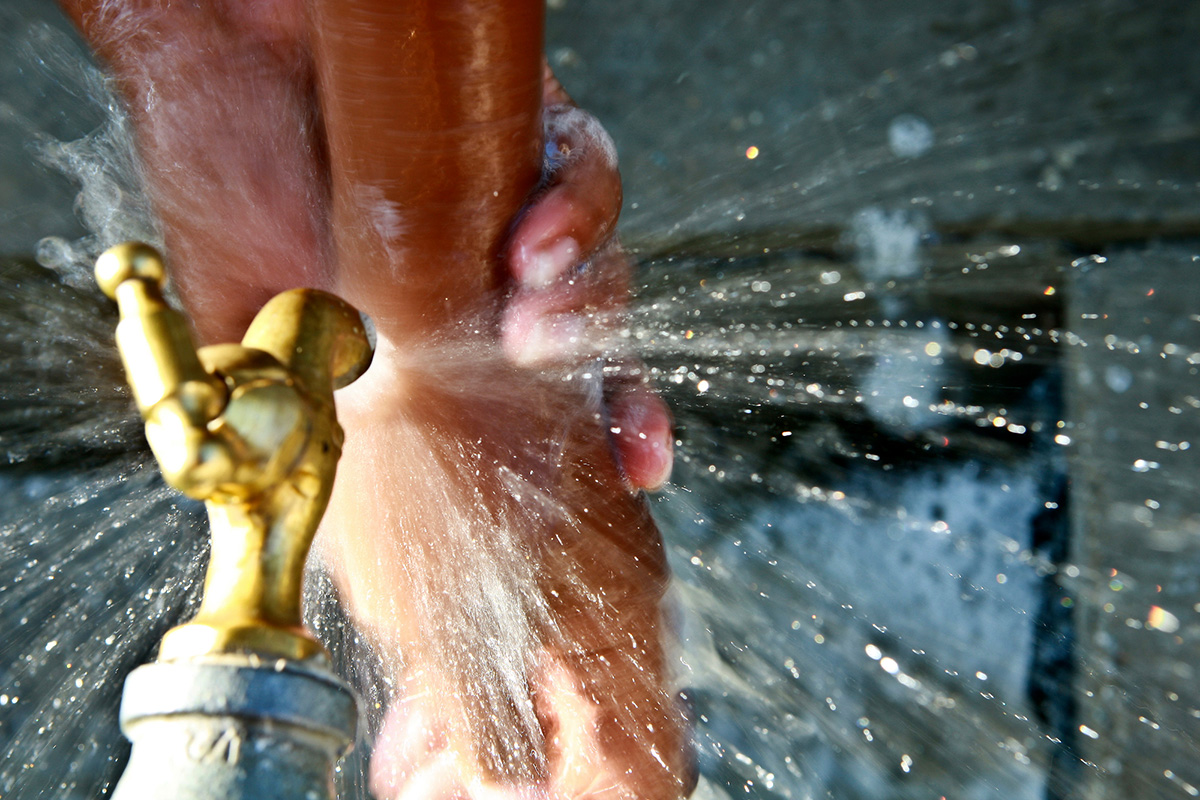
Hand hygiene saves millions of lives every year when performed at the right moments during health care delivery. It is also a smart investment that offers exceptional return for each dollar invested. Clean care is a sign of respect to those who seek care, and it protects health and other workers who provide that care. Together, on World Hand Hygiene Day 2023, we can accelerate action to prevent infections and antimicrobial resistance in health care. We can build a culture of safety and quality in which hand hygiene improvement is given high priority.
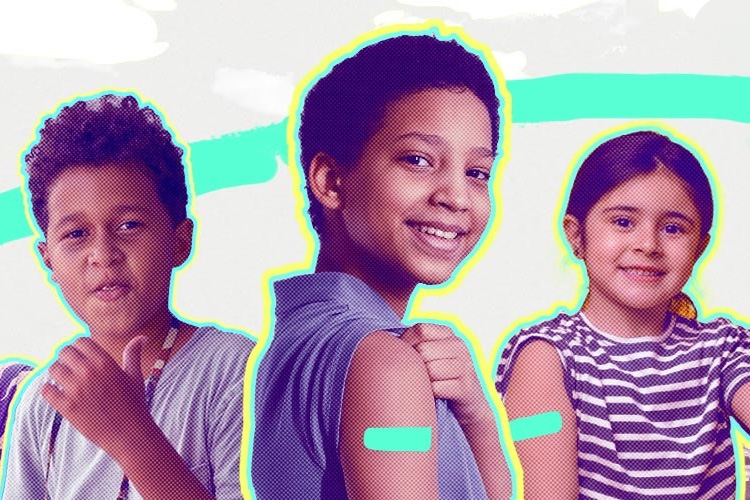
World Immunization Week, celebrated in the last week of April, aims to highlight the collective action needed to protect people from vaccine-preventable diseases. We need to act now to catch-up the millions of children who missed out on vaccines during the pandemic, restore essential immunization coverage to at least 2019 levels, and strengthen primary health care to deliver immunization. The ultimate goal of the observance is for more children, adults and their communities to be protected from vaccine-preventable diseases, allowing them to live happier, healthier lives.
WHO’s 75th anniversary year is an opportunity to look back at public health successes that have improved quality of life during the last seven decades. World Health Day 2023, also celebrates this anniversary and provides an opportunity to motivate action to tackle the health challenges of today and tomorrow. #HealthForAll #WHO75
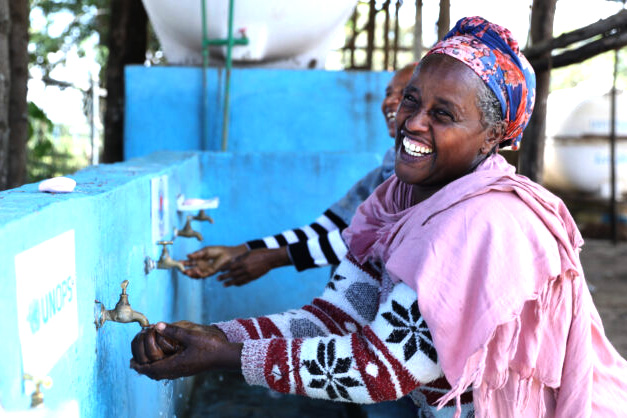
COVID-19 pushed healthcare systems to their breaking point. UNOPS works to help prevent the spread of COVID-19 and to minimize the toll on healthcare facilities and workers across Ethiopia.

Large numbers of people are affected by infertility, according to a new report by WHO. Around 17.5% of the adult population – roughly 1 in 6 worldwide – experience infertility, showing the urgent need to increase access to affordable, high-quality fertility care. The new estimates show limited variation of infertility between regions. The rates are comparable for high-, middle- and low-income countries, indicating that this is a major health challenge globally. Lifetime prevalence was 17.8% in high-income countries and 16.5% in low- and middle-income countries.
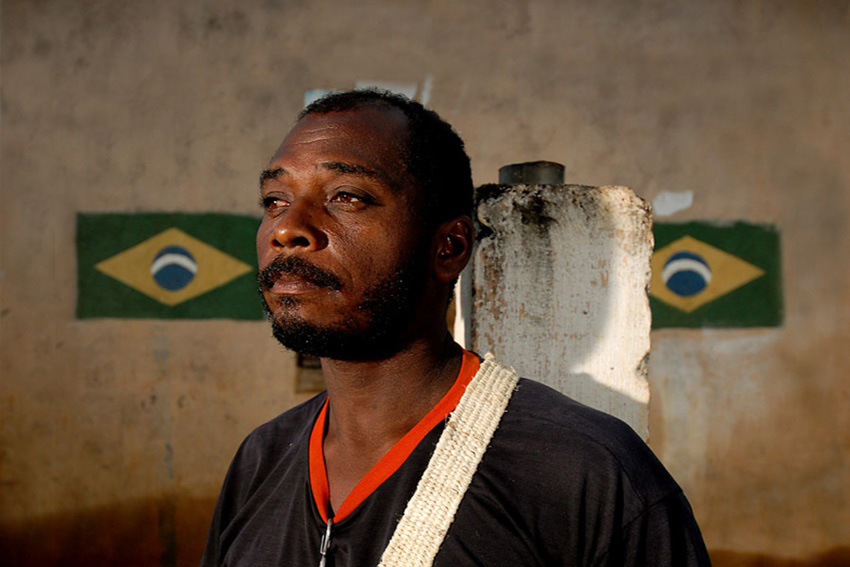
Chagas disease, also known as "silent or silenced disease", mainly affects poor people without access to health care - people without a political voice. The disease progresses slowly and is often asymptomatic. Without treatment, Chagas disease can lead to severe cardiac and digestive alterations and become fatal. There are approximately 6-7 million people infected with Chagas disease worldwide, with 10,000 deaths, every year. World Chagas Disease Day (14 April) aims to raise awareness of the disease to improve the rates of early treatment and cure, and to interrupt its transmission.
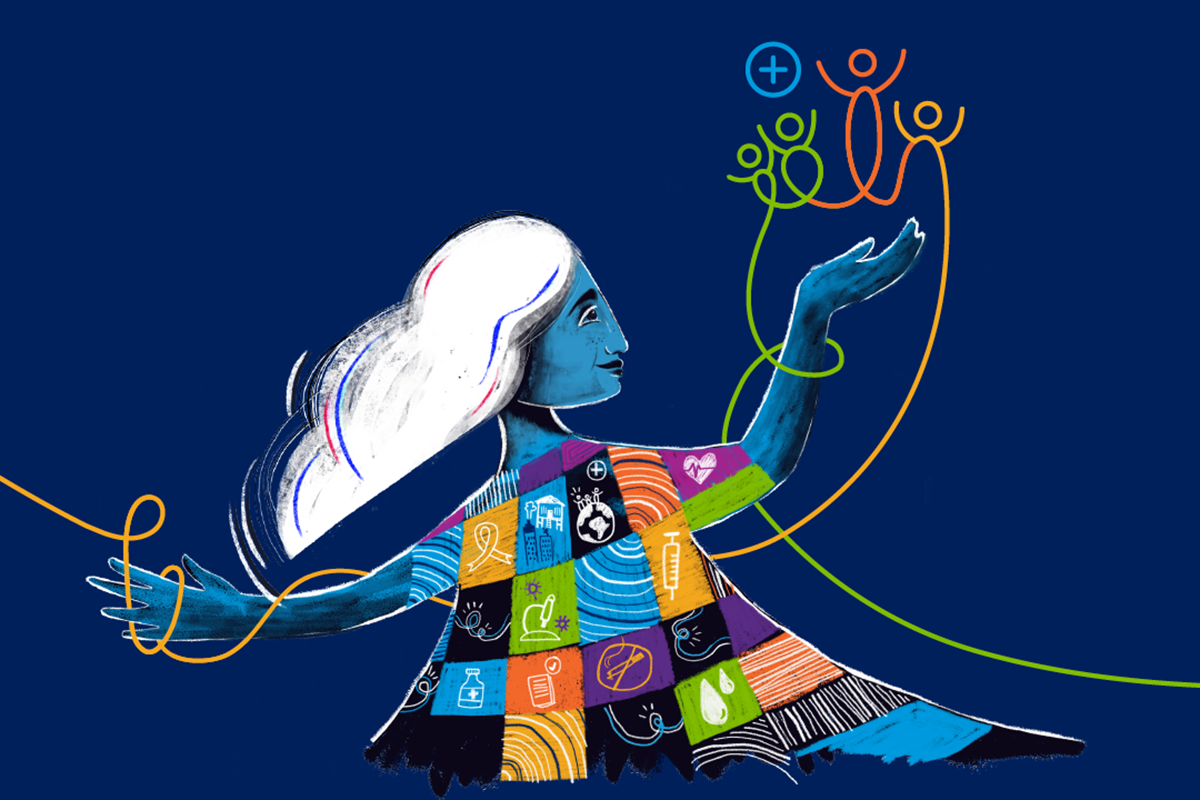
On this year’s World Health Day, the World Health Organization observes its 75th anniversary. In 1948, countries of the world came together and founded WHO to promote health, keep the world safe and serve the vulnerable – so everyone, everywhere can attain the highest level of health and well-being. WHO’s 75th anniversary year is an opportunity to look back at public health successes that have improved quality of life during the last seven decades. It is also an opportunity to motivate action to tackle the health challenges of today and tomorrow.
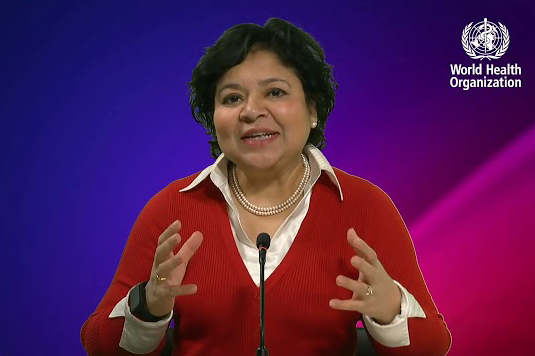
WHO’s latest report is urging all of us to reduce salt in our diet.
What happens when we consume too much salt?
How would we know if we are consuming too much salt and what can we do to reduce it?
WHO’s Dr. Francesco Branca explains to Vismita Gupta-Smith in Science in 5.
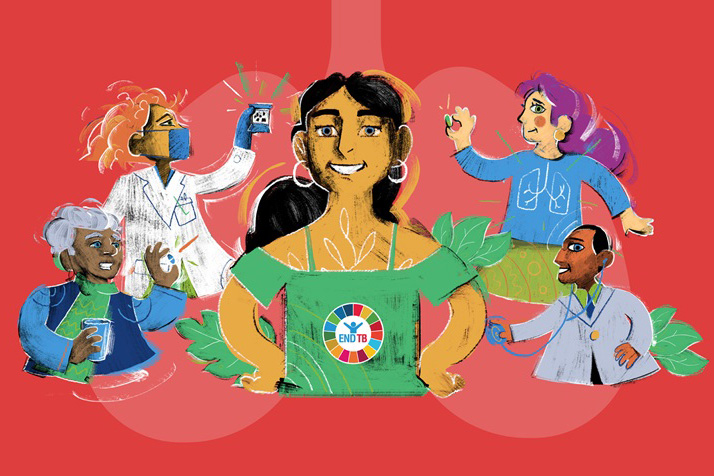
World Tuberculosis Day 2023 aims to encourage leadership, increased investments, faster uptake of new WHO recommendations, adoption of innovations, accelerated action, and collaboration to combat the TB epidemic. This year is critical, with opportunities to raise visibility and political commitment at the 2023 UN High-Level Meeting on TB. WHO will issue a call to action with partners to accelerate the rollout of shorter all-oral treatment regimens for drug-resistant TB. World TB Day is observed on 24 March, marking the day in 1882 when the bacterium causing TB was discovered.
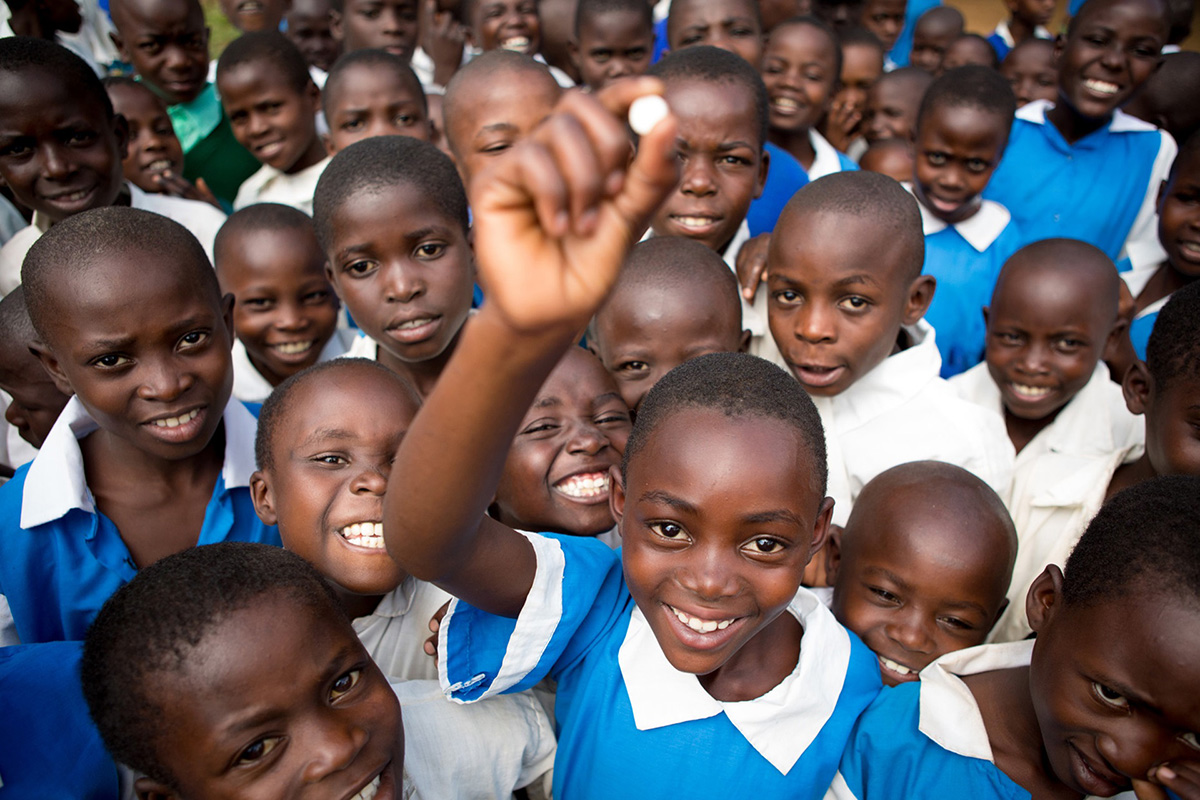
According to the new WHO progress report, “Global report on neglected tropical diseases 2023”, Neglected Tropical Diseases (NTDs) continue to disproportionately affect the poorest members of the global community, primarily in areas where water safety, sanitation and access to health care are inadequate. Around 1.65 billion people were estimated to require treatment for at least one NTD. However, progress is being made, by the end of 2022, 47 countries had eliminated at least one NTD and more countries were in the process of achieving this target.
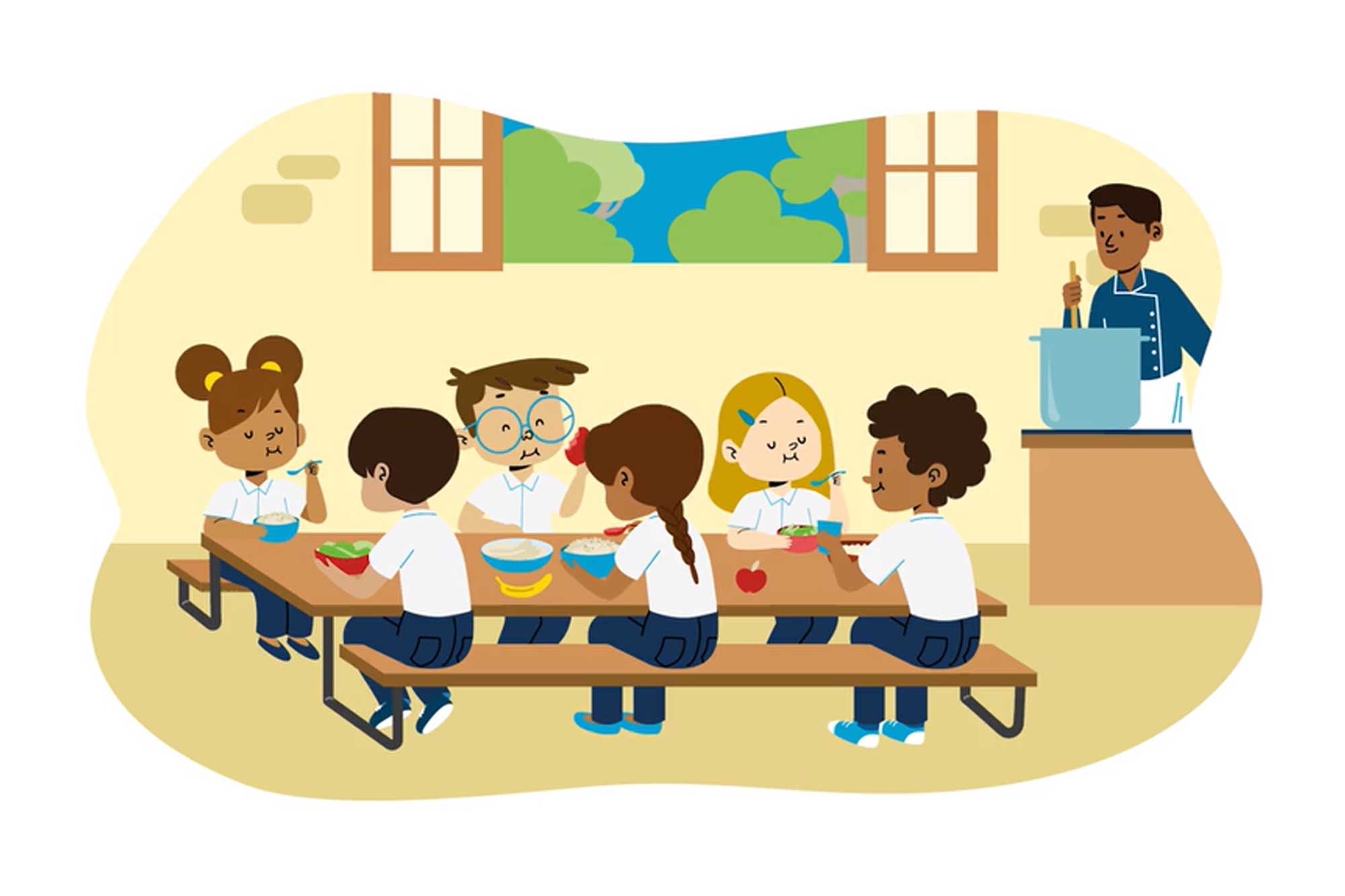
Globally, 149 million children under the age of 5 are too small for their age, 40 million overweight, many millions suffering from key nutrient deficiencies. Healthy diets are essential. Make healthy eating a habit!

Neglected tropical diseases (NTDs) are widespread in the world’s poorest regions, where water safety, sanitation and access to health care are less than optimal. NTDs affect over 1 billion people and are caused by a variety of pathogens including viruses, bacteria, parasites, fungi, and toxins. These diseases are “neglected” because they are almost absent from the global health agenda, receive little funding and are associated with stigma and social exclusion. This World Neglected Tropical Diseases Day join us to act and invest in eradication of NTDs.
WHO’s 75th anniversary year is an opportunity to look back at public health successes that have improved quality of life during the last seven decades. It is also an opportunity to motivate action to tackle the health challenges of today and tomorrow.
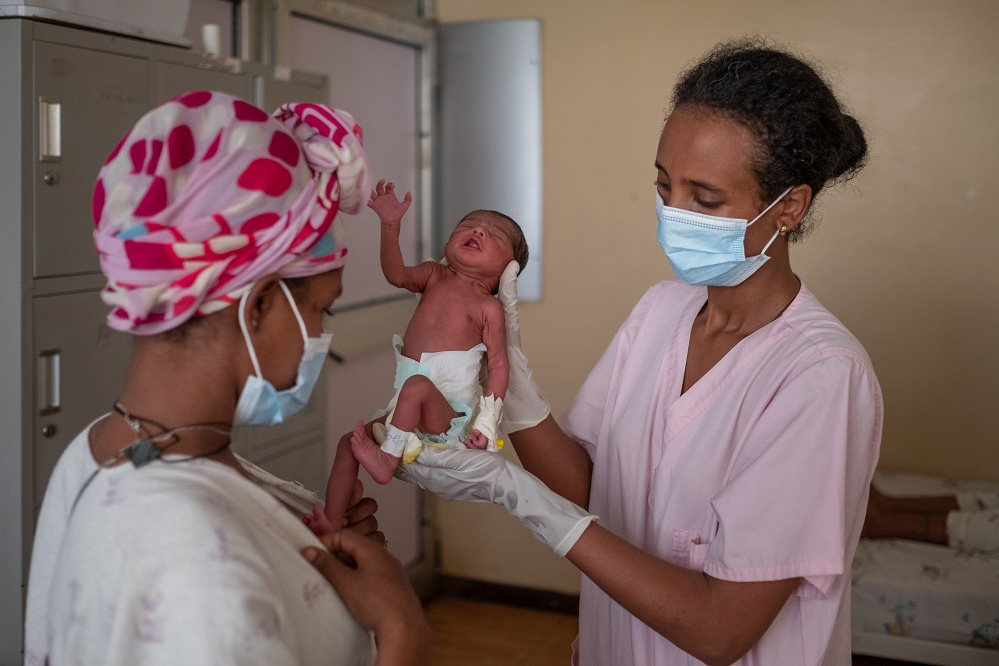
WHO reports on children’s chances of survival in 2021 - an estimated 5 million children died before their fifth birthday and another 2.1 million children and youth aged 5–24 years lost their lives.