
Find out more in
Health
Global Issues

Technology can extend specialist care to underserved communities while strengthening health systems and supporting economic opportunities through workforce and infrastructure investments.

The 2026 theme for the World Breastfeeding Week is "Breastfeeding for a sustainable start in life: strengthen what works," focuses on tracking progress, evaluating impact, and scaling proven approaches that improve breastfeeding outcomes. It calls on governments, health systems, workplaces, communities, civil society organizations, and families to build on successful experiences and strengthen the "Warm Chain of Support" for breastfeeding. The interventions are proven. The economic returns are exceptional. The remaining challenge is not knowing what works – it is investing at sufficient scale.
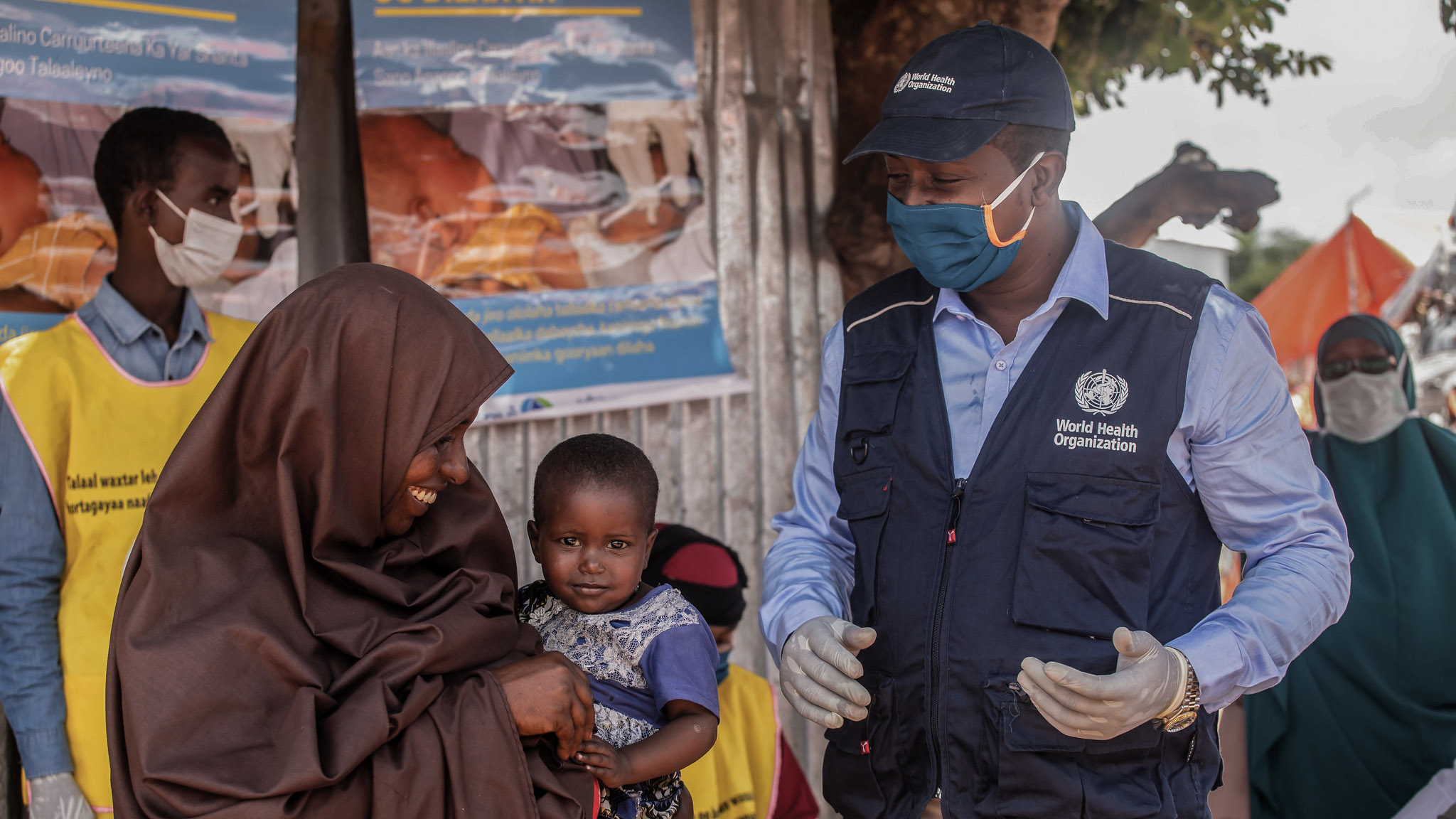
Even during Ebola outbreaks in the Democratic Republic of the Congo, dedicated midwives like Francine continue providing life-saving care to mothers and newborns despite the risks.

Global road traffic deaths fell 21% since 2011 despite rising vehicle numbers, but crashes still kill 1.16 million people annually, prompting renewed global safety commitments.

World Hepatitis Day is observed each year on 28 July to raise awareness of viral hepatitis, an inflammation of the liver that causes severe liver disease and liver cancer. This year's theme, “Hepatitis: Let’s break it down,” is a call to remove the barriers that stand between people and the services that can save their lives. Viral hepatitis continues to be a major cause of preventable illness and death worldwide. The 2026 campaign calls for turning proven science into action through stronger political commitment, sustained investment, and efforts to expand equitable access to prevention, testing, treatment, and care.

Drowning claims more than 300,000 lives every year—around 30 every hour—and nearly a quarter of those who die are children under five. It is among the world's ten leading causes of death for children aged 5–14 years. The theme for World Drowning Prevention Day 2026, "Unite to Turn the Tide," reflects the shared responsibility to prevent these avoidable deaths. The Global Strategy for Drowning Prevention calls on every sector and every level of society to work toward a common goal: reducing drowning deaths by 35% by 2035. Achieving that goal will require all of us to play our part.

The 2026 International Day of Women and Girls of African Descent (25 July) highlights the right to the highest attainable standard of physical and mental health. Women and girls of African descent continue to face systemic racism, gender discrimination and unequal access to quality, culturally appropriate health care, resulting in preventable health disparities. The observance calls for equitable health systems, respectful maternal care, better race- and gender-disaggregated data, and the meaningful participation of women and girls of African descent in shaping the policies that affect their health and well-being.

The World Health Organization (WHO) has released updated guidelines, providing countries with evidence-based recommendations to help prevent or delay the onset of dementia across the life course.
Watch Hasset Dereje unpack a kit with students who are seeing some of these items for the very first time. Hasset knows that for a girl in rural Ethiopia, lacking menstrual hygiene products can impact their education. That’s why a $15 dignity kit is so much more than a box of supplies. It’s a toolkit for her future. For just $15, you can help a girl stay in school. Every gift counts.

WFP warns Ebola outbreak in eastern Democratic Republic of Congo (DRC) is spreading rapidly, worsening hunger, displacement, and overwhelming fragile humanitarian response systems.

In the Central African Republic conflict, poverty and shrinking humanitarian funding are pushing health systems to the brink. At the Bangui Paediatric Complex, Central African Republic's only specialist neonatal and paediatric hospital, families face rising costs for care after free health services sustained by international partners, including UNFPA, were scaled back. Belicia, who had triplets is receiving quality care in the maternity ward. However, only around 40 per cent of births in the country are attended by skilled personnel and many women struggle to access essential reproductive and neonatal healthcare.

Regular physical activity of moderate intensity – such as walking, cycling, or doing sports – has significant benefits for health. World Bicycle Day (3 June) celebrates the bicycle for being a simple, affordable, and reliable way to travel for over 200 years. It is a great, clean choice for keeping both our bodies and our planet healthy.

The World Health Organization estimates that 40 million adolescents aged 13–15 worldwide use tobacco. The tobacco and nicotine industries design their products to get young people stuck in a cycle of addiction. The grip of tobacco and nicotine addiction can be broken. This World No Tobacco Day (31 May) let us join together to unmask the appeal and work together for a world free of tobacco addiction.

Millions of women and girls worldwide still lack access to menstrual products, clean water, sanitation, and education needed to manage their menstrual health and hygiene safely and with dignity. Periods make them miss school, work, and opportunities — especially in conflict-affected areas where the challenges are even greater. But it does not have to be this way. This Menstrual Hygiene Day (28 May), let's end period poverty and stigma. Let's change the rules and support the work of UNICEF, the United Nations Population Fund and UN Women to ensure every girl and woman can thrive.