

Although COVID-19 is no longer the international public health emergency it once was, it is still circulating, and its devastating effects are still with us. Major infectious diseases and epidemics have disastrous impacts on human lives, wreaking havoc on long-term social and economic development. When the next pandemic arrives, the world must do better. On this International Day of Epidemic Preparedness (27 December), let’s act on the lessons of COVID-19, to prepare, and build a fairer, healthier world for all.
Health
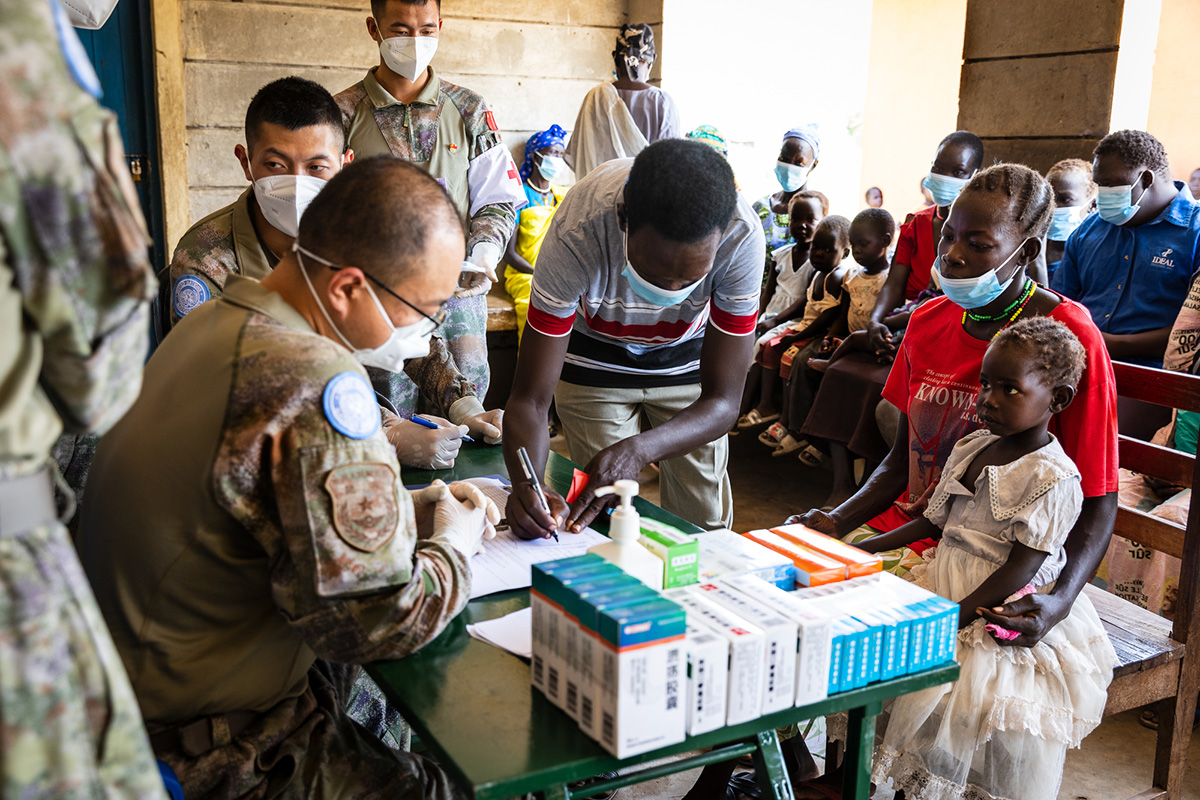
Today, half of the world’s population does not have access to essential health services. Out-of-pocket health expenses leave an estimated 2 billion people facing financial hardship, including 344 million people living in extreme poverty. It is time to get progress towards health for all back on track. On 12 December, International Universal Health Coverage Day, join us to demand action on universal health coverage and call on leaders to invest in health systems and primary healthcare for all that leave no one behind. Our lives, livelihoods and futures depend on it.
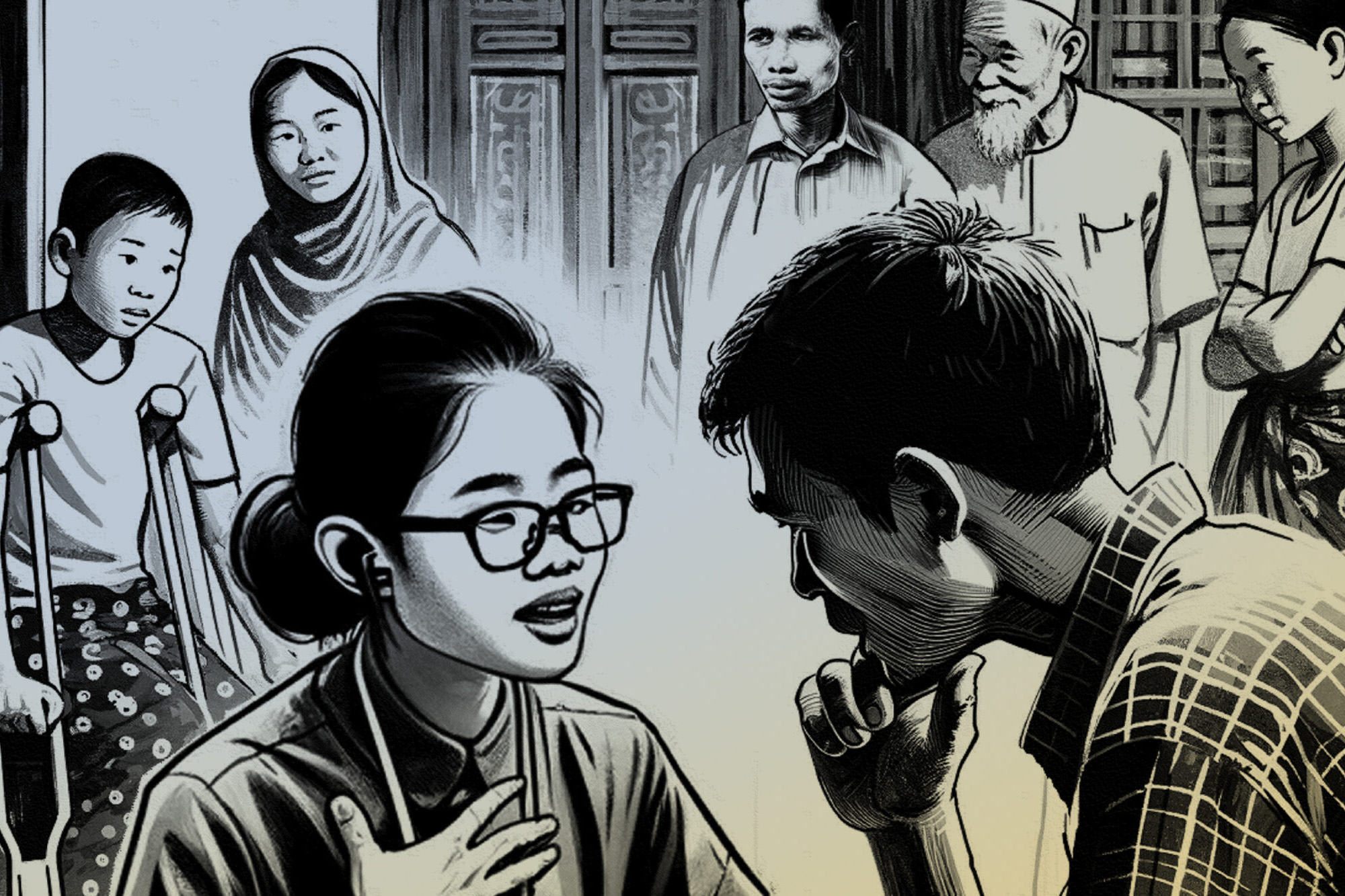
Young people in Myanmar face challenges in accessing sexual and reproductive health and rights services (SRHR), worsened by the political crisis. The struggle is even harder for people with disabilities due to social misconceptions and stigma, social exclusion and a lack of awareness and understanding regarding these groups of people. The Access to Health Fund is supporting the Myanmar Medical Association in narrowing the SRHR knowledge gap for individuals with disabilities. This initiative brings in organizations that include and work with people who have disabilities – creating a safe space for people to express their unique needs and concerns.

The World Health Organization (WHO) and the global health community are urging negotiators to prioritize the impact of climate change on health in the upcoming COP28 negotiations. Climate change is already affecting our health and contributing to the spread of infectious diseases. Extreme weather events will also strain healthcare infrastructure. Urgent mitigation measures, including transitioning to clean energy sources, are necessary to protect human health and create sustainable outcomes. To reduce the negative impact on health, the health community stresses the importance of reducing and stopping emissions. According to WHO, 7 million premature deaths annually are attributed to air pollution.
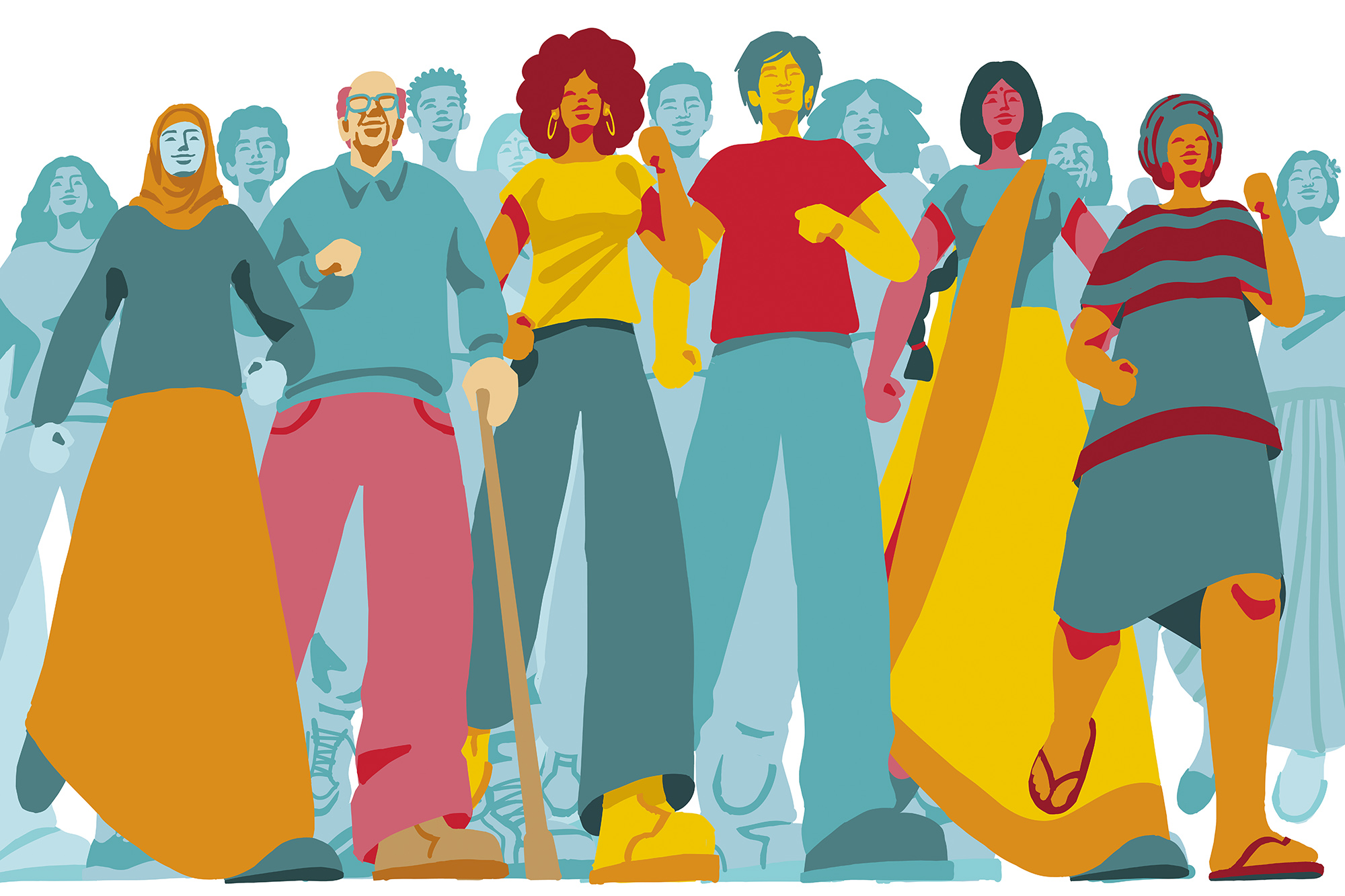
The world can end AIDS, with communities leading the way. They connect people with person-centered public health services, build trust, innovate, monitor policies and services, and hold providers accountable. This World AIDS Day (1 December) is more than a celebration of community achievements; it is a call to action to enable and support communities in their leadership roles. In the report Let Communities Lead, UNAIDS reveals that the world can end AIDS as a public health threat by 2030, but only if communities are fully included and are sufficiently funded to lead the way.

One in five employees will experience mental illness during their lifetime. Listen to ILO´s “The Future of Work” podcast to discover the four steps that employers can take to minimize workplace mental health stress.
Good mental health is vital to our overall health and well-being. Yet one in eight people globally is living with mental health conditions, which can impact their physical health, their well-being, how they connect with others and their livelihoods. Mental health conditions are also affecting an increasing number of adolescents and young people.
On World Mental Health Day, UNFPA Regional Champion Shudufhadzo Musida raises awareness about mental health and speaks up for women and girls, who don’t feel seen, heard, or understood.
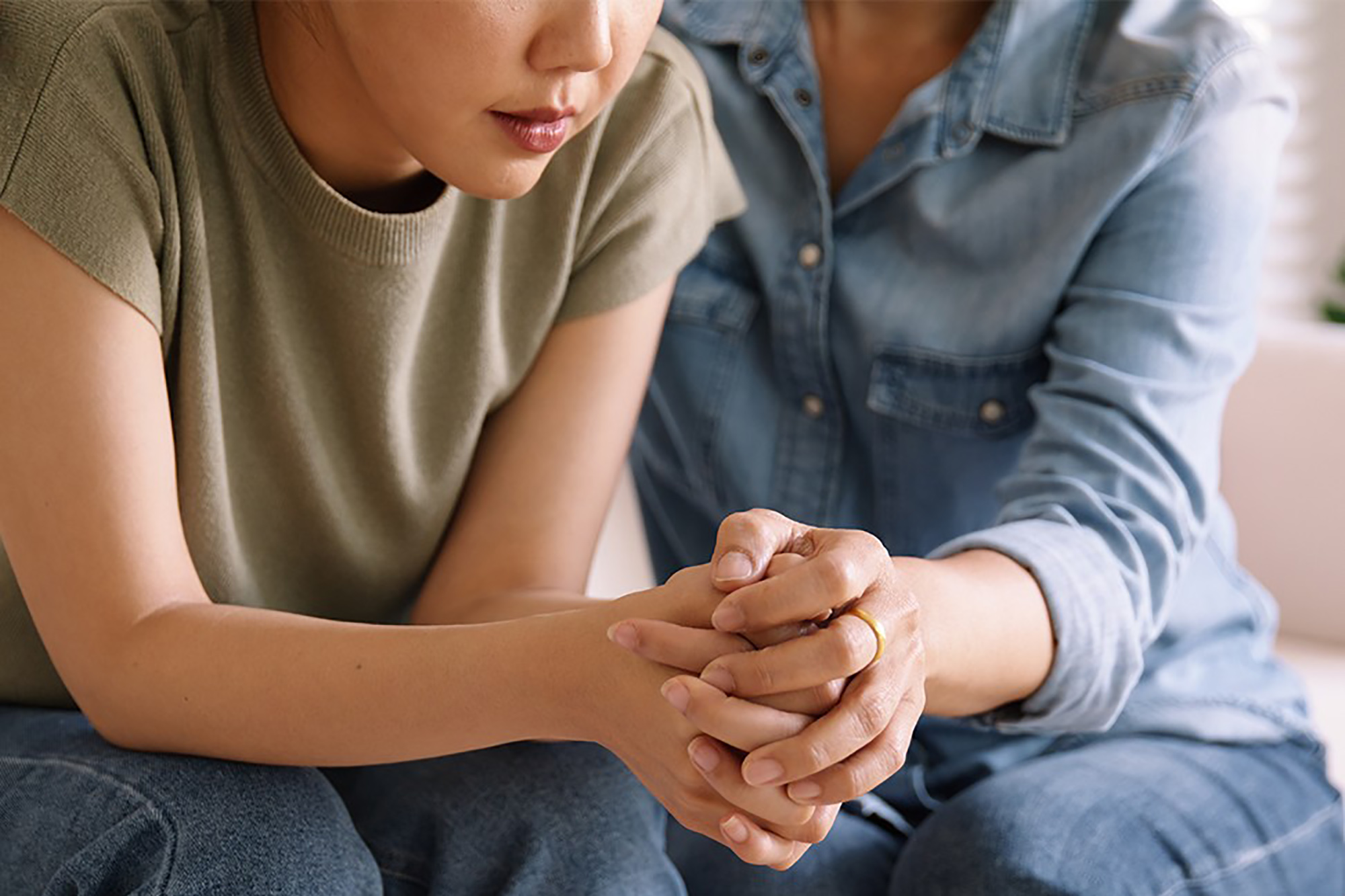
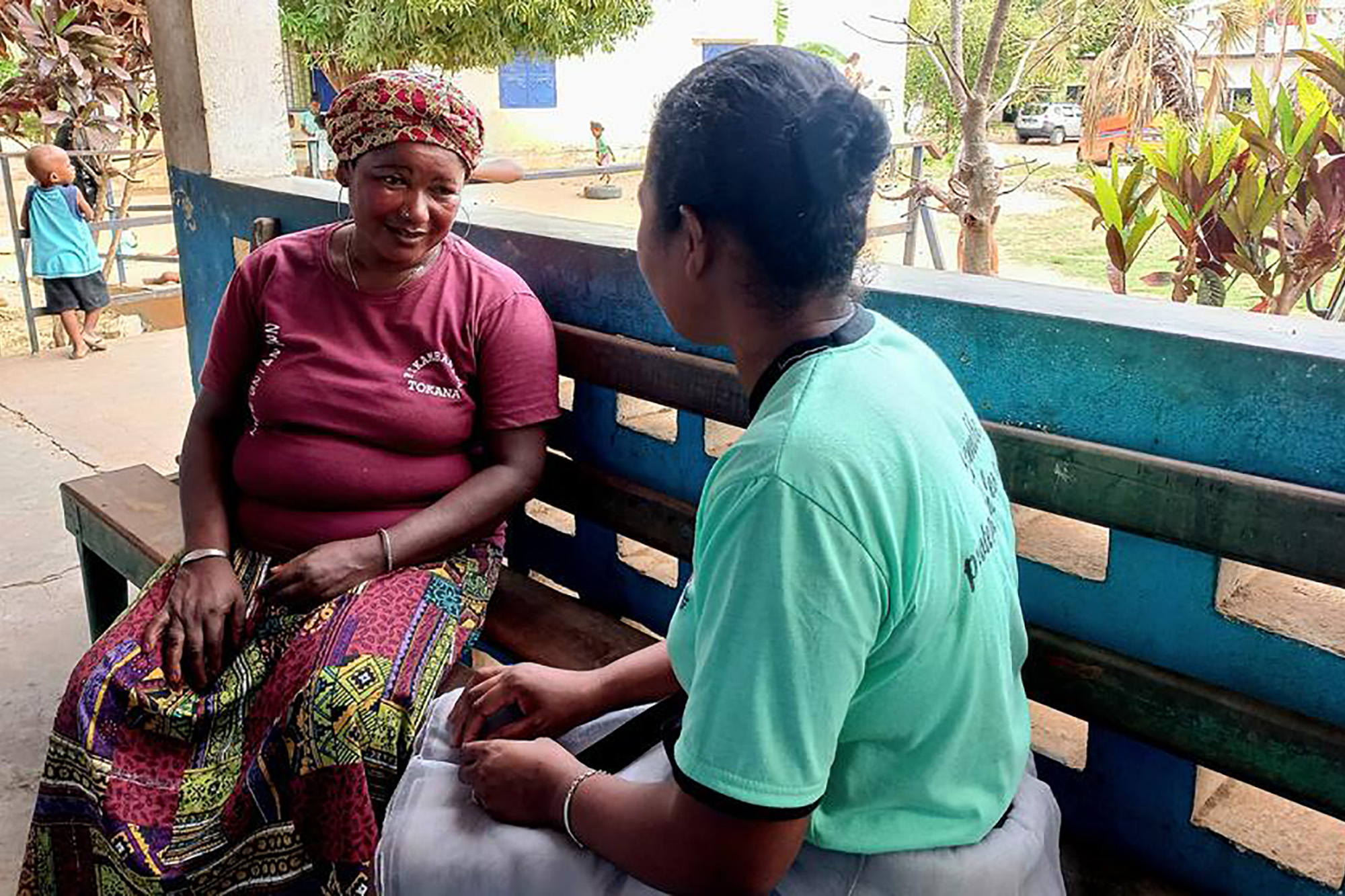
Only one third of countries have committed to upholding the sexual and reproductive health and rights of women and girls in their national climate plans.
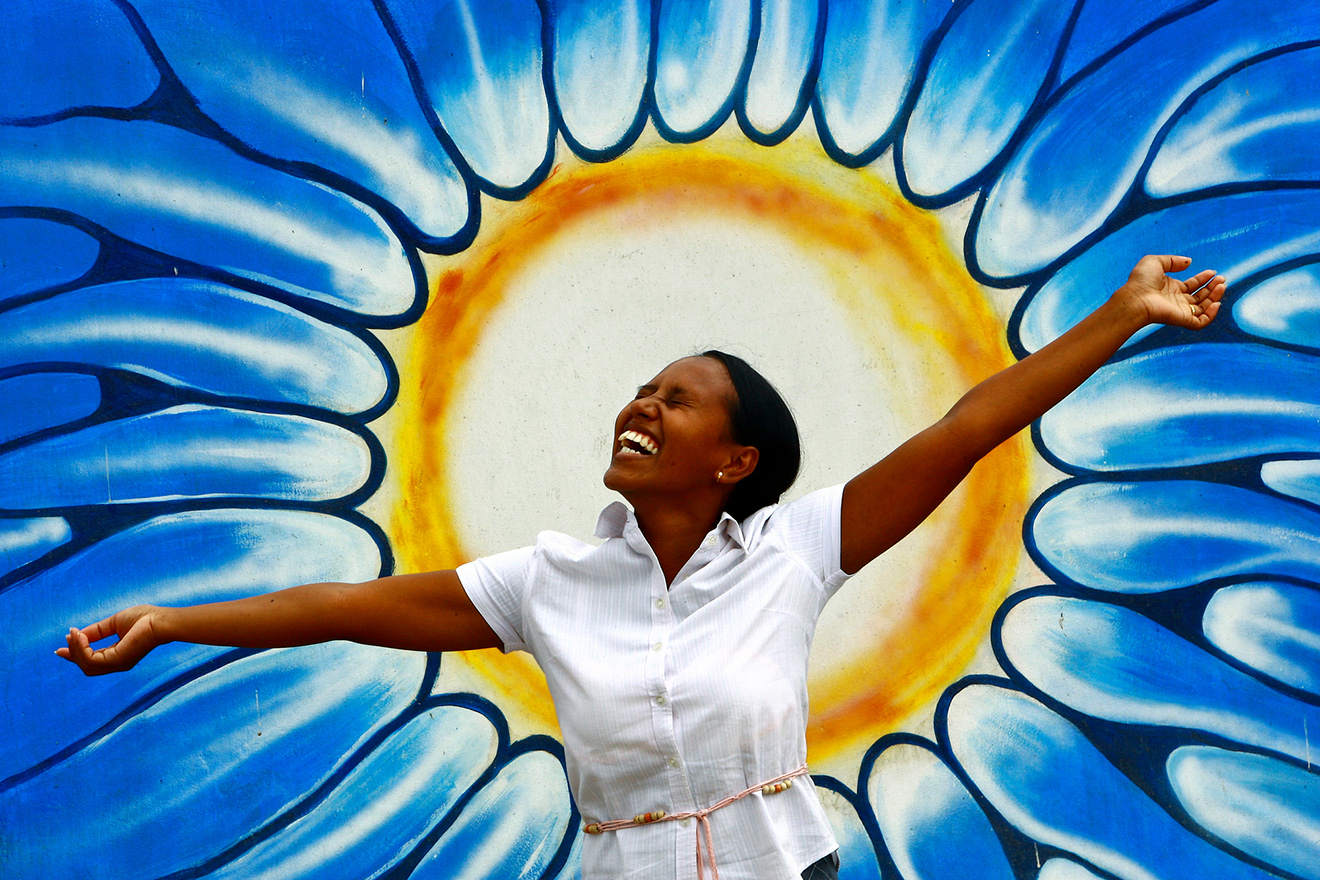
World Mental Health Day 2023 is an opportunity for people and communities to unite behind the theme "Mental health is a universal human right," to improve knowledge, raise awareness and drive actions that promote and protect everyone’s mental health as a universal human right. WHO continues to work with its partners to ensure mental health is valued, promoted, and protected, and that urgent action is taken, so that everyone can access the quality mental health care they need. Join the World Mental Health Day 2023 campaign to learn more about your basic right to mental health.
Bolivia conducted twelve workshops to identify the lessons learned from COVID-19 and develop a pandemic preparedness plan for influenza and other respiratory viruses (ORVs). The WHO exercise was performed with a board game to strengthen the deployment of pandemic products.
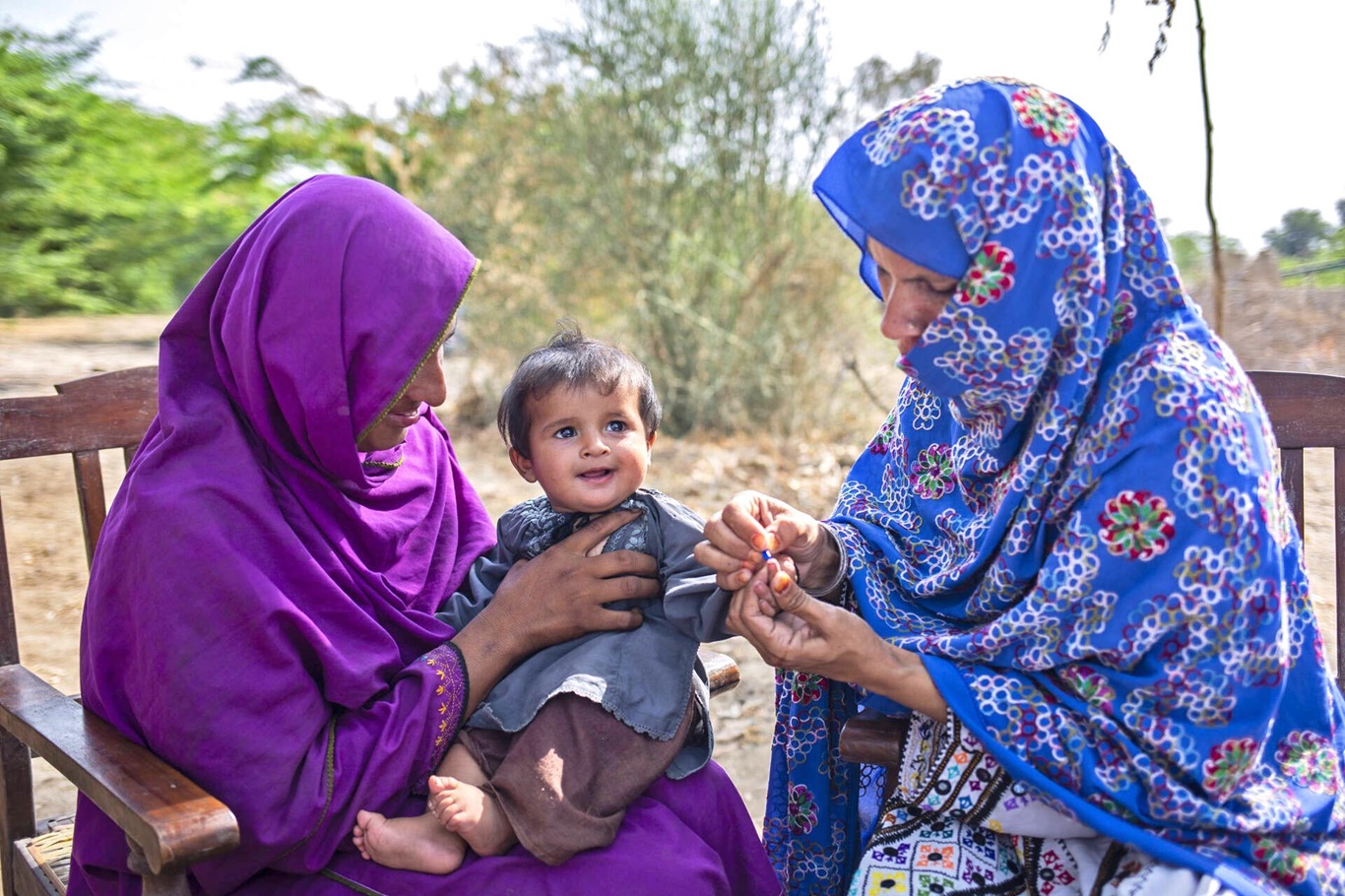
Universal health coverage is a choice–a political choice- and at the recently concluded UNGA High-Level meeting, a new Political Declaration on Universal health coverage was approved. For health care to be truly universal, an approach to strengthening health systems centred on people’s needs, is one of the most effective areas for investment to accelerate progress. Staggering statistics reveal that 4.5 billion people—more than half of the world’s population—were not fully covered by essential health services in 2021. WHO is fully committed to working with Member States and partners to ramp up policy actions to expand service coverage, ensure financial protection and shape the financing architecture to invest more and better in health.
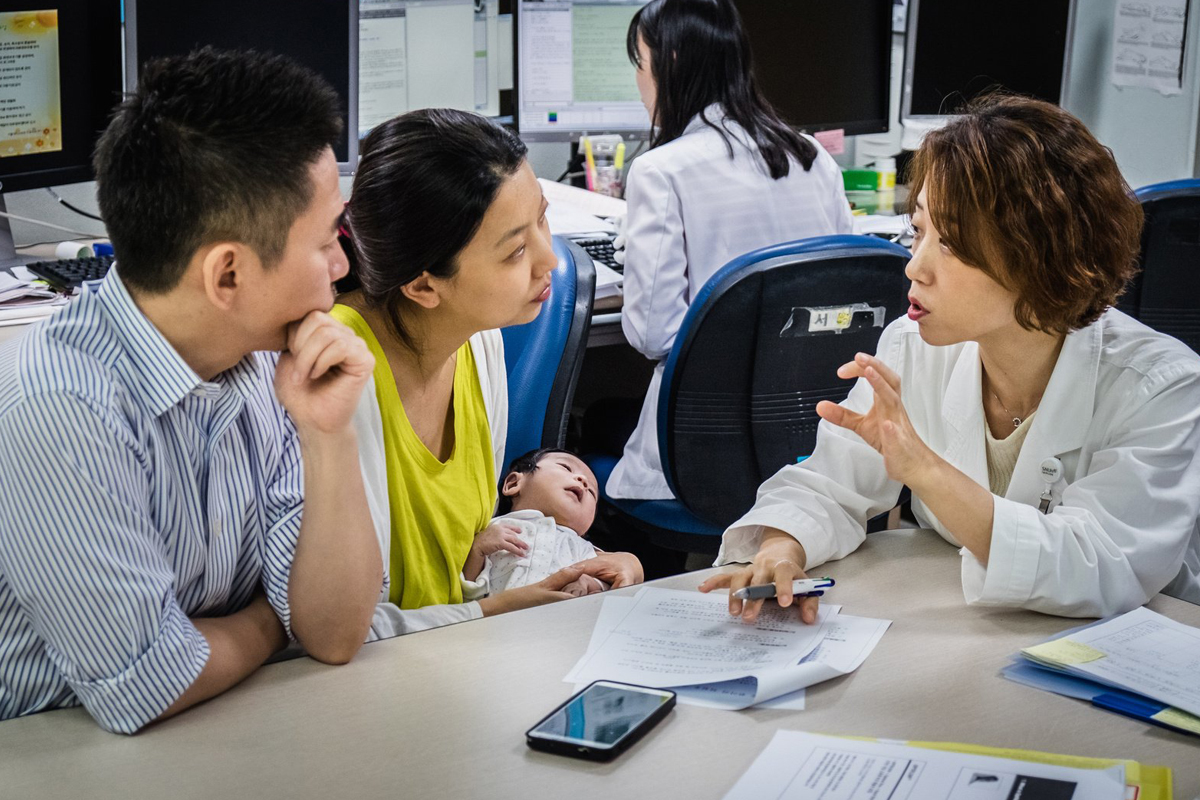
World Patient Safety Day 2023 is dedicated to the theme “Engaging patients for patient safety” and the slogan “Elevate the voice of patients!”
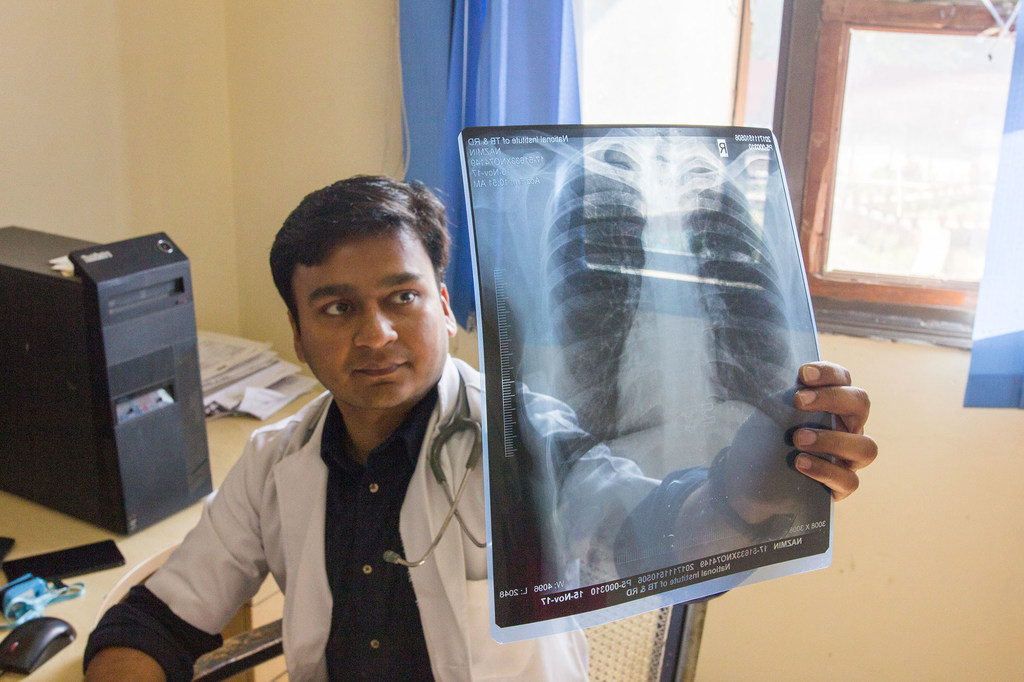
An estimated 10.6 million people fell ill with tuberculosis (TB) in 2021, an increase of 4.5% from 2020, and 1.6 million people died from TB (including 187,000 HIV-positive people), according to the World Health Organization’s 2022 Global TB report. The UN General Assembly is holding the second high-level meeting on the fight against tuberculosis on 22 September 2023. It aims to advance science, finance and innovation, and their benefits, to urgently end the global tuberculosis epidemic, in particular, by ensuring equitable access to prevention, testing, treatment and care.
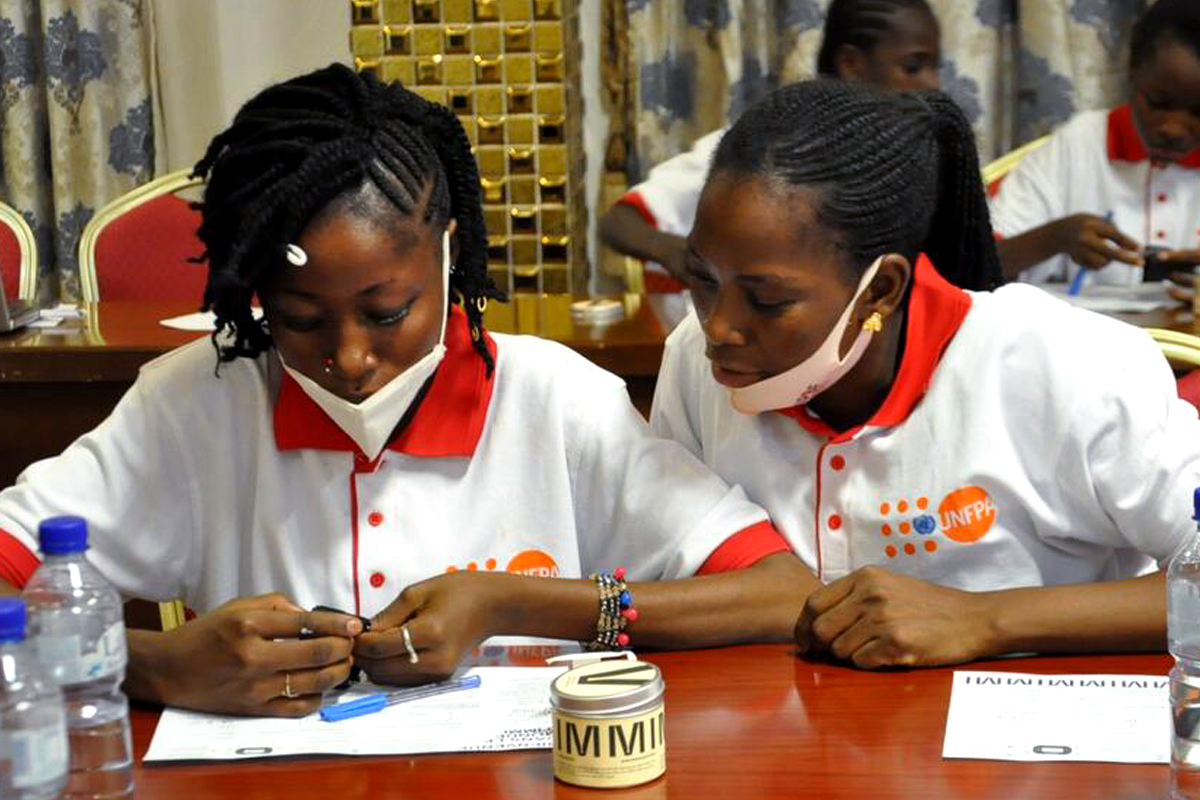
UNFPA embraces femtech to boost period awareness in Burkina Faso and the Republic of Moldova.