
Waffles and Mochi deliver opening remarks at the Global Youth Summit Dialogue 2021 - Good Food For All. Gathering youth voices from around the world, invites a curated group of 100 youth for a discussion on the future of our food systems.
Agriculture and Food
Guatemala has the fourth highest rate of malnutrition in the world where over 50 per cent of children under five are stunted. Many children do not get enough nutritious food, and often came to school hungry. IFAD teamed up with WFP and FAO to set up a food chain that enables local farmers to provide fruit and vegetables for school meals.
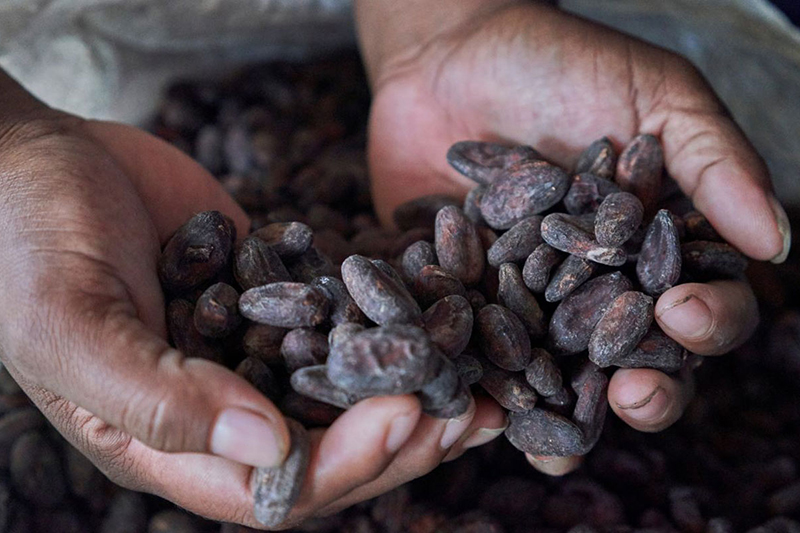
Coffee and chocolate can do much more than give us a boost of energy in the morning. For the last seven years, the NICADAPTA project, financed by IFAD, has improved the incomes and quality of life of more than 45,000 families in Nicaragua through the sustainable development of coffee and cocoa production. NICADAPTA works closely with producer cooperatives and their members, many of them women and youth, to help them access lucrative coffee and cocoa markets and increase their resilience to climate change.
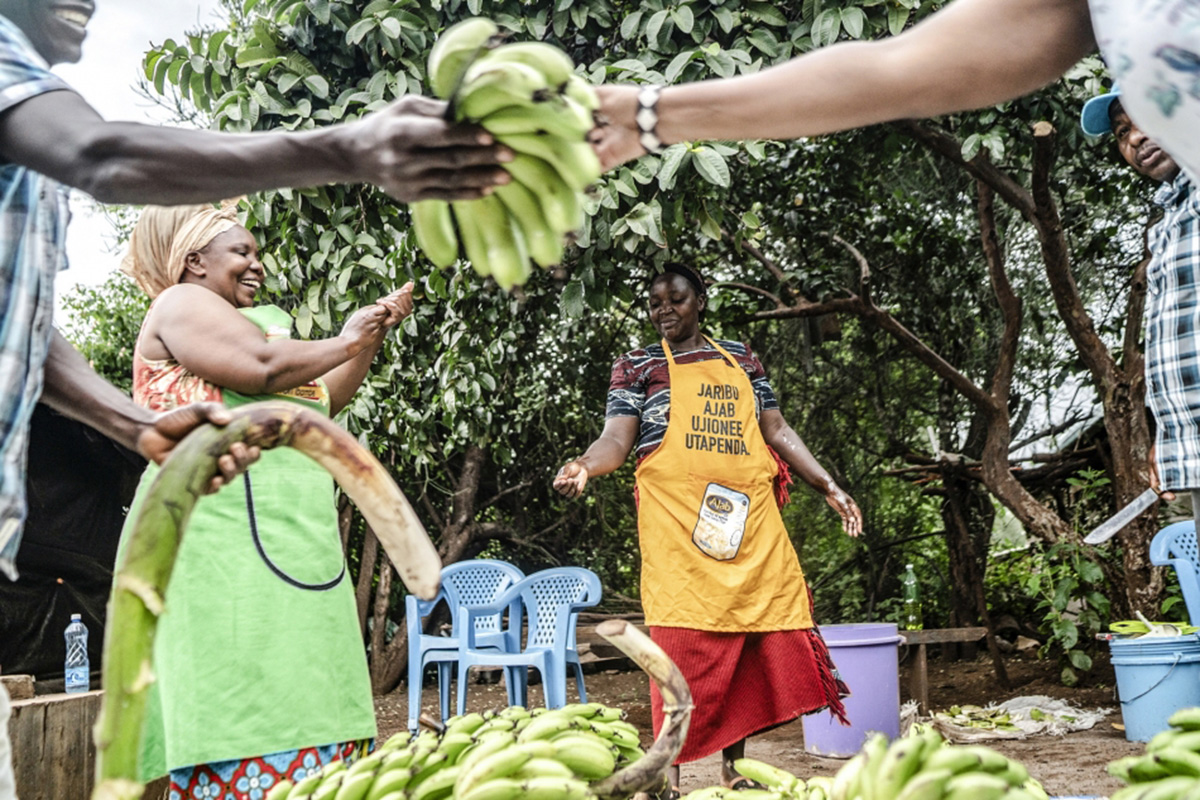
FAO has been at the centre of the discourse of responsible business conduct in agriculture for several years. In 2016, FAO and the OECD launched a global standard for addressing risk and development in the agricultural sector. A growing number of governments around the world have since been incorporating the OECD-FAO guidance for responsible agriculture into their corporate sustainability policies, linking together investment, enterprise, agriculture, and development.

FAO reports on the stark warning from the 2021 Global Report on Food Crises revealing that conflict, economic shock and extreme weather continue to cause acute food insecurity.
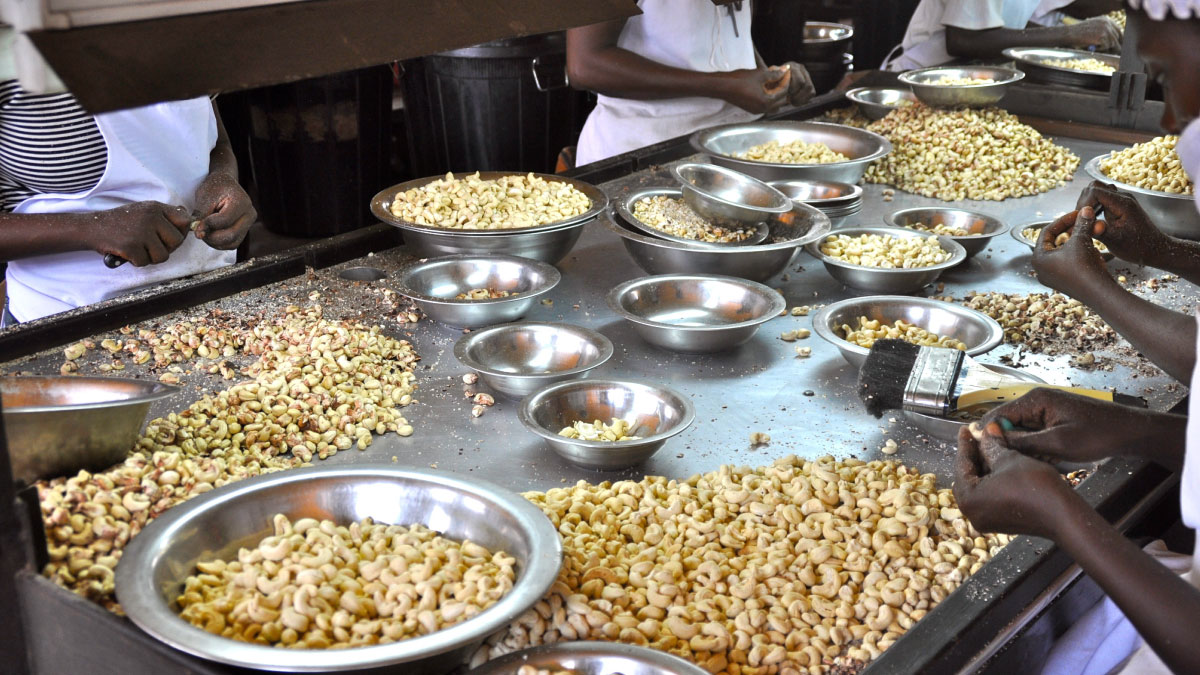
The global market for cashews is booming, but the African countries growing more than half the world’s supply aren’t cashing in, an UNCTAD report says, due to their lack of processing industries. Africa must add value to its nuts.
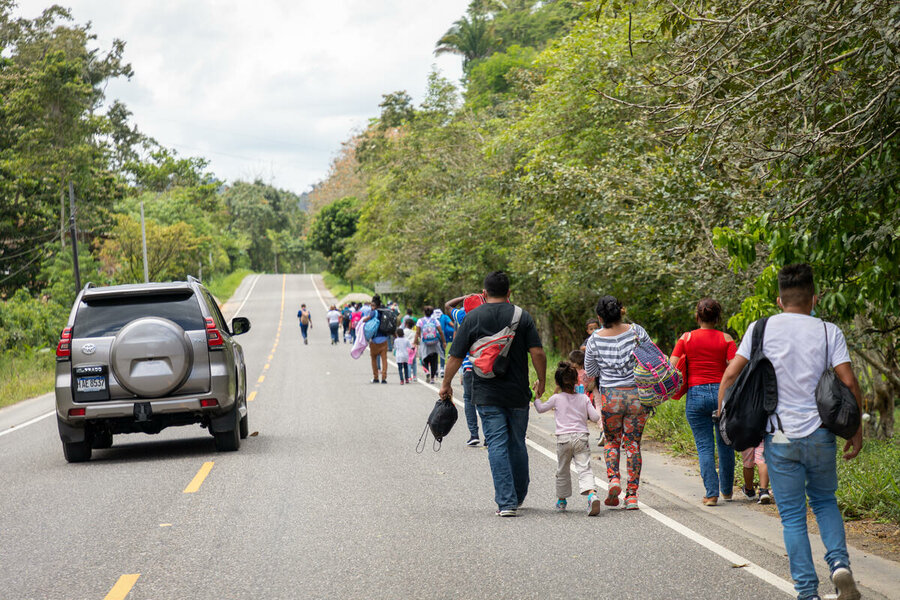
Honduras: Climate change, coronavirus and caravans
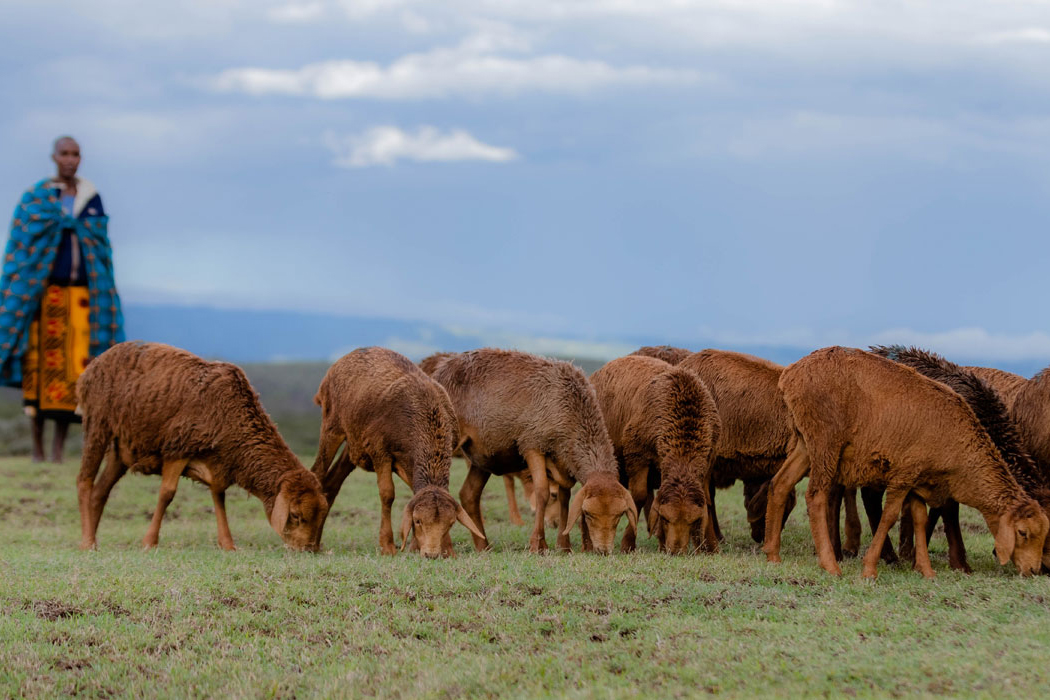
The Maasai of Kenya and the Red Maasai sheep slow food presidium
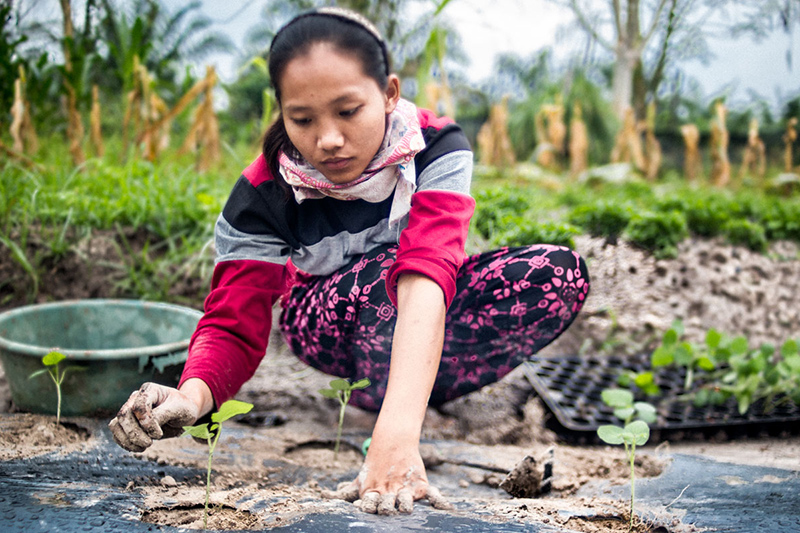
Advancing equitable livelihoods requires building the agency of the underrepresented: those who lack the space or the enabling environment in which to exercise their power and rights. It implies protecting and strengthening their capacities, along with the knowledge, resilience and innovation that they possess. The UN Food System Summit’s Action Tracks offer a space to share and learn, with a view to fostering new actions and partnerships and amplifying existing initiatives. Each of the five Action Tracks is aligned with one of the Summit’s five objectives.

“Good Food for All” is the goal of the UN Food Systems Summit Global Youth Dialogue, a virtual event that will bring together 100 youth advocates from across the globe for a discussion on the future of how we produce, consume and think about food. These young participants, who champion a range of issues in their local contexts – from agriculture, to climate, to education – will gather ideas around sustainable food systems for all that will serve as a direct input into the UN Food Systems Summit that will take place in September 2021.
European Space Agency Astronaut Thomas Pesquet has been designated Goodwill Ambassador for the Food and Agriculture Organization of the United Nations (FAO). As FAO Goodwill Ambassador, Thomas Pesquet will work to support FAO’s efforts to create a world free from hunger in a sustainable way.

Growing olive trees in Jordan, one of the driest countries in the world, isn’t easy. IFAD’s work in Jordan focuses on increasing the agriculture sector’s contribution to national GDP by creating jobs. This empowers rural people – especially women and youth – to turn their farming into sustainable, profitable small businesses. Local programmes help small-scale farmers become more resilient to the effects of climate change and other risks to their production, as well as on facilitating access to financial services and markets.
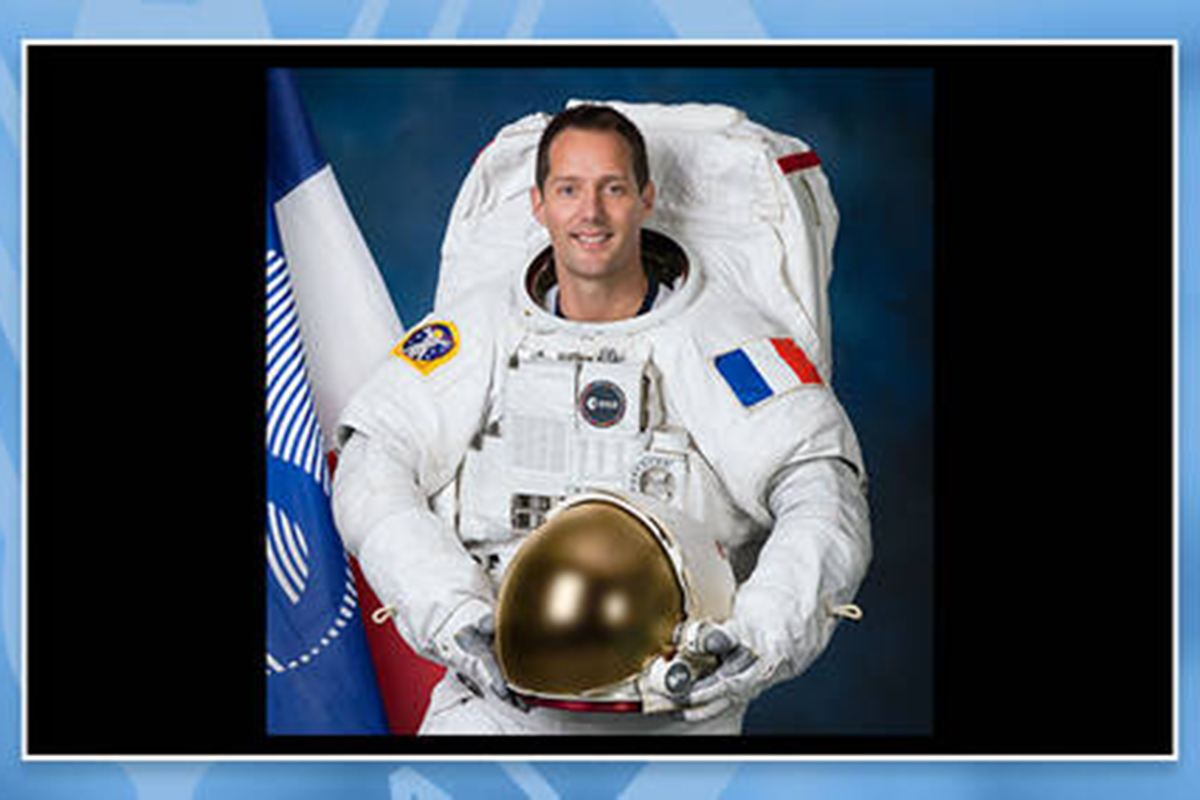
European Space Agency astronaut Thomas Pesquet is named FAO Goodwill Ambassador on the observance of the International Day of Human Space Flight. Pesquet will help FAO raise awareness about the importance of transforming the world's agri-food systems, making them more resilient, inclusive, efficient, and sustainable to overcome the challenges of persisting and growing hunger, and preserving the planet's environment and biodiversity. FAO believes in the potential and contribution of space science and technology to end hunger.

Access to accurate and timely information is crucial for farmers all around the world, and even more so during the COVID-19 pandemic. Many farmers rely on digital services, especially those delivered through platforms accessible via mobile phones, to access this information. But for many small-scale farmers in rural and remote areas, this kind of access remains a challenge. Last spring the Kenya National Farmers’ Federation (KENAFF) created a mobile phone–based information service as a way to respond to the crisis and keep farmers better informed.