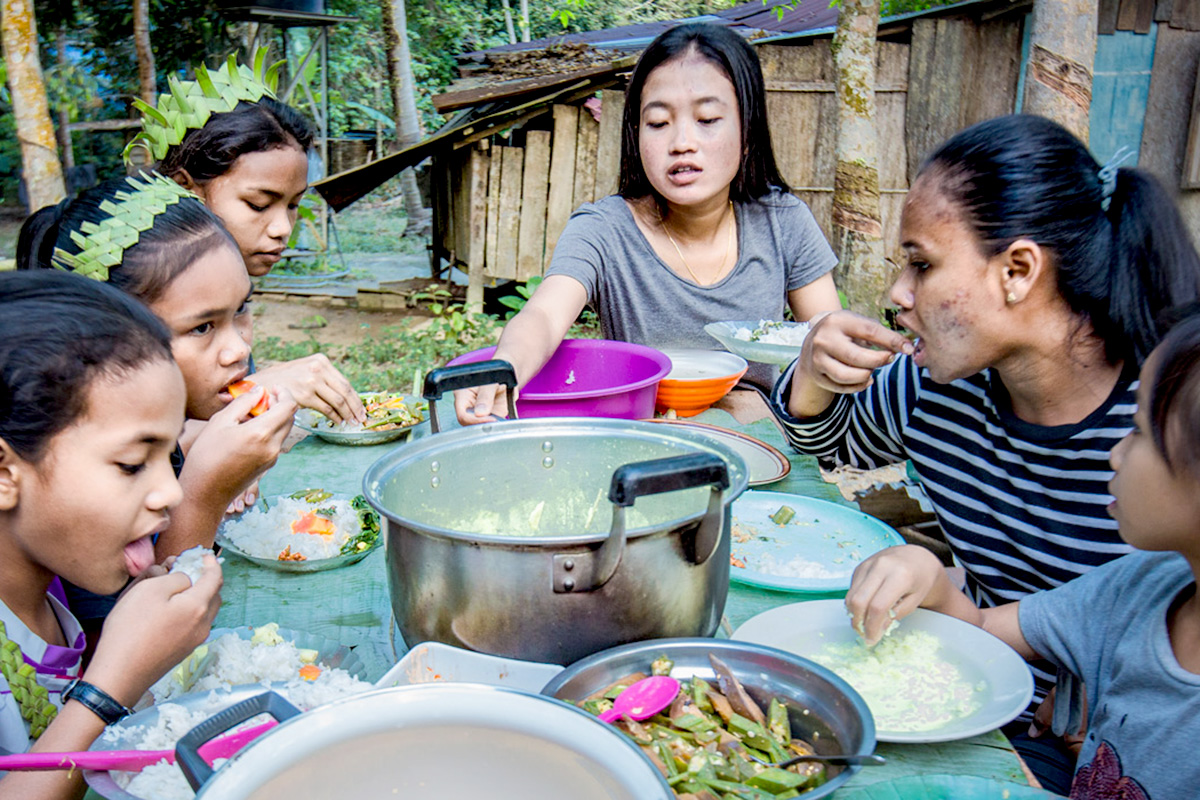
“Our actions are our future and the future is in our hands! We can all become food heroes Do it for the people, do it for the land!” The song created for FAO’s Food Heroes campaign was written and produced by Garry McCarthy. Music & video produced by GMCBeats at The Kabin Studio. Lyrics performed by children in Armenia, Cameroon, Chile, China, Ireland & Lebanon.
Agriculture and Food
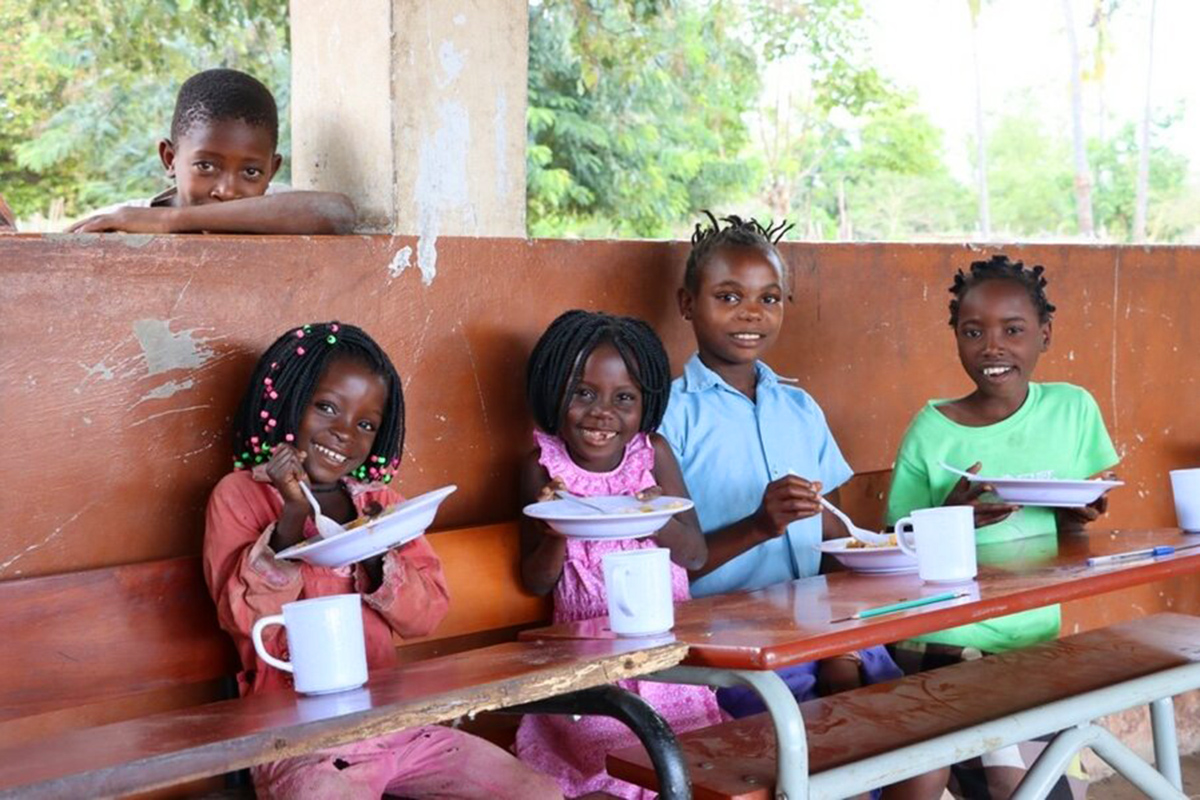
Mozambique is one of the most disaster-prone places in the world. In a country where over 65 per cent of the population live in rural areas and most rely on agriculture as their source of income, the destruction caused by cyclones, droughts, floods, and pests affects millions of people. As a response to these challenges, WFP and partners have launched an Emergency School Feeding Programme in Mozambique to promotes school attendance and participation among children in crisis-affected areas, while improving their access to healthy food.
Before food reaches our plates, it travels a long way. FAO illustrates how every stage of that journey makes up our agri-food systems. Farming, fishing, livestock-rearing, storing, transporting, selling, buying, eating, and disposing of our food are all part of these complex systems. The systems also include all the non-food products that come from agriculture, like cotton and forest products. Our actions and choices can help these systems become more sustainable.
A sustainable agri-food system is one in which a variety of sufficient, nutritious and safe foods is available at an affordable price to everyone. Nobody goes hungry or suffers from any form of malnutrition. Nowadays, almost 40% of the world’s population cannot afford a healthy diet and 2 billion people are overweight or obese due to a poor diet and sedentary lifestyle. We need to be part of the change. This World Food Day, join UN events, take action, and share the message!
Whether it’s made from glass, plastic, metal, paper or bamboo, packaging plays an important role in keeping food fresh, ensuring it is safe as well as extending its shelf-life to reduce loss and waste. A circular approach is key. Circular packaging solutions focus on a reduce-reuse-recycle approach, including minimising single-use plastic, encouraging the reuse and recycling of materials and improving the economics and quality of recycled plastics. FAO suggests four better packaging solutions we can leverage to reduce food loss and waste.
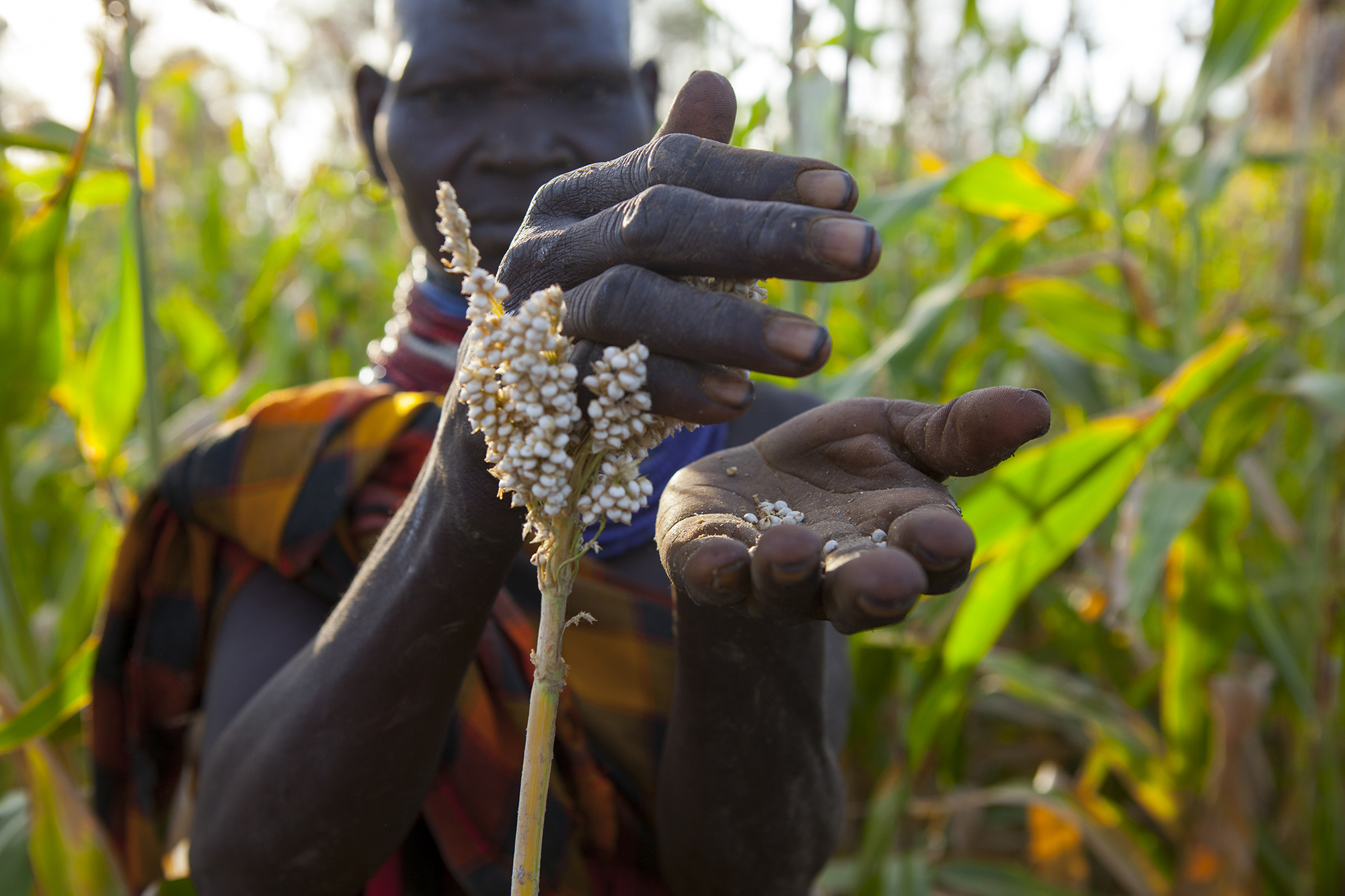
Food is so much more than what we put into our bodies. At a human level it’s a deeply important part of our culture and history, tied to our sense of self, family and community. The food system has evolved considerably, from traditional methods that reflected location and culture to decentralized food chains with increased carbon demands. A new approach to supporting farmers is needed after a UNDP, FAO and UNEP report showed that agricultural subsidies cause market distortions that disadvantage small farmers, like this one in Kenya.
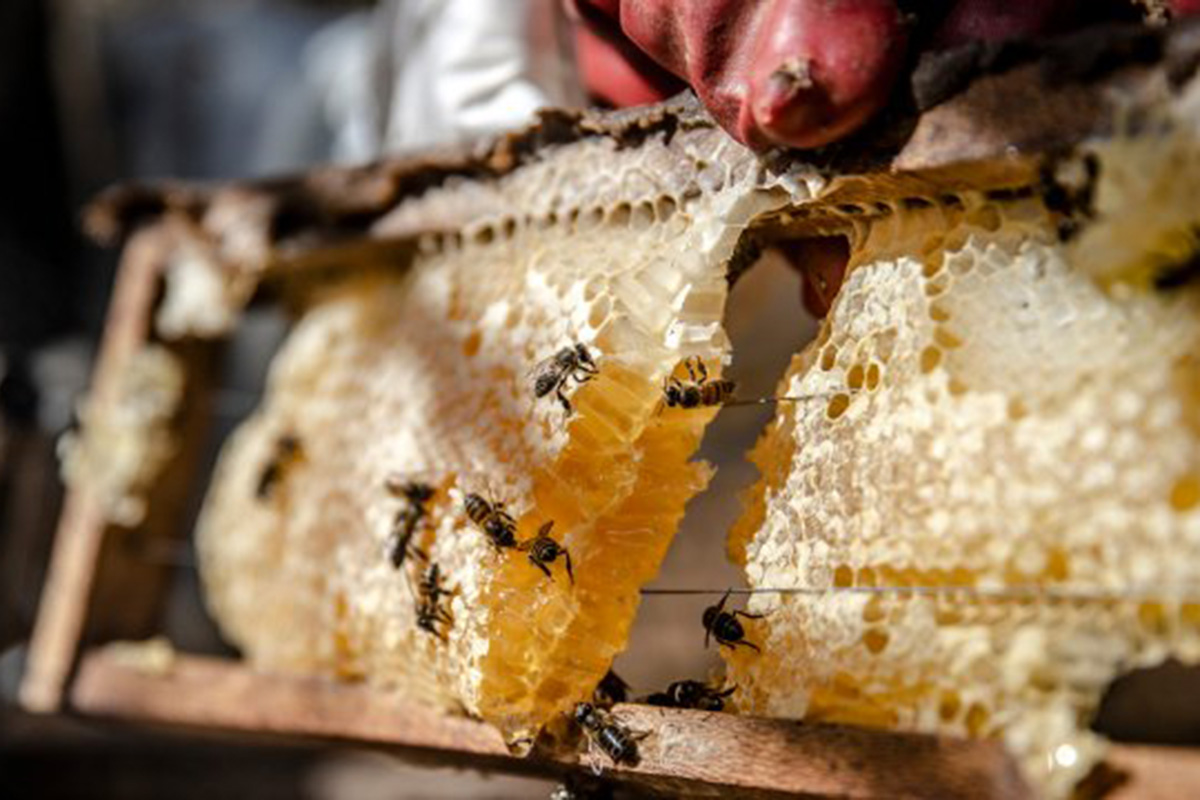
In 2013, Busy found out about FAO’s beekeeping course through one of his friends and decided to register to gain deeper knowledge and take his business to the next level. FAO’s three-week course armed him with critical information on the practical aspects of beekeeping, including building beehive boxes and mounting frames. With a strong determination, passion and “know-how”, Busy worked diligently in every aspect of the beekeeping trade, including planting trees and even encouraging his neighbours to grow vegetation so the bees could pollinate and collect nectar.
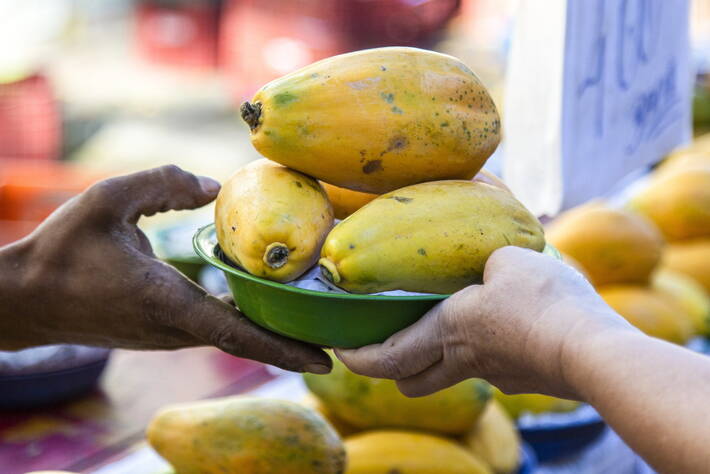
Global support to producers in the agricultural sector amounts to $540 billion per year, making up 15 percent of total agricultural production value. Yet 87 percent of this support is price distorting and environmentally and socially harmful. Reconfiguring agricultural producer support, rather than eliminating it, will help end poverty, eradicate hunger, achieve food security, improve nutrition, promote sustainable agriculture, foster sustainable consumption and production, mitigate the climate crisis, restore nature, limit pollution, and reduce inequalities.
There are many different kinds of journeys that food can take, some that guarantee a healthier future for people and the planet.

Thanks to its unique geographical conditions, including soil and weather, Jamaica produces some of the world’s best ginger. FAO has joined public and private sector bodies to protect the industry from a destructive disease, Ginger Rhizome Rot.
Peter Rabbit has joined forces with the UN Act Now campaign, FAO, and the UN Foundation to enlist more food heroes, like Peter, who see the value in fruits and vegetables for a balanced diet and a healthier planet. Find out about some actions you can take to become a food hero too, from eating more fruits and vegetables to reducing food waste, buying locally grown food, or even growing your own at home.
Today, agricultural supply chains are more extensive than ever. Food crosses countries and oceans, moving from producers to retailers - to consumers. These dynamics create millions of jobs around the world - critical for livelihoods, economic growth, and development.

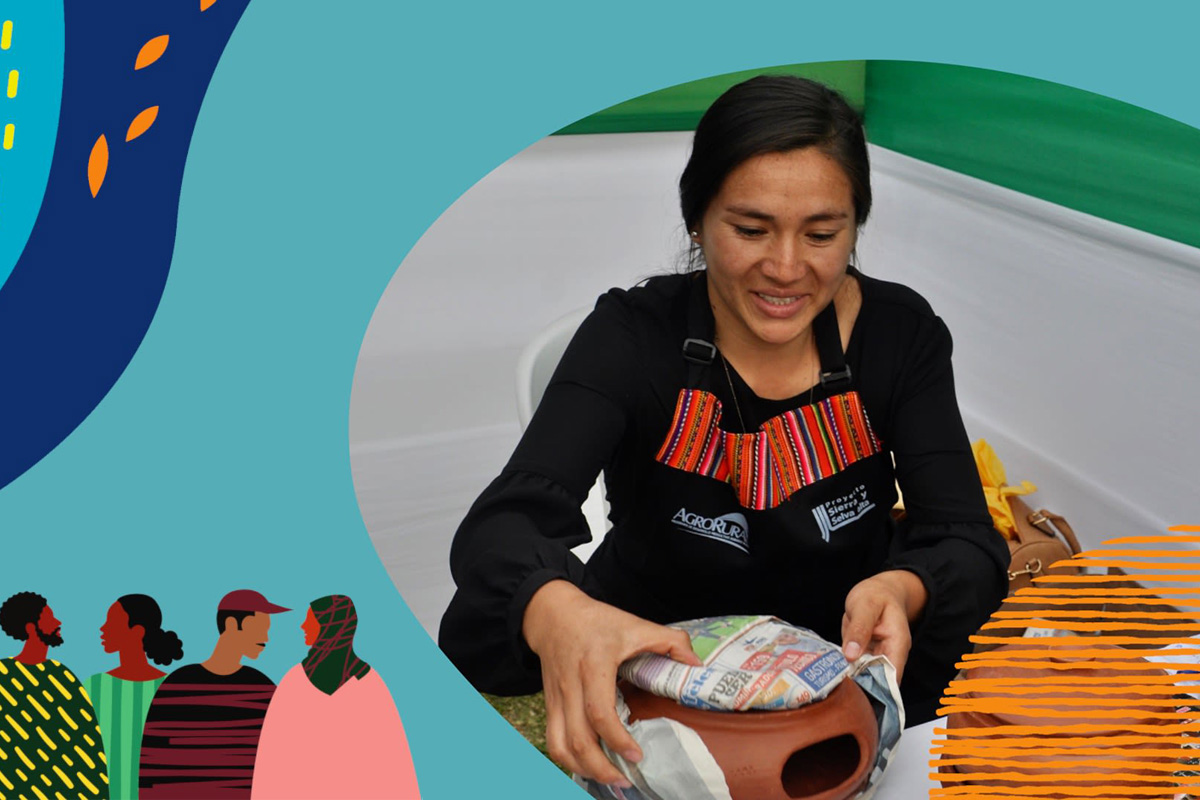
When it comes to the changes we need to make to our food systems, rural small-scale farmers are the on-the-ground experts. IFAD presents the people at the heart of our food systems.