

The theme for this year’s World Habitat Day, Accelerating Urban Action for a Carbon-Free World, recognizes that cities are responsible for some 70 percent of global carbon dioxide emissions with transport, buildings, energy, and waste management accounting for the bulk of urban greenhouse gas emissions. Events and activities during World Habitat Day will explore how national, regional and local governments and organizations, communities, academic institutions, the private sector and all relevant stakeholders can work together to create sustainable, carbon-neutral, inclusive cities and towns.
Climate
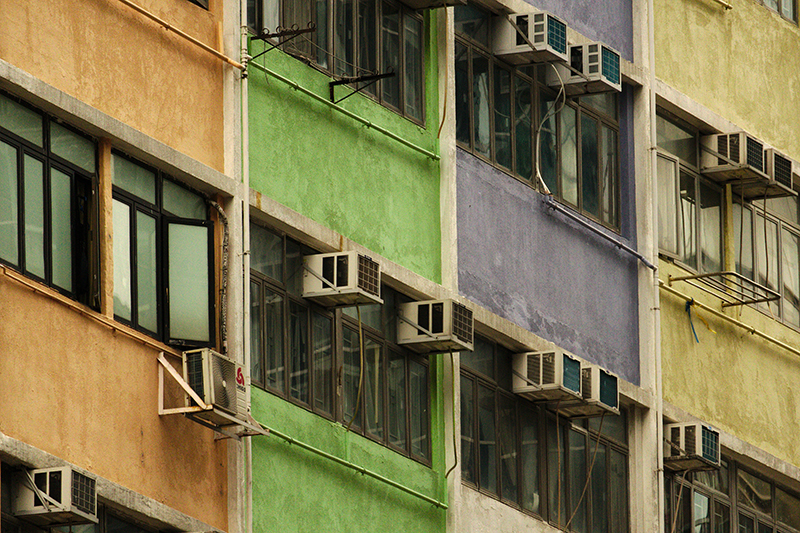
Malaysia is helping to protect the ozone layer by taking measures to control total global production and consumption of substances that deplete it.
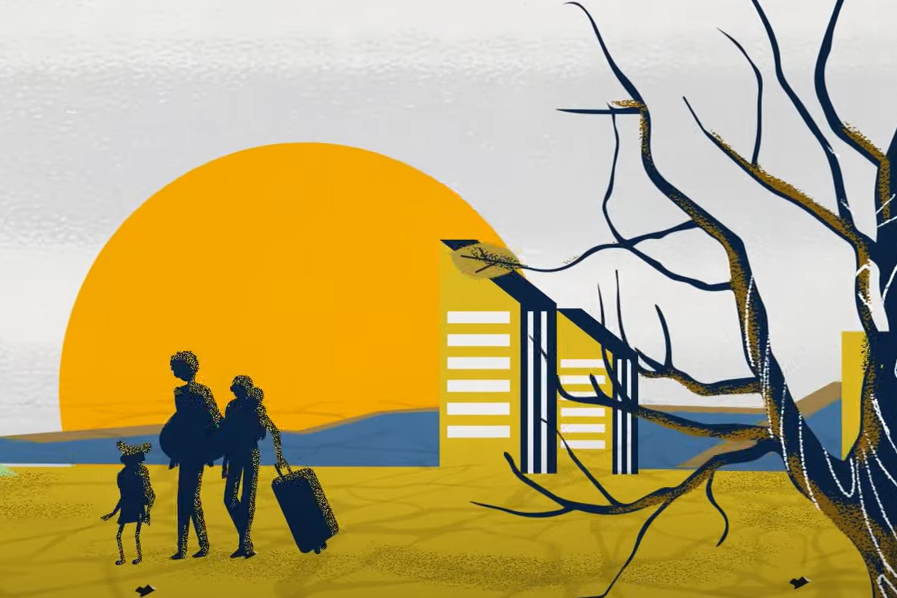
People pack up and leave their homes for many reasons – economic, social, political – and these drivers are often interconnected. A more complete picture of patterns of mobility must now include those moving due to climate change – a trend expected to increase over time - as people journey from one part of their countries to another. Over 216 million people could move within their countries by 2050 across six regions, according to the World Bank’s latest Groundswell report.
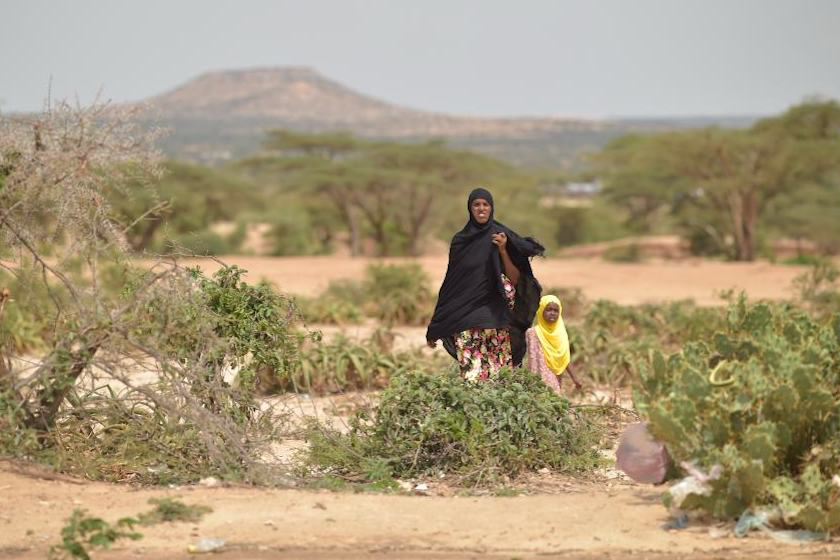
No one escapes the harrowing, heartbreaking consequences of climate change, and the number of people needing humanitarian assistance will double by 2030 because of it. This isn’t a competition on who suffers most when nature responds violently to the abuses perpetrated by mankind. But vulnerable and marginalized groups like women – who make up the majority of the global poor and whose livelihoods are largely dependent on natural resources among other risk factors – are exposed to particular calamities.
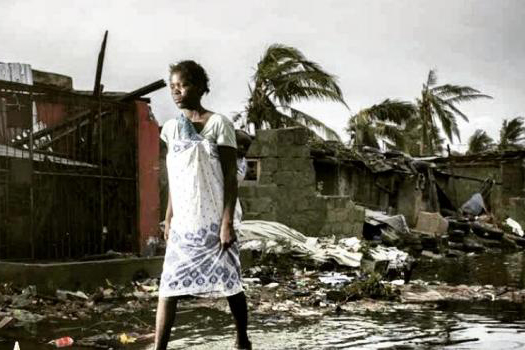
A disaster related to a weather, climate or water hazard occurred every day on average over the past 50 years – killing 115 people and causing US$ 202 million in losses daily, according to a comprehensive new report from the World Meteorological Organization. The number of disasters has increased by a factor of five over the 50-year period, driven by climate change, more extreme weather and improved reporting. But, thanks to improved early warnings and disaster management, the number of deaths decreased almost three-fold.
Debuting August 26, 2021.
No Denying It, the UN climate action podcast, brings you the voices of young climate changemakers from across our warming planet. These activists, engineers, and entrepreneurs show us how we can make big changes - in our homes, our jobs, where we pray, and with our family and friends.
Listen and subscribe on Apple Podcast , Spotify, Castbox, Google Podcast, or wherever you get your podcasts.
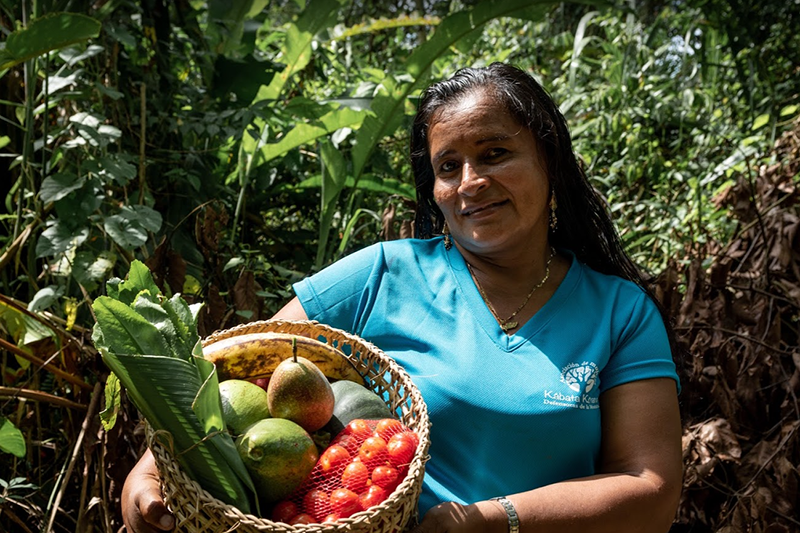
This year's prize honours trailblazing Indigenous and local solutions for people and planet, including the Asociación de Mujeres Indígenas del Territorio Cabécar Kábata Könana, in Costa Rica.
Learning is key to finding solutions and creating a more sustainable world. We must change the way we live and care for our planet. Join UNESCO’s campaign calling on the world to invest in education for sustainable development and ensure that it is embedded in learning systems globally. For the survival of our planet, we need to #LearnForOurPlanet.
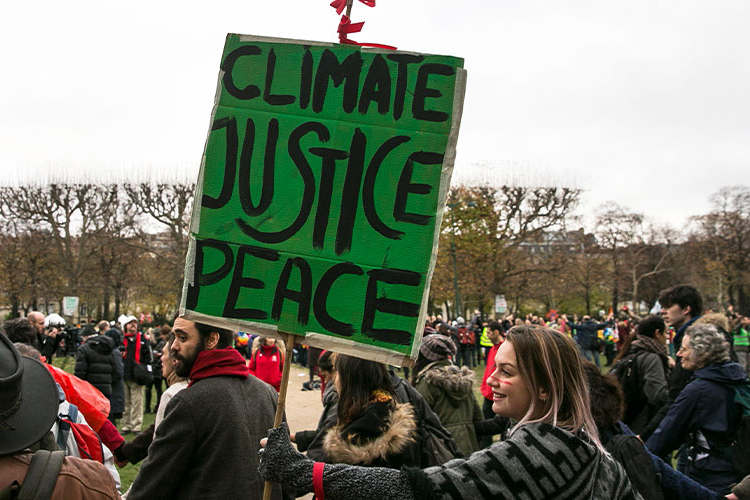
“FAQ on human rights and climate change” takes a deep dive into the subject, showing the links between problems caused by worsening climactic factors, and violations of rights, such as the rights to life, culture, housing and food.

The UNEP Climate Action Note displays the state of the climate, what’s happening now, the progress made and what needs to be done to tackle the climate emergencies.
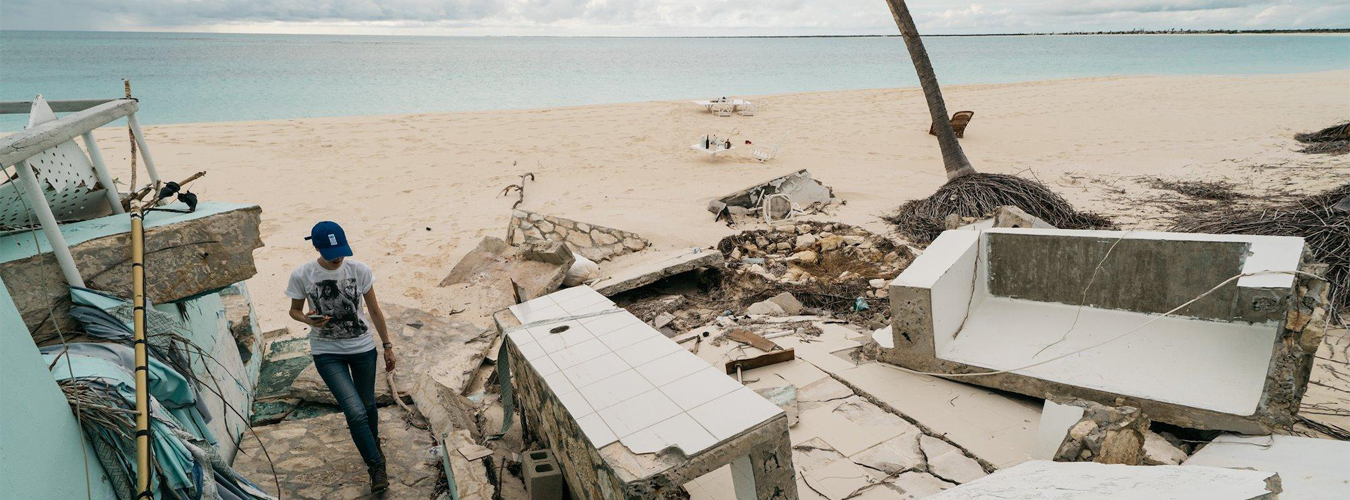
The impacts of our changing climate are being felt worldwide, but countries already struggling with conflict, poverty and high levels of displacement are dealing with some of the most severe effects. From Afghanistan to Central America, droughts, flooding and other extreme weather events are hitting those least equipped to recover and adapt. This Earth Day, UNHCR released a new data visualization that shows how our warming world is compounding risks for people already living with conflict and instability, driving further displacement, and often decreasing possibilities for return.
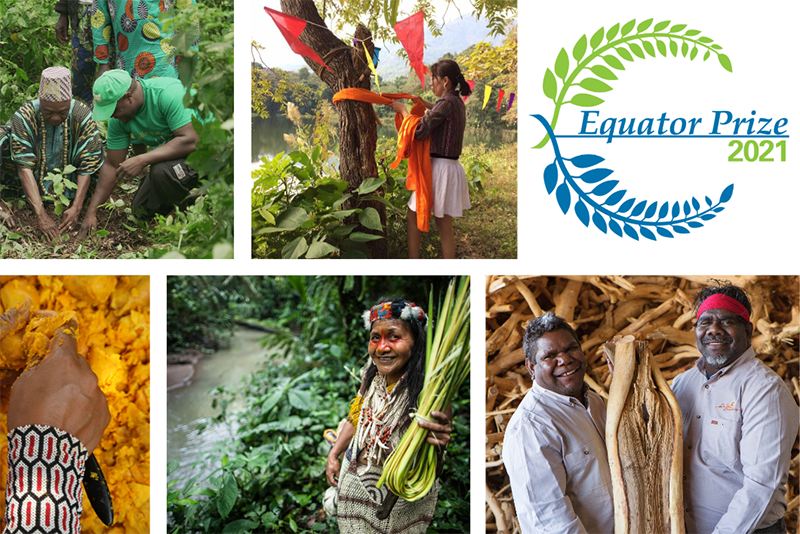
The UNDP-led Equator Initiative announces its global call for nominations for the Equator Prize 2021. Nominations are open through 10 May 2021.
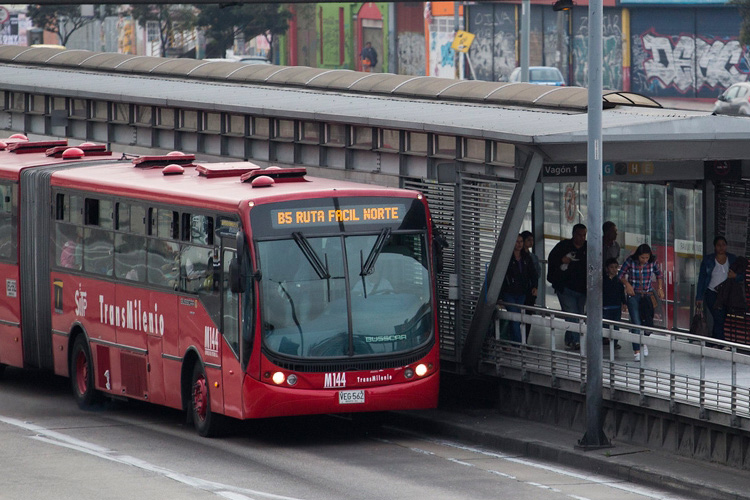
At a time when we face enormous challenges brought on by the COVID-19 pandemic, it is heartening to see the world mobilizing as never before to tackle the looming crisis of global warming. From renewable energy to carbon markets to sustainable agriculture, countries are taking steps to address emissions and enhance resilience. But despite all the positive momentum, there is one area in particular that requires urgent action: transport. Without decarbonizing transport, no scenario for achieving the 1.5-degree climate goal is feasible, and there we are currently heading in the wrong direction. The global transport sector emits around 24 percent of the world’s total energy-related carbon emissions, and this is expected to grow by 60 percent by 2050.

From Sudan to Afghanistan to Bangladesh, the effects of climate change are creating more need for humanitarian aid in the form of food, shelter and medical care. The impacts are unevenly weighted against the poorest people and those with the least resources to withstand climate shocks and stresses. Over half of all humanitarian crises are somewhat predictable and 20 per cent are very predictable. Yet less than 1 per cent of humanitarian appeals funding is channelled to anticipatory action. Extreme climate- and weather-related events are more common and severe, yet most humanitarian responses continue to be launched only after extreme weather events have already resulted in critical damages to the most vulnerable people. We need to prevent extreme weather events from becoming humanitarian disasters through more effective disaster risk reduction and management, including early warning, anticipatory action and early action.
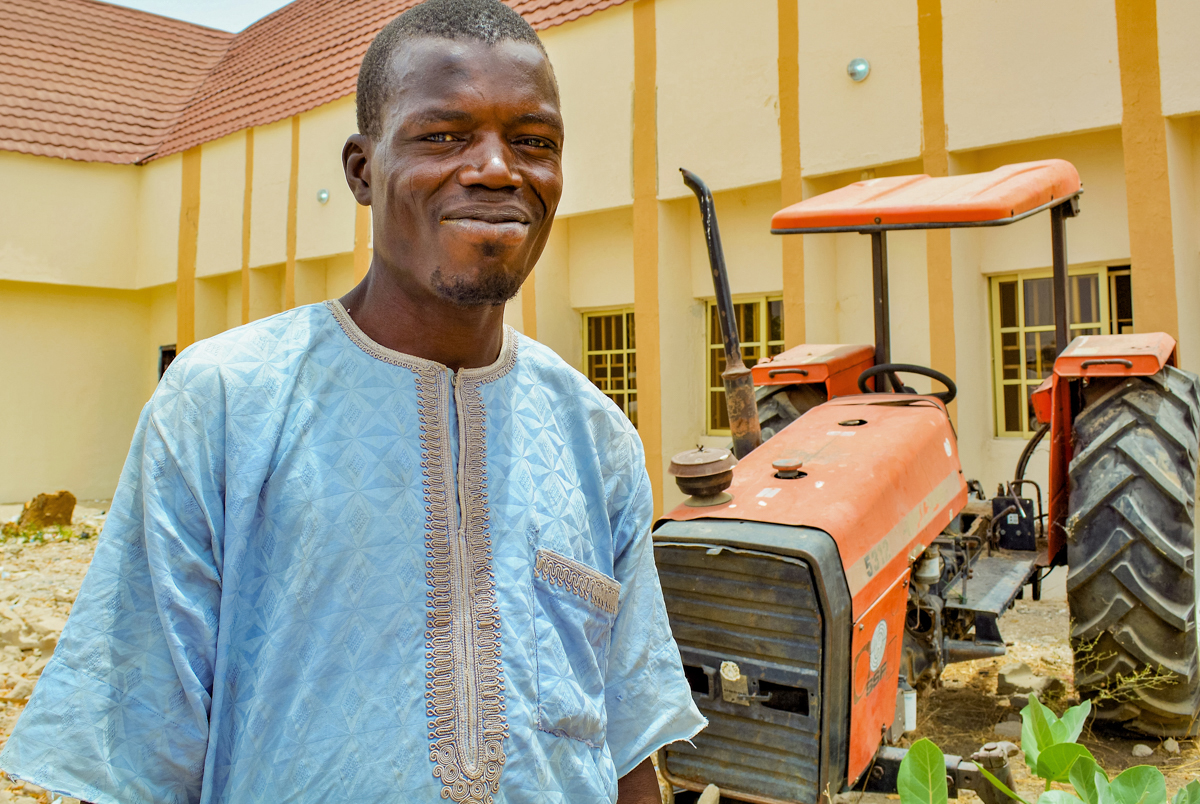
It has been an immensely challenging year for governments, which have been scrambling to contain the spread of the virus while also managing the economic fallout, supporting workers, and ensuring continuity of schooling for children. At the same time, the climate crisis has not gone away, nor has the soaring gap between rich and poor. In fact, these existing challenges have been magnified by the pandemic. Despite the gloom, there’s some good news; with the right choices, governments can address all of these crises at once, by making the transition to low-carbon, green economies. The International Labour Organization (ILO) estimates that the move to low-carbon, greener economies has the potential to create 60 million jobs by 2030.