
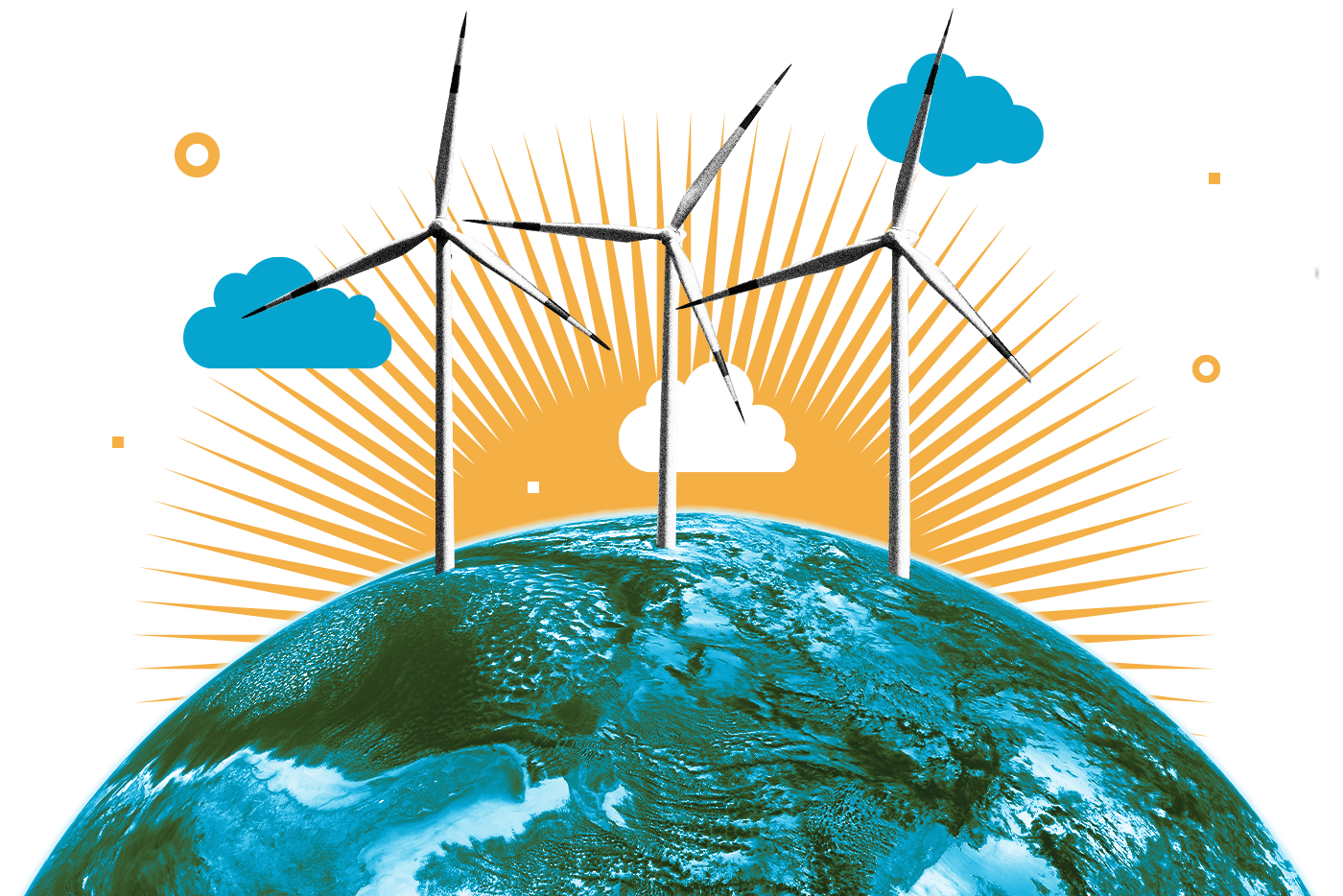
Clean energy is crucial for the dual challenge of inclusivity and environmental protection. With 675 million people lacking electricity, mainly in Sub-Saharan Africa, access to clean energy is vital for socio-economic development and environmental sustainability. It is also essential for combating climate change, by shifting away from fossil fuels. Renewable sources like sun, wind, water, waste, and heat from the Earth – are replenished by nature and emit little to no pollutants into the air. Also, improving energy efficiency ensures cost savings and universal access to sustainable energy.
Climate

Biodiversity is key to human well-being, a healthy planet, and economic prosperity for all people. However, the diversity of species and ecosystems is declining faster than at any time in human history due to changes in land and sea use, direct exploitation of organisms, climate change, pollution, and invasion of alien species. The Kunming-Montreal Global Biodiversity Framework (2022) set out a plan to transform our societies’ relationship with biodiversity. The Bern III Conference (23-25 January) aims to strengthen cooperation for an effective and efficient implementation of the Framework.
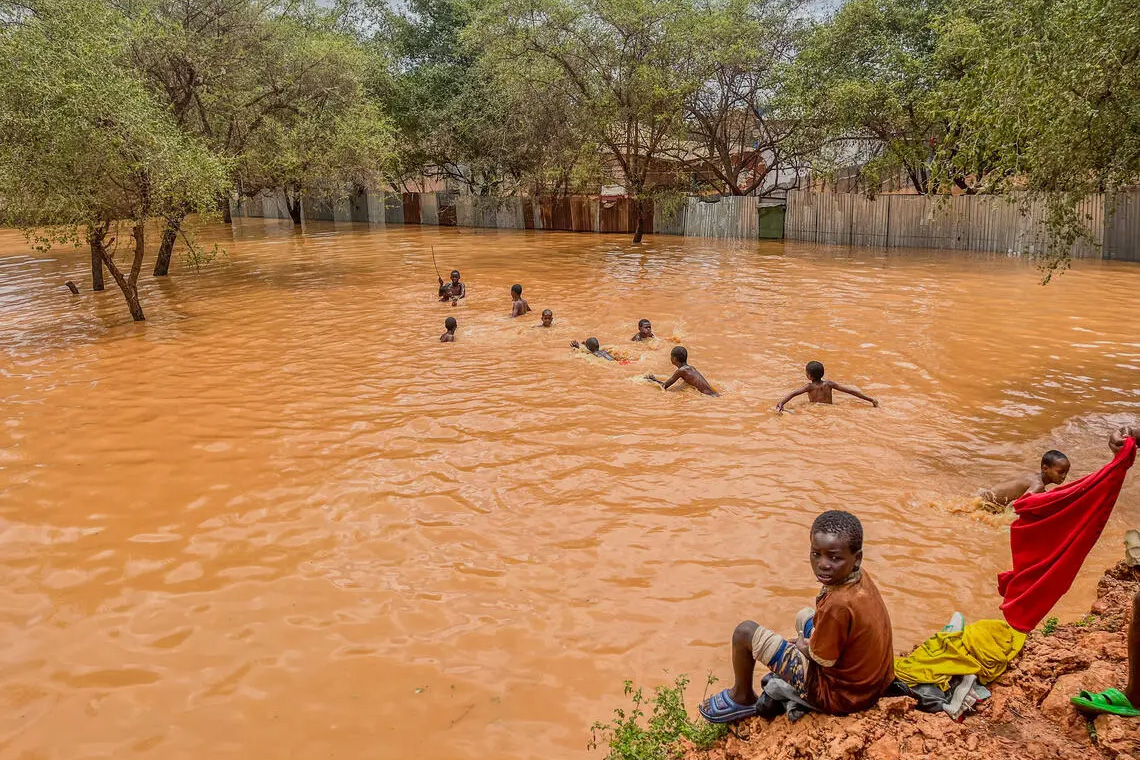
The climate crisis is causing a vicious circle of vulnerability that makes it harder for affected communities to recover, with women, children, older people and people with disabilities experiencing disproportionate impacts. As participants at COP28 this December discussed ways to accelerate action on mitigation, adaptation, loss and damage, and climate finance, we look at how climate change is affecting Eastern and Southern Africa. A third of countries vulnerable to climate change are in Eastern and Southern Africa. The region’s worst drought in recent history left 32 million people facing severe food insecurity. Rising temperatures are linked to deadlier natural disasters and diseases. Shifting weather patterns impact conflict and more.
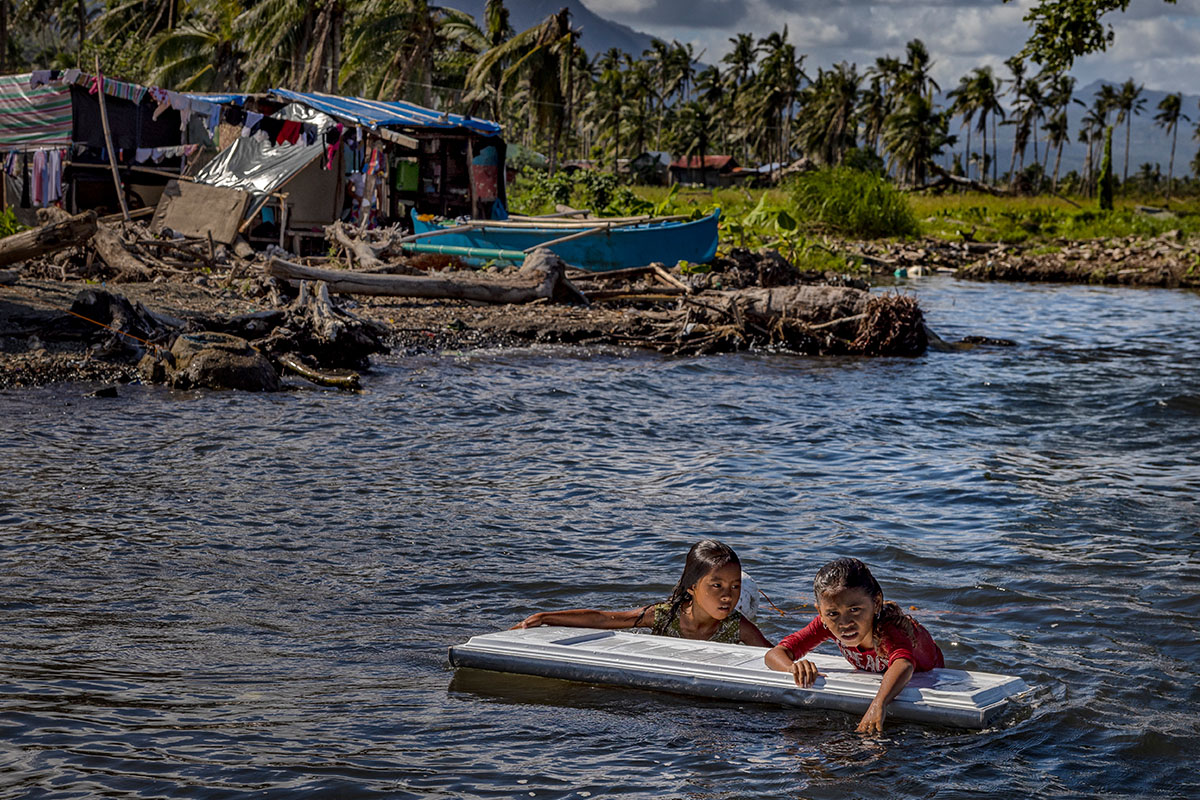
During extreme weather events, women face heightened vulnerabilities among them, increased gender-based violence. As we mark COP28, here are 5 things women and girls are demanding.
As greenhouse gas emissions hit new highs, temperature records tumble and climate impacts intensify, UNEP's Report finds that the world is heading for a temperature rise far above the Paris Agreement goals.

A new report by UNCTAD highlights the urgency of crisis-resilient development finance for Least Developed Countries (LDCs).
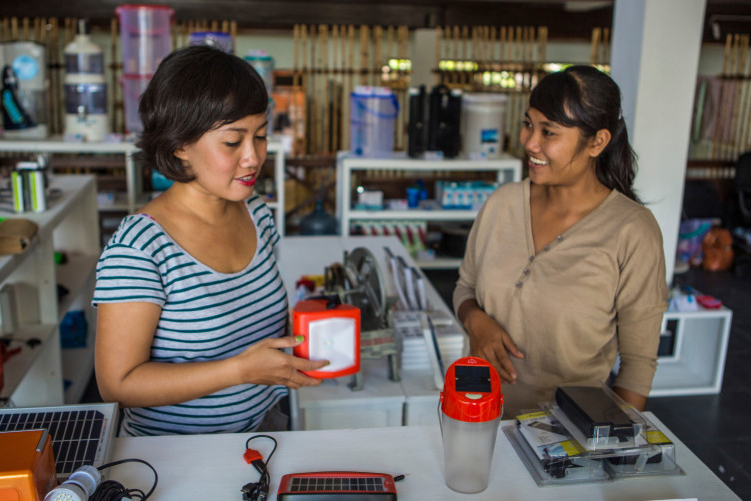
Applications for the Awards will be accepted until 15 October 2023. They will recognize climate action led by young people that is achieving real and tangible results.
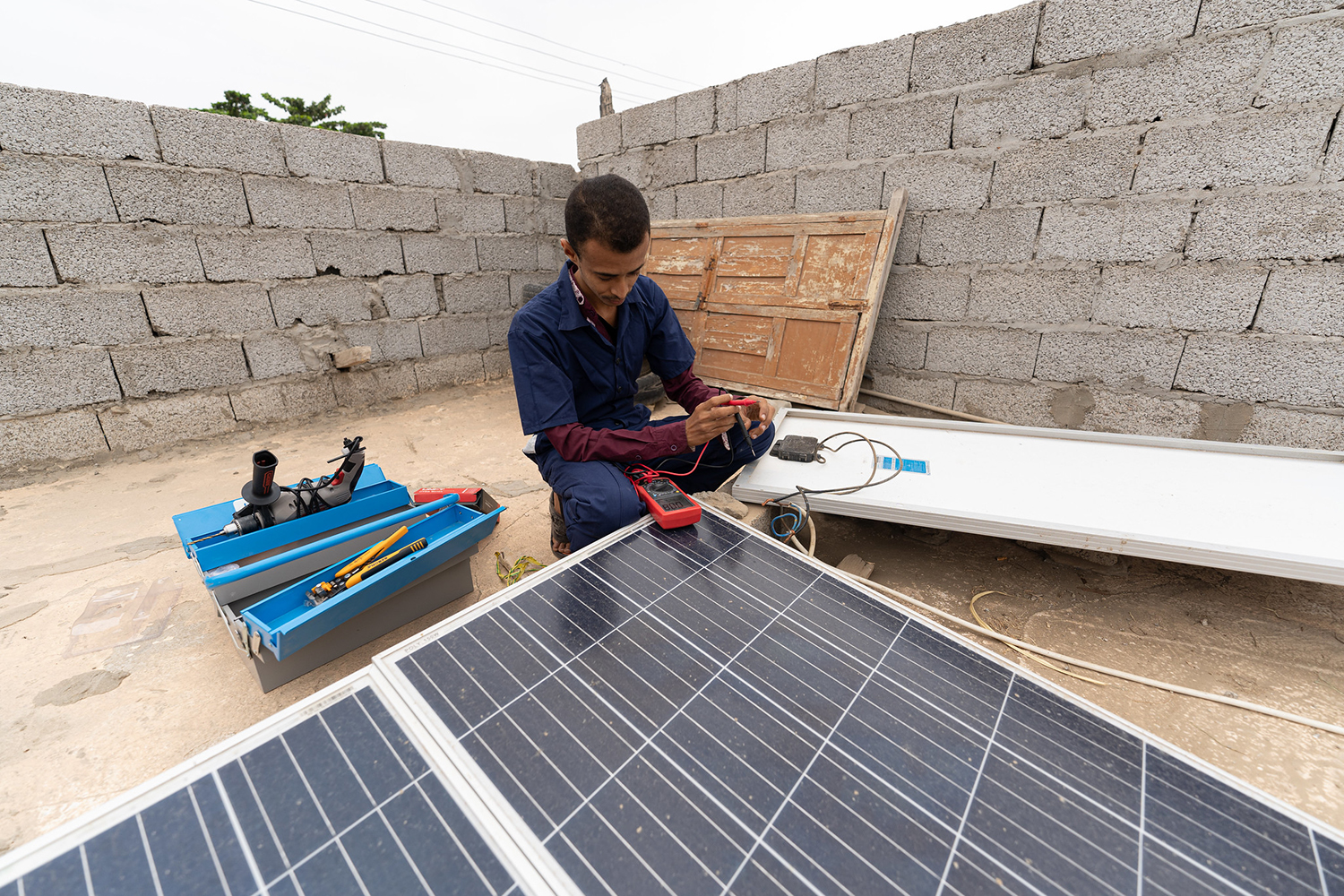
Green jobs can help tackle the climate crisis and the labour market challenges faced by young people. So what exactly are green jobs? And what can young people do to create a sustainable future for themselves?
To answer these questions, on The Future of Work Podcast, Maja Markus holds a discussion with two young people from a trade union and an employers' organization, as well as a Junior Professional Officer working at the Green Jobs unit of the International Labour Organization (ILO).
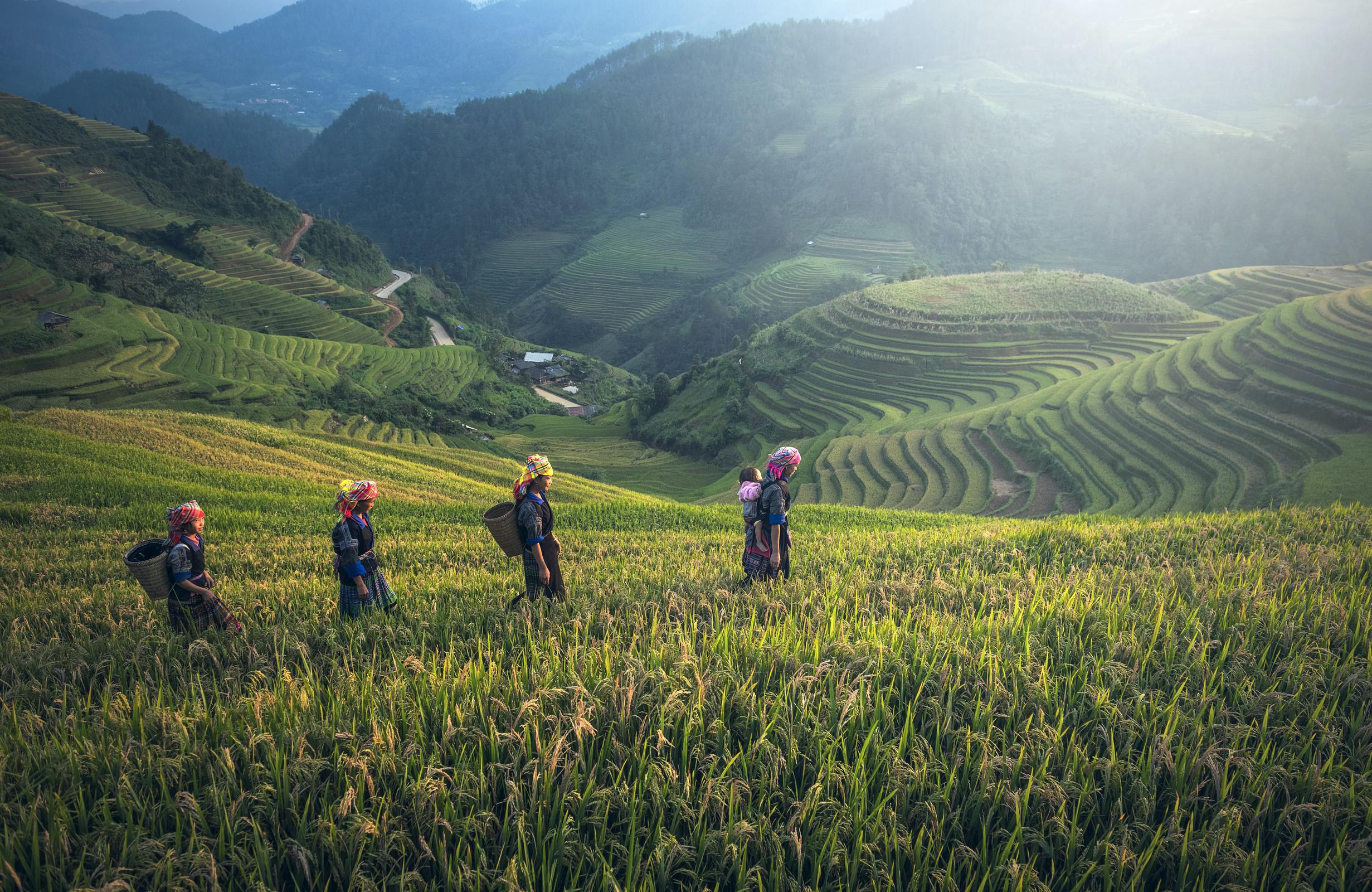
As we approach the halfway mark of the 2030 Agenda, the science is clear: the Planet is far off track from meeting its climate goals, and immediate and unprecedented reductions in greenhouse gas emissions are needed, says the United in Science Report 2023. Launched ahead of the SDG Summit and Climate Ambition Summit at the United Nations General Assembly, the multi-agency report systematically assesses the impact of climate change and extreme weather events on the Agenda's goals.
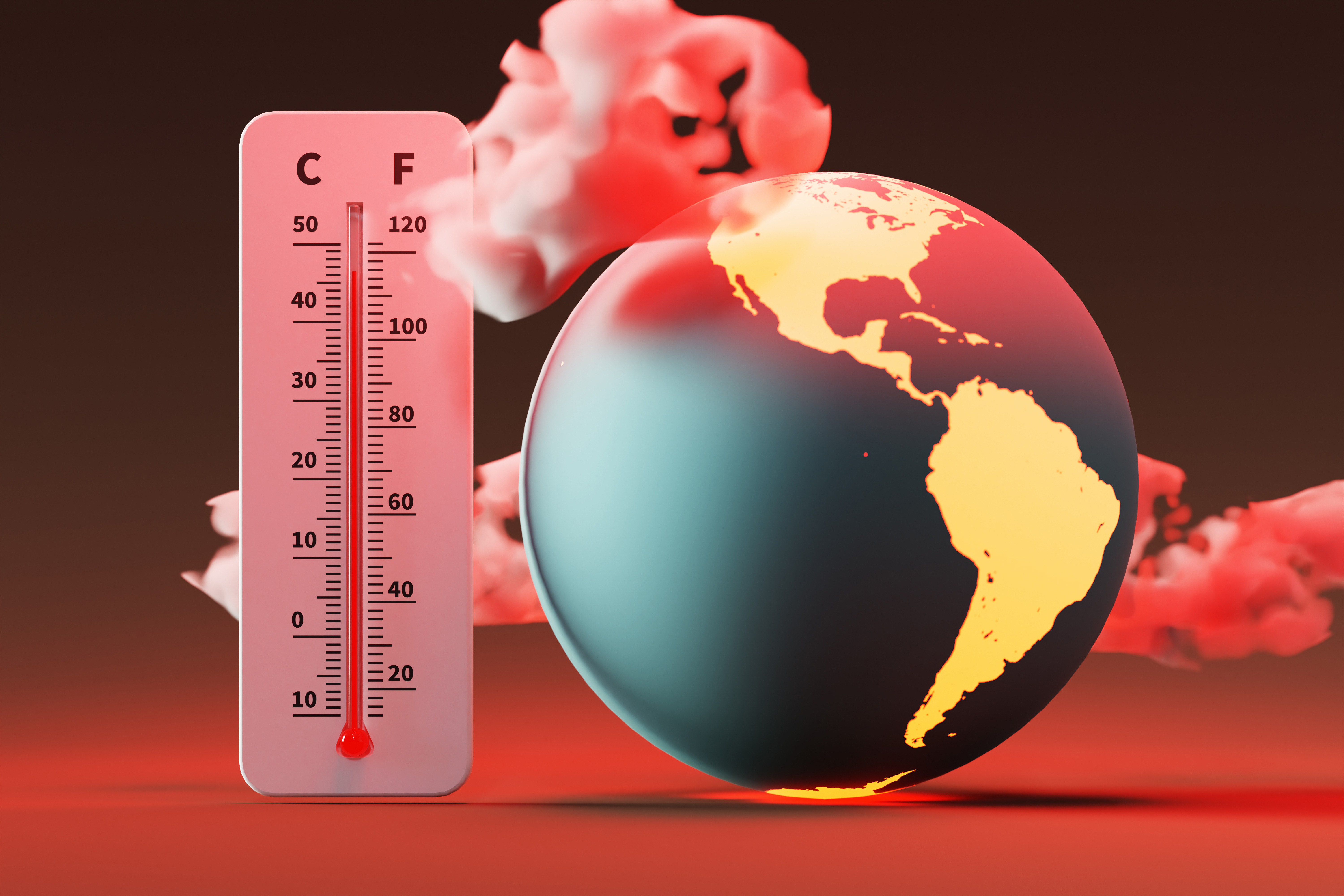
El Niño is coming, warns WMO. Early warnings and anticipatory action of extreme weather events associated with this major climate phenomenon are vital to save lives and livelihoods.
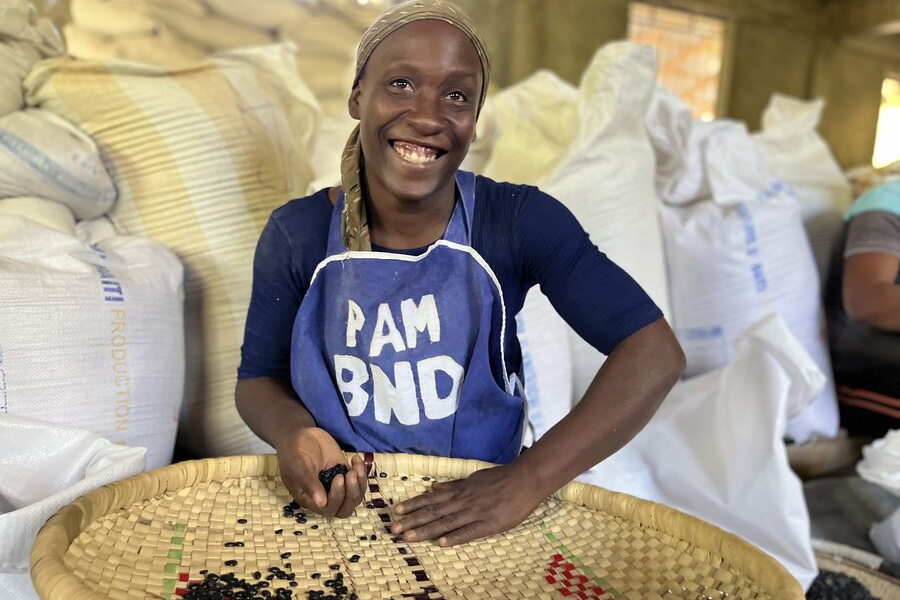
Haiti’s hunger crisis is unseen, unheard, and unaddressed leaving more than 4.9 million Haitians struggling to eat day-to-day. Pervasive insecurity and extreme weather conditions are inhibiting access to the rich food productive areas in the region. WFP is optimistic that despite these challenges, empowering the local community will build long-term capacities in bridging the food crisis. There needs to be a multi-sector response and investments in the local grassroot organizations to stabilize humanitarian assistance in Haiti.
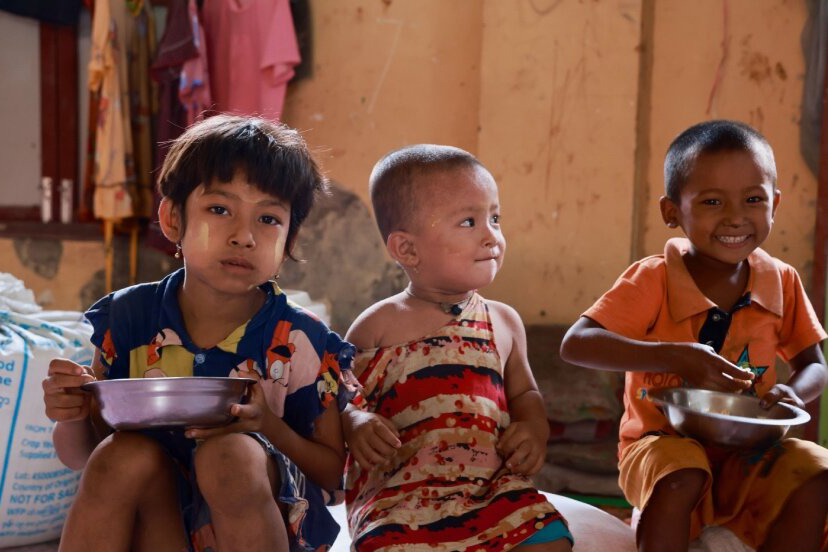
Nearly two weeks after Cyclone Mocha, a grim certainty looms as the coastal areas of Myanmar and Bangladesh enters monsoon season. The cyclone has sent food prices soaring and wiped-out people’s slender food stocks. But now Mocha’s devastation has only deepened hunger already sharpened by the country’s conflict and political and economic crises. WFP has distributed hot meals and emergency food assistance to thousands of people in the immediate aftermath of the storm. A funding shortfall is threatening WFP's response in both countries.
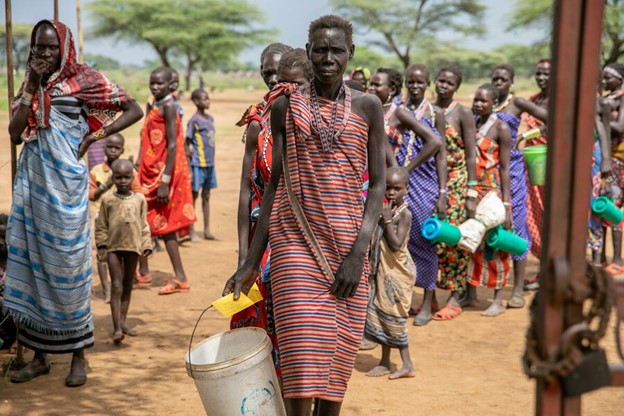
After three years of drought, more than 23 million people across parts of Ethiopia, Kenya and Somalia face severe hunger. When the region’s long-awaited rains arrived in March, they should have brought some relief. But instead, flash flooding inundated homes and farmland, washed away livestock, and closed schools and health facilities. Mortality and malnutrition rates remain a serious cause for concern. WFP and partners launched a rapid scale up of life-saving assistance in drought-hit Somalia, Kenya and Ethiopia, which helped to keep famine at bay in Somalia.
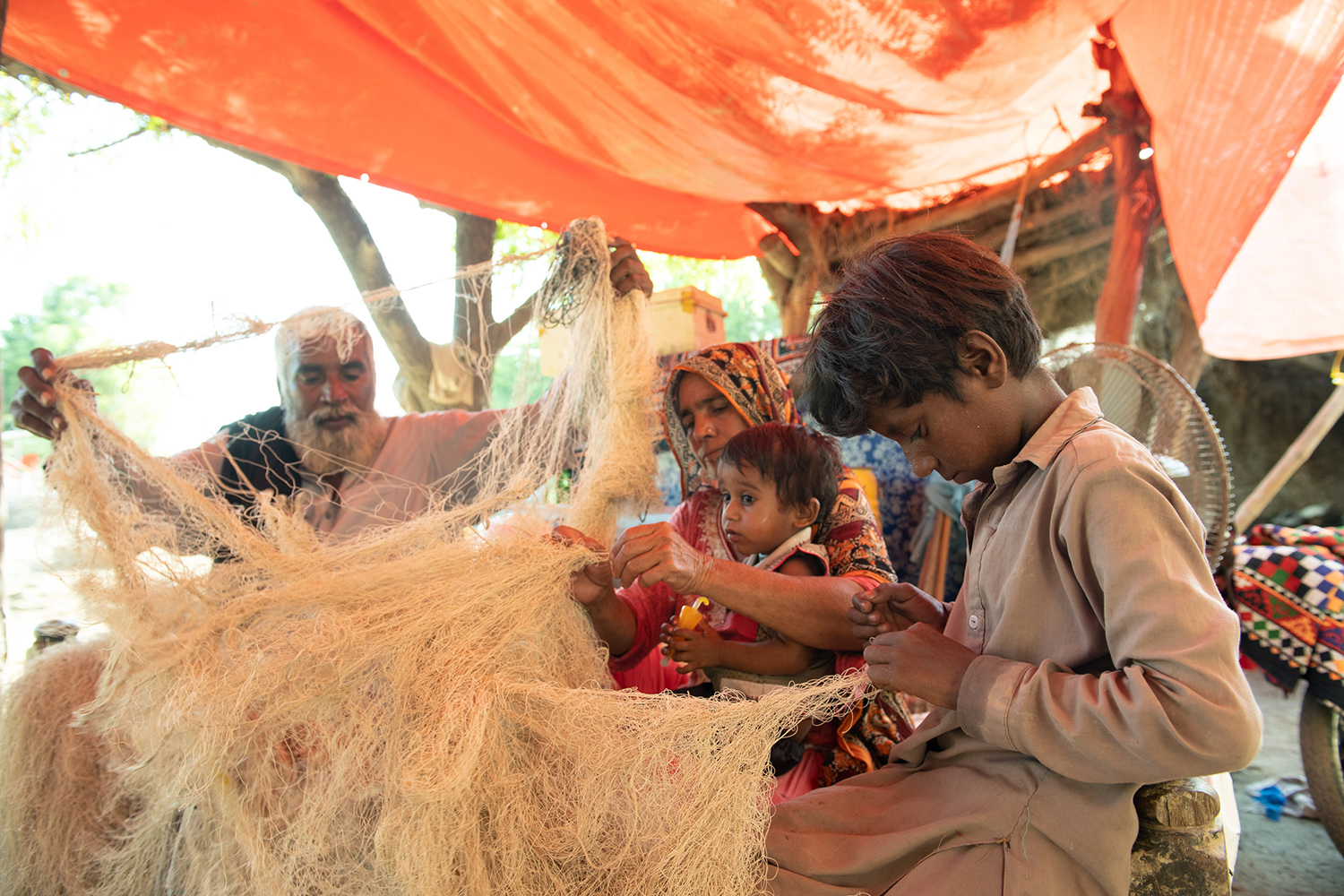
Climate anxiety grips fishermen in Pakistan
Muhammad Kasim, his wife, and eldest son repair fish nets damaged during the recent floods. “We come from a family of fishermen. Fishing is in our blood – it is my badge of honour. It’s also our only source of income,” said Kasim. His lifelong profession and source of income for his large family is now in jeopardy until waters recede and ecological balance is restored. Income from fishing heavily depends on the season. As the floods struck during peak fishing season, local fishermen will have to seek other options to put food on the table. In 2022, the Government of Pakistan launched the “Living Indus” initiative to restore the river’s ecosystem, so the Indus basin can become resilient to climate change.
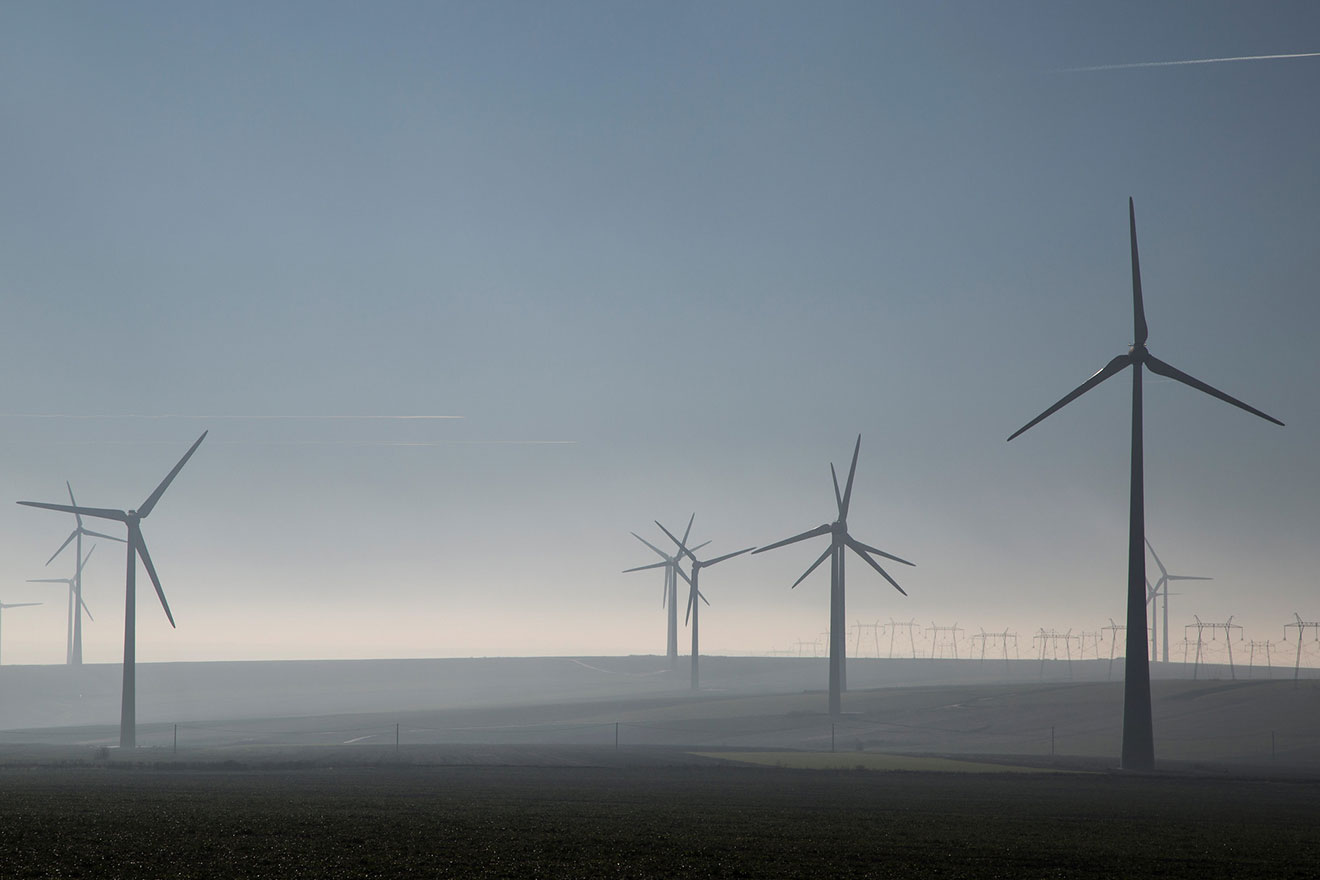
The UN’s Intergovernmental Panel on Climate Change (IPCC) today released a synthesis report – the first such comprehensive scientific assessment since the Paris Agreement – underscoring that effective options exist and need to be put into action now to reduce greenhouse gas emissions and adapt to human-caused climate change. The UN Secretary-General called on every country and every sector to massively fast-track efforts to tackle the climate crisis, saying “our world needs climate action on all fronts – everything, everywhere, all at once.”