

The Food and Agriculture Organization of the United Nations (FAO) and the Global Environment Facility are working across 140 countries to transform agrifood systems so they deliver food security, climate resilience, biodiversity protection and land restoration together. Their partnership supports solutions that improve incentives, policies and investments for farmers and rural communities. Examples include Indigenous-led forest restoration in Peru that strengthens biodiversity and livelihoods, conservation agriculture in Iraq that boosts yields and reduces water use, and regional cooperation in Central Asia to restore degraded river ecosystems. In Pakistan, banana waste is being converted into textile fibres, reducing pollution and creating new incomes. Since 2006, the partnership has combined science, funding and local knowledge to scale sustainable practices, for a more resilient and sustainable future globally.
SDG 12: Sustainable Consumption and Production
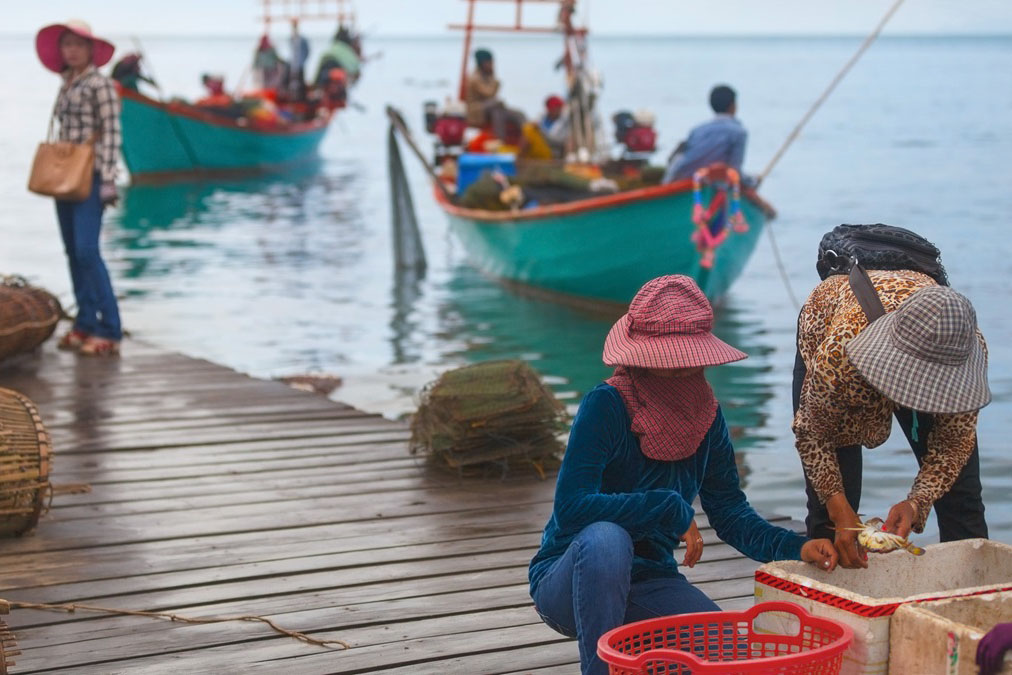
The World Trade Organization Fisheries Subsidies Agreement marks a pivotal step toward ocean sustainability, curbing harmful subsidies while supporting developing nations and global food security.
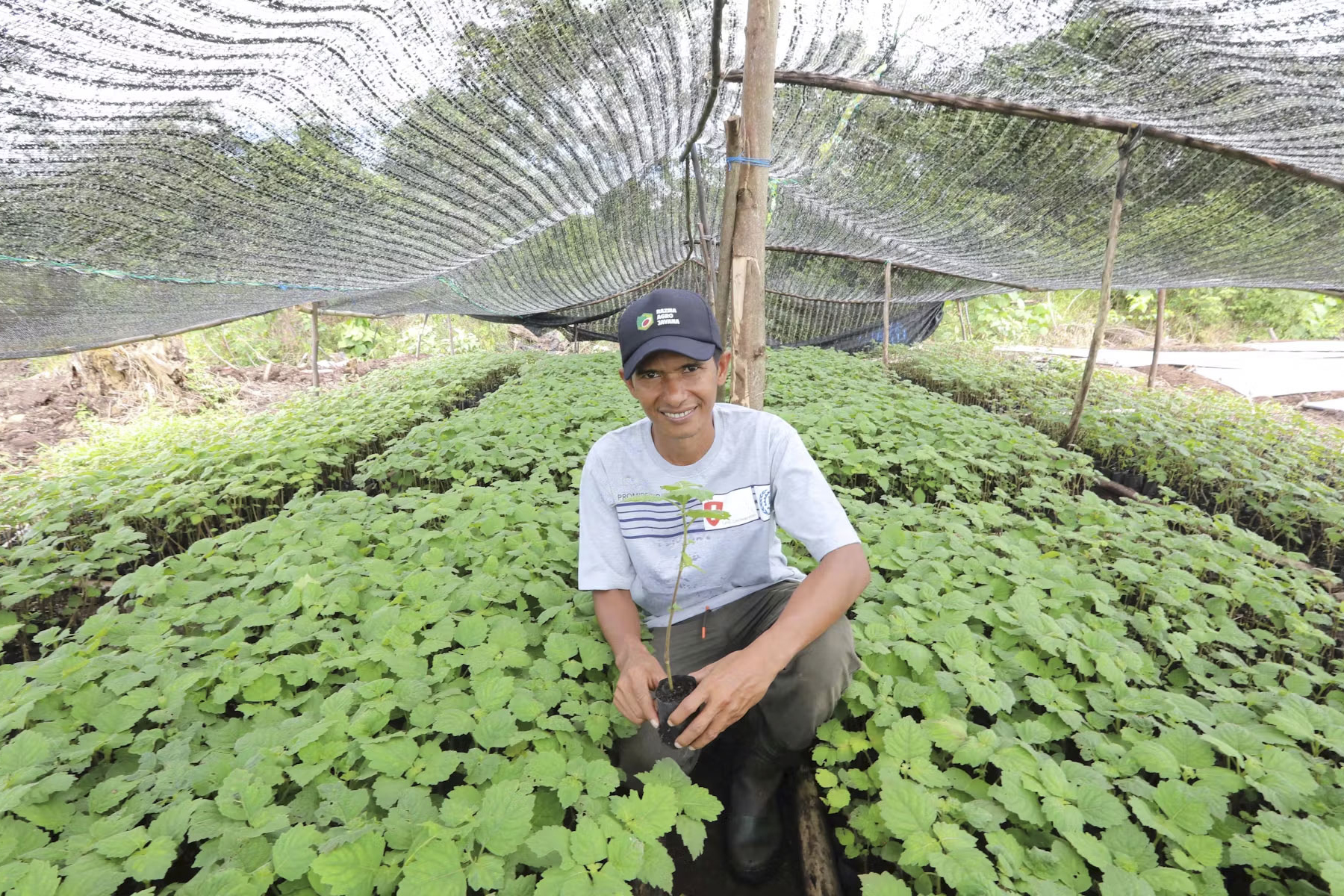
With support from the ILO’s Promise II Impact project and partners, Teuku Razuan established a large-scale patchouli distillation facility in Aceh, benefiting from improved financial access and digital tools.

With global demand for copper set to soar 40% by 2040, UNCTAD warns that supply shortfalls could derail clean energy and digital transitions unless smarter trade, investment, and recycling strategies are urgently adopted.

Jordanian designer Batoul Al-Rashdan transforms food waste into biodegradable fashion, challenging fashion’s wasteful practices on International Day of Zero Waste, and promoting sustainability and innovation.
Ethiopia, home to Africa's largest bamboo resources, is using bamboo for sustainable farming, climate action, and environmental restoration, supported by IFAD.
Fashion for Fragile Ecosystems combines traditional craftsmanship with ethical fashion to promote cultural heritage and protect mountain environments.

Mauro Colagreco, a Michelin-starred chef and UNESCO Goodwill Ambassador, launches 'Seeds for the Future' at COP16 to promote sustainable food practices and education.
Join the World Food Day Poster Contest and show us your creativity! Design a poster that symbolizes your favourite dish or recipe, representing the importance of diverse, nutritious, safe and affordable foods. Show us what this means to you, your community or the world through art. The submission deadline is 8 November 2024.
Every year, June 18 marks Sustainable Gastronomy Day. Sustainable gastronomy emphasizes the mindful sourcing, cultivation, and distribution of ingredients, ensuring that food production and consumption practices are environmentally responsible and capable of enduring into the future.

Fast fashion contributes significantly to environmental degradation, including resource depletion, greenhouse gas emissions, and pollution.

The Buildings and Climate Global Forum, co-organised by France and the United Nations Environment Programme (UNEP), with the support of the Global Alliance for Buildings and Construction, is taking place on 7-8 March 2024 in Paris. The Forum aims to gather for the first time ministers and high-level representatives of key organizations, to initiate a new impetus in international collaboration after COP28. Governments will endorse a declaration for global efforts in decarbonization and resilience, building on the success of the Buildings Breakthrough launched at COP28 in Dubai.
Unsustainable food production and consumption are key challenges facing humanity. Urgent action is needed to transform our food systems to ensure food security, end hunger, and address the triple planetary crisis. Feed the world while nourishing the planet!

While import prices account for much of Europe’s inflation, its outlook largely depends on how companies absorb wage gains as higher prices erode workers’ purchasing power. IMF economist Frederik Toscani studies inflation and monetary policy in the Euro Area and is coauthor of a new paper that breaks inflation down into labor costs, import costs, taxes, and profits.
In this podcast, Toscani says corporate profits account for 45 percent of price rises since the start of 2022.
Frederik Toscani is an economist in the European Department of the IMF, covering the Euro Area.
Photo Credit: ©IMF Podcast.
Climate extremes are a key driver of food insecurity. WFP are providing solutions to help communities predict and prepare for climate disasters for a sustainable future.