

Nutrition is a cornerstone of rural transformation, linking healthy populations, resilient food systems and stronger local economies. Malnutrition costs the global economy up to US$3.5 trillion each year, while every dollar invested in nutrition can generate about US$23 in returns. The International Fund for Agriculture and Development (IFAD) promotes nutrition-sensitive investments that address the causes of malnutrition and strengthen sustainable food systems. Home-grown school feeding programmes illustrate this approach by improving children’s diets while creating reliable markets for small-scale farmers. In Kenya, IFAD-supported cooperatives supply nutritious grains to schools, boosting food security and livelihoods. Through partnerships with governments, donors and international agencies, including Norway-funded initiatives in seven African countries, IFAD has improved nutrition and livelihoods for over 263,000 rural people.
IFAD

IFAD’s public-private-producer partnerships connect companies with small farmers, increasing incomes, strengthening supply chains, and supporting sustainable rural development globally.

From a remote farm or village, the spark of the next pandemic can travel faster than the world expects. The International Fund for Agricultural Development (IFAD) argues that prevention starts in these rural “first miles,” where most infectious diseases emerge from animals and degraded ecosystems. Its investments strengthen livestock health, restore land and support small-scale farmers whose livelihoods anchor global food systems. By improving animal husbandry, ecosystem management and local incomes, IFAD reduces health risks at their source while stabilizing supply chains. Guided by a One Health approach linking human, animal and environmental wellbeing, and boosted by its new role in the global Pandemic Fund, IFAD is scaling up rural investments that protect communities locally while reinforcing health security and economic resilience worldwide.

Angèle is helping transform Benin’s rice sector, showing how targeted support can improve local nutrition and compete with imports. IFAD’s main funding comes from core contributions, which support long-term rural development, while extra funds from partners like Norway help focus on specific priorities, such as better nutrition. With Norway’s support, IFAD expanded projects in seven countries, improving food systems and reaching hundreds of thousands of people despite global challenges. This shows how flexible funding can increase impact.

Core replenishment contributions remain the backbone of International Fund for Agricultural Development’s financing model, enabling long-term rural transformation. As IFAD enters its fourteenth replenishment, each dollar from Member States helps mobilize significantly more investment. Countries like Norway enhance this impact by supporting core resources and supplementary funds targeting specific priorities. During the twelfth replenishment, these funds reached record levels. Norway’s nutrition-focused fund supported projects in Benin, Burkina Faso and Malawi, delivering measurable results. Aligning supplementary and core funding shows how strategic partnerships can scale impact and advance inclusive, sustainable rural development.

Rural young people are vital to global development, with nearly half of the world’s 1.3 billion youth living in rural areas and brimming with entrepreneurial potential. Yet they often lack access to opportunities that enable them to thrive. Targeted investments, through IFAD’s youth-sensitive programmes, are unlocking that potential — creating jobs, fostering agribusiness leadership and strengthening rural economies. By nurturing skills, providing access to finance and connecting youth with markets, initiatives like Agribusiness Hubs empower young people to build sustainable futures in their communities rather than migrating elsewhere. These success stories underscore why investing in rural youth is essential for food security, economic growth and lasting stability.
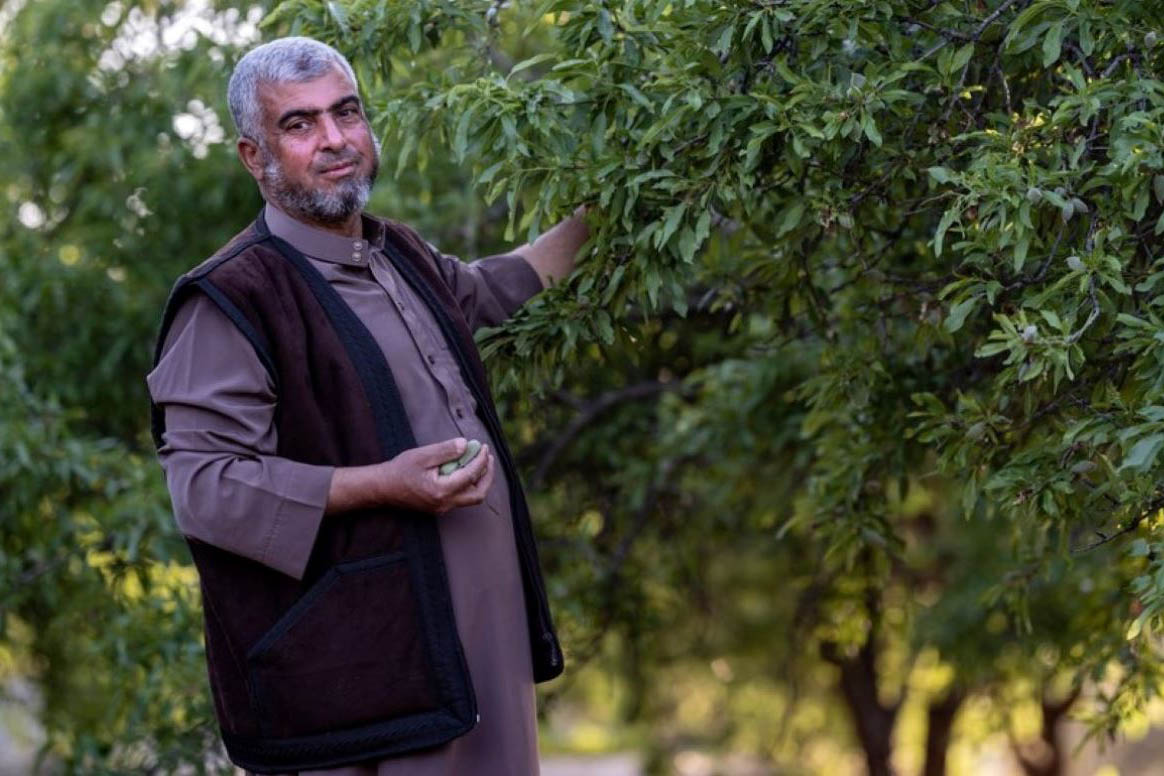
In 2026, IFAD is strengthening rural economies by empowering youth, promoting resilience, and connecting small-scale producers to markets to drive inclusive, sustainable growth.
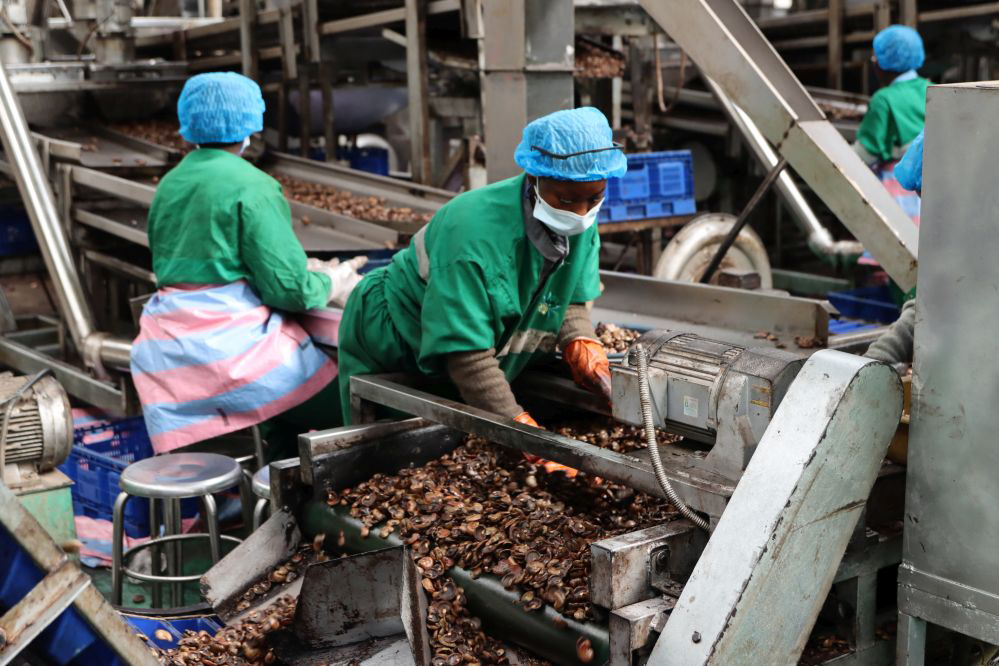
By investing in rural development, jobs and value chains, IFAD helps turn migration from a necessity into a choice by creating stable, home-grown opportunities where people live.
In Peru, the Awajun community, supported by the Avanzar Rural project, adapts cacao farming to climate change, improving yields, incomes, and market access for smallholders.

Adaptation can seem daunting for rural businesses, but it’s a win-win. By adopting sustainable farming techniques like agroforestry, small-scale farmers can drive economic growth while protecting their land.
In the third episode in IFAD's “Life stories” mini-series, we head to the Peruvian Amazon to see adaptation in action. Join us as IFAD Recipes for Change chef Waldir Maqque meets with Ruth, whose farmers’ association has become a key player in the local cacao value chain with IFAD’s support.

Family farms, when backed by smart public and blended financing, can become powerful drivers of food security, rural prosperity and climate resilience.

By replacing outdated financing models with innovative, investment-driven approaches, adaptation finance can unlock sustainable growth, attract private capital, and deliver lasting resilience for rural communities and global economies alike.

Around the world, small-scale farmers are pushing our food systems to evolve. They’re the key to producing enough safe, nutritious food to feed the world sustainably.
In this episode, we explore how IFAD works hand in hand with rural communities to build a more nourishing future. Learn how innovative agroecology projects are driving economic growth and hear directly from IFAD’s President, Alvaro Lario, about how school meals are inextricably linked to resilient local food systems.

Rural women are the innovators, leaders and changemakers at the core of our planet’s food systems. That’s why supporting them is essential to building a sustainable future. In honour of the International Day of Rural Women, we’re celebrating their vital contributions. In a new episode of IFAD’s Farms.Food.Future podcast, we explore how empowering women through training, access to resources, and leadership opportunities creates stronger rural communities and leads to measurable improvements in income, food security, and resilience.
In Benin, black soldier fly larvae decompose organic waste in 12 days, producing natural fertilizer that boosts soil and crop yields.