
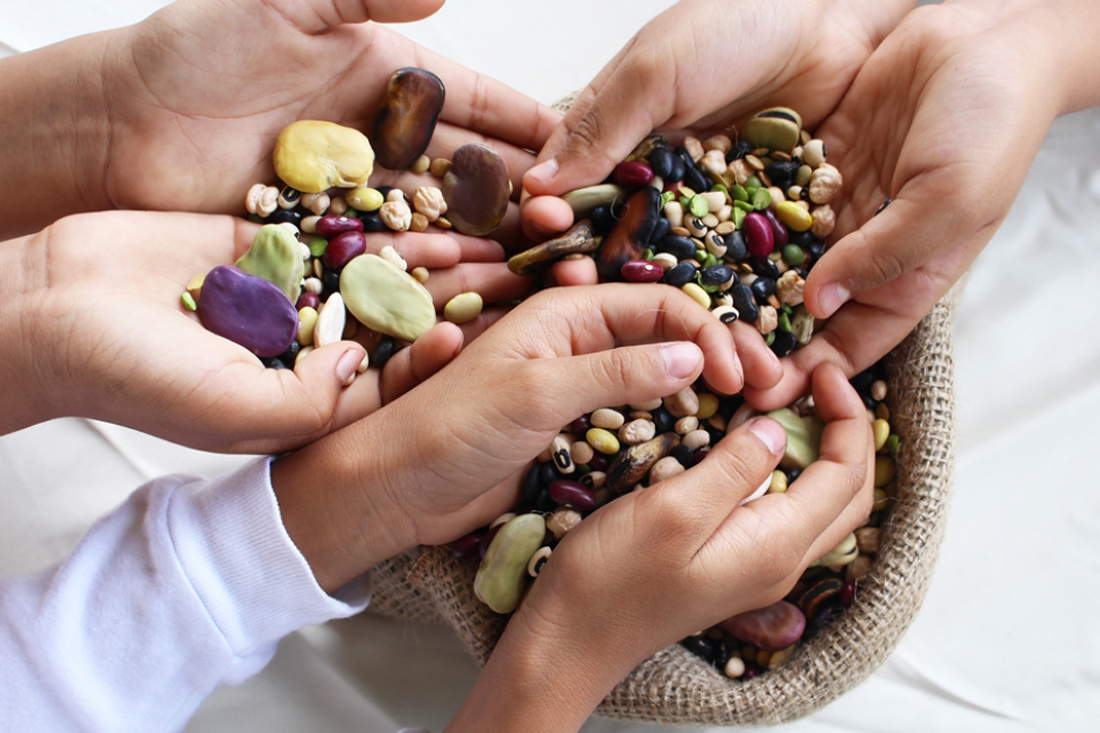
They have a long shelf life, they are gluten-free, low in fat and sodium and a good source of iron, potassium, and fiber. Pulses’ benefits are multiple. But they are more than just nutritious seeds. FAO highlights that legumes contribute to sustainable food systems and a Zero Hunger world, since they improve soil fertility, their water footprint is small and they are affordable. This World Pulses Day, 10 February, is another opportunity to heighten public awareness of pulses and their role in sustainable agriculture and achieving the 2030 Agenda.
Agriculture and Food
1) Locusts are the oldest migratory pest in the world. 2) Desert Locust is the most devastating of all locust species. 3) They form swarms that can fly up to 150 km a day. 4) They eat their own weight in food daily.
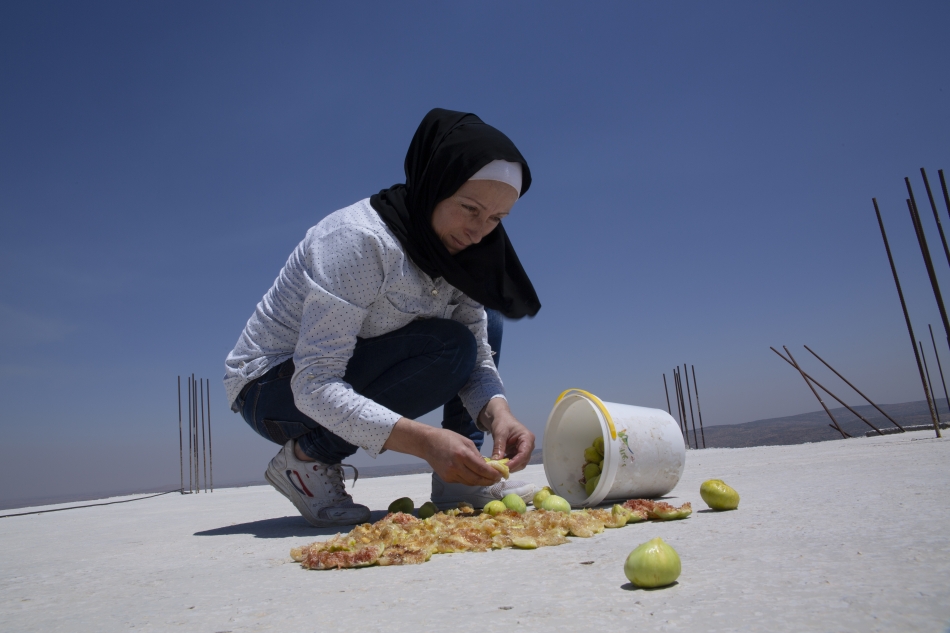
Since 2011, the Syrian conflict has hit hard the families in the country, as well as its agriculture. Many families lost their husbands, fathers or other breadwinners, leaving women solely responsible for earning money and taking care of their families. FAO teamed up with Slow Food International to offer Syrian women opportunities to gain the skills and confidence they need to boost their production, but also importantly, to help them identify markets. As part of this initiative, seven Syrian women, as well as a number of female technicians, travelled to the Piedmont and Liguria regions of Italy to learn from farming communities that produce and promote local, organic and artisanal foods.

"As a chef, I believe that we have a responsibility and we should take concrete actions to tackle climate change. Farming communities are threatened and we need to support them by sourcing our food consciously." Born in Senegal and based in New York, Pierre Thiam's style of cooking has remained true to his roots. Recipes for Change is a series of recipes from developing countries, which look at the threats communities face through climatic change that affect some of the essential ingredients used in their main meal of the day.

The ubiquity, portability and mobility of digital technologies are transforming agriculture and food production. FAO harnesses the power of digital technologies to pilot, accelerate and scale innovative ideas with high potential for impact in food and agriculture.
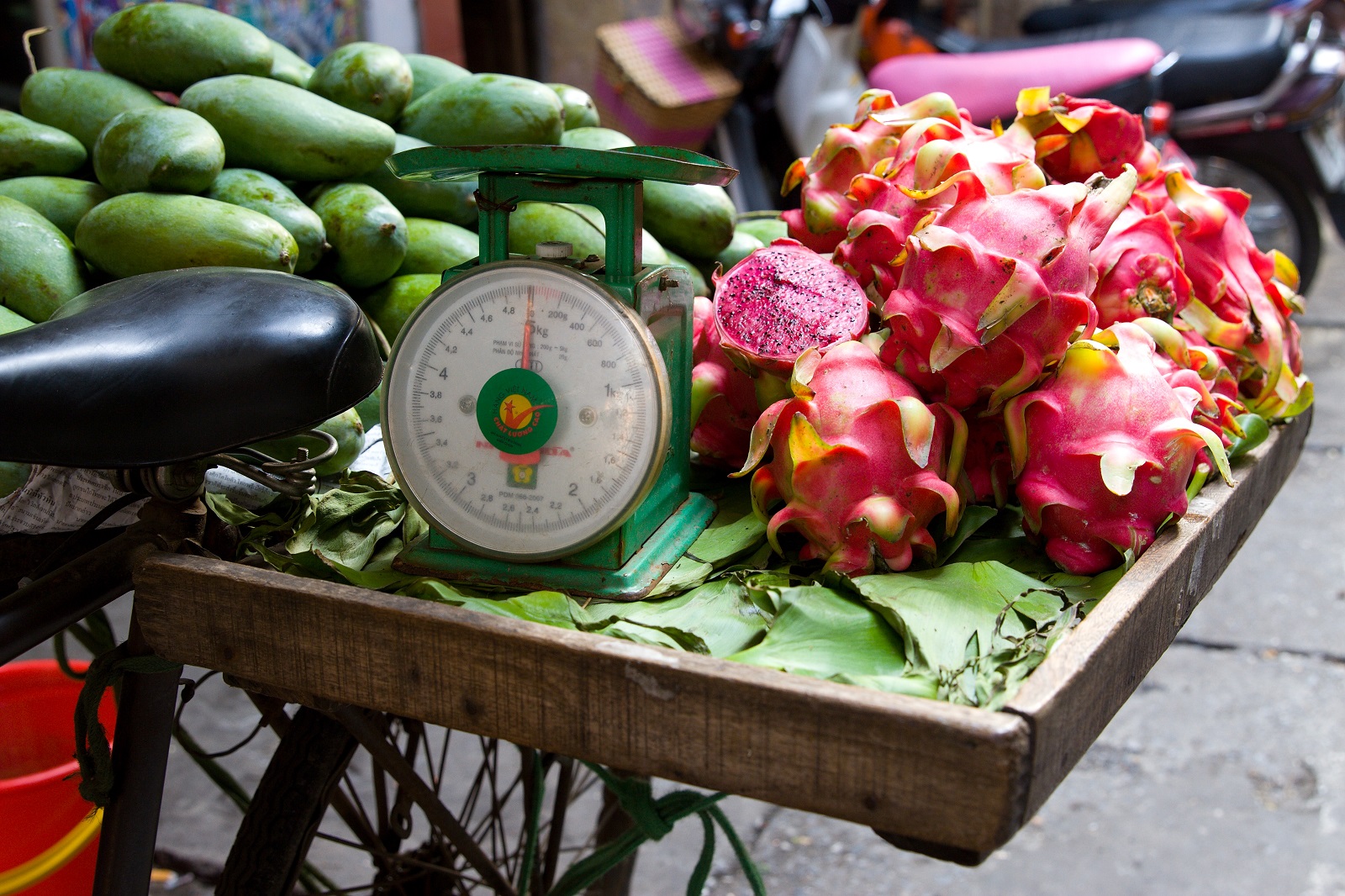
Whatever your New Year’s Resolution, a healthy and balanced diet will provide many benefits into 2019 and beyond. Here are some food tips for helping us lead healthier, longer lives.
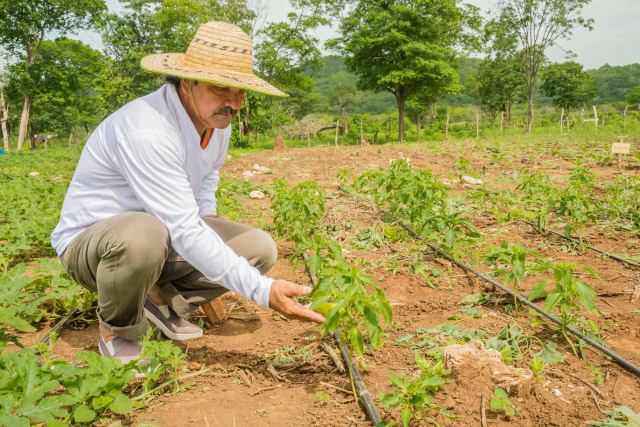
In 2018, when early warning forecasts indicated a strong likelihood of drought in La Guajira and an increase in the number of migrants, FAO acted to prevent the situation from deteriorating. FAO’s Early Warning Early Action team together with the FAO Colombia country office rolled out a programme to support and train farmers in boosting food production. Different ethnic groups took part in the training in Guayabal including the Wayúu people, the country’s largest indigenous group, as well as Afro-descendants and Venezuelan migrants. FAO’s early action helped to strengthen the social cohesion between these different groups and reduce the tensions that can arise in poorer areas when there is increased competition for jobs, soaring food prices and an influx of migrants.
With a bag of seeds and a lifetime of knowledge, Syrian refugee Salem has regrown his precious flowers in Lebanon to provide his family and others with a vital income.
I am life. I am home to millions and I sustain millions more. My abundance brings prosperity, while my scarcity can be deadly. I cover much of the earth and my influence extends far beyond. I have been around for longer than you can imagine, but my world is threatened.
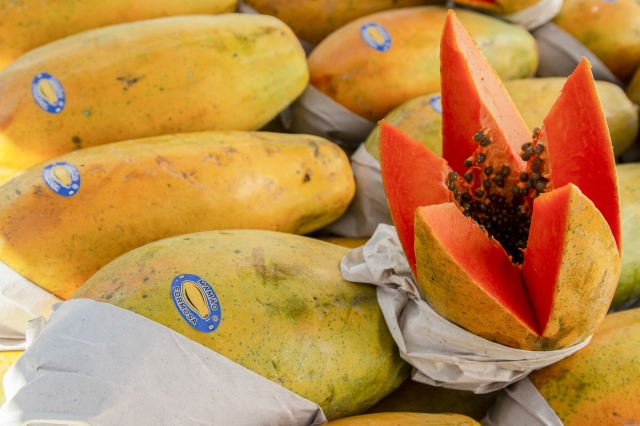
Unhealthy eating is one of the main risk factor of deaths caused by non-communicable diseases. The Right to Food is not just about access to food, it is about access to nutritious food. The Right to Food Watch in Spain (ODA-E) wants to stop unhealthy eating.
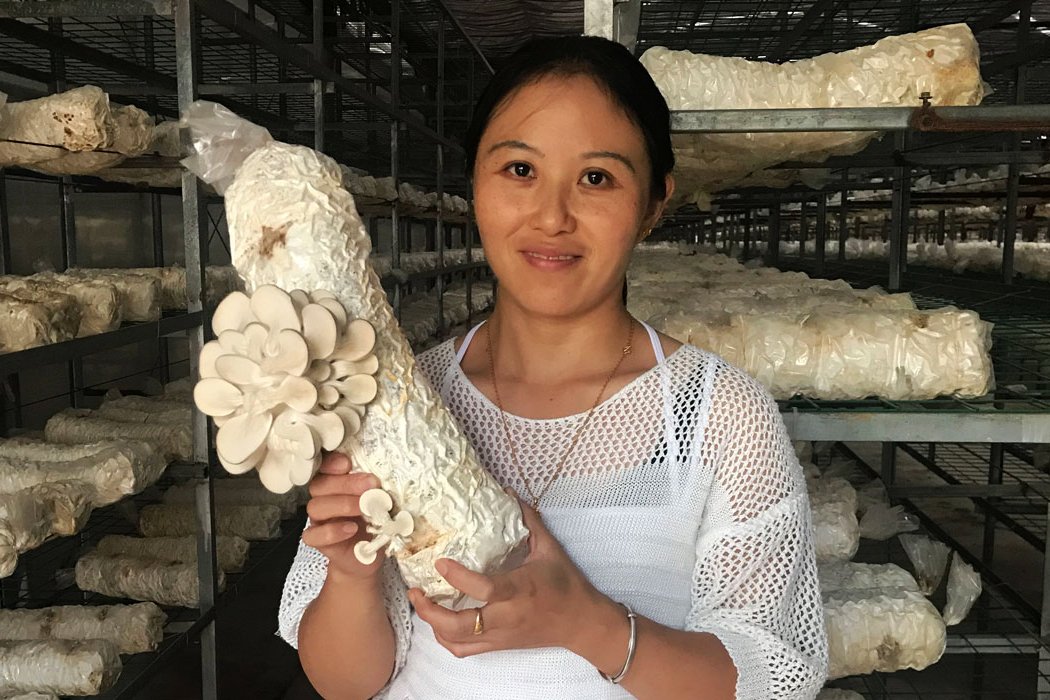
Specialised production secures better income for rural households in China

We only have 10 years left to achieve the Sustainable Development Goals. With food and agriculture being major players in these 17 objectives, FAO has recognized that a holistic approach is key. With a 10-year deadline in mind, FAO is quickening the pace of progress by finding and implementing innovative solutions, encouraging global best practices and working together with partners to achieve sustainable food systems for all. At COP25 FAO is renewing its commitment to create a world free from hunger and poverty and calls on partners of all kinds, around the world, to join it.
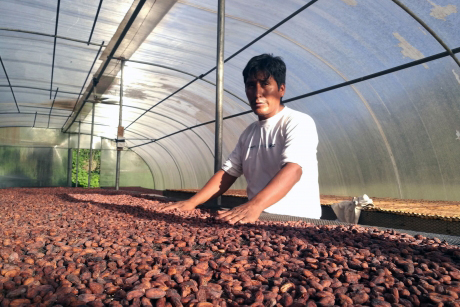
In the Bolivian countryside an appetizing industry has taken off, bringing a sweet new business to rural communities: chocolate production. When it comes to chocolate, Bolivia might not be the first place you think of yet - but thanks to the combined efforts of FAO, smallholder farming collectives and indigenous producers, it soon will be. Over the past five years, Bolivia’s chocolate producers have been quietly racking up the achievements and gaining global recognition for the quality of their products

This is the inaugural episode of Farms. Food. Future. – a podcast that’s Good for You, Good for the Planet and Good for Farmers and your Food.
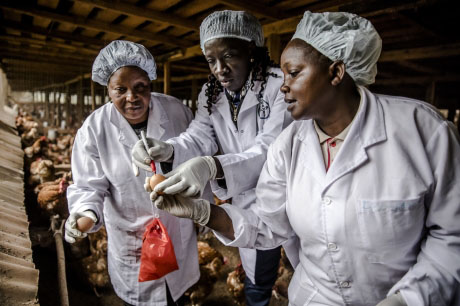
The misuse and overuse of antimicrobials, including antibiotics, is causing a growing problem called antimicrobial resistance. Every time we use antimicrobials to treat infections - in people, animals and plants - these germs have a chance to adapt to the treatment, making those medicines less effective over time. These resistant germs can cross borders and continents, spreading between people, animals and the environment. Because of this, the world’s farmers have a key role in fighting antimicrobial resistance.