
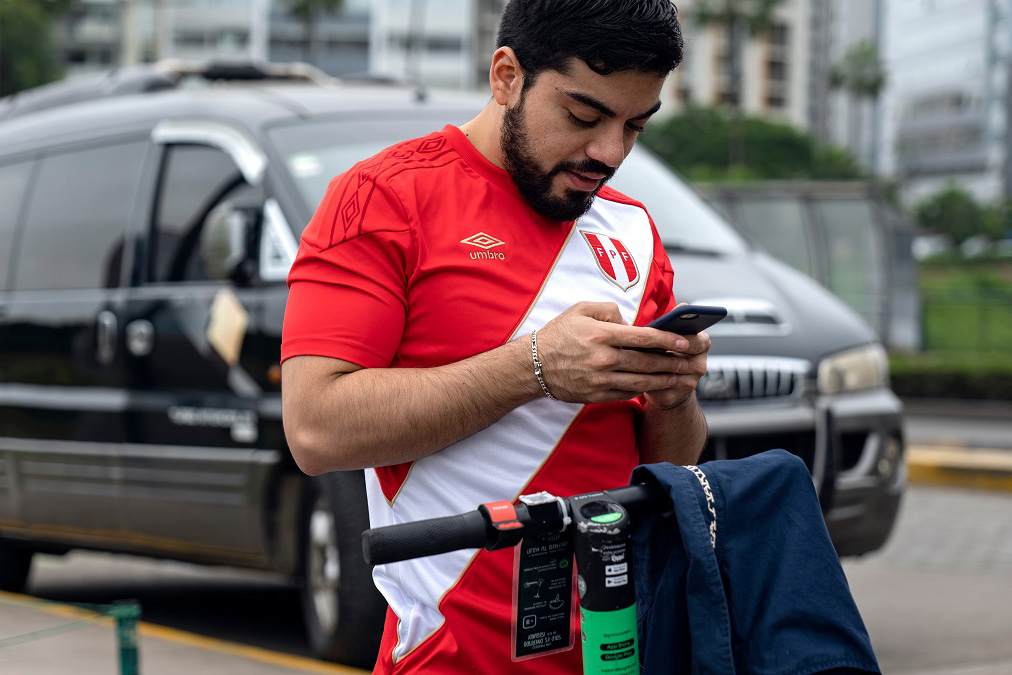
It’s more than just a metal. It’s in our phones, our homes, our cars – quietly powering our daily lives. As demand increases for clean technologies, like solar panels and electric vehicles, copper is increasingly in the spotlight. But what are the costs and consequences of mining it – and who really benefits? Can we meet these demands without repeating past mistakes? In this episode of UNCTAD’s The Weekly Tradecast, we speak with Professor Daniel Franks, Director of the Global Centre for Mineral Security at the University of Queensland. Listen now to learn about the global race for critical minerals, the environmental and social costs of extraction, and the urgent need for inclusive reforms in how we power our future.
Economic Development

The new annual Session of the International Labour Conference (Geneva, 2-13 June) addresses several pressing challenges that are shaping the future of work. Key topics on the agenda include protecting workers from biological hazards, exploring strategies to formalize informal employment and providing input for the upcoming World Summit for Social Development. As the ILO’s highest decision-making body, the Conference plays a central role in shaping international labour policy. This year’s focus reflects the need for responsive, inclusive approaches to evolving global labour realities.

The world faces interconnected crises—climate change, inequality, biodiversity loss, and financial instability—that demand unified action. Over 80% of the Sustainable Development Goals (SDGs) are linked to climate action, yet siloed efforts hinder progress. From 27 to 28 May, the UN Climate and SDGs Conference 2025 convenes global leaders, experts and advocates in Copenhagen to explore integrated solutions for both climate and SDGs. Organized by UN DESA and UN Climate Change, the event focuses on policy coherence, financing, innovation, and partnerships to drive transformative change.

In rural Guatemala, the Impúlsate programme is empowering indigenous women like Silvia with tailoring skills, turning lifelong dreams into income-generating opportunities and fostering economic independence.

Rising trade tensions and tariffs are roiling the global economy, fueling market volatility, driving inflationary pressures, and dampening growth prospects, especially in trade-dependent economies and already fiscally constrained developing countries. The mid-2025 World Economic Situation and Prospects report from UN DESA warns that pervasive uncertainty and the risk of supply chain disruptions and higher production costs threaten international trade and investment. The report also underscores the need for enhanced international cooperation to safeguard growth and sustainable development.
The next generation of innovators is rising from the developing world, and the World Bank Group is helping them thrive. By combining insight, finance, and partnerships, we've transformed $29 billion in donor support into $1.5 trillion in real-world impact.

UNCTAD forecasts global growth will slow to 2.3% in 2025, below the 2.5% global recession indicator, as escalating trade tensions and record-high policy uncertainty trigger financial volatility and erode business confidence worldwide.
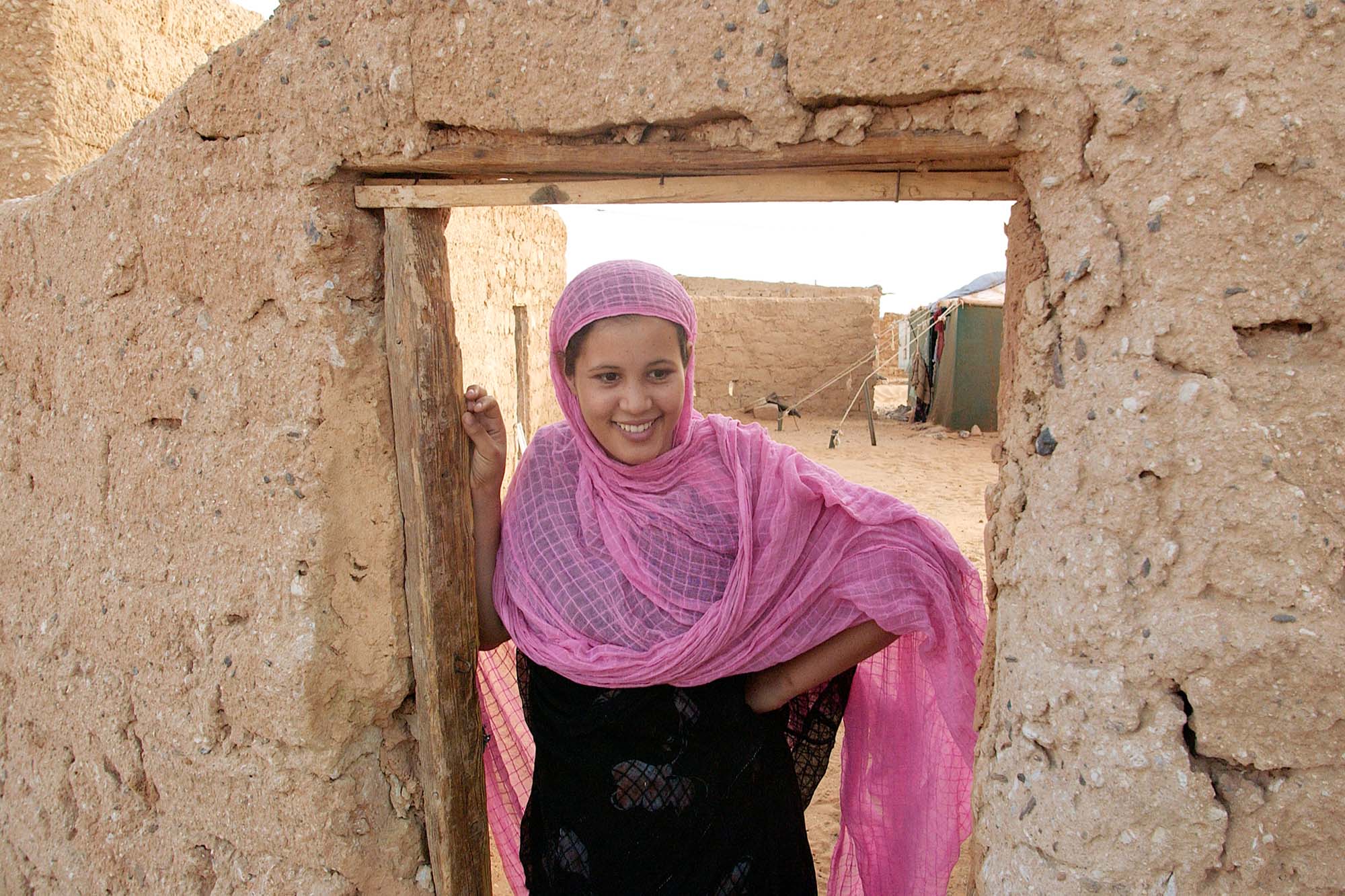
According to Estelle Koussoube, a senior economist at the World Bank, and Kehinde Ajayi, a senior fellow at the Center for Global Development (CGD), investing in the economic success of adolescent girls in Africa can transform the continent. To learn more, listen to a new episode of the World Bank's Afronomics podcast.

AI and digital tools are transforming occupational safety and health (OSH) in the workplace. Today, robots perform dangerous tasks, manage toxic materials and work at extreme temperatures while digital devices and sensors help detect hazards early. But without proper OSH measures, these technologies can bring risks like accidents, ergonomic issues, work intensification, reduced job control and blurred boundaries. World Day for Safety and Health at Work (28 April) focuses on how new technologies are transforming OSH, highlighting automation, smart tools, extended reality, and algorithmic management.

As global growth slows to 2.3% in 2025 amid rising trade tensions, UNCTAD urges stronger policy coordination and regional integration to support developing economies.

Tsendsuren Byambaa, born in Mongolia's Khovd Province in 1970, is a herder and mother of six. She moves her family’s camps seasonally, residing in winter on the slopes of Mt Khairkhan. In 2009, she joined the Snow Leopard Enterprises (SLE) programme, which supports rural herders with income opportunities while promoting conservation. Trained in wool processing and handicrafts, she is now collaborating with the Snow Leopard Conservation Foundation to develop a local cheese production industry in her province and six surrounding communities.

At 4,000 metres above sea level and surrounded by mountains and vast meadows, the women of the Sumac Vicuñitas Artisans Association of Umpuco-Palca, are part of a long tradition that Andean communities have developed since pre-Inca times: the domestication and breeding of alpacas, a species of South American camelid mammal related to the llama. In this tradition, women have played a crucial role in preserving ancestral knowledge and promoting local economies through the production of alpaca wool fibres for yarns and weaving.Today, a sustainable value chain in the Peruvian department of Puno allows them to transform alpaca fibres into competitive products replete with added value, opening the way for Quechua women to have better opportunities from the sustainable use of agrobiodiversity.

Five years before the 2030 Agenda deadline, authorities and experts will review the progress and challenges faced by Latin America and the Caribbean at the Eighth Meeting of the Forum of the Countries on Sustainable Development. Hosted by ECLAC, the annual event will take place from March 31 to April 4 at the UN headquarters in Santiago, Chile. The meeting includes dialogues and side events to analyze new joint efforts in accelerating the SDGs goals and will launch a report outlining regional challenges and alternatives in the region for creating a better world.
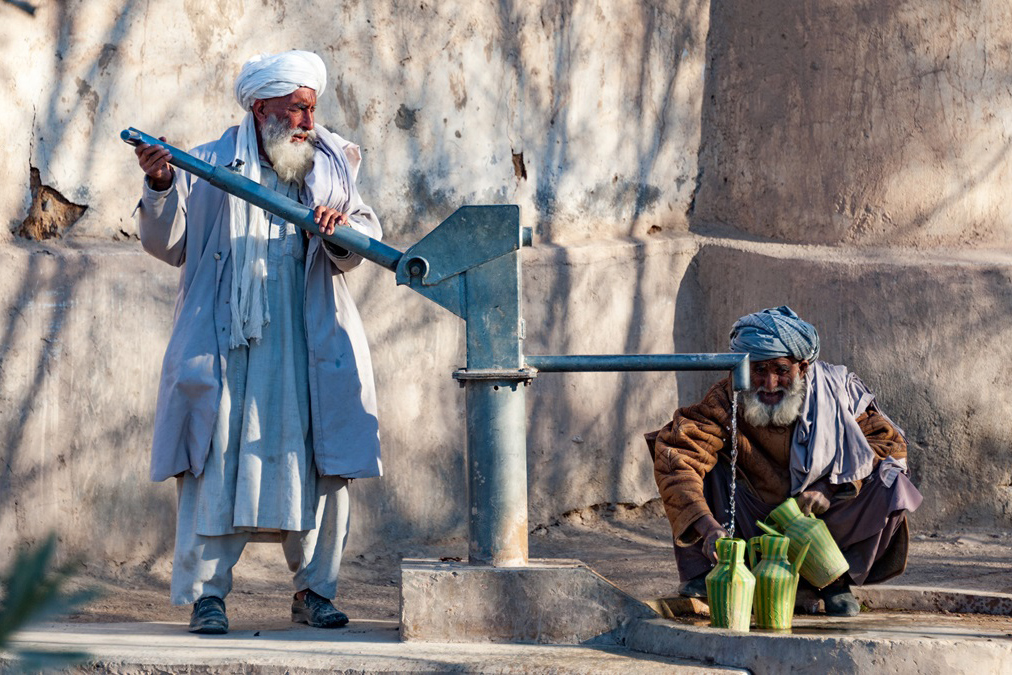
At the 14th International Debt Management Conference, UNCTAD called for urgent reforms to global debt management to prevent the current debt crisis from hindering long-term development and stability.
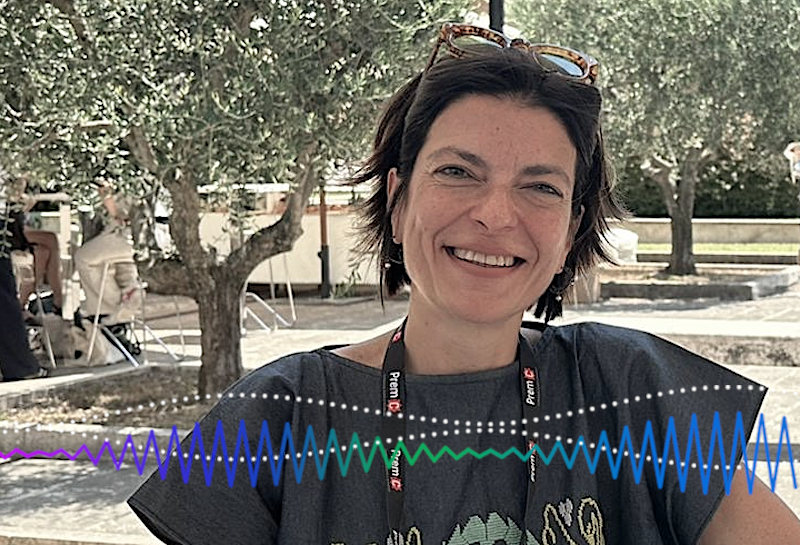
The International Economic Association’s Women in Leadership in Economics Initiative (IEA-WE) connects women economists worldwide and helps showcase their important empirical research, especially in developing countries. IMF Podcasts has partnered with the IEA-WE to produce a special series featuring the economists behind the invaluable local research that informs policymakers in places often overlooked. Driving Change kicks off this limited-run series from Turkey, with economist Ipek Ilkkaracan, who makes a strong business case for investing in social care infrastructure.