
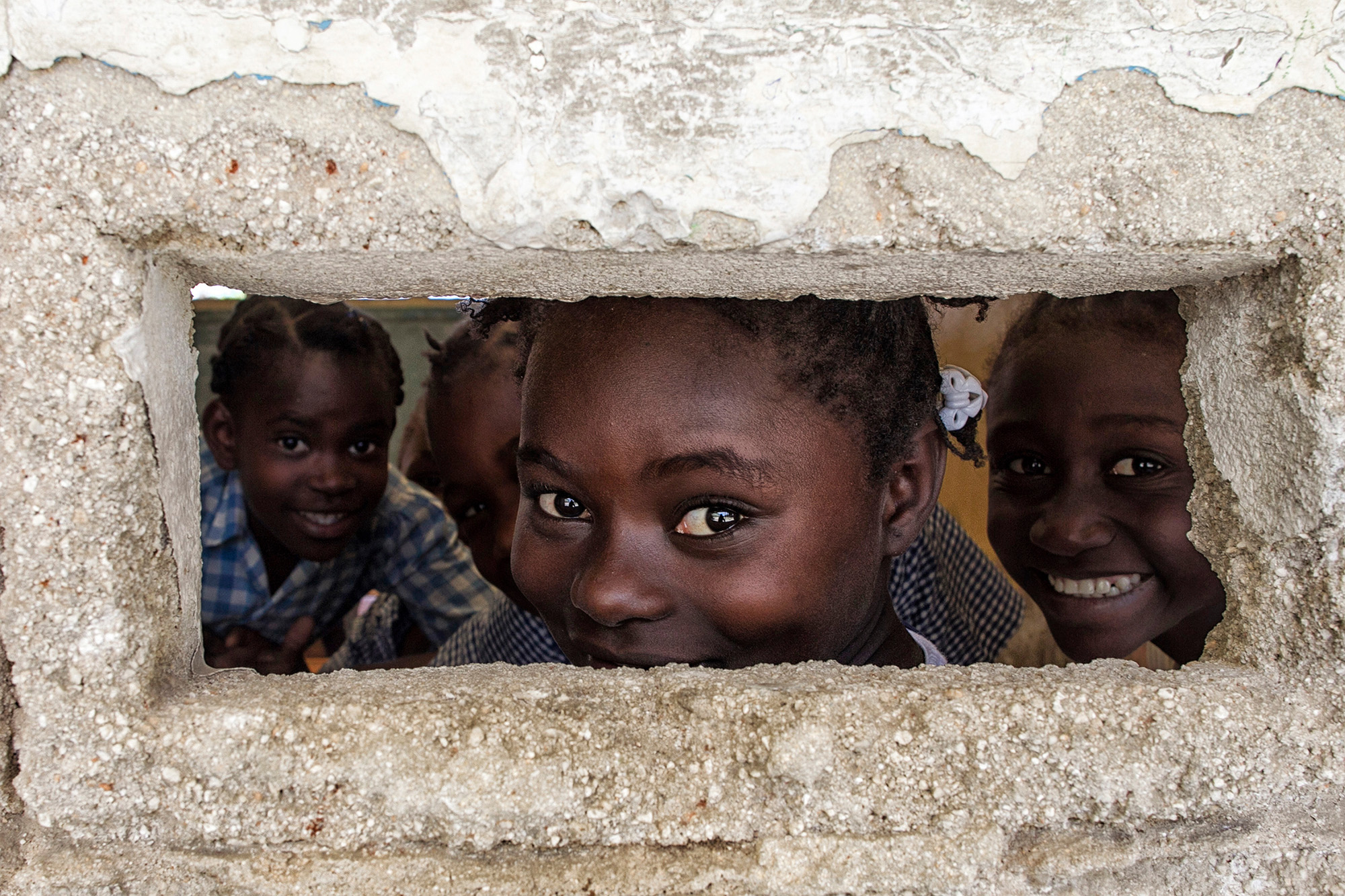
This year’s International Day for the Elimination of Racial Discrimination (21 March) honors "A Decade of Recognition, Justice, and Development: Implementation of the International Decade for People of African Descent." The observance is linked to the International Decade for People of African Descent, which recognizes that people of African descent are a distinct group whose human rights must be promoted and protected. Approximately 200 million people identifying themselves as being of African descent live in the Americas, and many millions more live in other parts of the world.
Human Rights
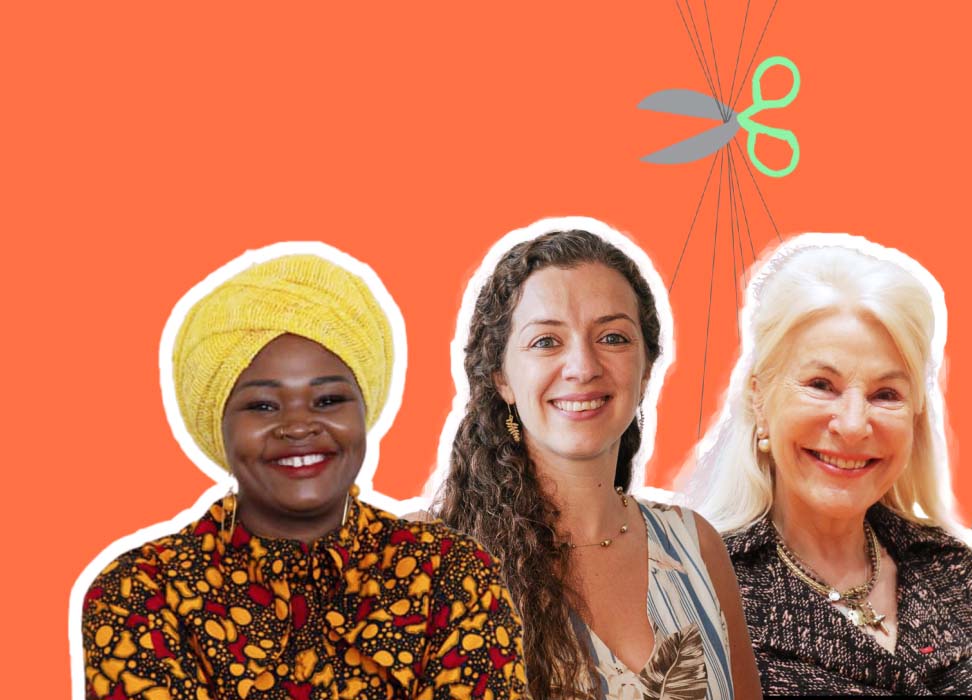
“Every day a woman's right is abused,” said Riya William Yuyada, who fled South Sudan when she was a baby, but decided to return more than 20 years later to create a women’s movement for peace, Crown the Woman. “When women are part of peace, it is more sustainable.”
Across the world, women and girls are leading the fight for peace and equality. Yet despite their essential role in peacebuilding, women human rights defenders still face challenges when it comes to getting a seat at the tables of power. This episode of the UN Human Rights Podcast explores how women are trying to bring peace to conflicts around the world, with grassroots activist Riya William Yuyada, Laila Alodaat, Deputy Secretary General at the Women’s International League for Peace and Freedom, and Nicole Ameline, former chair of the U.N. Committee on the Elimination of Discrimination Against Women.
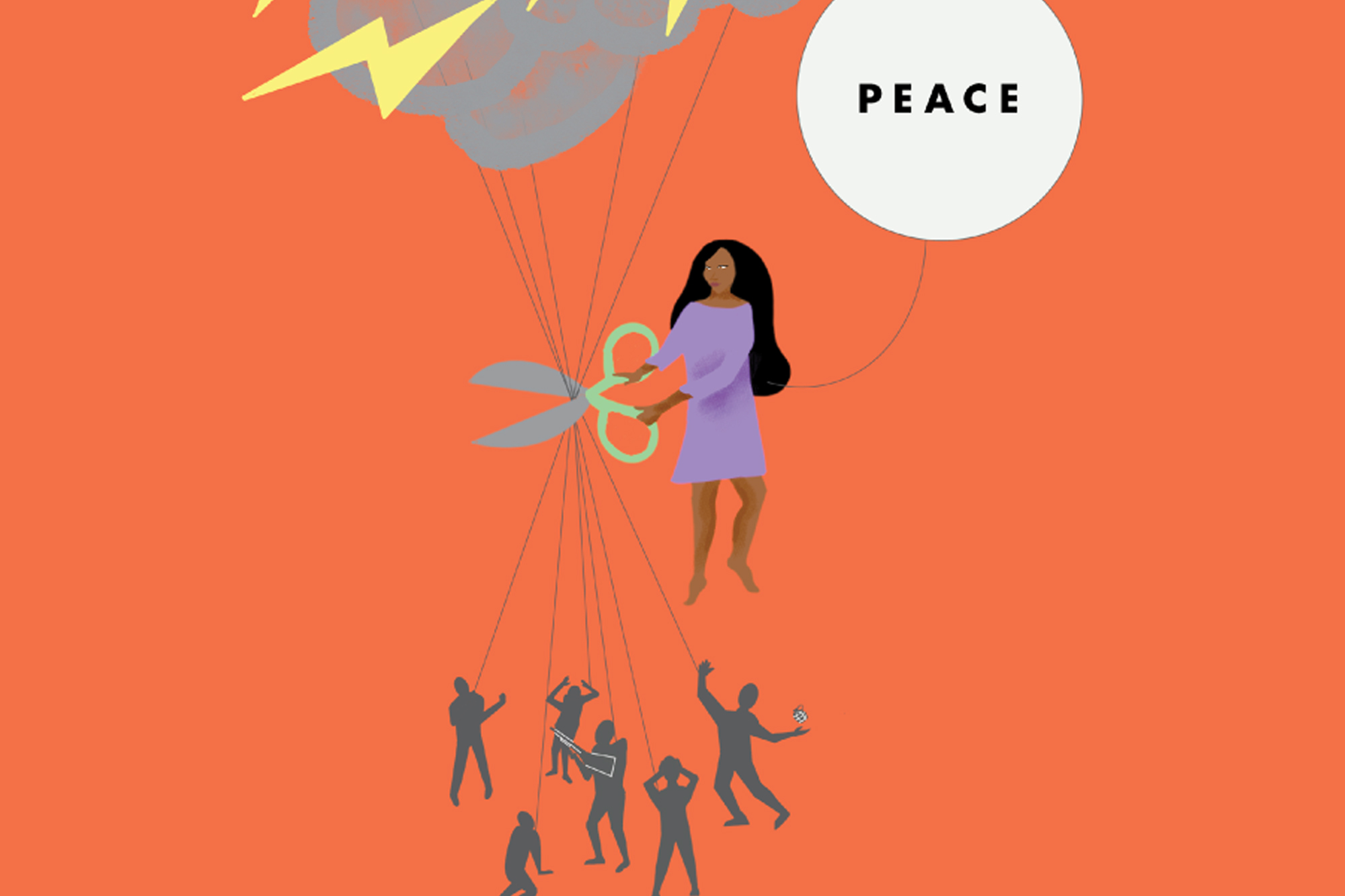
Three women human rights defenders and peacebuilders were honored by the UN Human Rights on International Women's Day. William Yuyada, Laila Alodaat, and Sara are supporting women and girls in their efforts for peace and have been working tirelessly to assist victims and their families and communities, identify the needs of women and marginalized groups, and much more. Their work is crucial in conflict settings, especially when women's voices are silenced or ignored.
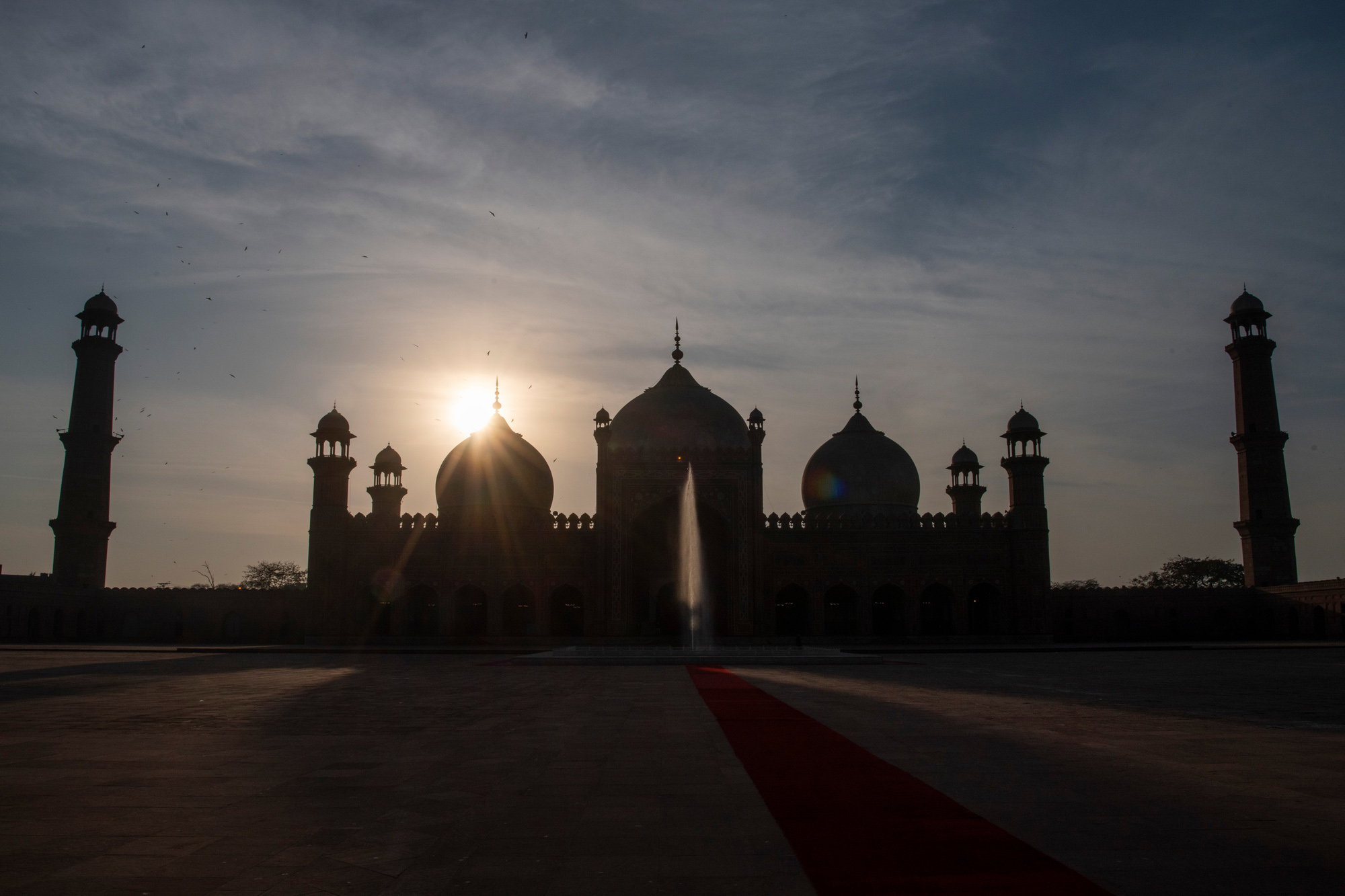
The International Day to Combat Islamophobia (15 March) is happening at a time when anti-Muslim hate and bigotry are on the rise globally, warns the UN Secretary-General. This trend is part of a wider pattern of attacks against religious groups and vulnerable populations. We need to confront and root out all forms of bigotry, condemn inflammatory discourse, safeguard religious freedom, moderate hateful content on digital platforms, and combat intolerance and stereotypes. Let's promote mutual respect and understanding, foster social cohesion, and build peaceful and inclusive societies for all.
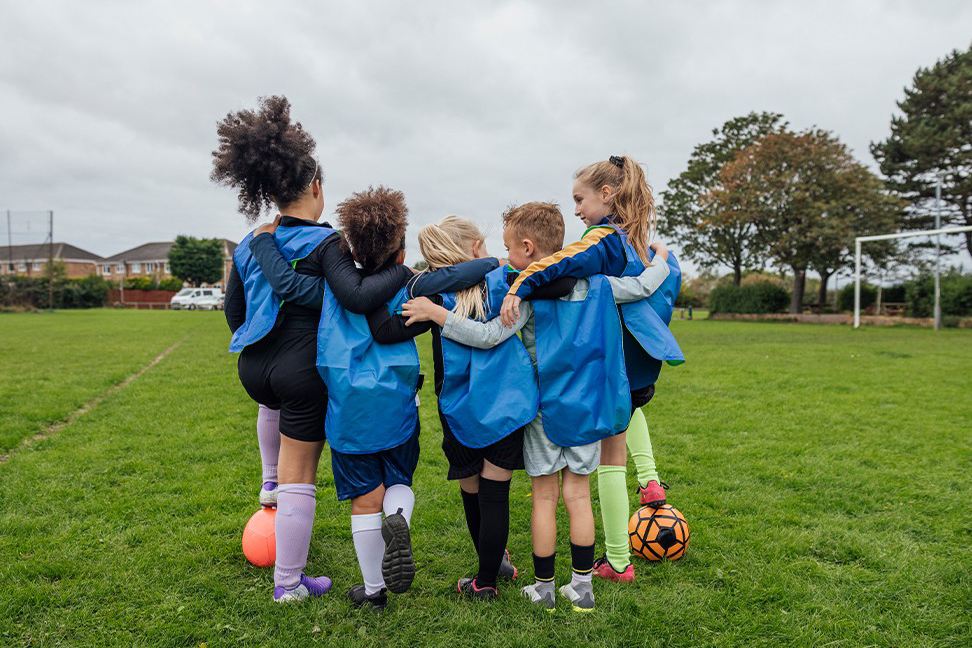
Mary Harvey, Chief Executive of the Centre for Sports and Human Rights, highlights the intrinsic connection between sports and human rights values when sport is healthy and vibrant. With her extensive background as a former athlete on the USA women’s football team and her involvement in bringing the FIFA World Cup to North America in 2026, Harvey brings a unique perspective to the discussion.
“If we are trying to make human rights something that is more every day, sport provides that, that connection to people in an everyday way,” she said.
In an episode of the UN Human Rights Podcast, Harvey delves into the significance of sports in making human rights more accessible to people on a daily basis.
She emphasizes the power of sports as a platform for educating individuals about human rights in a relatable and everyday manner.
“It is a wonderful way to educate people about human rights and that makes it very relevant for everyone.” she concludes.
Photo: © Getty

Scott Campbell, a senior human rights officer at UN Human Rights, believes that while there is great potential in using AI and technology for good, we cannot rely on tech companies to do the right thing. Campbell urges both regulation and hard laws to carefully rein in tech companies to protect against potential human rights harms. He also encourages tech companies to apply the UN Guiding Principles on Business and Human Rights to their policies and products. The UN Guiding Principles are the non-binding global standard for preventing and addressing the risk of adverse impacts on human rights involving business activity.
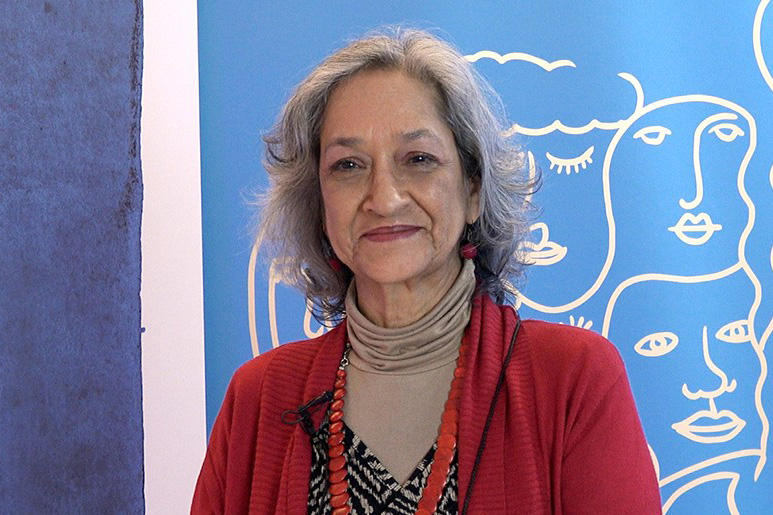
“I think the direction in which we need to go is for us to restructure education,” said Farida Shaheed, the UN Special Rapporteur on the human right to education.
“I want it to be open. I want there to be much more appreciation of our artistic expressions. Education has to be rounded. It has to be based on human rights and it needs to explore and enable everyone to reach the full potential as human beings, whatever that may be.” Shaheed discussed the future of the human right to education and other issues as part of Voices of Dignity, a series of interviews with thought leaders and experts on the UN Human Rights Podcast.
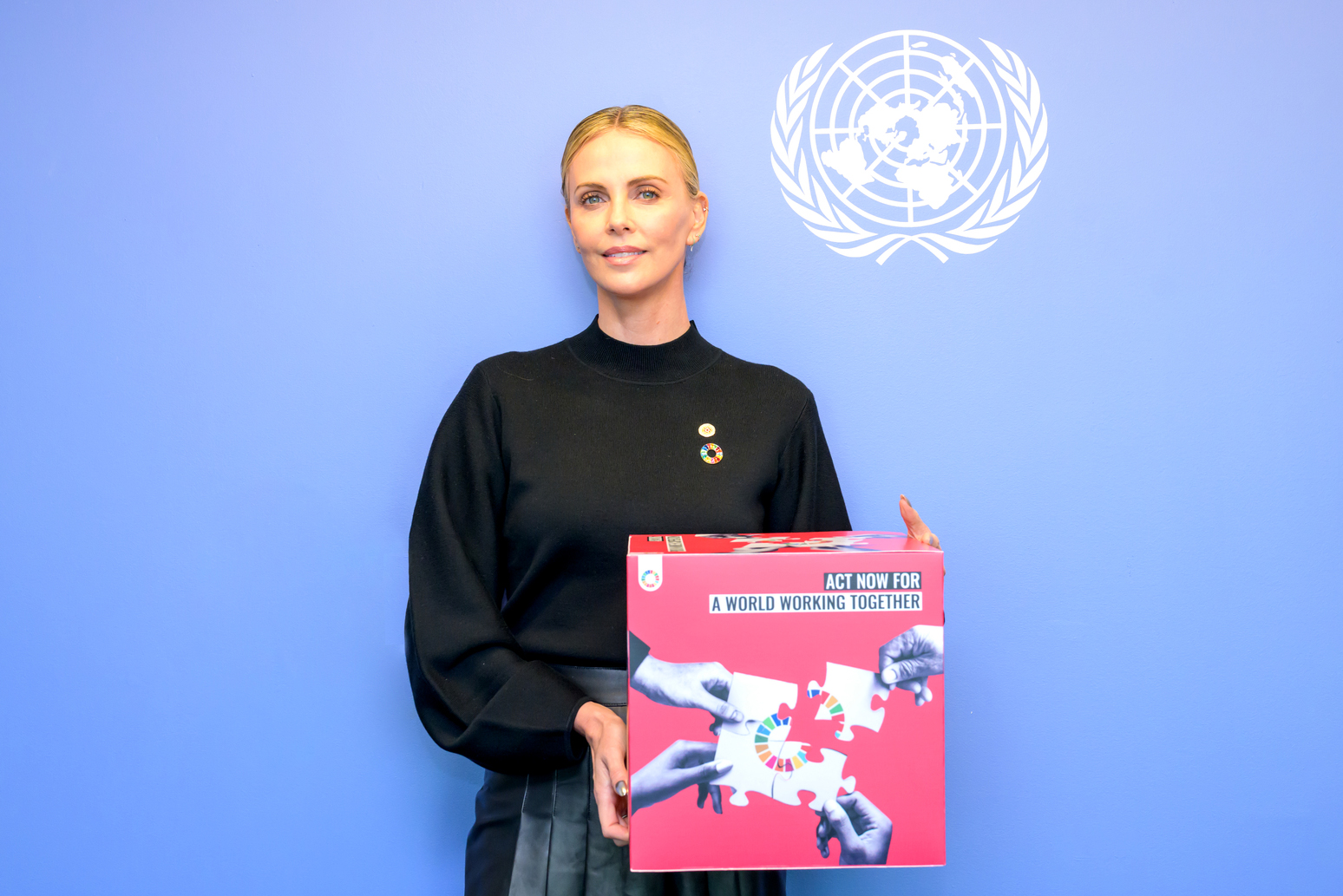
We can end AIDS – if everyone’s rights are protected. On Zero Discrimination Day, 1 March, we celebrate the right of everyone to live a full and productive life—and live it with dignity. This year is the tenth anniversary of Zero Discrimination Day. Upholding everyone’s rights is the responsibility of us all. Everyone can play a part in ending discrimination. On 1 March, and during the whole month of March, events, activities and messages will remind the world of this vital lesson and call to action: to protect everyone’s health, protect everyone’s rights.
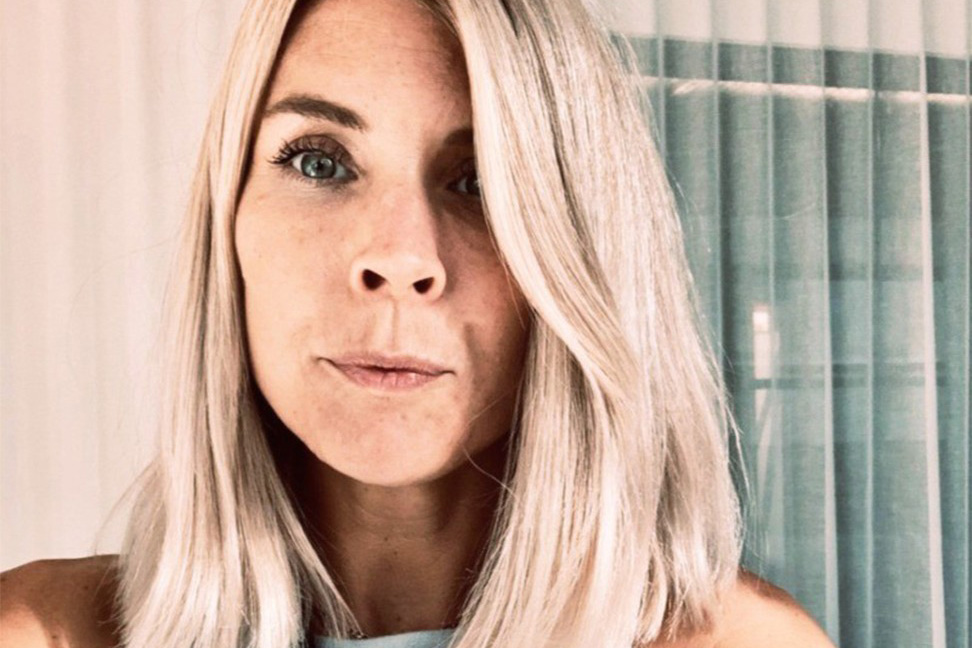
“I think it’s a false premise that human rights are dead. To some extent, I think its being promulgated by naysayers and people who have given up on the framework,” said Eleanor Kennedy, senior policy expert from the Open Society Foundation (OSF) in this episode of Voices of Dignity: Pathways to Justice by UN Human Rights.
Last year, OSF put out “Can Democracy Deliver?” a first of its kind look at attitudes and opinions toward all aspects of democracy and human rights. Kennedy said the report brought up many surprising and challenging attitudes regarding human rights and its mechanisms, including if current human rights frameworks actually were delivering on their promises.
But one idea that came through loud and clear in the report, Kennedy stressed, was that the rumours of the demise of human rights has been greatly exaggerated.

Amidst the escalating crisis in Gaza, the UN Committee on the Exercise of the Inalienable Rights of the Palestinian People is holding a critical meeting to elect new members, with the UN Secretary-General presiding. The meeting will also adopt the 2024 Programme of Work and hear from high-profile dignitaries. Following the Hamas attack on 7 October 2023 and Israel's intensive military response in Gaza, the Committee's role in advocating for the inalienable rights of the Palestinian people is more urgent than ever in its quest to promote the two-State solution and a path toward a just peace and stability in the region.
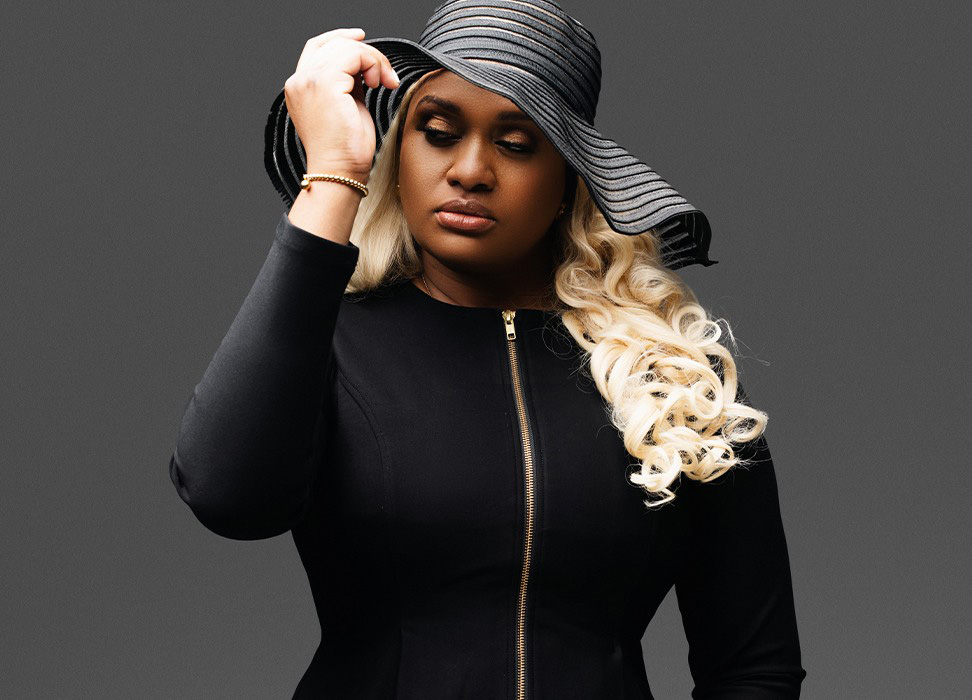
For Iveth, the intersection of singing hip-hop and being a lawyer and human rights activist is seamless, as hip-hop's legacy of using music for protest and advocating change deeply influenced her perspective on social justice.
On 15 April 1967 a delegation led by Dr. Martin Luther King Jr. met with Ralph Bunche and other top UN officials to present a petition calling for an immediate and peaceful solution to the Vietnamese Conflict (1961-1975).
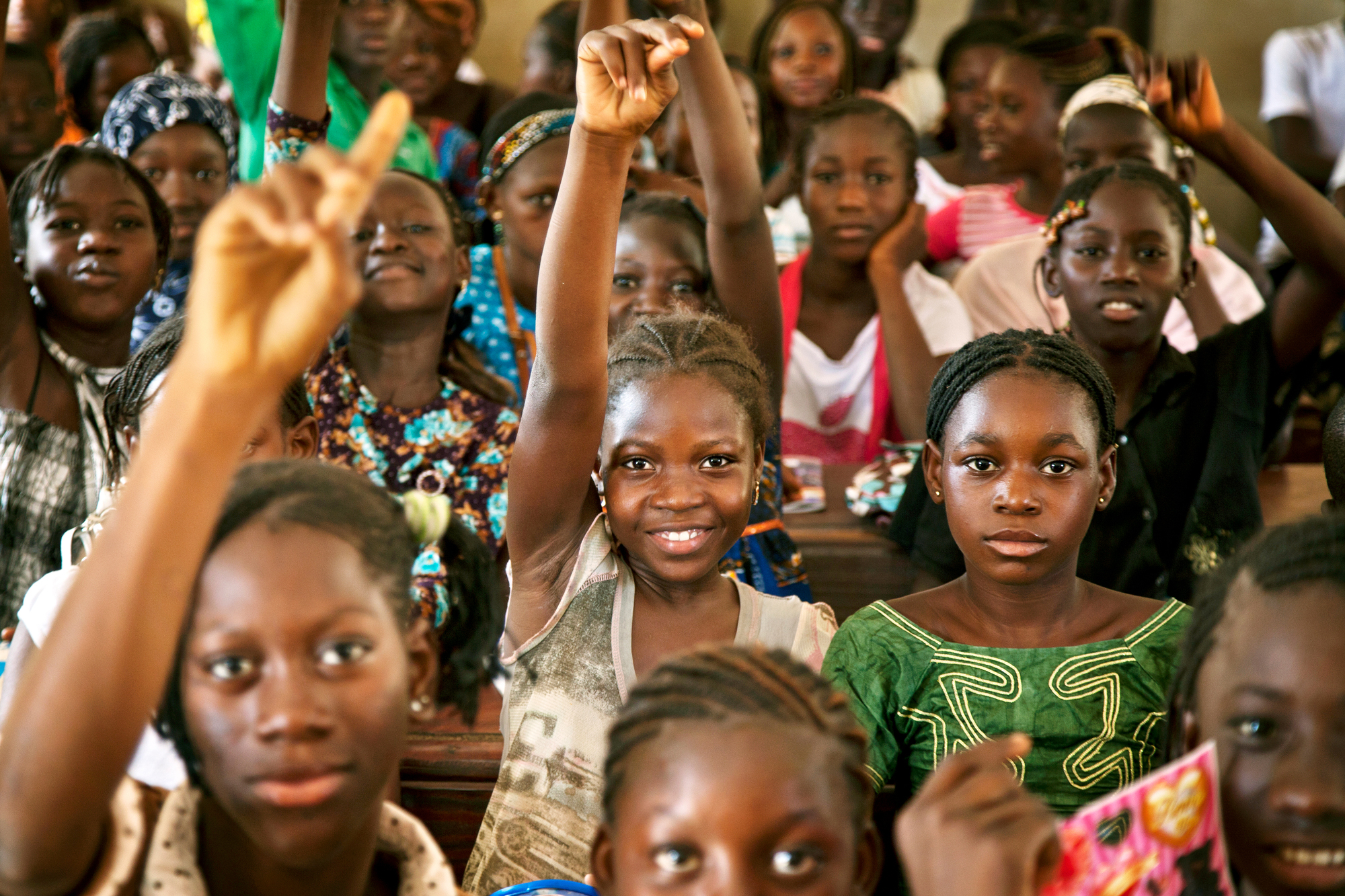
Over the past 30 years, children’s lives have been transformed by the most widely ratified human rights treaty in history. The Convention on the Rights of the Child has inspired governments to change laws and policies, so more children get the healthcare and nutrition they need and are better protected from violence and exploitation. But there is still more work to be done. The Committee on the Rights of the Child monitors implementation of the Convention by its States parties. The Committee is starting the first of its 3 annual sessions to review States parties reports.
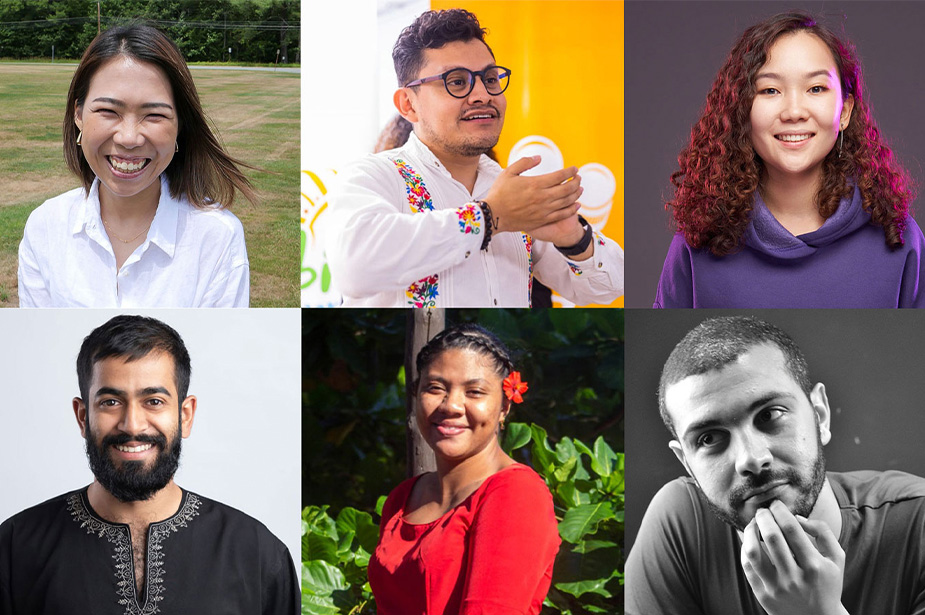
The stories of these young human rights champions serve as a source of inspiration, motivating others to take action and educate their communities on the importance of human rights.

"Justice gives relief not only to the victims, but to a prosecutor as well. So that is what keeps you upright and keeps you going on and says, okay, it is meaningful what you're doing."
Christian Ritscher’s work brings him into contact with some of humanity’s worst outrages. As head of the UN investigative team to promote accountability for the crimes committed by ISIL in Iraq, he seeks justice for victims of the notoriously violent terror group.
The Islamic State, or ISIL, stands accused of war crimes, crimes against humanity and genocide. Iraq’s Yazidi community were among those worst hit.
In this episode Christian Ritscher reflects on the impact on survivors, the difficulty of gathering testimony and on keeping faith in humanity when faced with its darkest acts.
Photo: ©UNITAD