
Given that many nations that are at a high risk of disasters are also the ones that have a significant proportion of the population living below the national poverty line, UNDRR is urging individuals to take action to put an end to the vicious cycle of disasters and worsening inequality.
Natural Resources and the Environment
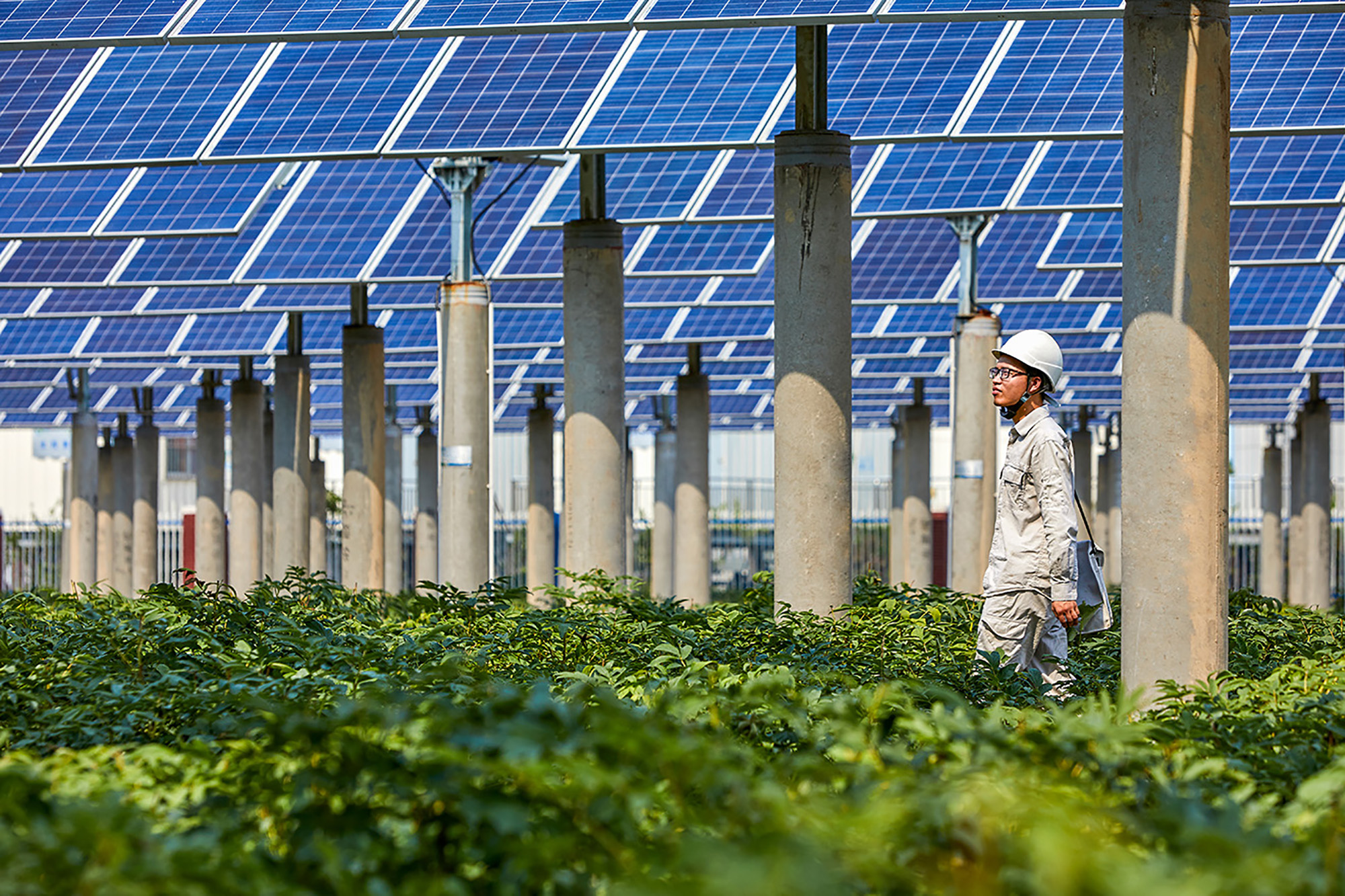
The Asia-Pacific region accounts for more than 40% of global energy consumption and over 50% of greenhouse gas emissions. Its rapid energy demand growth will persist, posing challenges for energy security, affordability, and climate change mitigation. To address these challenges and promote a cleaner, more resilient, interconnected energy future, the U.N. and Thailand will co-host the 3rd Asian and Pacific Energy Forum (19-20 October). The event brings together energy leaders, policymakers, and experts to find solutions to these problems. Check out the program and follow the event!
Voluntary contributions assist UNEP deliver on its mandate and programme which include providing scientific solutions to the most urgent challenges facing the planet and humankind, and guidance on sound policies and effective environmental laws and institutions in support of a healthy planet for healthy people.
These large rodents are famous for their impressive engineering skills. They create wood and mud structures to block streams cutting logs and branches using their massive teeth and strong jaws. Such natural barriers increase water levels upstream and slow down river flow. By copying the beavers' techniques, humans can make rivers safer, using materials like logs, branches, mud and leaves.
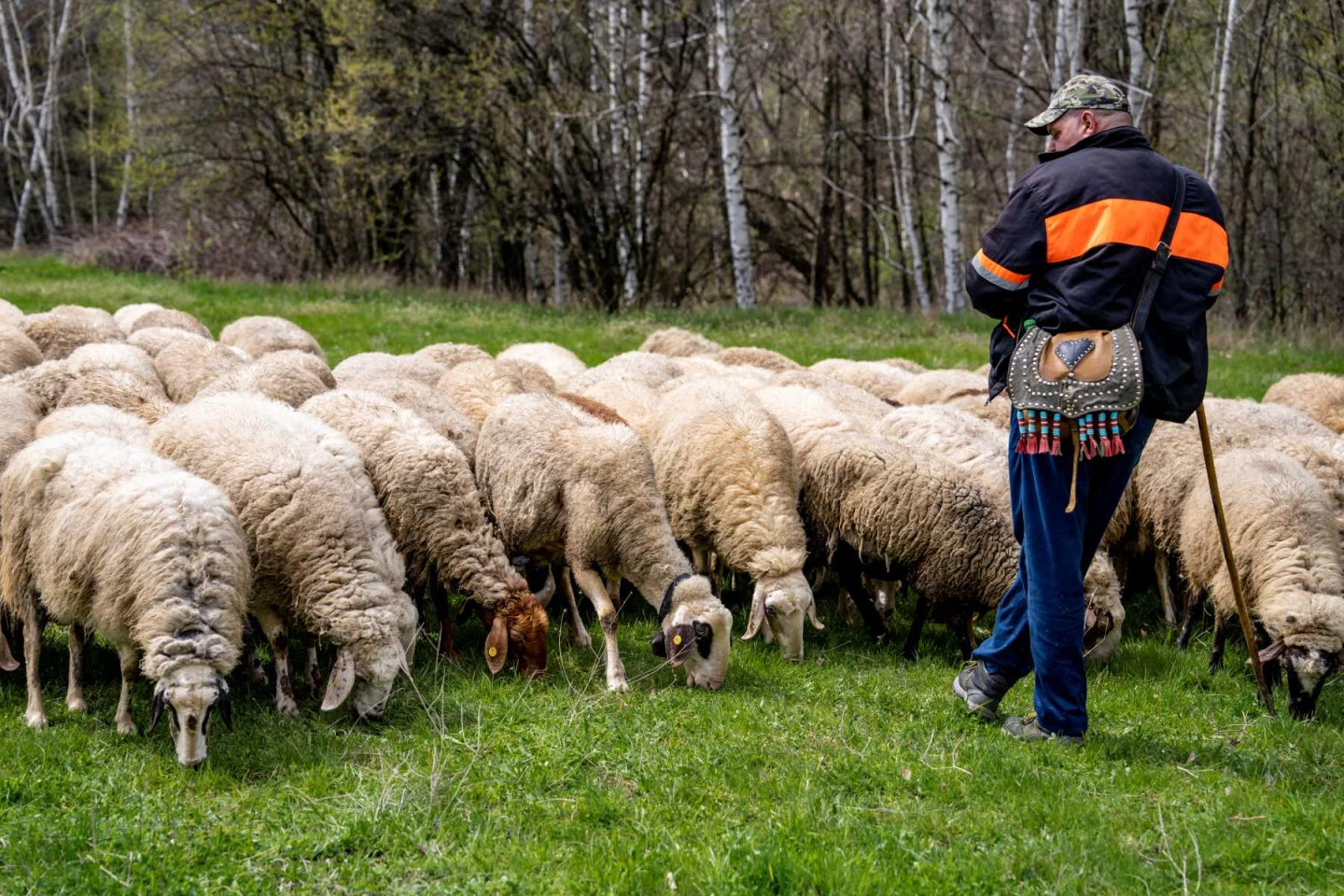
Summer grazing in the high mountain meadows has been part of the landscape in the Central Balkans Biosphere Reserve for centuries, as it ensured livelihoods for local populations on both sides of the range. Since the early 1990s, there has been a dramatic decline in the traditional practice. Considering that improved management is paramount for successful biodiversity conservation and restoration efforts, the Central Balkan Biosphere Reserve reached out to the Earth Network. This project, which is generously supported by the Government of Italy, matches the challenges of UNESCO-designated sites with the expertise of senior and young scientists.
Martha Isabel “Pati” Ruiz Corzo, a 2013 Champion of the Earth for Inspiration and Action, has spent the best part of four decades fighting to protect Sierra Gorda – a dramatic expanse of mountains, valleys and wild beauty in the heart of Mexico.
Lewis Pugh, UNEP's Patron of the Oceans, has completed a 507km swim down the United States’ Hudson River to emphasise the urgent need to protect the world’s waterways. Despite the physical pain of the swim, he was motivated by the extraordinary biodiversity he saw and it stiffened his resolve to keep advocating for damaged marine ecosystems across the globe. He chose the Hudson to highlight successful efforts to clean the river in recent decades and encourage other countries to adopt similar efforts in some of the world's most polluted waterways.
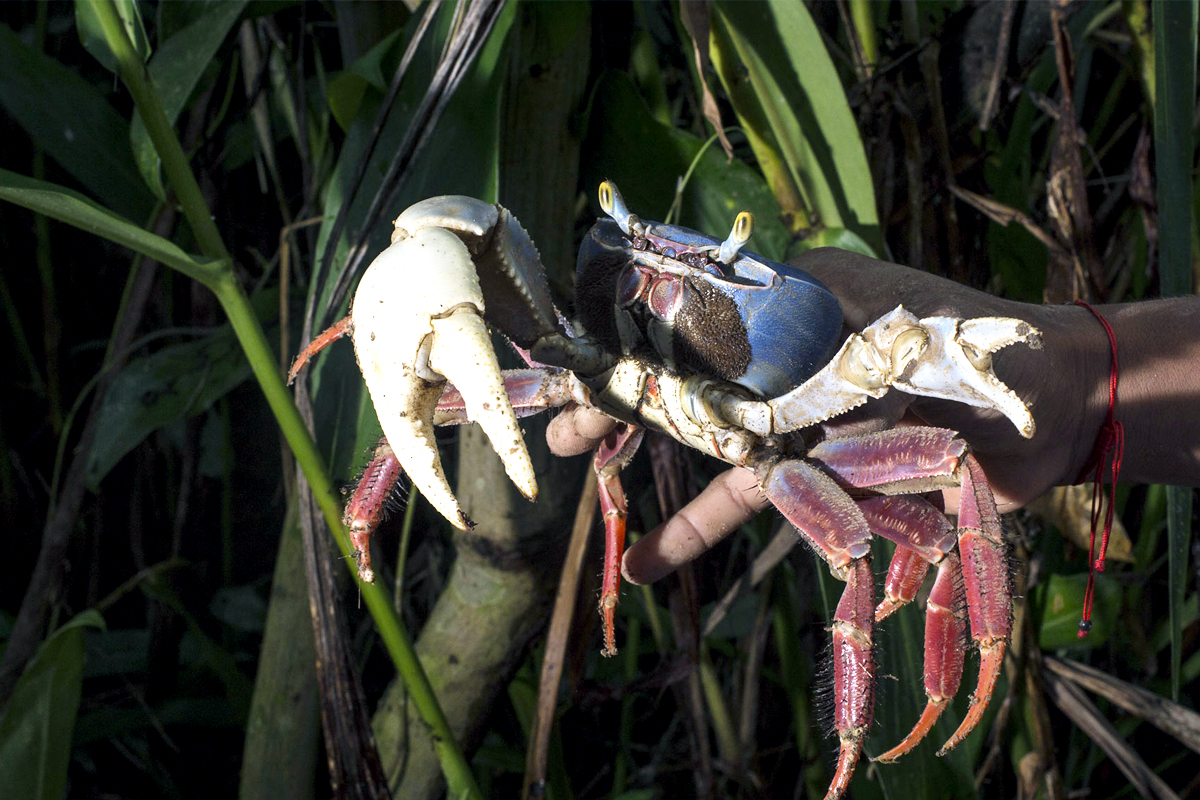
Mangrove forests are mostly found in warm areas with calm coastlines, shallow water, and soft ground. The size and type of mangroves can vary depending on environmental conditions. Sustaining a rich food web - from detritus decomposers to fish, mammals and birds - mangrove ecosystems represent an interphase between terrestrial and marine communities. In the first study of its kind, FAO with experts around the world uncovered a wealth of information on the extent of mangrove forests globally. The study also gives a glimpse into what causes mangrove losses and gains. Find out more about this precious ecosystem and see how mangroves affect our daily lives.
UNESCO World Heritage sites are known for their exceptional biodiversity. Despite covering less than 1% of the Earth’s surface, they harbor more than 1/5 of mapped global species richness.
The Heritage sites are estimated to protect over 20,000 globally threatened species. Today, up to 1/3 of remaining elephants, tigers and pandas can be found in these sites, as well as at least 1 in 10 great apes, giraffes, lions and rhinos. For some species on the brink of extinction, UNESCO World Heritage sites have become the last line of defense. They are home to all remaining Javan rhinos, vaquitas (the world’s smallest cetacean) and pink iguanas, as well as more than half of all Sumatran rhinos, Sumatran orangutans and mountain gorillas.
However, biodiversity in UNESCO World Heritage sites is threatened by human pressures and climate change.
The International Atomic Energy Agency (IAEA) Director General Rafael Mariano Grossi explains how the Agency is monitoring the discharges of treated water from the Fukushima Daiichi nuclear power plant in Japan into the ocean. "Credibility, reliability depend on availability of information. And this is what the dedicated monitoring webpage of the IAEA will give."
The Hong Kong Convention is aimed at ensuring that ships, when being recycled after reaching the end of their operational lives, do not pose any unnecessary risks to the environment, human health, and safety. The IMO-implemented project on Safe and Environmentally Sound Ship Recycling in Bangladesh has helped to make this accession of the Convention possible.
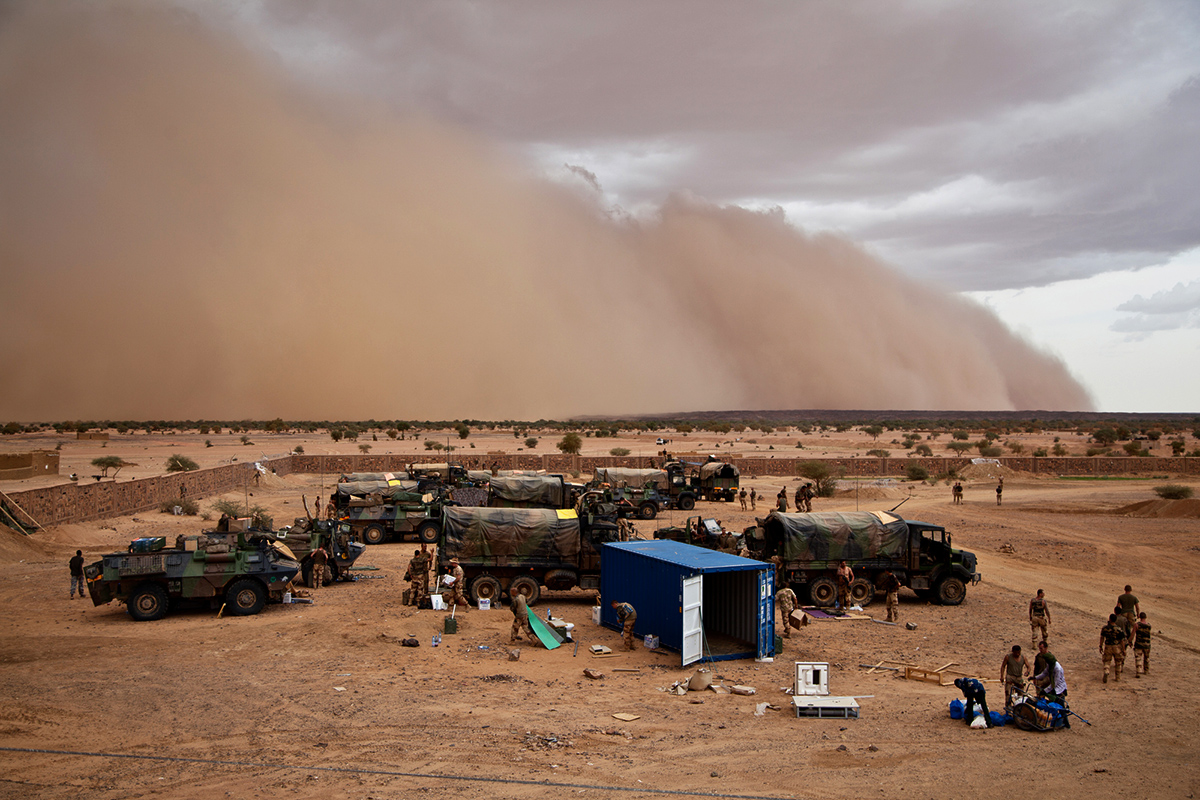
Sand and dust storms are an essential element of the Earth’s natural bio-chemical cycles but are also caused in part by human-induced drivers – including climate change, and unsustainable land management and water use. In turn, sand and dust storms significantly impact the environment and agriculture, as well as our health, livelihoods, and socio-economic well-being. This year, the United Nations observes the first International Day of Combating Sand and Dust Storms in recognition of sand and dust storms and their negative impacts as issues of international concern.
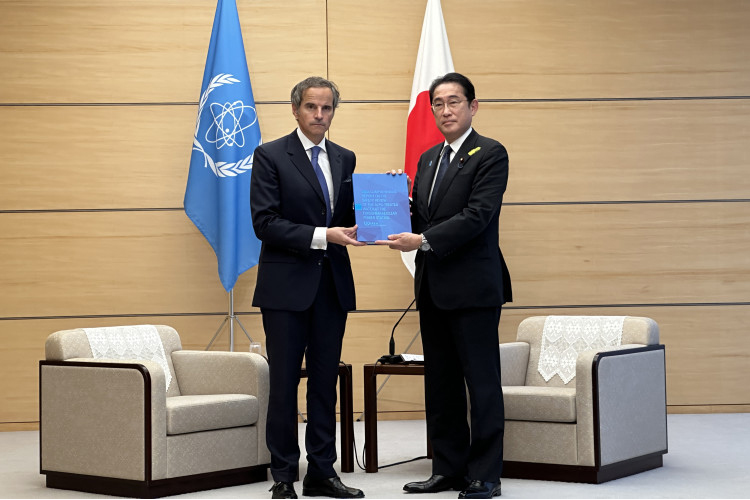
IAEA safety review has concluded that Japan’s plans to release treated water stored at the Fukushima Daiichi nuclear power station into the sea are consistent with IAEA Safety Standards.
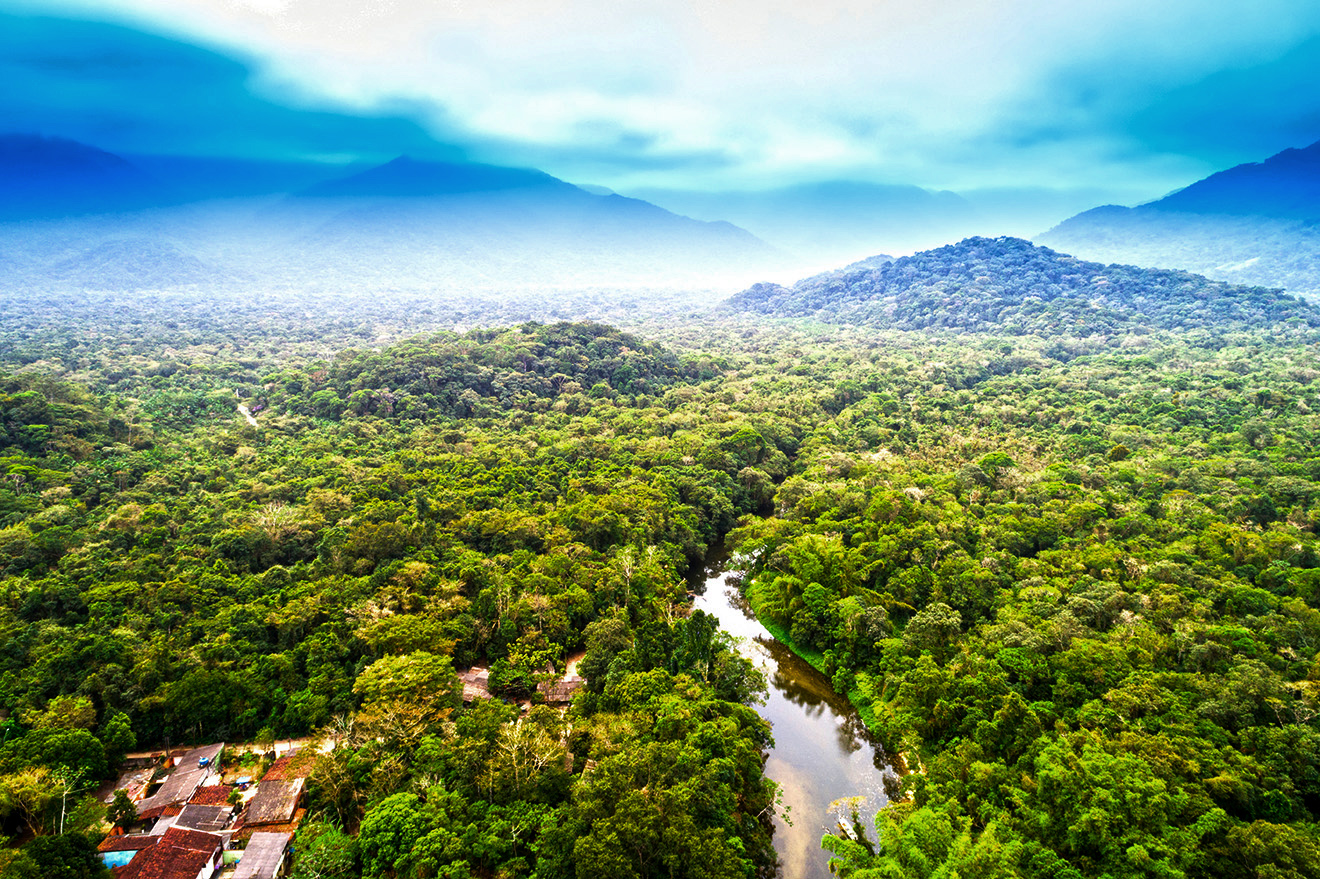
The tropics host extraordinary biological and cultural diversity but also face deep-rooted challenges. Most people suffering from extreme poverty live in the tropics, and the exploitation of resources by colonial powers throughout history has shaped economies with serious disadvantages. Despite that, there is a promising future with a growing, more educated, and young population that can maintain its economic growth. On this International Day of the Tropics (29 June) let's celebrate their remarkable diversity, while highlighting not just the obstacles, but also the opportunities.
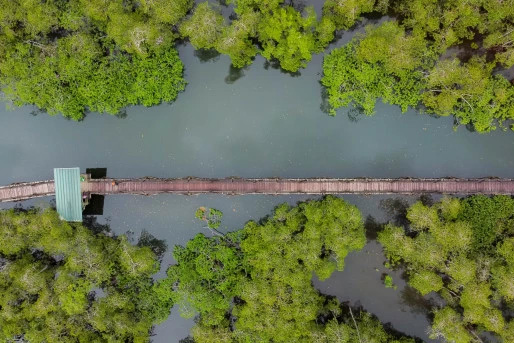
UNESCO biosphere reserves are tangible proof that humanity can live in balance with nature. 11 more sites are joining this powerful network, which is more relevant and necessary than ever.