
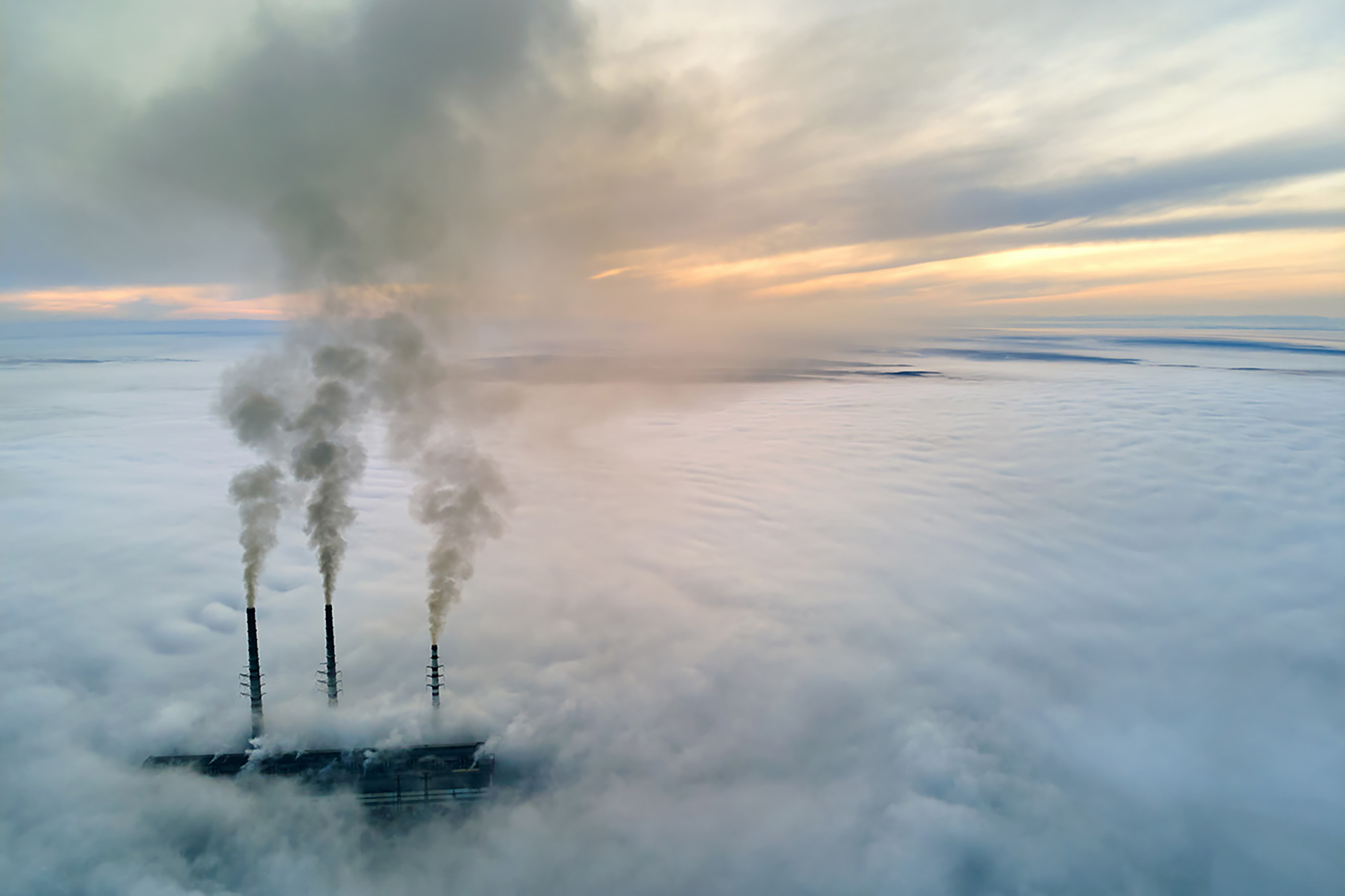
The concentration of heat-trapping greenhouse gases in the atmosphere reached a new record level last year. This is part of an upward trend with no end in sight, according to the World Meteorological Organization (WMO). The UN agency’s latest Greenhouse Gas Bulletin compares the gas concentration levels with the previous year and with preindustrial levels. It warns that the rising concentration of greenhouse gases in the atmosphere will lead to a rise in temperature, extreme weather conditions, and a rise in sea levels.
WMO
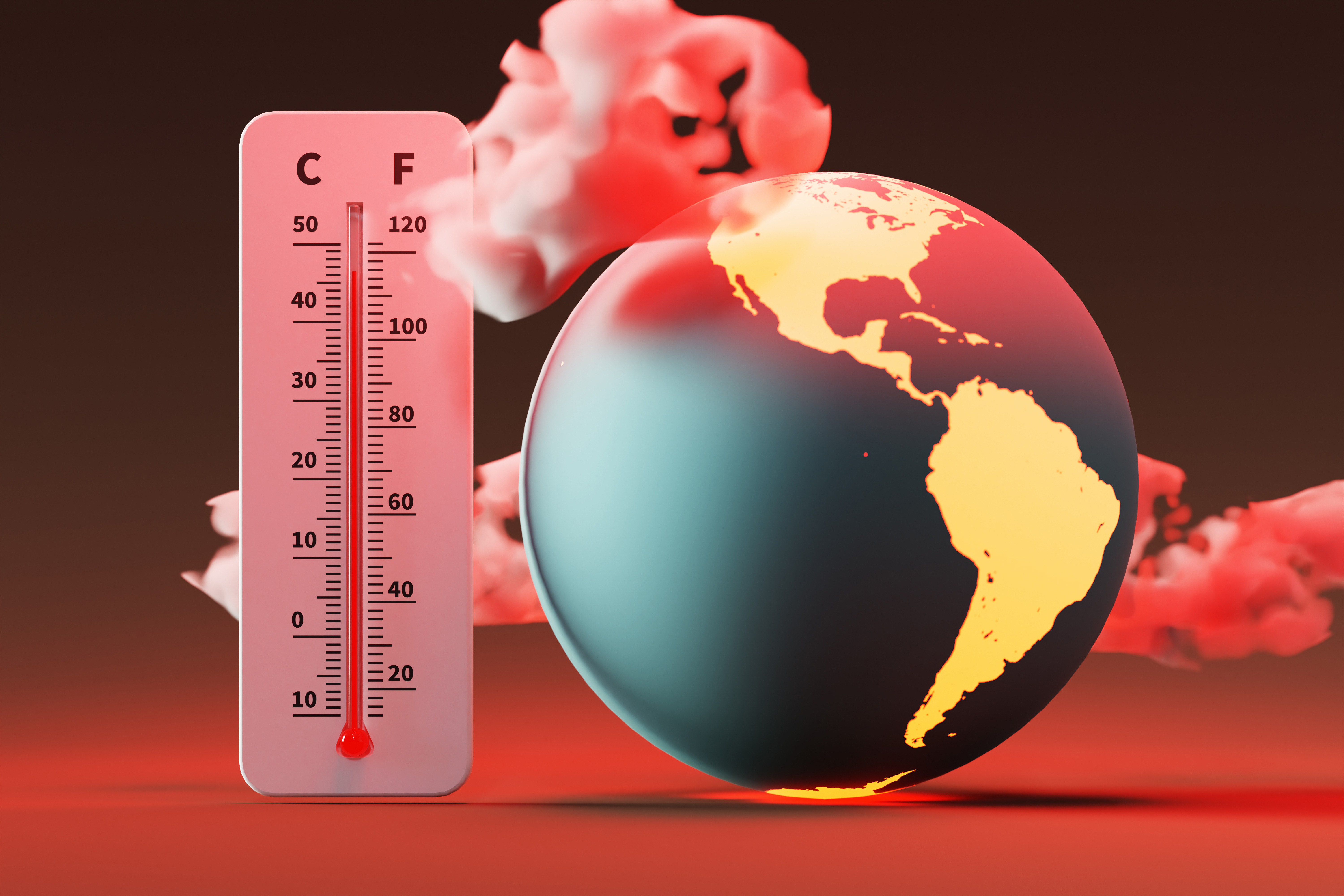
WMO warns that the ongoing El Niño event is expected to last at least until April 2024, influencing weather patterns and contributing to a further spike in temperatures, both on land and in the ocean.
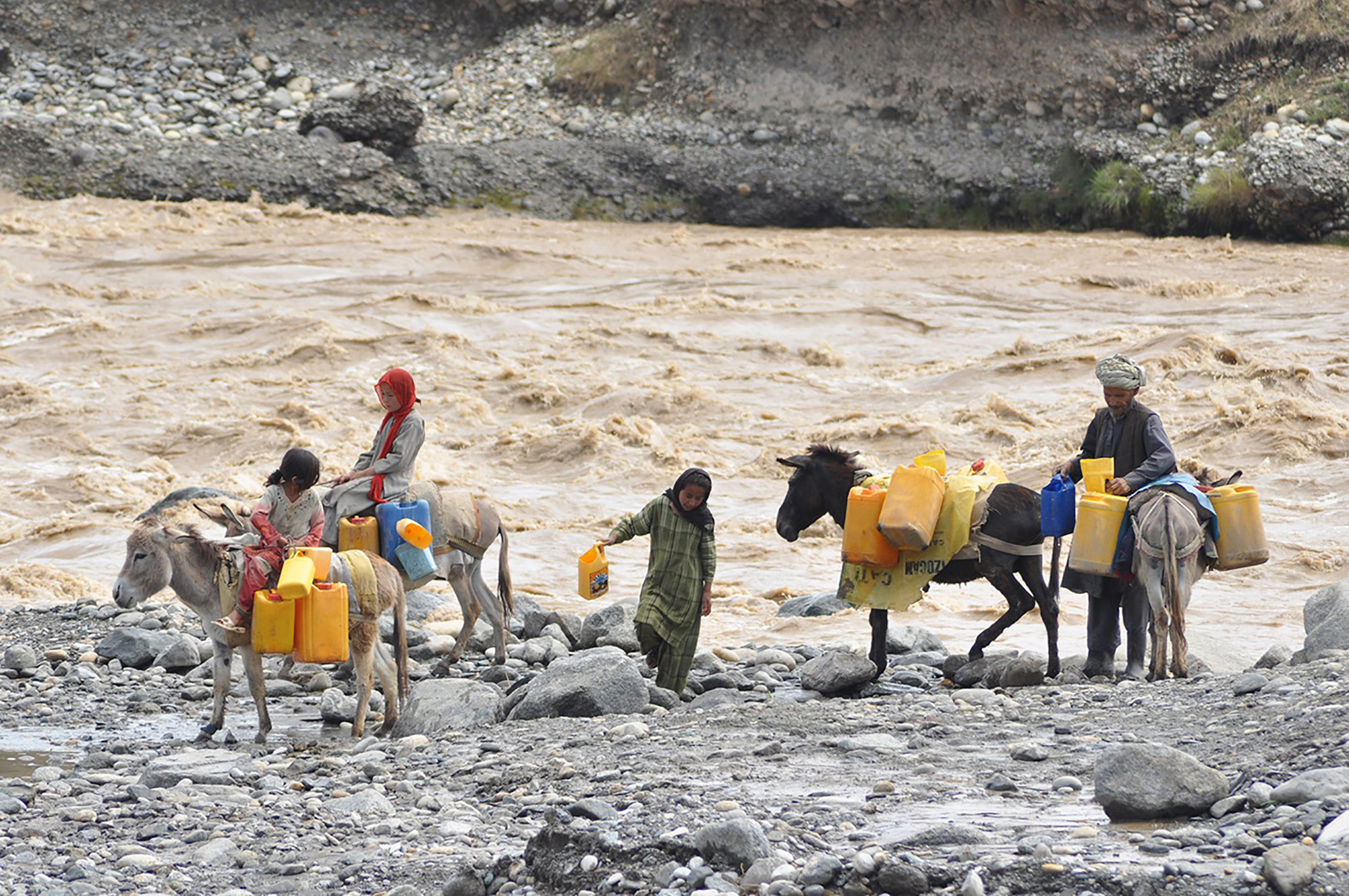
According to the new State of Global Water Resources Report 2022 by the World Meteorological Organization, the hydrological cycle is being disrupted by climate change and human activities. Droughts, heavy rainfall, and melting ice are causing significant damage to both lives and economies and threaten the long-term water security of many millions of people. Considering that the overwhelming majority of disasters are water-related, the report urges increased data sharing for early warnings and more coordinated water management as part of climate action.
El Niño is coming, warns WMO. Early warnings and anticipatory action of extreme weather events associated with this major climate phenomenon are vital to save lives and livelihoods.

The likelihood of El Niño developing this year is increasing, according to WMO - creating opposite impacts on weather and climate patterns to La Niña that would fuel higher global temperatures.
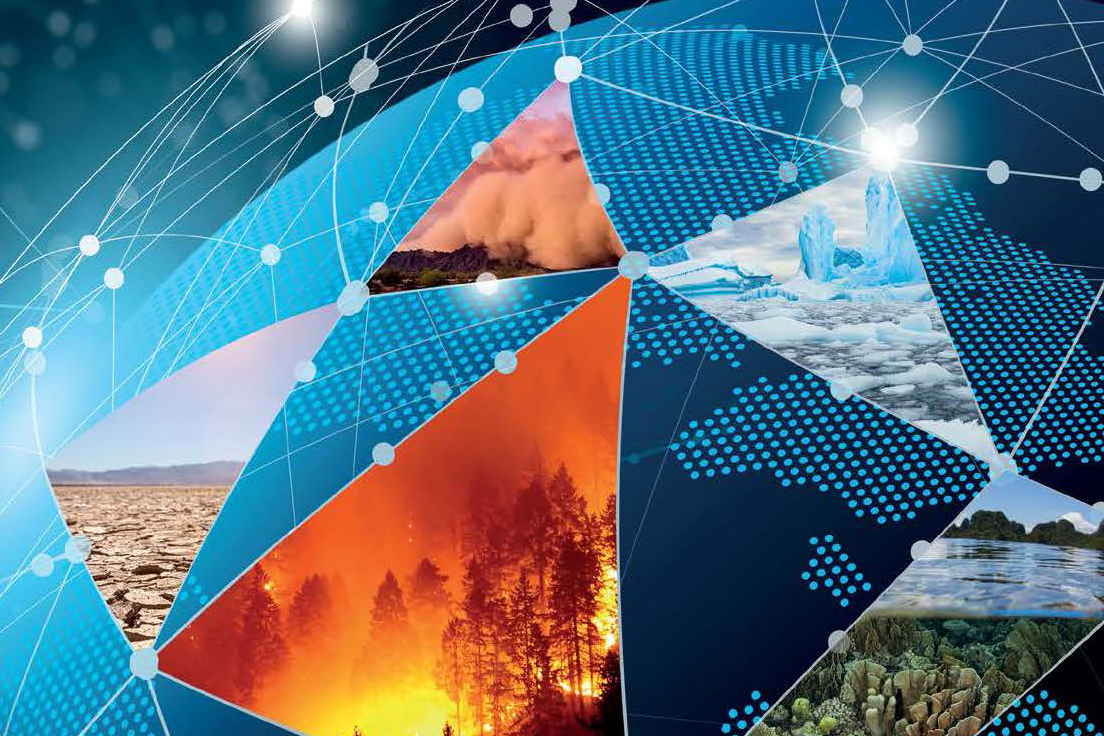
Climate change continued its advance in 2022, according to the annual report from the WMO. Droughts, floods and heatwaves affected communities on every continent and cost billions of dollars. Antarctic sea ice fell to its lowest extent on record and the melting of some European glaciers was great. The State of the Global Climate 2022 shows the planetary scale changes on land, in the ocean and in the atmosphere caused by record levels of heat-trapping greenhouse gases. The years 2015-2022 were the eight warmest on record despite the cooling impact of a La Niña event for the past three years.
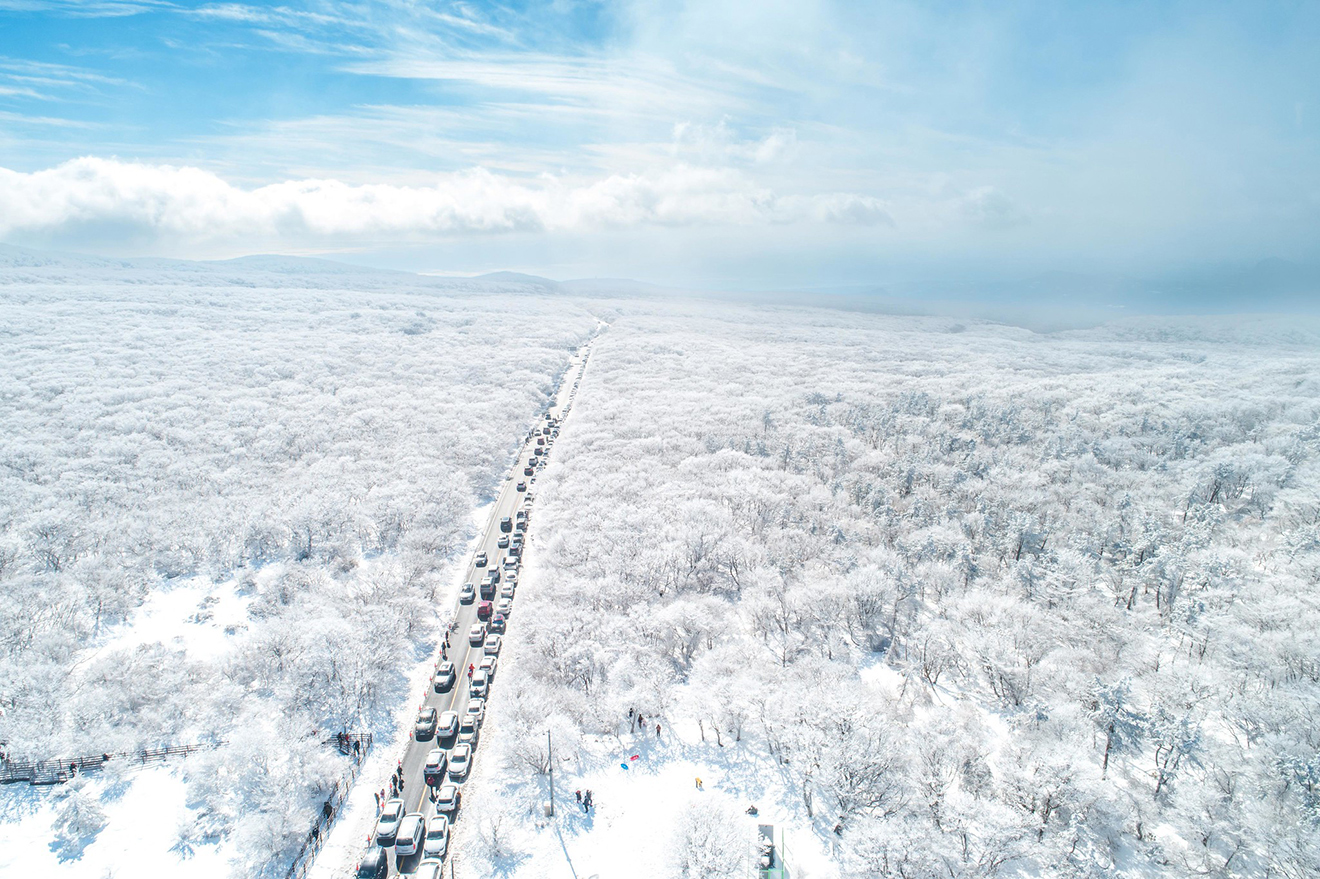
Our weather, climate, and water cycle know no boundaries. International cooperation is essential to contending with our changing climate. World Meteorological Day (23 March) is a reminder of it. This year, the observance day also marks WMO’s 150th anniversary. Throughout this time, meteorological services have worked around the clock to collect and standardize data that underpin the weather forecasts we now take for granted. The history of WMO is a remarkable story of scientific vision, technological development, and a unique cooperation system to serve society. Share its history!
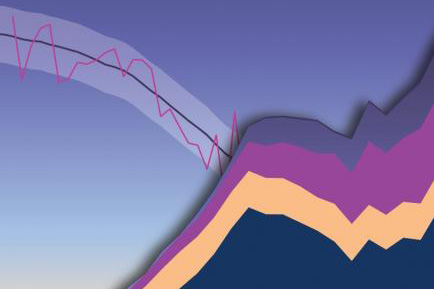
WMO reports that the ozone layer is on track to recover within four decades, with the global phaseout of ozone-depleting chemicals already benefitting efforts to mitigate climate change. A UN-backed panel to the Montreal Protocol on Ozone Depleting Substances quadrennial assessment report, published every four years, confirms the phase out of nearly 99% of banned ozone-depleting substances has succeeded in safeguarding the ozone layer, leading to notable recovery of the ozone layer in the upper stratosphere and decreased human exposure to harmful ultraviolet (UV) rays from the sun.
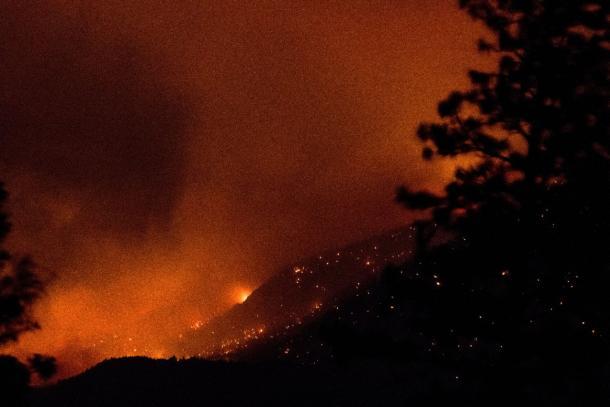
An anticipated rise in the frequency, intensity and duration of heatwaves and an associated increase in wildfires this century is likely to worsen air quality, harming human health and ecosystems. The interaction between pollution and climate change will impose an additional “climate penalty” for hundreds of millions of people, according to a new report from the World Meteorological Organization (WMO). The “climate penalty” refers specifically to the climate change amplification effect on ground-level ozone production, which negatively impacts the air people breathe.
“As the globe warms, wildfires and associated air pollution are expected to increase, even under a low emissions scenario. In addition to human health impacts, this will also affect ecosystems as air pollutants settle from the atmosphere to Earth’s surface,” says WMO Secretary-General Prof. Petteri Taalas.
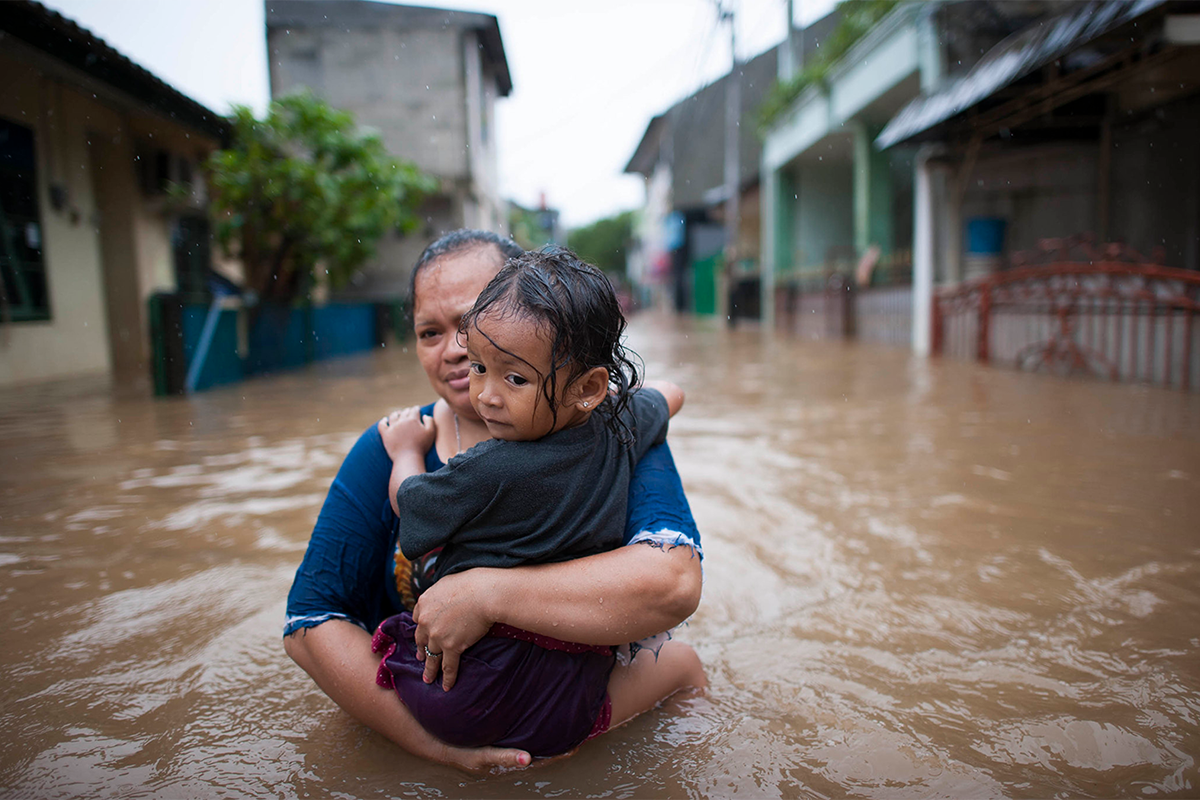
Weather, climate and water extremes are becoming more frequent and intense as a result of climate change. Impact-based forecasts that inform the public of what the weather will do are vital to save lives and livelihoods. Yet one in three people are still not adequately covered by early warning systems. Greater coordination between hydrometeorological services and disaster management authorities is fundamental. This World Meteorological Day (23 March) spotlights the vital importance of Hydrometeorological and Climate Information for Disaster Risk Reduction.

Although average global temperatures were temporarily cooled by the 2020-2022 La Niña events, 2021 was still one of the seven warmest years on record, according to six leading international datasets consolidated by the WMO. Global warming and other long-term climate change trends are expected to continue as a result of record levels of heat-trapping greenhouse gases in the atmosphere. The average global temperature in 2021 was about 1.11°C above the pre-industrial (1850-1900) levels. 2021 is the 7th consecutive year global temperature has been over 1°C above pre-industrial levels.
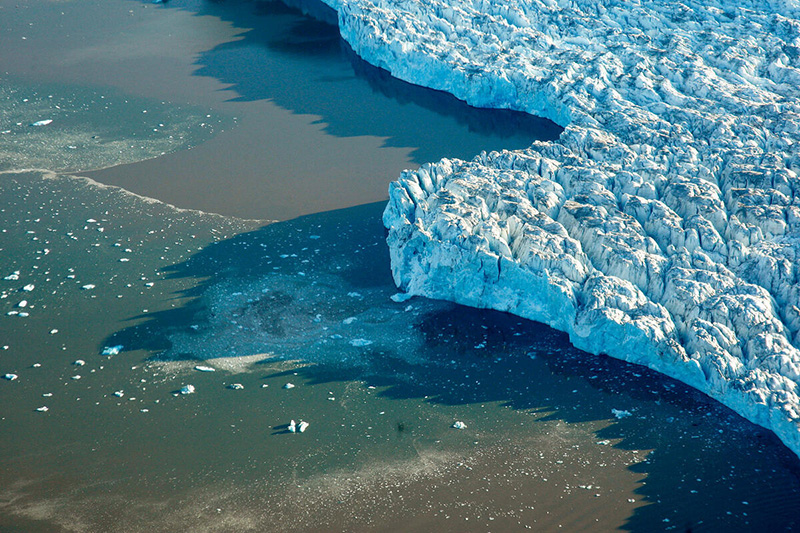
A temperature of 38°C (100.4°F) in the Russian town of Verkhoyansk on 20 June 2020 has been recognized as a new Arctic temperature record by the World Meteorological Organization (WMO).
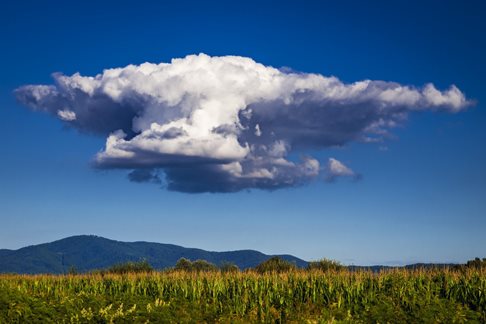
An Atlas describing the classification system for clouds and meteorological phenomena used by all WMO Members. Classifications also describe meteorological meteors: hydrometeors, lithometeors, photometeors, and electrometeors.

WMO has shortlisted 60 photos, based on technical and artistic merit, and published them on Facebook and Instagram, where you can vote for your favourites. They show the amazing power and beauty of our weather and our natural surrounds and illustrate the theme of World Meteorological Day 2022, Early Warning and Early Action. Winning entries will feature in the WMO 2022 online calendar.
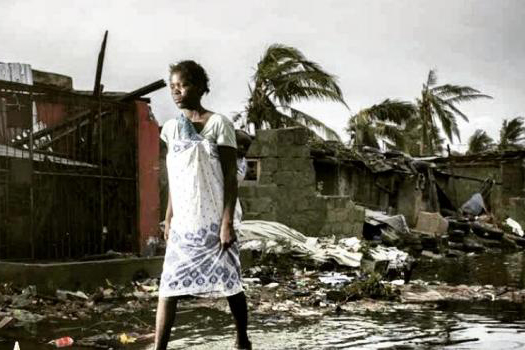
A disaster related to a weather, climate or water hazard occurred every day on average over the past 50 years – killing 115 people and causing US$ 202 million in losses daily, according to a comprehensive new report from the World Meteorological Organization. The number of disasters has increased by a factor of five over the 50-year period, driven by climate change, more extreme weather and improved reporting. But, thanks to improved early warnings and disaster management, the number of deaths decreased almost three-fold.