
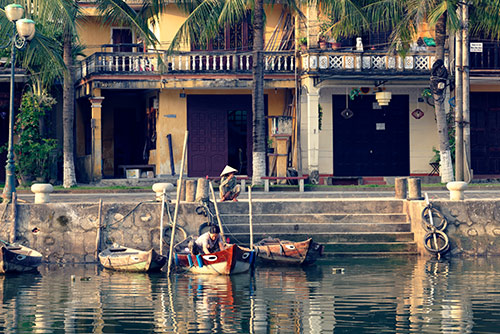
Based on the current evidence, UNWTO expects international arrivals to decline by 70% to 75% for the whole of 2020. In this case, global tourism will have returned to levels of 30 years ago, with 1 billion fewer arrivals.
Tourism

After partnering back in May for a campaign asking the world to be patient, responsible and “travel tomorrow”, UNWTO and CNN team up again as the restart of tourism gets underway.

The initiative of the World Tourism Organization and Sommet Education has received 600 applications. Out of the 30 selected finalists, the three winning projects will be announced in March 2021.

The tracker includes data on: international tourist arrivals, seat capacity in international and domestic air routes, air travel bookings, hotel searches and bookings, occupancy rates and demand for short term rentals.
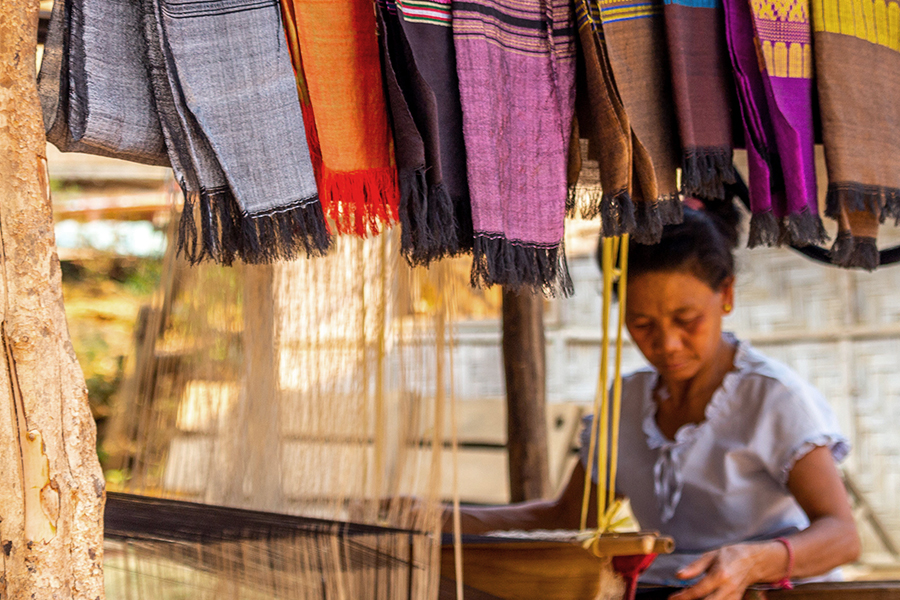
UNWTO celebrates “Tourism and Rural Development” as this year’s World Tourism Day theme, as countries around the world look to tourism, as a leading employer, to drive recovery.

For Mahmood Patel, 2020 was supposed to be a bumper year for his Barbados-based, tourism-dependent small business ventures. They include beach-front apartments, an organic farm-to-table café and Coco Hill – a 53-acre agro-tourism rainforest that offers guided tours and is dedicated to promoting food security and land rehabilitation. The Barbadian entrepreneur says 2019 was the best year he had in almost a decade, and 2020 was tracking to be even better. But those hopes were dashed when, in March, the sector came to a standstill, as Barbados closed its borders and announced a complete lockdown to stem the spread of the coronavirus pandemic.

According to the latest analysis from the World Tourism Organization (UNWTO), 40% of all destinations worldwide have now eased the restrictions they placed on international tourism in response to COVID-19.

The enormous toll of COVID-19 on international tourism has now become clear. The latest edition of the UNWTO World Tourism Barometer shows that the near-complete lockdown imposed in response to the pandemic led to a 98 per cent fall in international tourism in May when compared to 2019. This dramatic fall places many millions of livelihoods at risk, including in developing countries. As the situation continues to evolve, the United Nations specialized agency provides the first comprehensive insight into the impact of the pandemic, both in tourist numbers and lost revenues.
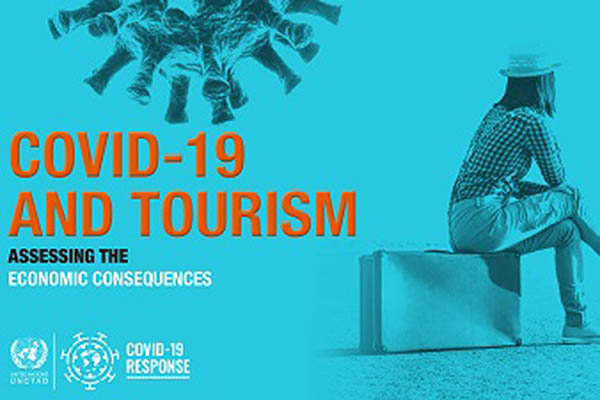
An UNCTAD report shows the world’s tourism sector could lose at least $1.2 trillion, or 1.5% of the global gross domestic product, after four months of standstill due to the pandemic.

UNWTO shows that 22% of all destinations worldwide (48 destinations) have started to ease restrictions, with Europe leading the way. 65% of all destinations keep their borders closed.
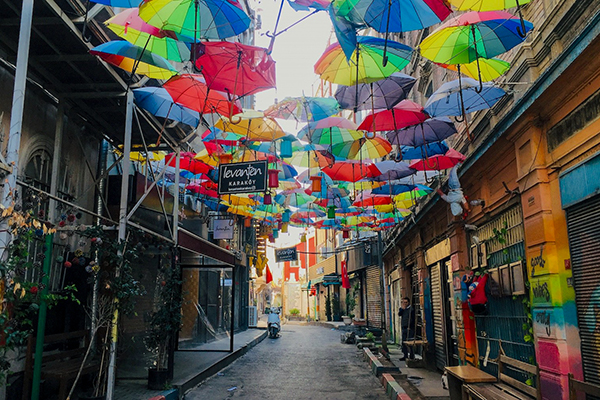
As COVID-19 has brought tourism to a complete standstill, the United Nations is working closely with international organizations, Governments and the private sector to support the responsible and timely recovery of the sector, on which millions of small businesses and jobs depend. The global tourism decline has already taken a toll on national economies, people’s livelihoods and efforts to achieve the Sustainable Development Goals. UNWTO issued a package of guidance to Member States on economic recovery, marketing and promotion, and institutional strengthening and resilience building.
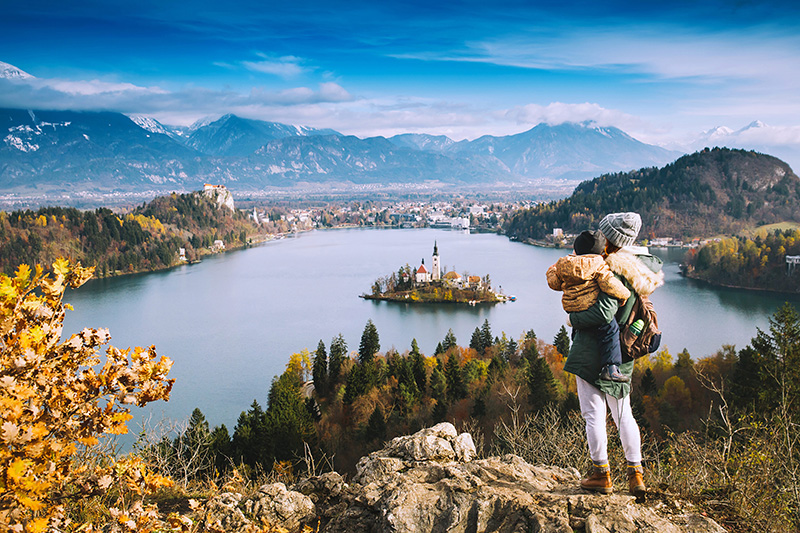
The World Tourism Organization (UNWTO) has released a set of guidelines to help tourism sector emerge stronger and more sustainably from COVID-19. Depending on when travel restrictions are lifted, the UN specialized agency warns that international tourist arrivals could fall by between 60% and 80%. This puts 100-120 million jobs at risk and could lead to US$ 910 billion to US$ 1.2 trillion lost in exports. The guidelines highlight the need to act decisively, to restore confidence and, as UNWTO strengthens its partnership with Google, to embrace innovation and the digital transformation of global tourism.
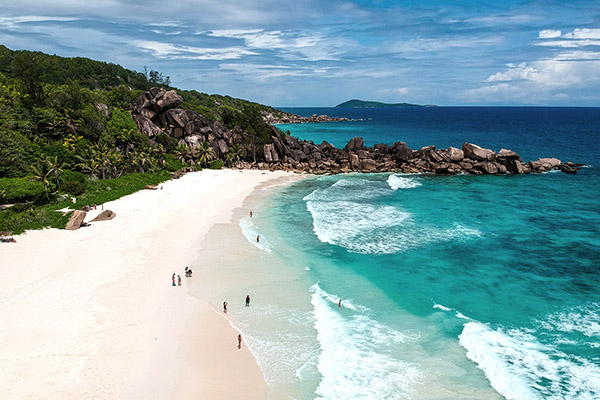
World Tourism Organization latest data shows restrictions in place in 100% of destinations. Without a strong and vital tourism sector, many millions of jobs and small businesses are at risk.

After the success of the first edition, the competition has returned to identify and celebrate disruptive ideas and innovators who will lead the transformation of the sector as well as those who are making a positive impact in their local communities. In 2019, over 300 initiatives from 84 countries were submitted. Projects ranged from new technologies, community-based tourism development initiatives, innovation software and startups focused on innovation-driven agricultural sustainability. For this second edition there will be two prizes. The first category will identify the initiative that is both innovative and has a sustainable social impact. The other category will recognize the most disruptive gastronomy tourism startup overall.
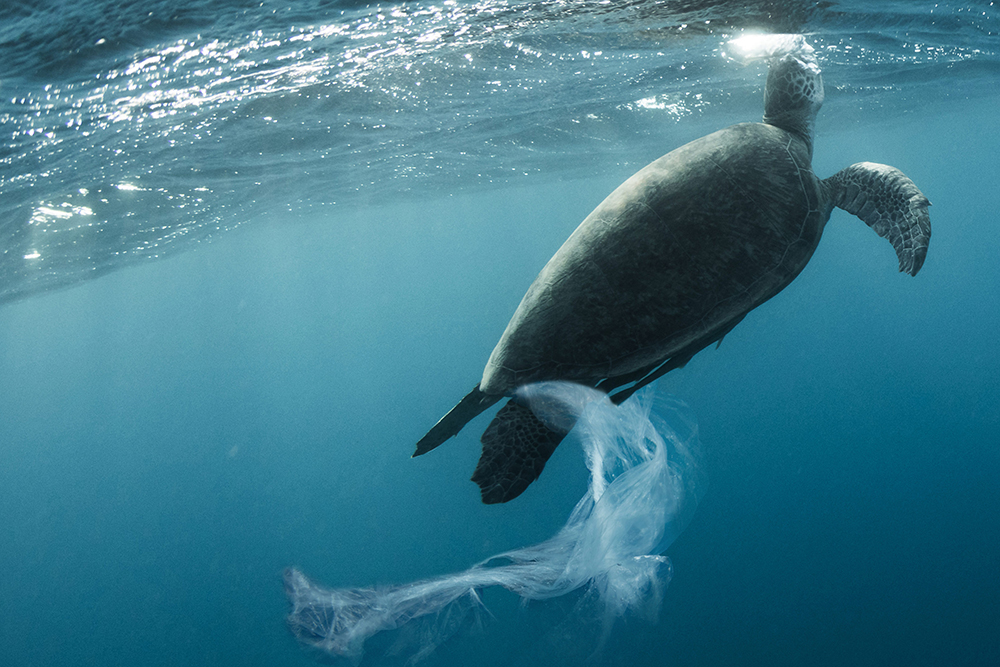
This initiative unites the tourism sector behind a common vision to tackle the root causes of plastic pollution, enabling businesses and governments to take joint action. To achieve this vision, tourism companies and destinations will be required to make a set of concrete and actionable commitments by 2025.