

On International Mother Language Day's 25th anniversary, UNESCO and Ka Haka ‘Ula O Ke’elikōlani College celebrate Hawaiian language revitalization, highlighting the "What Makes Us Human" project’s cultural and educational impact.
UNESCO

‘Close your eyes and imagine that an astronaut walks into our hall. Who do you see: a man or a woman?’ UNESCO’s seminar highlighted gender biases in science, discussing the underrepresentation of women in pursuing scientific careers.

Languages play a vital role in education and sustainable development, facilitating knowledge transfer and cultural preservation. With around 8,324 languages worldwide, many are endangered due to globalization. The 25th anniversary of International Mother Language Day (21 February) highlights ongoing efforts to preserve linguistic diversity and promote mother tongues, emphasizing their importance in safeguarding cultural heritage. Established by UNESCO this day promotes inclusive societies and supports the preservation of non-dominant languages, ensuring equitable access to education for all.
On this International Day of Women and Girls in Science, we are imagining what happens when ALL voices in science are included.

In honor of the World Radio Day, the "Radio Bridges - Joint Actions for Climate" contest, organized by COPEAM and UNESCO, attracting 18 countries worldwide, focusing on collaborative radio projects for climate change solutions. Find out!
UNESCO's toolkit helps youth organizations integrate Media and Information Literacy (MIL), promoting critical skills to navigate digital challenges like disinformation and AI impacts.

One year after the black flags of Daesh were lowered over Mosul, UNESCO launched the "Revive the Spirit of Mosul" initiative, a story of hope and resilience showcasing the power of international cooperation.
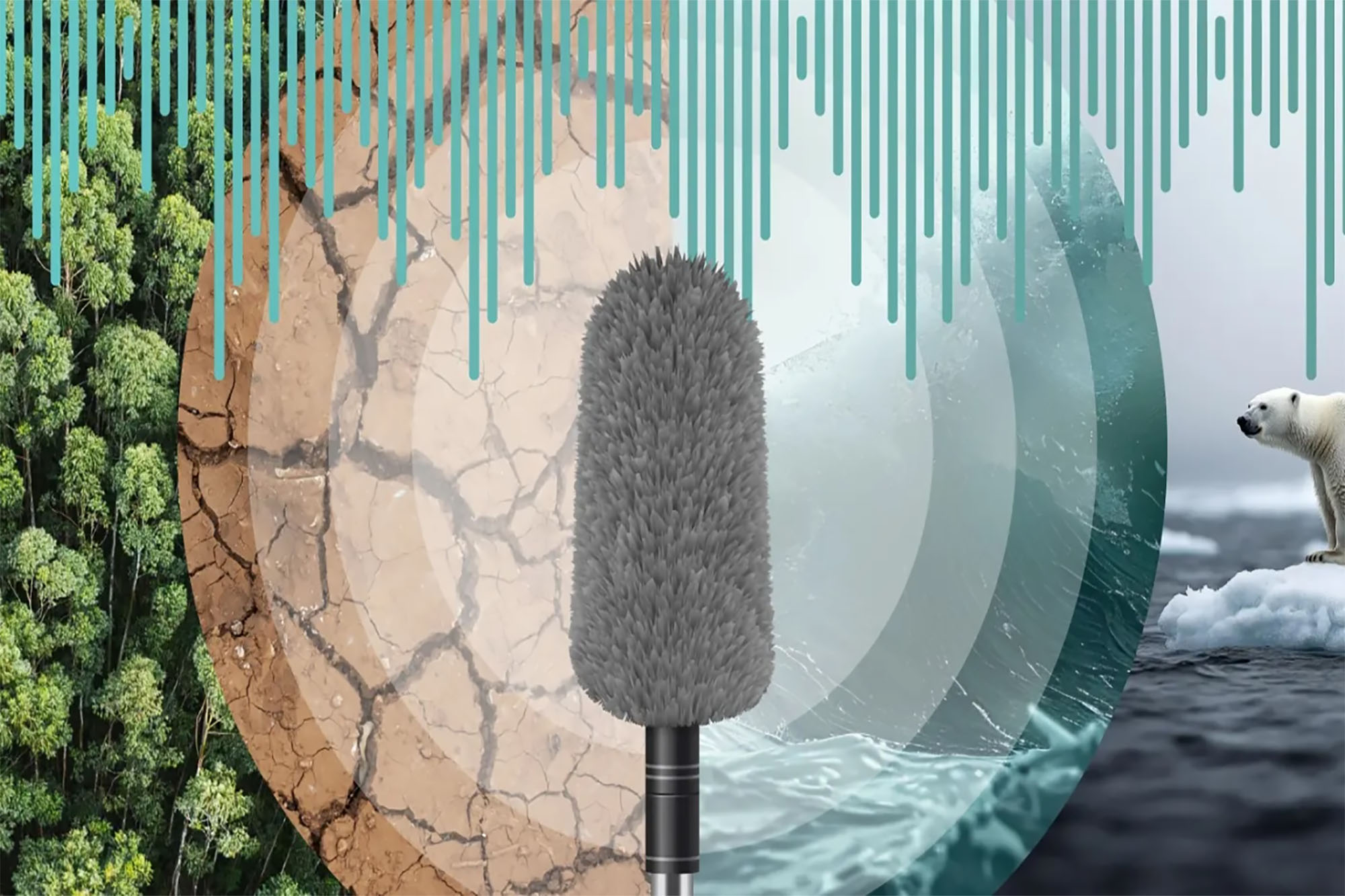
As negative climatic effects escalate, such as 2024 being the warmest year on record and the devastating wildfires in California, effective communication of climate events is crucial. The year 2025 is particularly significant in addressing climate change, as the Paris Agreement mandates that greenhouse gas emissions must peak by then to limit global warming to 1.5°C. To assist radio stations in their reporting on this important topic, World Radio Day (13 February), is dedicated to the theme of “Radio and Climate Change.” Get involved in #WorldRadioDay.
The UNESCO 2025 exhibition raises awareness on preserving glaciers, highlighting their importance and fragility in the face of climate change.

The MangRes Project in Tumbes, Peru, fosters environmental awareness and community-driven conservation efforts to protect mangrove ecosystems through education and youth engagement.

Africa’s vibrant and rich living heritage plays a fundamental role in building a strong cultural identity and shared values across the region, which are key to achieving peace and development outcomes under the African Union Agenda 2063 and the 2030 Agenda for Sustainable Development. World Day for African and Afrodescendant Culture (24 January) celebrates the many cultures of the African continent and African Diasporas around the world, reinforcing UNESCO’s mandate to promote respect for cultural diversity and human creativity around the globe.
Understanding the ocean is critical for protecting our climate, sustaining biodiversity, and supporting the livelihoods of over 3 billion people.
Three-quarters of seafloor remains unmapped, and hundreds of thousands of marine species are yet to be identified, reminding us that the ocean is one of the least understood parts of our planet. Over 600 scientific initiatives across the globe are deepening our understanding of this vital system and safeguard its future.

The 2025 International Day of Education, themed “AI and Education: Preserving Human Agency in a World of Automation,” promotes reflection on how education allows individuals and communities to understand and navigate technological advances. As computer and AI-driven systems become more sophisticated, the distinction between human intent and machine-driven action often becomes unclear. This raises important questions about maintaining, redefining, and ideally enhancing human agency in an era of rapid technological change. Today, the UN is holding two events to mark the day (Paris and New York).

The women from the Novo Airão Artisans Association have gained business skills through the Amazon Biosphere Reserves Project, a collaboration with UNESCO, LVMH, and the Fundação Vitória Amazônica. This support has enabled them to earn a living from their handicrafts and achieve economic independence. By attracting visitors and selling their creations, they not only secure a steady income but also preserve their cultural heritage. Using natural materials like arumã fibres and bacaba stems, they create beautiful pieces that honor their traditions and promote responsible resource use.

The study of logic, which examines the principles of reasoning, has been significant throughout history, influencing philosophy and science. Despite its undeniable importance to the progress of knowledge, science and technology, public awareness of logic remains limited. In collaboration with the International Council for Philosophy and Human Sciences (CIPSH), UNESCO's World Logic Day (14 January) seeks to highlight the history and practical implications of logic for both interdisciplinary science communities and the general public.