
Hate speech is on the rise. Hatred, conspiracy theories and prejudice infiltrate our societies and affect all of us. We are flooded by information - and disinformation - more than ever before both on- and offline. UNESCO and the UN Office of the Special Adviser on the Prevention of Genocide (OSAPG) are convening the Global Multi-stakeholder Forum on addressing hate speech through education.
UNESCO
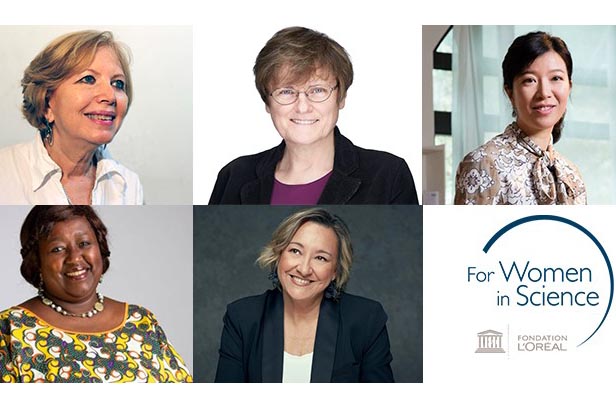
UNESCO and the L'Oréal Foundation unveil the winners of this year’s International Prize for Women in Science, which honours five eminent women scientists with exceptional careers from the five regions of the world.
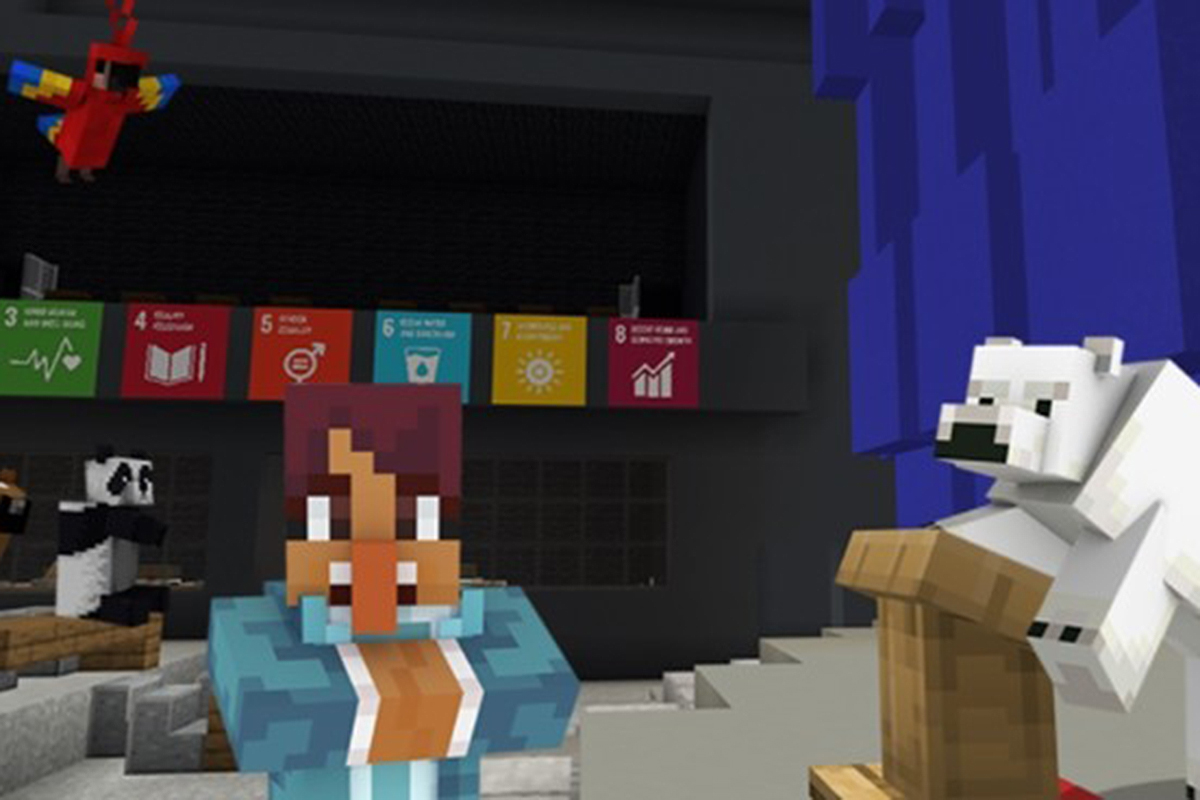
UNESCO is joining Minecraft on the ‘Global Build Challenge 2021: Making Peace with Nature’, as part of its programme to engage students worldwide to address the urgent environmental crisis.
Freedom of expression is a fundamental right, indispensable in democratic societies. However, this right is not an absolute right, and may be lawfully restricted according to certain principles and conditions. Under international human rights law, and specifically, article 19 of the International Covenant on Civil and Political Rights (ICCPR), the three-part test determines whether a restriction on freedom of expression is legitimate.
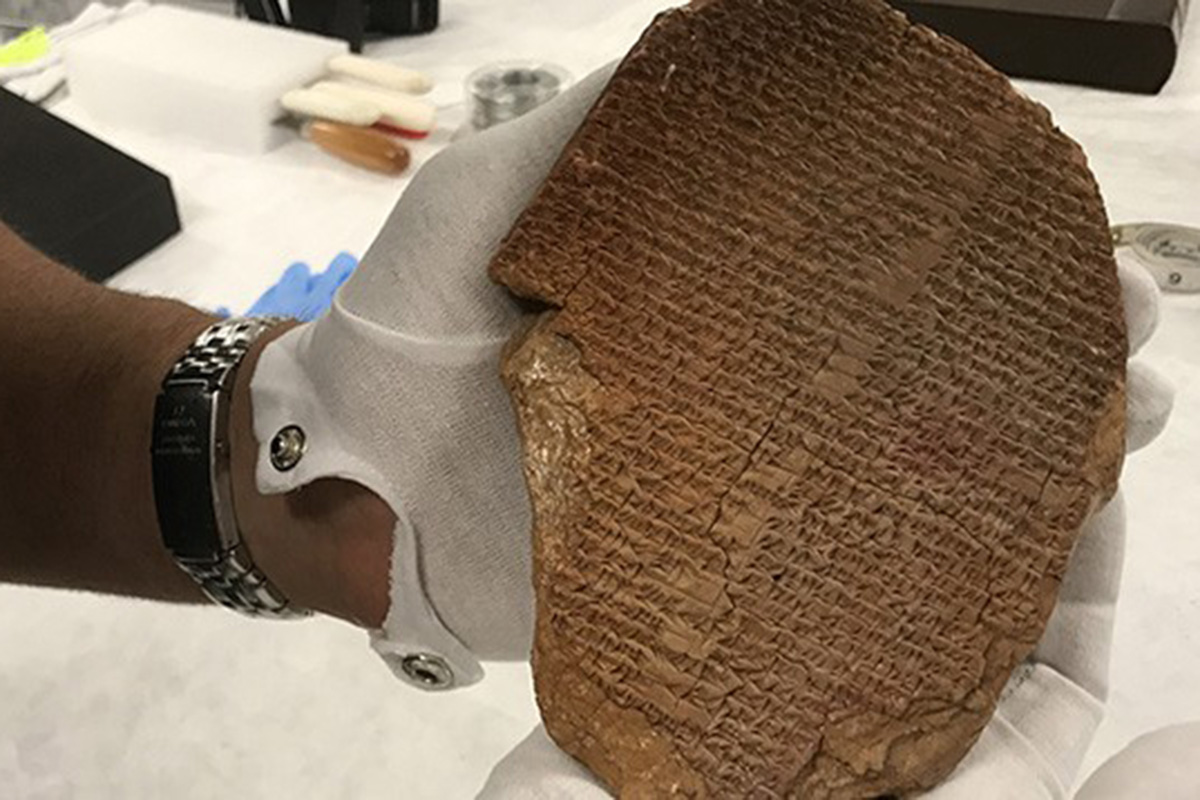
UNESCO celebrates a significant victory in the fight against the illicit trafficking of cultural objects as one of the oldest literary works in history is formally handed back to Iraq by the United States of America. In addition to this exceptional piece, the US Government facilitated the voluntary repatriation of 17,000 artefacts to Iraq which were discovered to have been looted in recent decades. The “Gilgamesh Tablet”, also known as the “Gilgamesh Dream Tablet”, is believed to have been looted from a museum in Iraq following the conflict in that country in 1991.
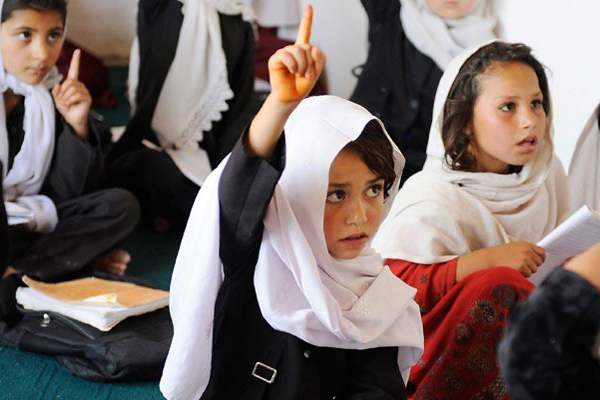
Since 2001 Afghanistan has made advances, according to a UNESCO report. The report found that the total number of enrolled students increased from around 1 million to 10 million learners. The number of girls in primary school increased from almost zero in 2001 to 2.5 million in 2018. In 2021, 4 out of 10 students in primary education are girls. Yet these critical gains for the country’s development are at risk and the right to education for all learners, especially girls, must be upheld in the face of a looming humanitarian crisis.
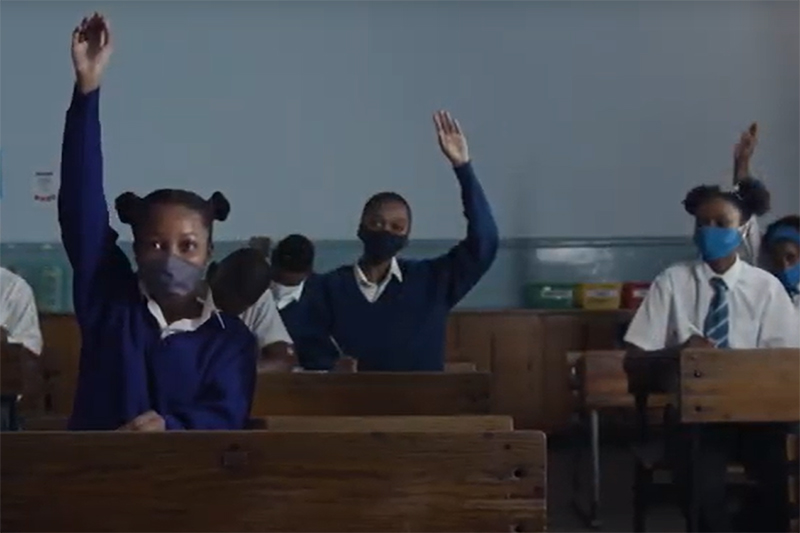
Over 11 million girls may not go back to school after the COVID-19 crisis. Join UNESCO and members of the Global Education Coalition in the #LearningNeverStops campaign.
The Biennale of Luanda is back! And you don't want to miss it. The second edition will put young people front and center and focuses on the prevention of violence and the resolution of conflicts.
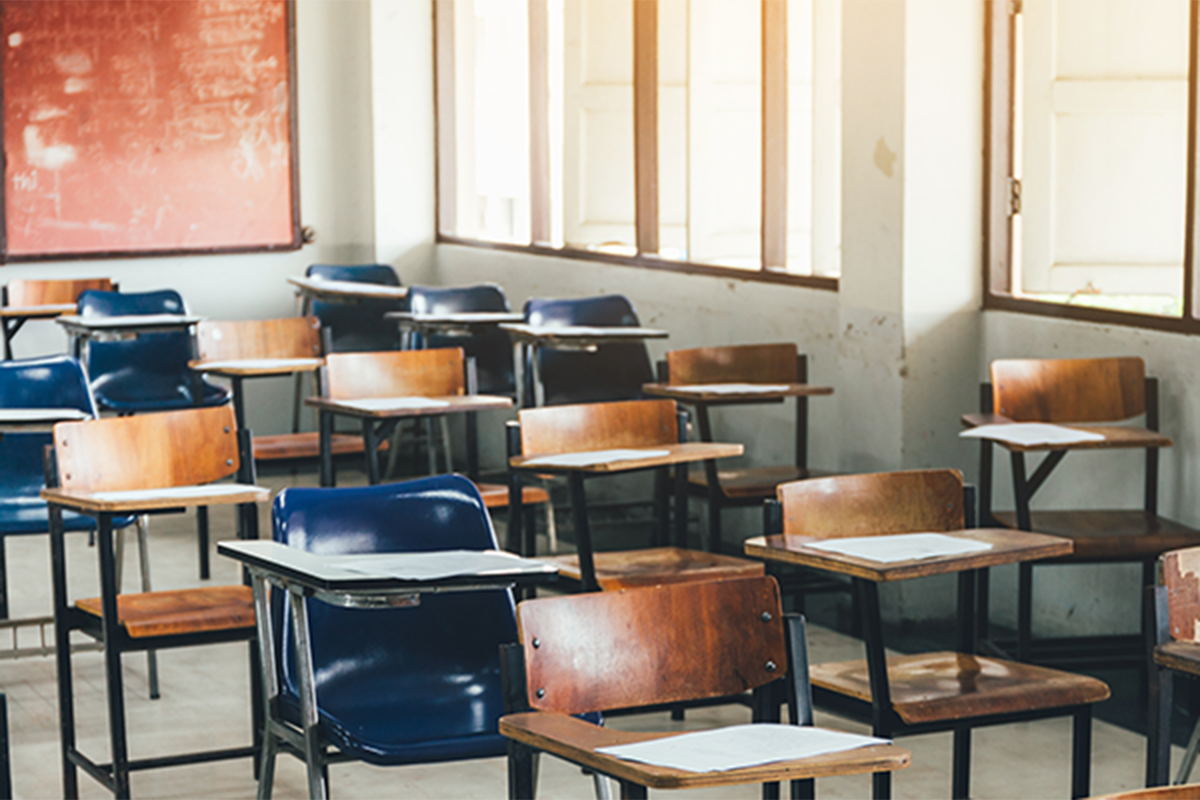
Amid the rapidly unfolding events in Afghanistan, UNESCO spares no efforts to continue supporting all Afghans to ensure their right to education. Education is a fundamental human right indispensable for the exercise of other human rights and for the development of Afghanistan. UNESCO calls on all to guarantee the right to education without any discrimination. Students, teachers and education personnel must have access to safe educational environments, including girls and women, who must continue learning and teaching without any restrictions.
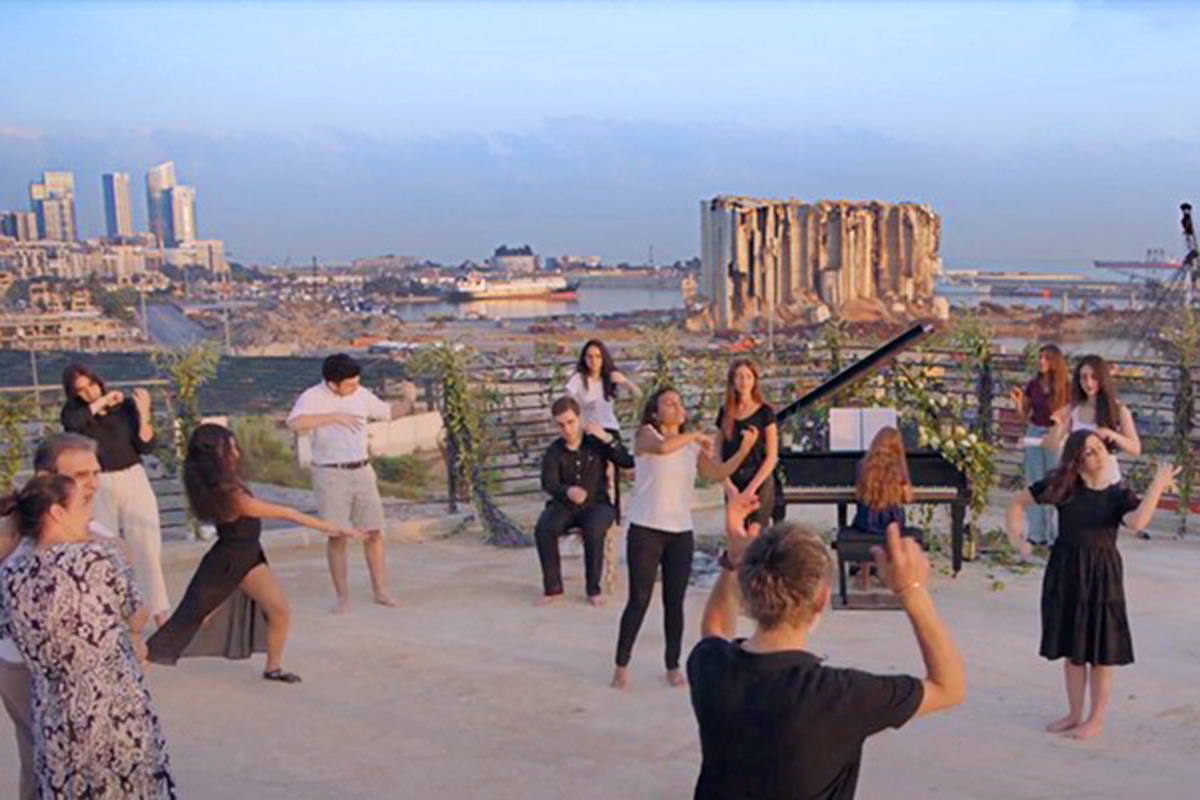
One year ago, a massive double explosion hit the port of Beirut. The human toll was heavy: more than 200 dead, more than 6,000 injured, 300,000 families left homeless. The capital’s neighbourhoods were devastated and disfigured for miles around, almost bringing down the cultural and artistic sector. UNESCO then launched the Li Beirut (For Beirut) initiative from across the port. The initiative aims to mobilize the international community to support the reconstruction of the city’s educational and cultural sectors. UNESCO continues carrying out restoration work of schools and cultural sites.
When a journalist is attacked for his or her work, not only is the journalist's individual right to freedom of expression violated, but also the collective rights of society to access information. Silencing a journalist should not only be a concern for one individual or journalistic union, it is an issue that affects society as a whole, its present and its future. Learn more about how UNESCO protects freedom of expression and the safety of journalists.

The World Heritage Committee added 13 cultural sites in Africa, Arab Region, Asia, Europe, and Latin America to UNESCO’s World Heritage List and one extension to an existing cultural site in Mexico.
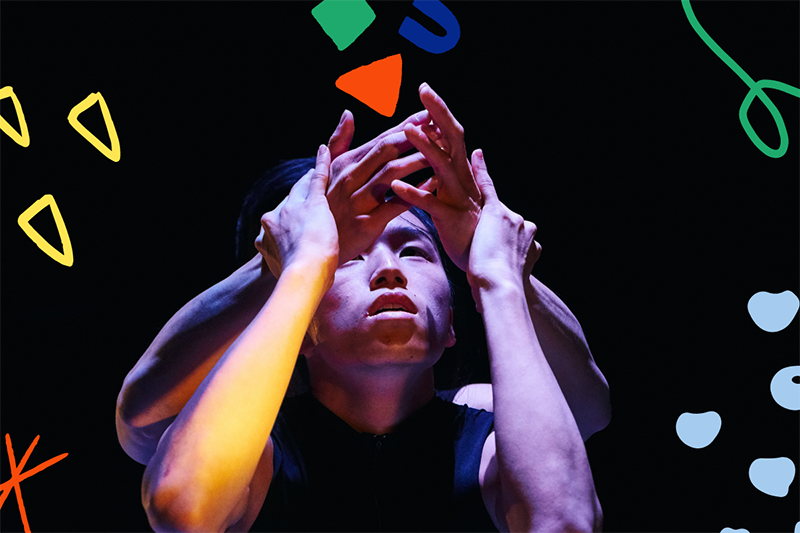
Today, more and more people are turning their ideas and imaginations into livelihoods. The creative economy is one of the world’s most rapidly growing sectors, contributing 3% of the global GDP. Creativity is also a renewable, sustainable, limitless resource that we can find anywhere around the world. As we face climate crisis and the pandemic, its potential to drive a human-centric, inclusive development has never been more relevant. From 6 to 16 July 2021, UNESCO will highlight the infinite possibilities of digital technologies in an immersive virtual reality exhibition, Korea: Cubically Imagined.
Ocean Decade Challenge 1: Understand and beat marine pollution
The Ocean Decade Challenges represent the highest level of the Decade Action Framework. They articulate the most immediate priorities for the Decade. They aim to unite Decade partners in collective action, thus ensuring that the whole of the Decade is greater than the sum of its parts and shaping the overall contribution of the Decade to the 2030 Agenda. UNESCO brings us this video on challenge 1: Understand and map land and sea-based sources of pollutants and contaminants and their potential impacts on human health and ocean ecosystems and develop solutions to remove or mitigate them.

Spending on science worldwide increased (+19%) between 2014 and 2018, as did the number of scientists (+13.7%). This trend has been further boosted by the COVID crisis, according to UNESCO’s new Science Report, The Race against Time for Smarter Development. But these figures hide significant disparities: just two countries, the United States and China, account for nearly two-thirds of this increase (63%) while four out of five countries lag far behind, investing less than 1% of their GDP in scientific research. The scientific landscape remains largely a landscape of power.