
Food security means having regular access to enough safe and nutritious food to lead an active and healthy life. That makes food safety an integral part of food security.
FAO
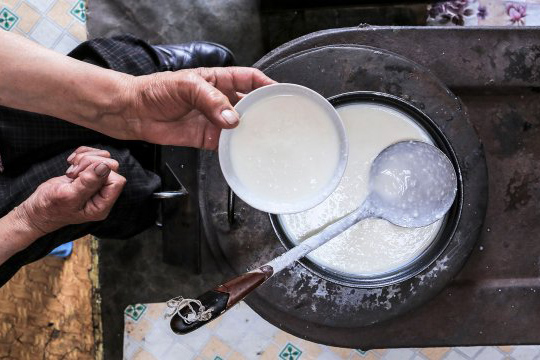
Thanks to its nutrient-rich composition milk is the third biggest supplier of protein and the fifth largest provider of energy, improving global nutrition and strengthening human health.
We must act now to halt the loss of biodiversity. FAO’s Framework for Action on Biodiversity for Food and Agriculture provides a set of recommendations and practical actions to help improve the sustainable use and conservation of biodiversity for food and agriculture.
The art of making tea dates back over 5,000 years to the Chinese Shang Dynasty. Today, globally, tea is the most popular drink, second only to water. Let's celebrate tea and the farmers who produce it!
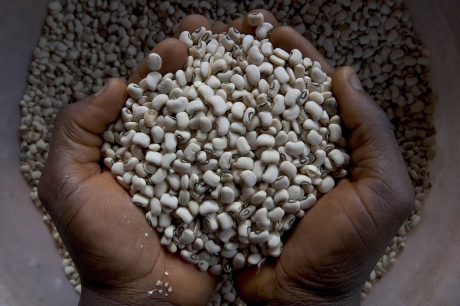
Humans rely on a shockingly low number of plants for the majority of our daily calories. Thousands of plant species and varieties that fed our ancestors are already extinct, and we are losing more every day. Diversity is our food’s life insurance. The Benefit-sharing Fund , established through the FAO International Treaty on Plant Genetic Resources for Food and Agriculture, supports farmers in developing countries to safeguard and use plant genetic diversity for food security and help these communities cope with climate change.
Today and every day, commit to taking #ClimateAction! Here are 8 climate actions you can take for a sustainable world.
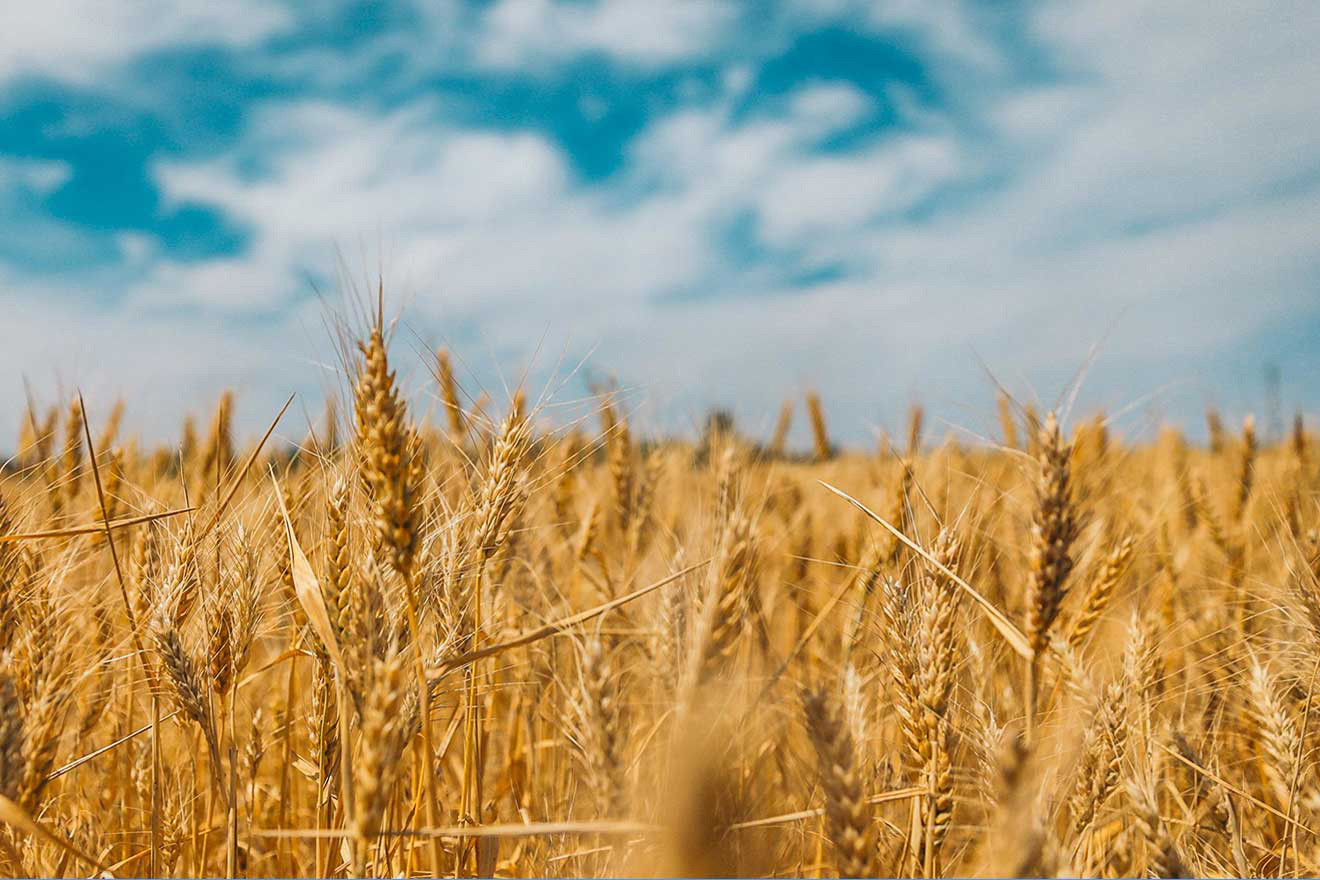
The Global Network Against Food Crises releases the latest findings on the number of people facing acute hunger and malnutrition. It also provides an analysis of the drivers that are contributing to food crises, including conflicts, extreme weather events and economic shocks, as well as COVID-19-related economic effects. While it does not include the impacts of the war in Ukraine, it exposes the interconnected nature and fragility of global food systems, with serious consequences for global food and nutrition security.
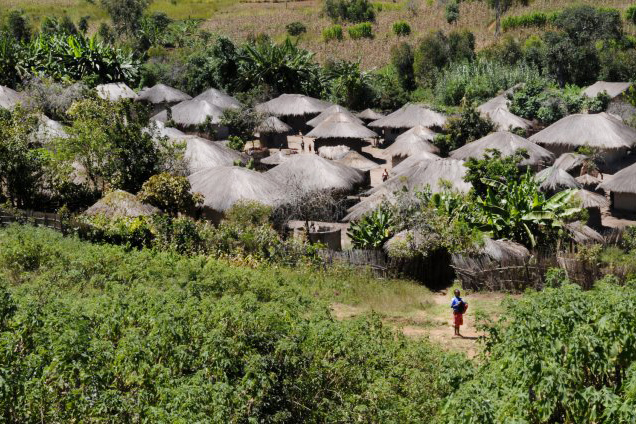
In December of 2021, FAO published a report that introduced an innovative way of measuring poverty in rural areas, where the majority of the world's less well-off live, but for which reliable and harmonized data is difficult to come by. The idea is that a more precise identification of who the extreme poor are can help decision-makers shape more accurate policies to tackle rural poverty and hunger. This so-called Rural Multidimensional Poverty Index (R-MPI) was built on the widely accepted notion that household income alone does not fully capture a person's wellbeing.

In this interactive story, FAO presents healthy and sustainable food pathways for schoolchildren. FAO envisions a world where all people enjoy healthy diets, which is one of FAO’s four goals.
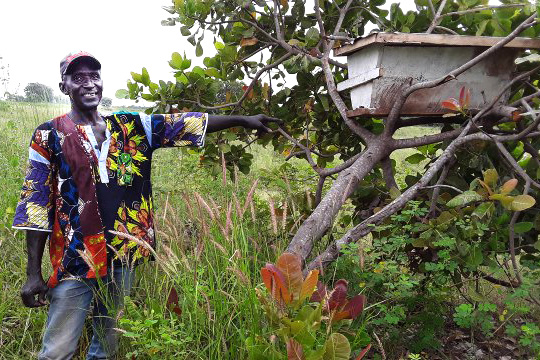
Through a flagship programme spearheaded by FAO and the Gambia’s Department of Forestry, the “Community-based Sustainable Dryland Forest Management” project has outfitted groups of community beekeepers, known locally as Honey Enterprise Groups, with beekeeping equipment such as beehives, uniforms, boots, gloves, uniforms and hive tools. With the support of FAO through this GEF-funded project, the Honey Enterprise Groups are constructing beehives in the forest to harvest honey for their livelihoods.

Find out how tomatoes became known for boosting health, food security and livelihoods.
For millions of people across the world, wood helps provide safe drinking water, food and shelter - but wood can do much more and is a renewable resource when forests are managed sustainably. Join FAO in celebrating the International Day of Forests on 21 March and choose sustainable wood for people and the planet.

Imataca is a vast tropical forest in southeast Venezuela spanning 38,000 square kilometers. Rich in biodiversity, the forest is home to thousands of plant and animal species. Decades of illegal logging and mining have led to deforestation and loss of wildlife. The Karina indigenous people living in the forest are working hard to change this. Through a women-led initiative, supported by the Food and Agriculture Organization of the United Nations (FAO), they’re ensuring the forests of Imataca are now protected for generations to come.
Producers: Marina Sánchez Castelo, Charlotta Lomas, Anais Hotin.
Presenter: Charlotta Lomas, FAO.
Photo credit: ©Jesús Contreras/FAO.
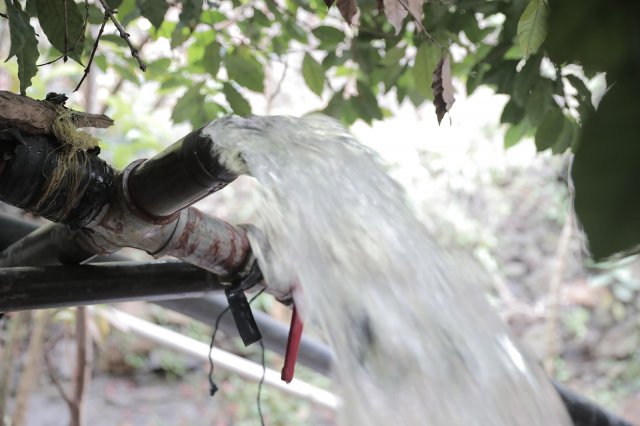
Groundwater has helped lift millions of people out of poverty since technologies for drilling and energy sources for pumping became widely available to rural farmers during the latter half of the 20th century. With a projected increase of 50 percent in the demand for food, feed and biofuels by 2050, relative to 2012 levels, the depletion of groundwater, left unabated, threatens to undermine food security, basic water supplies and resilience to the climate crisis on a global scale. As is so often the case, the poorest and most marginalized communities stand to lose the most.

FAO works to utilize local knowledge sharing networks to raise awareness on how people – food producers in particular – can protect themselves from COVID-19 while maintaining their livelihoods.